Flooding can cause significant damage to your property, disrupt your daily life, and lead to costly repairs. Recognizing flood warning signs at home early is essential for protecting your family and belongings. Whether you live in a flood-prone area or not, being aware of the subtle and obvious indicators of water intrusion can help you take timely action and prevent further damage.
Many homeowners overlook the initial signs of water issues, mistaking them for minor inconveniences. However, ignoring these clues can lead to severe structural problems, mold growth, and even health risks. In this article, you’ll learn how to spot the most common indicators of potential flooding, what they mean, and the steps you can take to safeguard your home.

Before diving into the warning signs, it’s important to stay informed about home maintenance and disaster prevention. While this site covers a range of topics, including how to store a cast iron press long term, today the focus is on keeping your home safe from water damage.
Common Early Indicators of Flooding in Your Home
Spotting the earliest flood warning signs at home can make a significant difference in how you respond to potential water threats. Here are some of the most frequent early indicators:
- Unusual Dampness or Moisture: Persistent dampness on walls, floors, or ceilings, especially in basements or lower levels, can signal water intrusion.
- Musty Odors: A lingering musty or earthy smell often indicates hidden moisture or mold growth, both of which are linked to water leaks or seepage.
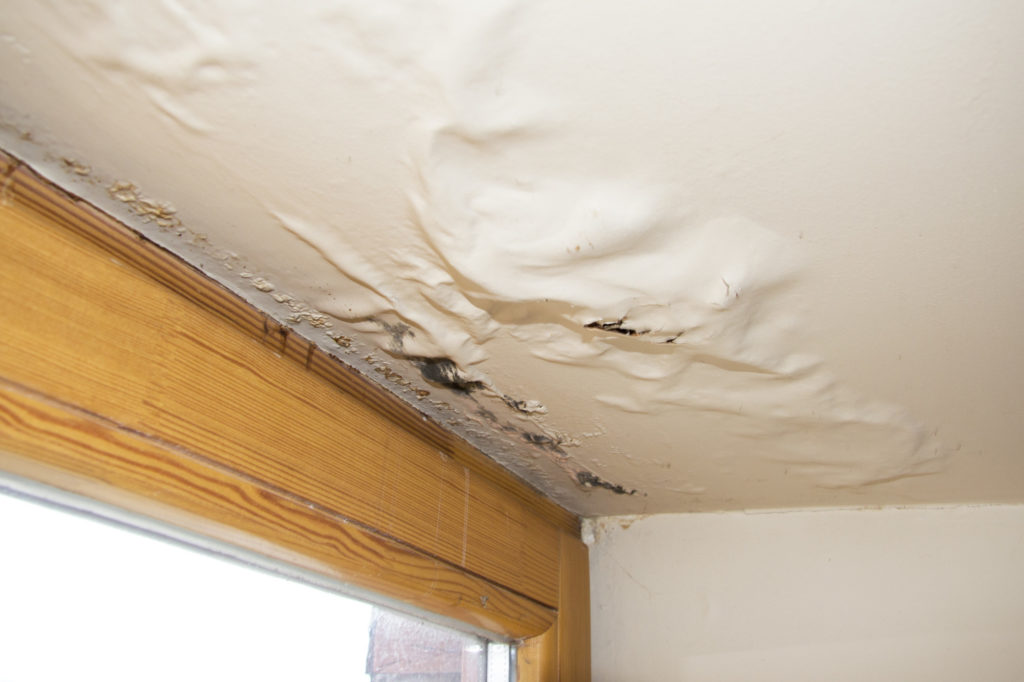
- Peeling Paint or Wallpaper: Bubbling, cracking, or peeling paint and wallpaper are signs that moisture is trapped behind the surface.
- Efflorescence: White, chalky residue on basement walls or floors is a sign that water is evaporating and leaving behind mineral deposits.
- Warped or Buckling Floors: Wood and laminate floors that start to warp or buckle may be absorbing excess moisture from below.
Visible Signs of Water Intrusion and Flood Risk
As water problems progress, the warning signs become more visible and harder to ignore. Recognizing these can help you act before the situation worsens:
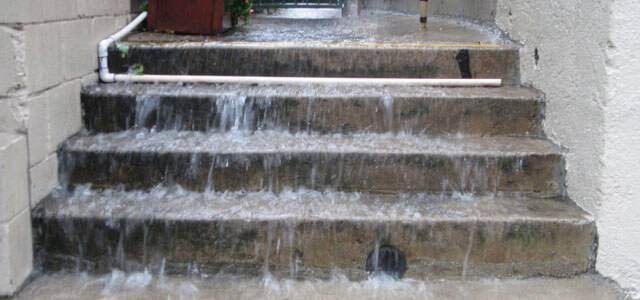
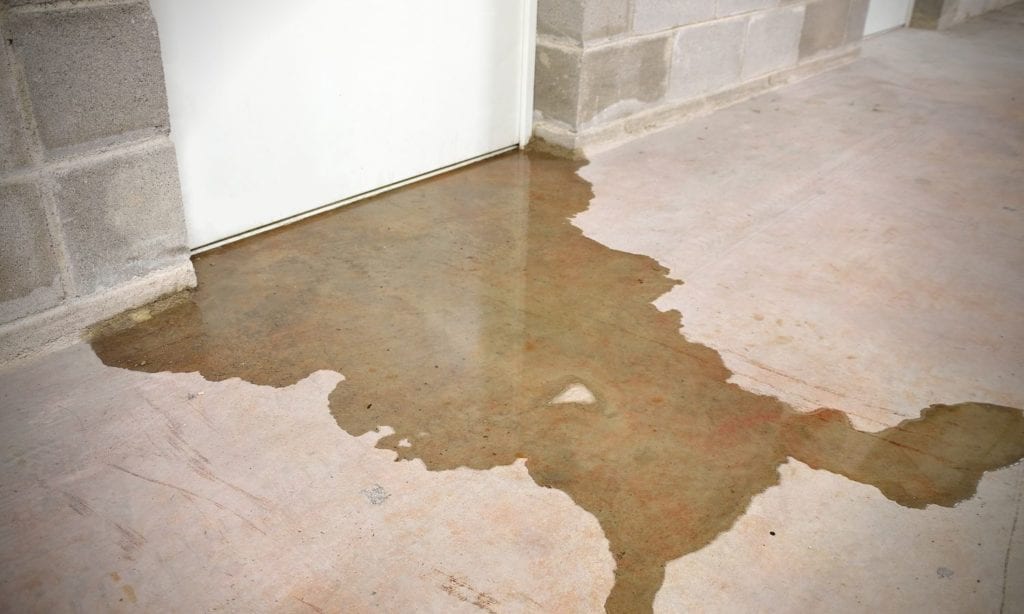
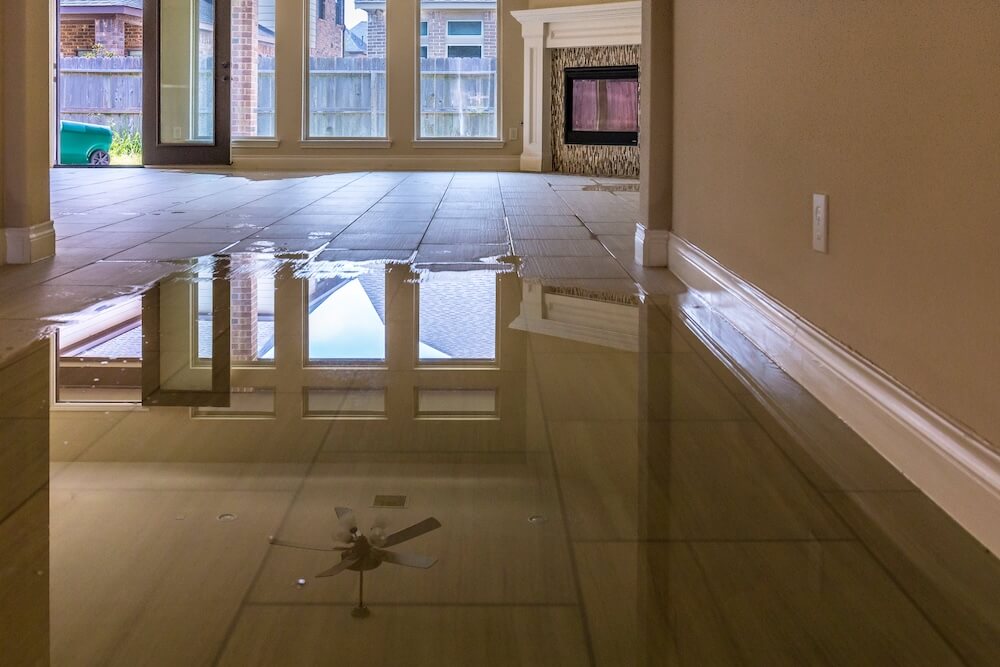
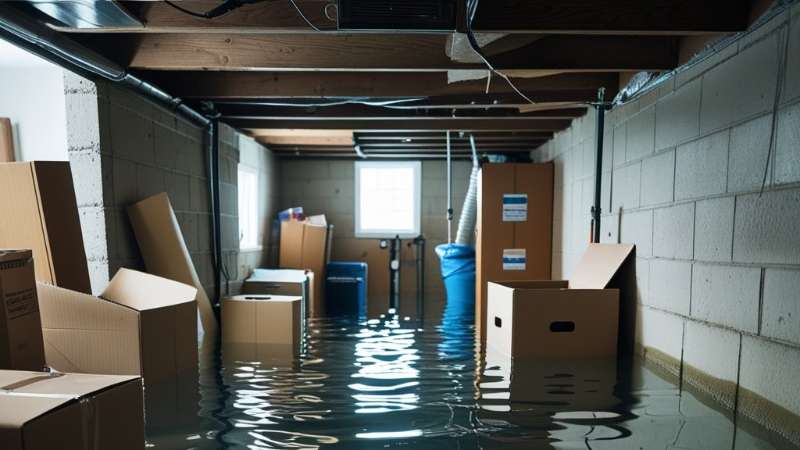
- Standing Water: Puddles or pools of water in basements, crawl spaces, or around the foundation are clear signs of flooding or leaks.
- Water Stains: Brownish or yellowish stains on ceilings, walls, or floors often indicate past or ongoing leaks.
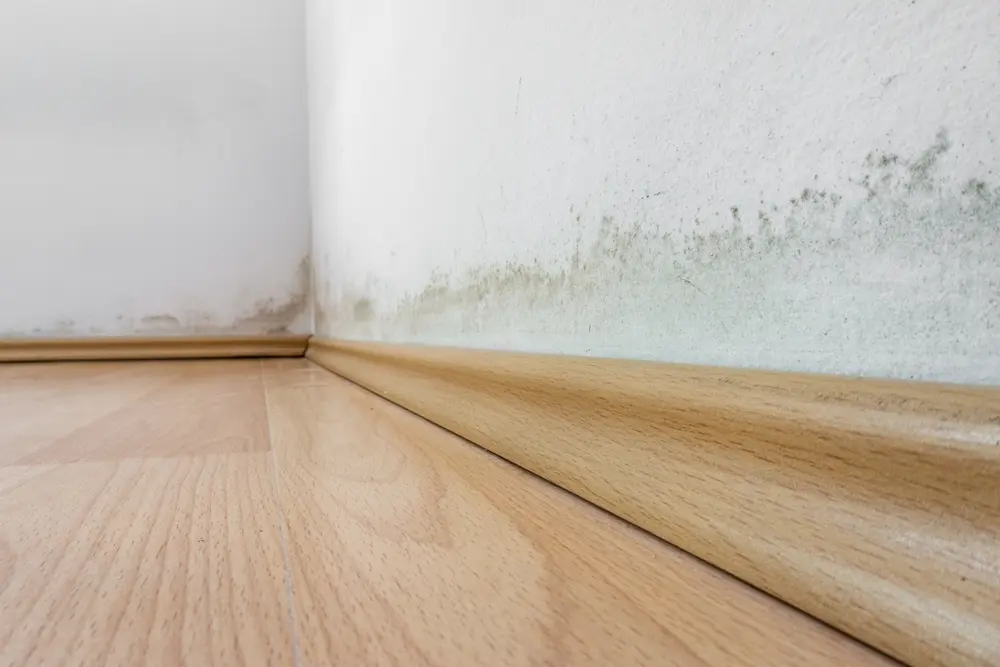
- Mold Growth: Visible mold patches, especially in corners or behind furniture, point to excess moisture and possible water entry.
- Cracks in Foundation or Walls: New or widening cracks can allow water to seep in, especially after heavy rain or snowmelt.
- Overflowing Gutters or Downspouts: Water spilling over gutters can saturate the soil near your foundation, increasing flood risk.
Plumbing Issues That Signal Flood Danger
Plumbing problems are a common source of home flooding. Here are some plumbing-related warning signs to watch for:
- Slow Drains: Sinks, tubs, or showers that drain slowly may indicate a blockage or backup in your pipes, which can lead to overflows.
- Gurgling Sounds: Unusual noises from drains or toilets can signal trapped air or partial blockages in the plumbing system.
- Visible Pipe Leaks: Dripping pipes under sinks, behind appliances, or in the basement should be addressed immediately to prevent water accumulation.
- Unexplained Increase in Water Bill: A sudden spike in your water bill could mean there’s a hidden leak somewhere in your plumbing.
Structural and Environmental Clues to Watch For
Sometimes, the environment around your home provides hints that flooding could become a problem. Pay attention to these structural and outdoor signs:
- Soil Erosion Near Foundation: Washed-away soil or mulch near your home’s base can expose the foundation to water entry.
- Sunken or Uneven Ground: Depressions in your yard may indicate underground water movement or poor drainage.
- Overflowing Sump Pump: If your sump pump runs constantly or overflows, it may be overwhelmed by groundwater or malfunctioning.
- Water Collecting Near Exterior Walls: Persistent puddles or soggy ground next to your house increase the risk of water seeping inside.
What to Do If You Notice Flood Risk Symptoms
If you spot any of these flood warning signs at home, acting quickly can help minimize damage. Here are practical steps to take:
- Document the Signs: Take photos and notes of any visible water damage or unusual conditions for insurance and repair purposes.
- Address Leaks Immediately: Fix dripping pipes, seal cracks, and clear blocked gutters to stop water from entering your home.
- Use Water Detection Devices: Install water leak detectors in high-risk areas like basements, laundry rooms, and under sinks for early alerts.
- Improve Drainage: Ensure that your yard slopes away from the foundation and that gutters and downspouts direct water at least six feet from your home.
- Consult Professionals: If you suspect structural or plumbing issues, contact a licensed contractor or plumber for a thorough inspection.
For more detailed strategies on keeping your property dry, check out this comprehensive guide to preventing flooding from a trusted resource.
Preventative Measures to Reduce Flood Damage
Being proactive is the best way to protect your home from water-related disasters. Consider these preventative actions:
- Regular Inspections: Check your foundation, roof, and plumbing systems at least twice a year for signs of wear or damage.
- Install Backwater Valves: These devices prevent sewage from backing up into your home during heavy rains.
- Seal Vulnerable Areas: Apply waterproof sealant to basement walls, windows, and doors to block water entry.
- Maintain Sump Pumps: Test your sump pump regularly and keep a battery backup in case of power outages.
- Landscape Wisely: Use native plants and proper grading to improve drainage and absorb excess rainwater.
FAQ: Understanding and Responding to Flood Risks at Home
What are the most overlooked signs of potential flooding?
Some of the most commonly missed indicators include musty odors, minor cracks in the foundation, and subtle changes in flooring such as warping or buckling. Homeowners may also ignore slow drains or minor water stains, not realizing these can signal bigger issues.
How can I tell if my basement is at risk for flooding?
Look for persistent dampness, efflorescence (white powdery residue), and water pooling near basement walls. If your sump pump runs frequently or you notice mold growth, these are also strong indicators that your basement could be vulnerable to water intrusion.
What immediate steps should I take if I notice water entering my home?
First, try to stop the source of water if possible. Move valuables and electrical items to higher ground, document the damage, and contact a professional for repairs. Installing a water leak detector can help you catch future leaks before they escalate.
Staying alert to the flood warning signs at home and taking prompt action can save you time, money, and stress. Regular maintenance, early detection, and the right preventative measures are your best defense against water damage.