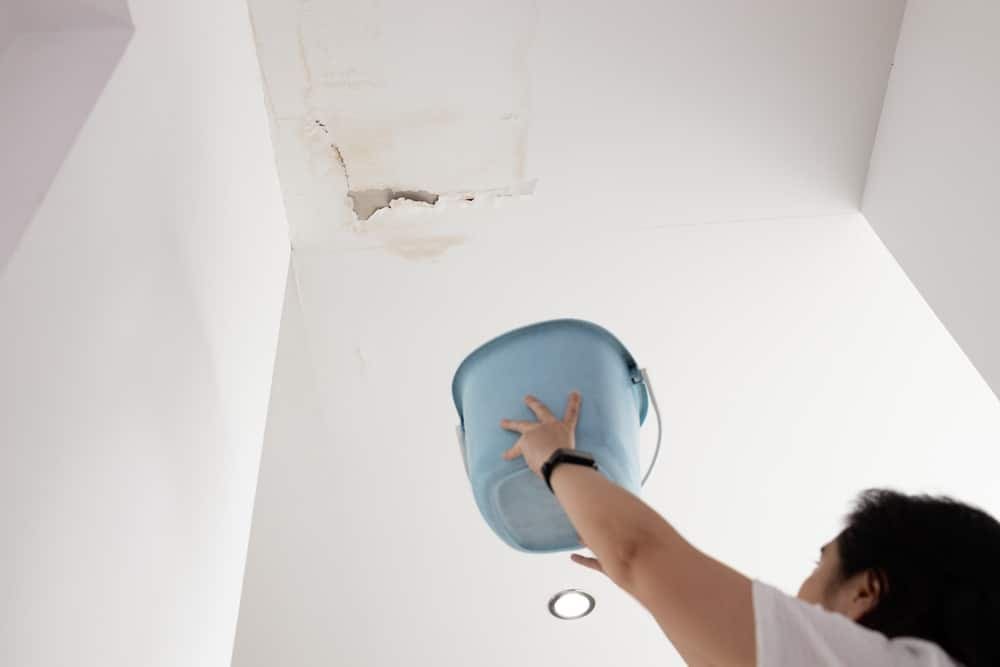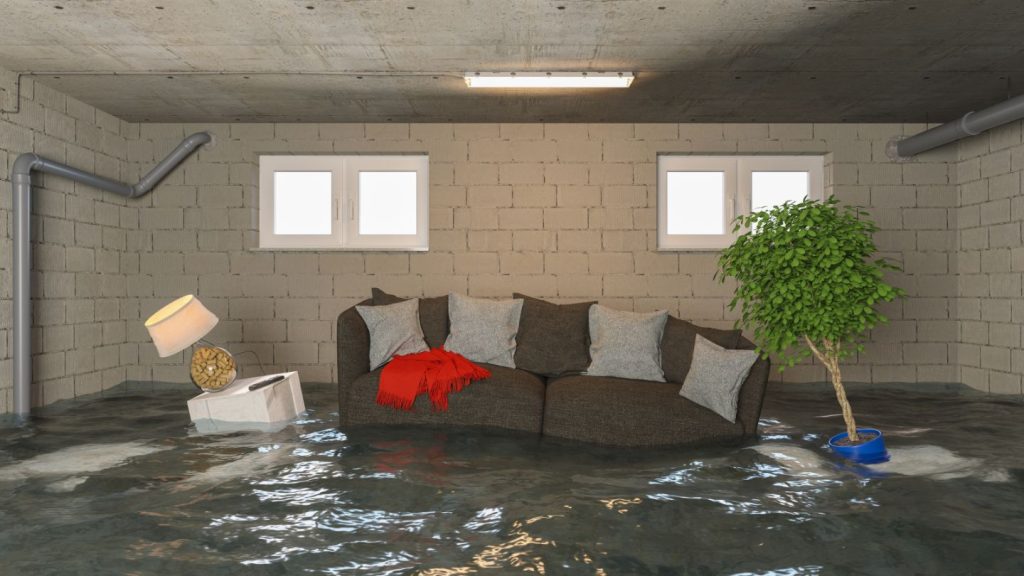
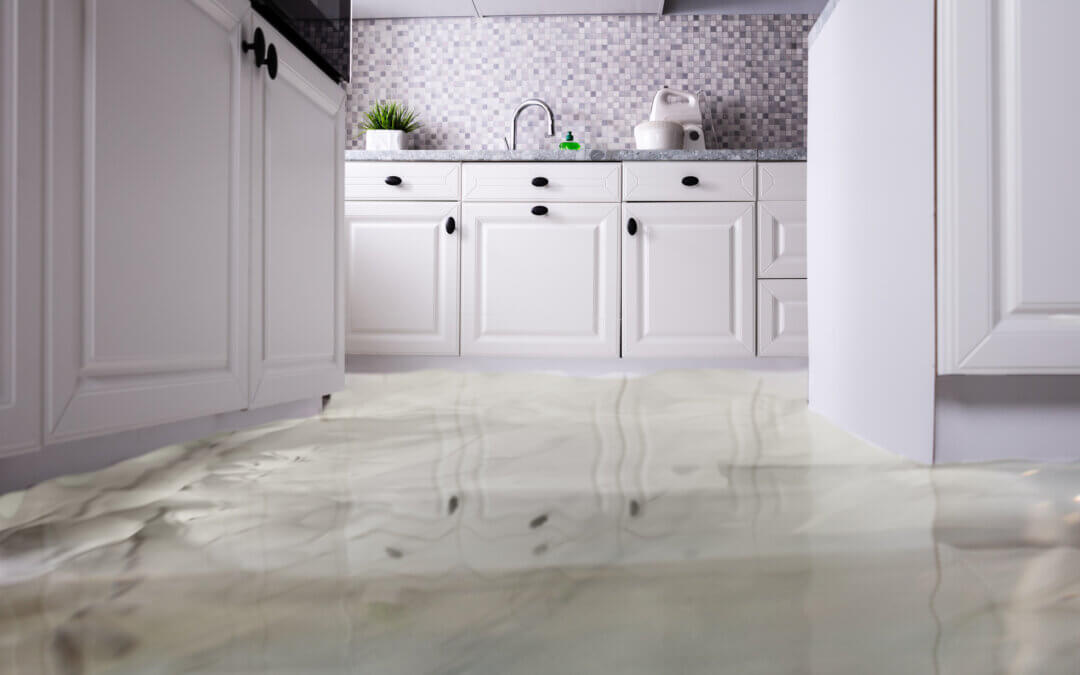
Water damage is one of the most costly and disruptive problems homeowners can face. Whether caused by heavy rainfall, plumbing leaks, or flooding, moisture can quickly compromise the structure and comfort of your living space. One of the most effective ways to defend your property is by choosing waterproof insulation that resists water intrusion and helps maintain a healthy indoor environment.
Understanding which insulation materials offer the best moisture resistance and how to select the right products for your climate and home design is essential. In this guide, we’ll break down the benefits of waterproof insulation, compare popular options, and provide practical tips for installation and maintenance. For those interested in related home care topics, you might also find value in our article on how to store a cast iron press long term.
Why Moisture-Resistant Insulation Matters
Traditional insulation materials like fiberglass and cellulose are vulnerable to water. When these materials get wet, they lose their insulating properties, become breeding grounds for mold, and may require costly replacement. By contrast, waterproof insulation is designed to repel moisture, maintain its R-value, and protect your home’s structure from long-term damage.
Some of the key benefits of using water-repellent insulation include:
- Preventing mold and mildew growth that can impact indoor air quality
- Maintaining effective thermal performance even in damp conditions
- Reducing the risk of rot and structural deterioration in walls, floors, and ceilings
- Lowering maintenance costs and extending the lifespan of your home
Types of Waterproof Insulation Materials
When selecting moisture-resistant insulation, it’s important to understand the strengths and limitations of each material. Here are some of the most popular options for homeowners:
Closed-Cell Spray Foam
Closed-cell spray foam is a top choice for areas prone to water exposure. Its dense, rigid structure forms an effective barrier against both air and water. This insulation is ideal for basements, crawl spaces, rim joists, and exterior walls. It also provides excellent thermal resistance and can help seal small cracks and gaps where moisture might enter.
Rigid Foam Board (XPS and Polyiso)
Extruded polystyrene (XPS) and polyisocyanurate (polyiso) boards are commonly used in below-grade applications, such as foundation walls and under slab floors. These boards are highly resistant to water absorption and retain their insulating properties even when exposed to damp conditions. They are easy to cut and install, making them a practical solution for DIY projects.
Mineral Wool (Rock Wool)
While not completely waterproof, mineral wool is naturally hydrophobic, meaning it repels water rather than absorbing it. This makes it a good option for areas where occasional moisture exposure is expected, such as attics and exterior wall cavities. Mineral wool also offers excellent fire resistance and soundproofing benefits.

Key Considerations When Selecting Water-Resistant Insulation
Not all insulation products are created equal. To make the best decision for your home, consider the following factors:
- Location and climate: Homes in flood-prone or humid regions require more robust moisture protection than those in dry climates.
- Application area: Basements, crawl spaces, and exterior walls are most vulnerable to water intrusion and benefit most from waterproof materials.
- R-value requirements: Ensure the insulation meets or exceeds local building codes for thermal performance.
- Installation method: Some products are better suited for professional installation, while others are DIY-friendly.
- Budget: While waterproof insulation may cost more upfront, it can save money in the long run by preventing costly repairs.
For more detailed advice on protecting your property from water damage, you can refer to this comprehensive guide to safeguarding your home’s interior from water damage.
Installation Tips for Maximum Protection
Proper installation is just as important as material selection when it comes to moisture defense. Here are some best practices:
- Seal all gaps and cracks in the building envelope before installing insulation to prevent water ingress.
- Use vapor barriers or waterproof membranes in conjunction with insulation, especially in below-grade or high-humidity areas.
- Ensure that insulation is installed snugly, with no gaps or compression that could allow moisture to bypass the barrier.
- Inspect and maintain gutters, downspouts, and exterior drainage to direct water away from the foundation.
- Regularly check for signs of leaks or condensation, and address issues promptly to prevent damage.
Maintaining Your Home’s Moisture Defense
Even the best insulation can be compromised if water is allowed to enter your home unchecked. Regular maintenance is key to preserving the effectiveness of your moisture barriers:
- Inspect insulation in vulnerable areas at least once a year for signs of dampness or mold.
- Address plumbing leaks, roof damage, and exterior cracks immediately.
- Consider installing leak detection devices to catch problems early. Products like pipe and toilet leak detectors can provide peace of mind and help prevent costly repairs.
Staying proactive with inspections and repairs will help you get the most out of your investment in waterproof insulation and keep your living environment safe and comfortable.
Frequently Asked Questions
What is the difference between water-resistant and waterproof insulation?
Water-resistant insulation can repel or shed water to some extent but may eventually absorb moisture if exposed for long periods. Waterproof insulation, on the other hand, is designed to completely block water penetration, making it ideal for areas with frequent or severe moisture exposure.
Can I install waterproof insulation myself?
Some types, such as rigid foam boards, are suitable for DIY installation if you follow manufacturer guidelines. However, products like closed-cell spray foam typically require professional application to ensure proper coverage and safety.
How do I know if my current insulation needs to be replaced?
If you notice signs of water damage, such as mold, mildew, sagging, or a musty odor, your insulation may be compromised. Wet or deteriorated insulation should be removed and replaced with a moisture-resistant alternative to restore protection and indoor air quality.
Conclusion
Investing in the right insulation is a smart way to protect your home from the costly effects of water damage. By understanding the available materials, considering your property’s unique needs, and following best practices for installation and maintenance, you can create a durable barrier against moisture and enjoy lasting peace of mind. For additional home care insights, explore our resources on topics such as how to use a tortilla press for thin crust and more.