
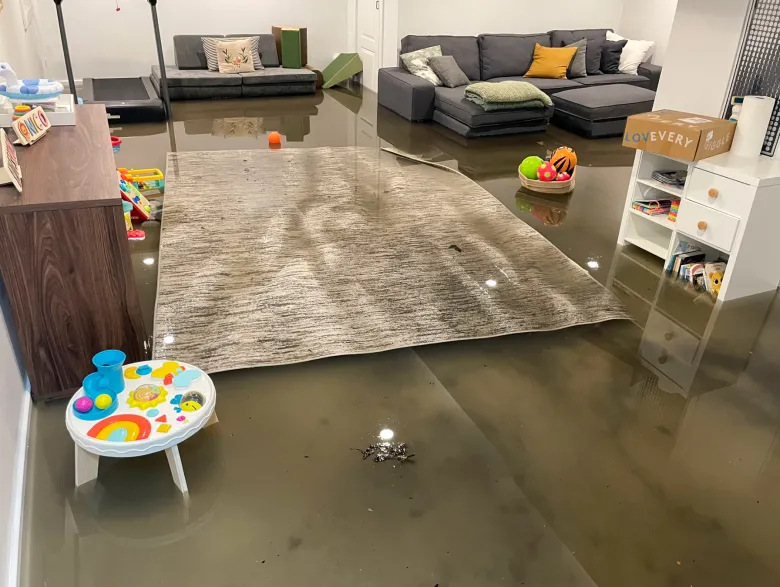
Floods can strike with little warning, causing significant disruption and danger to households. Having a family flood emergency plan in place is essential for keeping everyone safe and minimizing damage. This guide will walk you through the key steps to prepare your home and loved ones for flood events, ensuring your family is ready to respond quickly and effectively.
Preparation is more than just stocking up on supplies. It involves understanding your flood risk, setting up communication strategies, and knowing exactly what to do before, during, and after a flood. By taking the time to develop a comprehensive approach, you can protect your family and property from the unpredictable nature of flooding.
For those interested in culinary projects, you might also find our how to press tortillas for gorditas de azucar guide helpful for family cooking activities during less stressful times.
Understanding Flood Risks in Your Area
The first step in preparing for a flood is to assess how likely it is to occur where you live. Check local flood maps and consult your city or county’s emergency management office. Knowing whether your home is in a high-risk zone will help you determine the level of preparedness needed.
- Contact your local authorities for floodplain information.
- Sign up for community alerts and weather notifications.
- Review historical data on flooding in your neighborhood.
Understanding your risk allows you to tailor your flood emergency plan to your family’s specific needs and vulnerabilities.
Building a Family Communication Strategy
During a flood, communication can become challenging. Establishing a clear plan ensures everyone knows how to stay in touch and where to meet if separated. Consider the following steps:
- Designate an out-of-town contact person as a central point for updates.
- Ensure all family members have important phone numbers written down and saved in their phones.
- Choose a primary and secondary meeting location in case evacuation is necessary.
- Discuss and practice your communication plan regularly.
Having a reliable way to connect with loved ones is a cornerstone of any effective family flood emergency plan.
Preparing Your Home for Flooding
Protecting your property is just as important as safeguarding your family. Simple steps can reduce the impact of water damage and make recovery easier.
- Move valuable items and important documents to higher ground or waterproof containers.
- Install sump pumps and check that drains are clear.
- Seal basement walls and use sandbags to divert water away from your foundation.
- Consider purchasing flood insurance if you live in a risk-prone area.
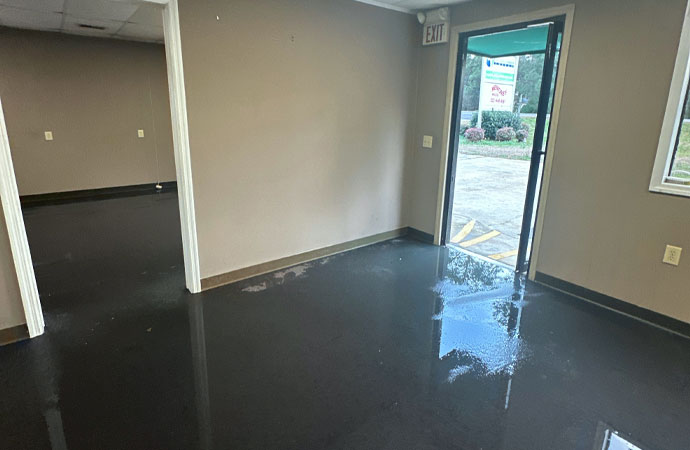
Investing in devices like water leak detectors can provide early warnings, giving you precious time to act before flooding worsens.
Creating an Emergency Supply Kit
Assembling a well-stocked emergency kit is a fundamental part of flood preparedness. Your kit should be easy to grab and contain essentials for at least 72 hours. Include:
- Non-perishable food and bottled water (one gallon per person per day)
- Flashlights, batteries, and a battery-powered radio
- First-aid supplies and necessary medications
- Personal hygiene items and face masks
- Copies of important documents (IDs, insurance, medical records)
- Cash in small denominations
- Chargers for phones and backup power banks
Store your kit in a waterproof container and make sure every family member knows where it is kept.
Evacuation Planning and Safe Routes
Knowing when and how to evacuate is vital. Identify multiple evacuation routes from your home, as some roads may be blocked by rising water. Practice these routes with your family and keep your vehicle’s gas tank at least half full during flood season.
Plan for pets as well, arranging for carriers and supplies. If you have elderly or disabled family members, discuss transportation and assistance in advance.
Stay informed by monitoring local news and weather updates. If authorities issue an evacuation order, leave immediately and follow recommended routes.
Practicing and Reviewing Your Plan Regularly
Preparation is only effective if everyone remembers what to do. Schedule regular drills to practice your family flood emergency plan with all household members. Review your emergency kit and update it as needed, especially after any changes in your family’s needs or local flood risks.
Keep your plan flexible. After each drill or real event, discuss what worked and what could be improved. This ongoing process ensures your family remains ready for any situation.
Staying Informed and Learning More
Flood preparedness is an ongoing effort. For more detailed advice on protecting your home, visit this comprehensive guide to home flood preparedness. Staying updated with the latest recommendations from local authorities and emergency services is crucial for adapting your plan as conditions change.
Frequently Asked Questions
What should I include in my family’s flood emergency kit?
Your kit should have enough food and water for at least three days, a flashlight, batteries, first-aid supplies, important documents, cash, hygiene items, and necessary medications. Don’t forget pet supplies if you have animals.
How often should we review and practice our flood plan?
It’s best to review your plan at least once a year and after any significant changes in your family or local flood risks. Practice drills every six months to ensure everyone remembers their roles.
What steps can I take to protect my home from flood damage?
Move valuables to higher ground, install sump pumps, seal basement walls, and keep drains clear. Sandbags can help divert water, and investing in water leak detectors provides early warnings. Consider flood insurance if you live in a high-risk area.
By following these steps and maintaining a proactive approach, your family will be better equipped to handle flooding events safely and confidently.




