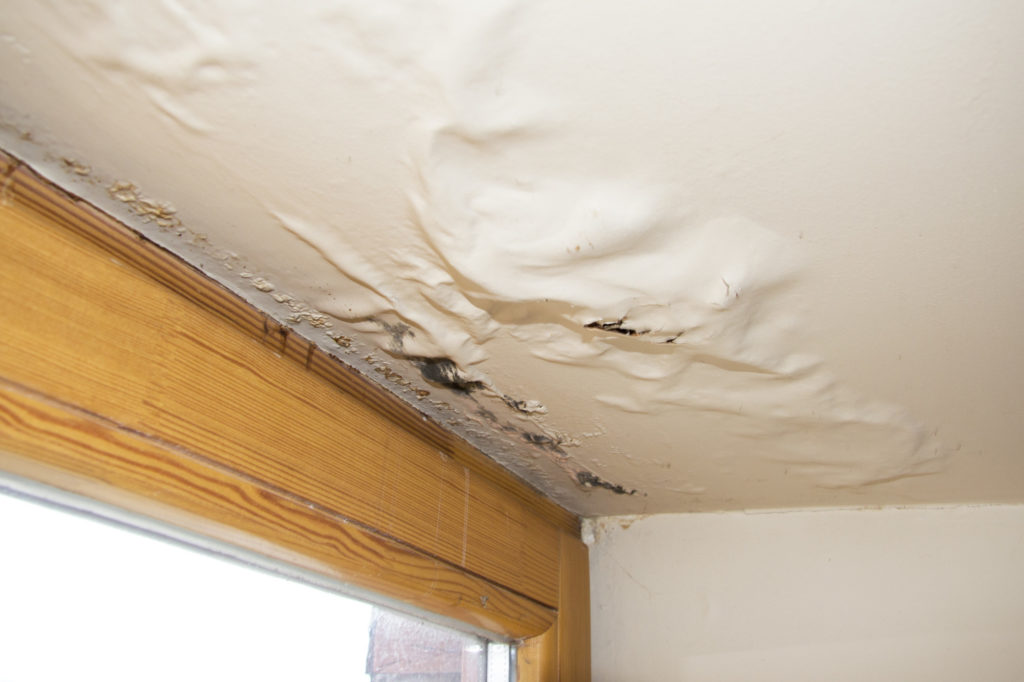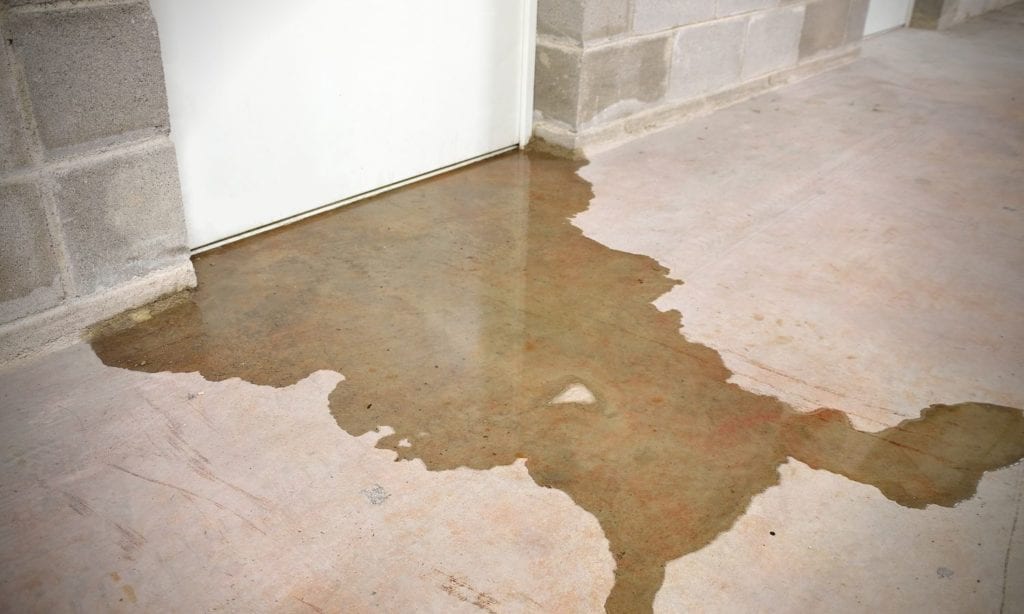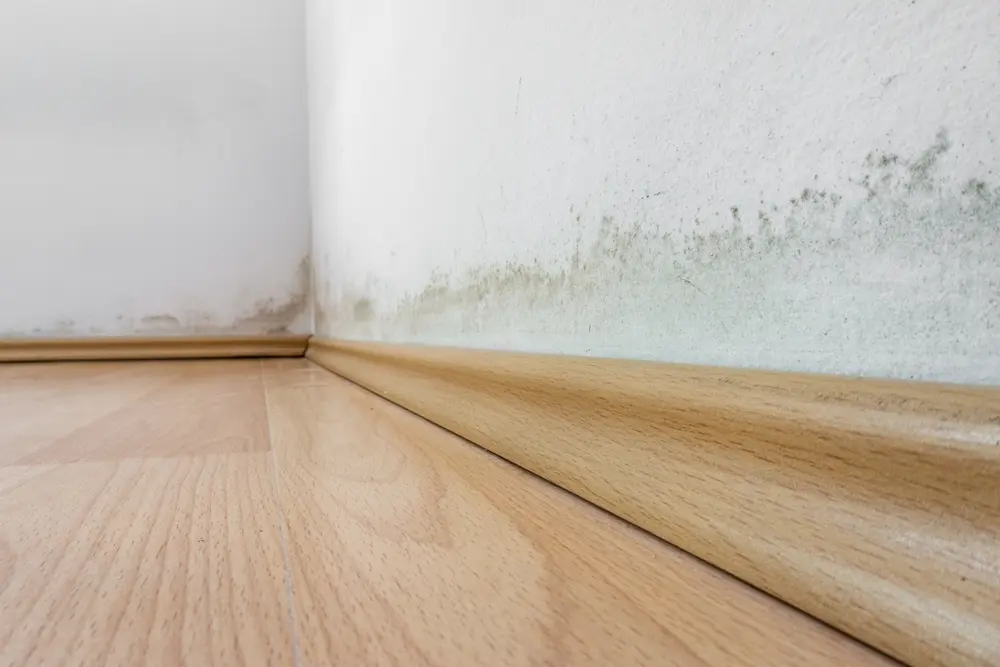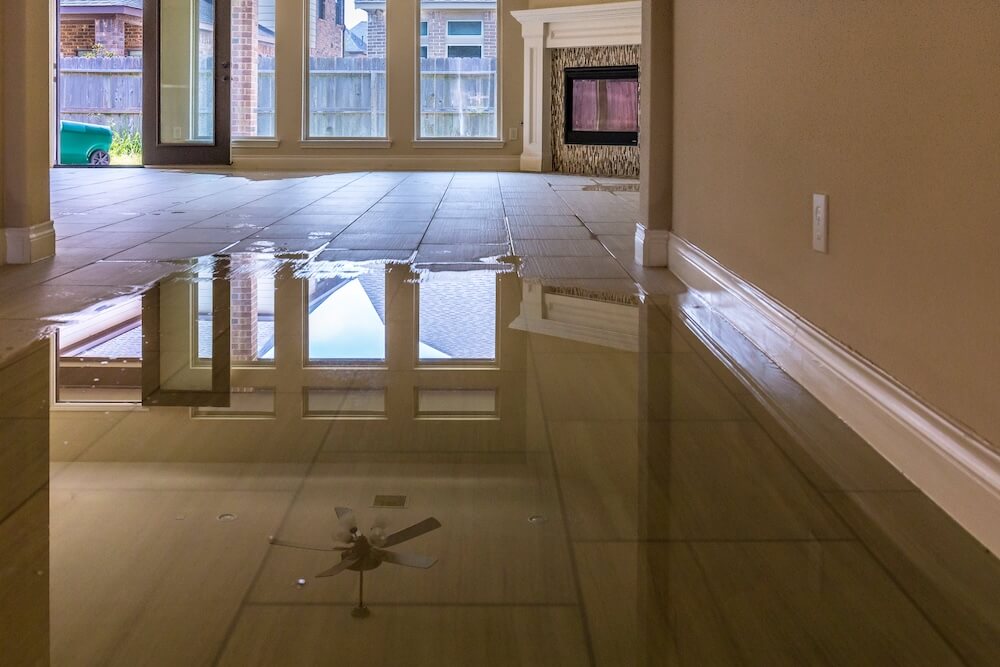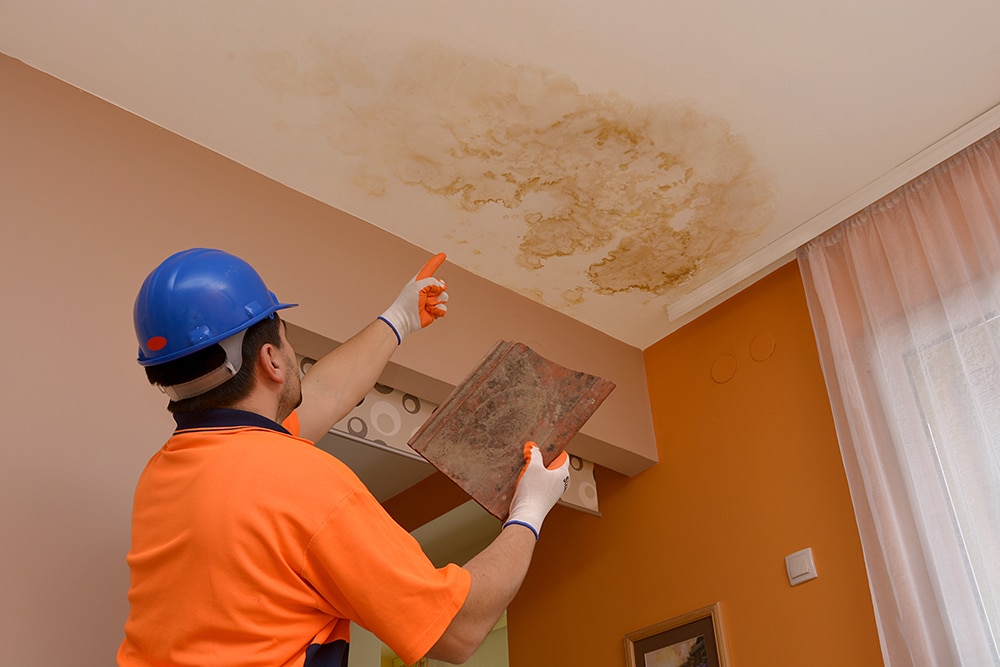
Water damage is one of the most common and costly problems homeowners and property managers face. Early detection is crucial for preventing expensive repairs, mold growth, and structural issues. Installing water leak sensors in strategic areas can help you catch leaks before they escalate. This guide explores the best locations to place water leak sensors for maximum protection, practical installation tips, and answers to frequently asked questions.
Whether you’re safeguarding a single-family home, an apartment, or a commercial property, knowing where to position leak detectors makes all the difference. Before diving into the details, it’s worth noting that smart leak sensors are just one part of a comprehensive water damage prevention strategy. For more on related home maintenance topics, you might find our article on how to press tortillas for gorditas de azucar an interesting read, especially if you’re interested in kitchen upgrades and care.
Why Placement Matters for Leak Detectors
Choosing the right spots for your leak sensors is just as important as the technology itself. Water tends to pool and travel along the path of least resistance, often collecting in hidden or low-lying areas. Placing sensors in high-risk zones ensures you’re alerted to leaks as soon as they start, minimizing potential damage.
Let’s explore the most effective locations for water leak sensors in homes and businesses.
Top Areas to Install Water Leak Sensors
Below are the most vulnerable spots in a property where leaks are likely to occur. Installing sensors in these areas provides early warnings and peace of mind.
Under Sinks and Cabinets
Leaks from supply lines, drains, or faucet connections often go unnoticed under sinks. Place a sensor at the base of the cabinet, close to the pipes. This is especially important in kitchens and bathrooms, where water usage is frequent.
Near Water Heaters
Water heaters are notorious for developing leaks as they age. Position a sensor on the floor next to the heater, ensuring it’s close enough to detect even small drips. This can help prevent extensive water damage and costly replacements.
Behind Washing Machines
Washing machine hoses can burst or loosen over time. Place a leak sensor behind or beside the washer, as close as possible to the water connections. This is particularly important in laundry rooms located on upper floors, where leaks can cause damage to multiple levels.
Under Dishwashers and Refrigerators
Kitchen appliances with water lines, such as dishwashers and refrigerators with ice makers, are common sources of hidden leaks. Slide a sensor beneath or just behind these appliances to catch leaks early.
In Bathrooms: Near Toilets and Bathtubs
Toilets and bathtubs are frequent culprits for leaks, especially at the base or where supply lines connect. Place sensors close to the floor behind toilets and near the sides of bathtubs or showers. This helps detect leaks from failed seals, overflows, or plumbing issues.
Basements and Crawl Spaces
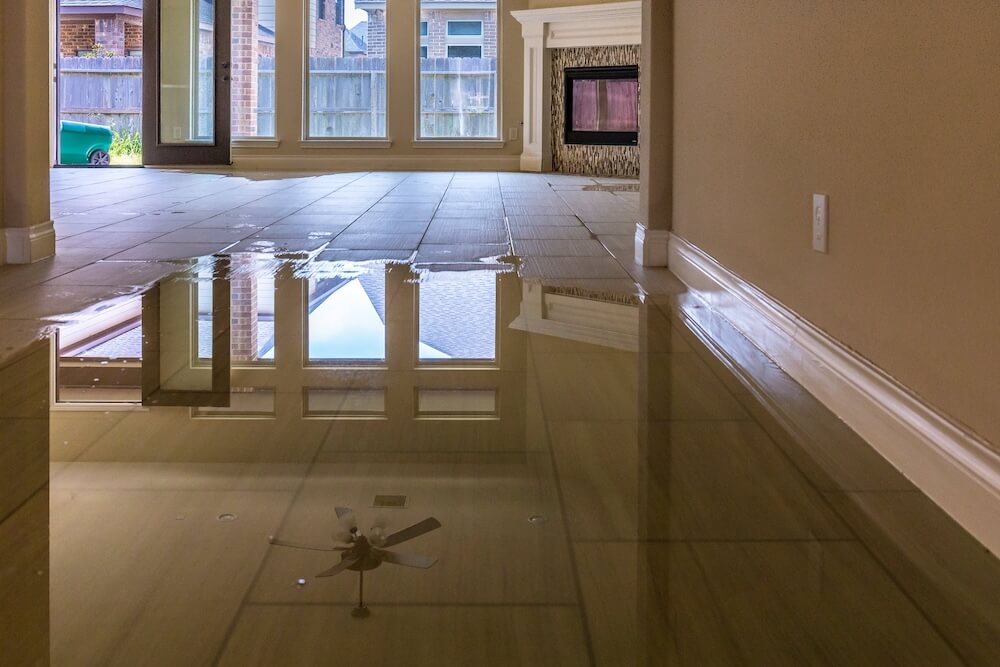
These areas are prone to flooding and seepage, especially during heavy rain or snowmelt. Place sensors on the lowest points of the floor, near sump pumps, water meters, or foundation walls. Early detection here can prevent mold and structural issues.
Attics and Ceilings Below Roofs
Roof leaks often go unnoticed until significant damage occurs. If your attic is accessible, install a sensor near areas where water could enter, such as around chimneys, vents, or skylights. For multi-story homes, consider placing sensors in ceiling cavities below roof lines.
Near HVAC Units and Condensate Pumps
Air conditioning units and condensate pumps can leak due to clogged drains or malfunctioning pumps. Place a sensor in the drip pan or on the floor beneath these units to catch leaks quickly.
Tips for Effective Sensor Placement
- Place sensors flat on the floor or surface where water would naturally collect.
- Avoid obstructions that could block water from reaching the sensor.
- Test sensors after installation to ensure they trigger an alert when exposed to water.
- Check batteries regularly and replace them as needed for wireless models.
- Consider smart sensors that connect to your phone or home automation system for instant notifications.
Additional Considerations for Commercial Properties
For offices, retail spaces, or multi-unit buildings, focus on areas with high water usage or where leaks could disrupt business operations. This includes janitorial closets, utility rooms, and areas with multiple plumbing fixtures. Regularly inspect and maintain sensors to ensure ongoing protection.
Integrating Leak Sensors with Home Maintenance
Water leak detectors are most effective when combined with routine inspections and maintenance. For example, regularly check supply lines, appliance hoses, and shutoff valves for signs of wear. For more tips on preventing water damage from fixtures and appliances, see this comprehensive guide to preventing water damage from household fixtures.
Frequently Asked Questions
How many water leak sensors do I need for my home?
The number depends on your home’s size and layout. At a minimum, install sensors in all high-risk areas: under sinks, near water heaters, behind appliances, and in basements. Larger homes or properties with multiple bathrooms and appliances may require additional units for full coverage.
Can I install leak sensors myself, or do I need a professional?
Most water leak detectors are designed for easy DIY installation. Simply place them in the recommended locations and follow the manufacturer’s instructions for setup and testing. For complex systems or integration with home automation, professional installation may be beneficial.
Do leak sensors require Wi-Fi or a smart home hub?
Some sensors operate as standalone devices with audible alarms, while others connect to Wi-Fi or a smart home hub for remote alerts. Choose the type that best fits your needs and ensure your network can support any connected devices.
Conclusion
Strategically placing water leak sensors is a proactive step toward protecting your property from costly water damage. Focus on high-risk areas such as under sinks, near appliances, and in basements or crawl spaces. Regular maintenance and testing ensure your sensors remain effective. By following these guidelines, you’ll be well-equipped to detect leaks early and minimize potential harm to your home or business.