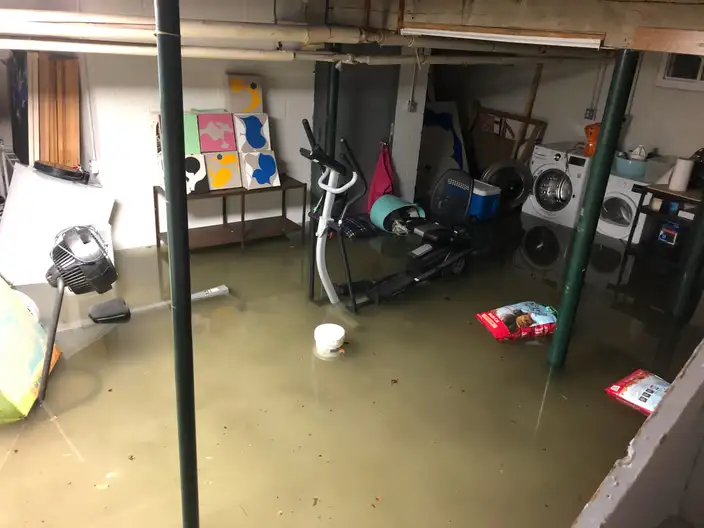
Preventing wastewater flooding is essential for protecting your home, health, and finances. When sewage or stormwater backs up into basements or living spaces, it can cause extensive property damage, unpleasant odors, and even serious health risks from contaminants. Understanding the causes, warning signs, and effective strategies to minimize the risk of wastewater intrusion is crucial for every homeowner.
Whether you live in a flood-prone area or simply want to safeguard your property, taking proactive steps can make a significant difference. From regular maintenance to installing the right devices, there are practical solutions available for every budget. For those interested in other practical home tips, you might also enjoy our guide on how to press tortillas for gorditas de azucar.
Understanding the Risks of Sewage Backups
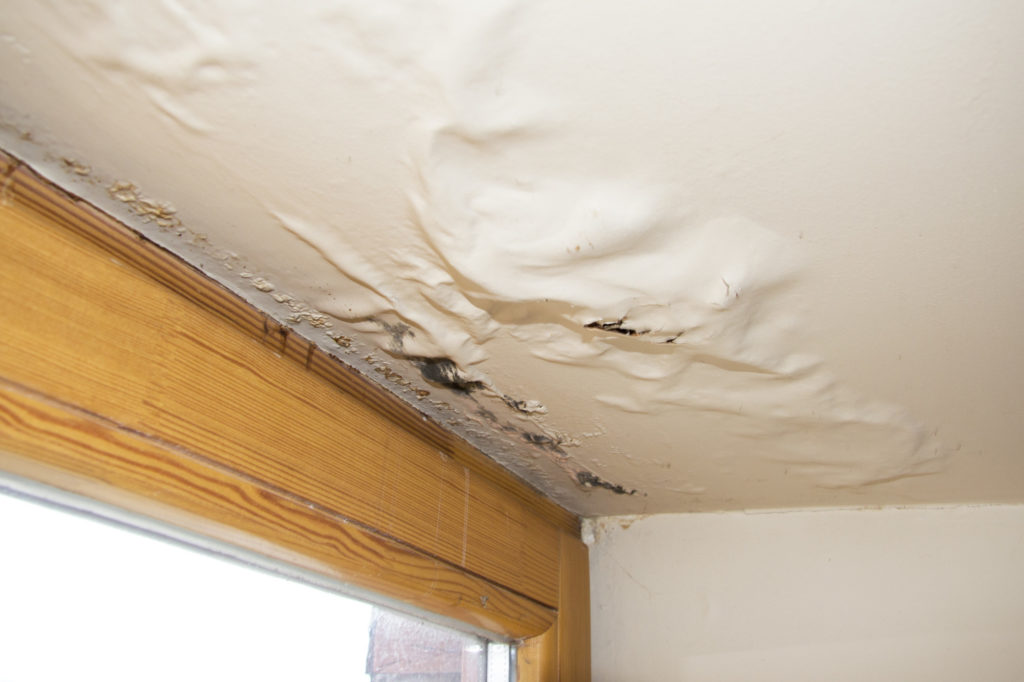
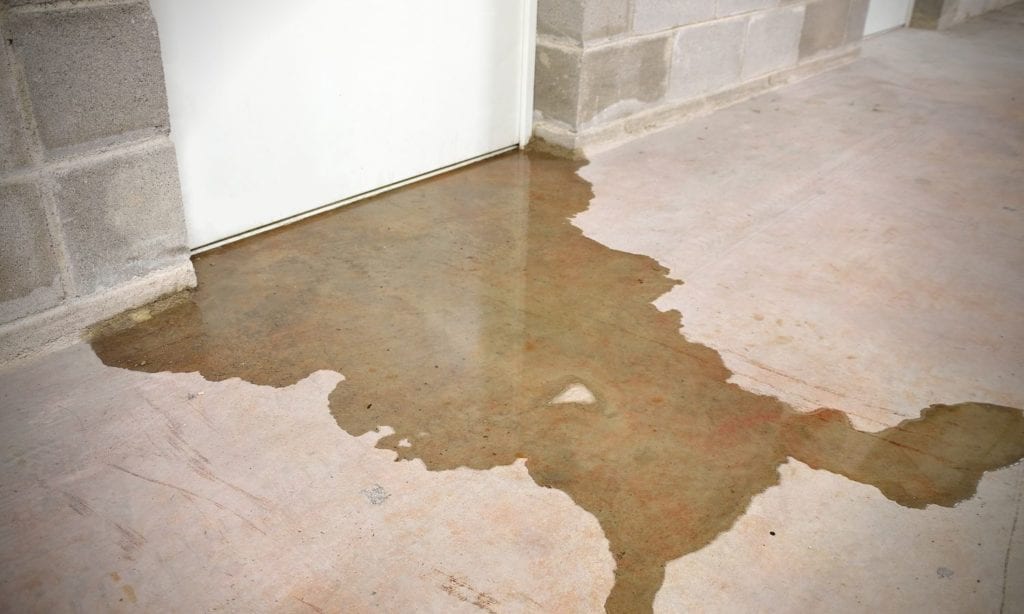
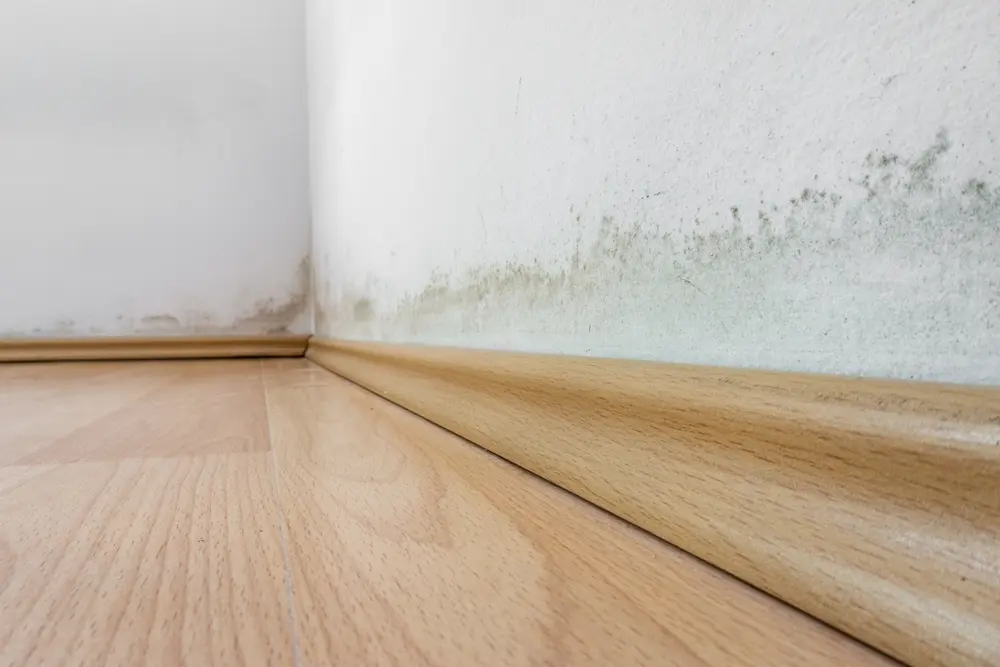
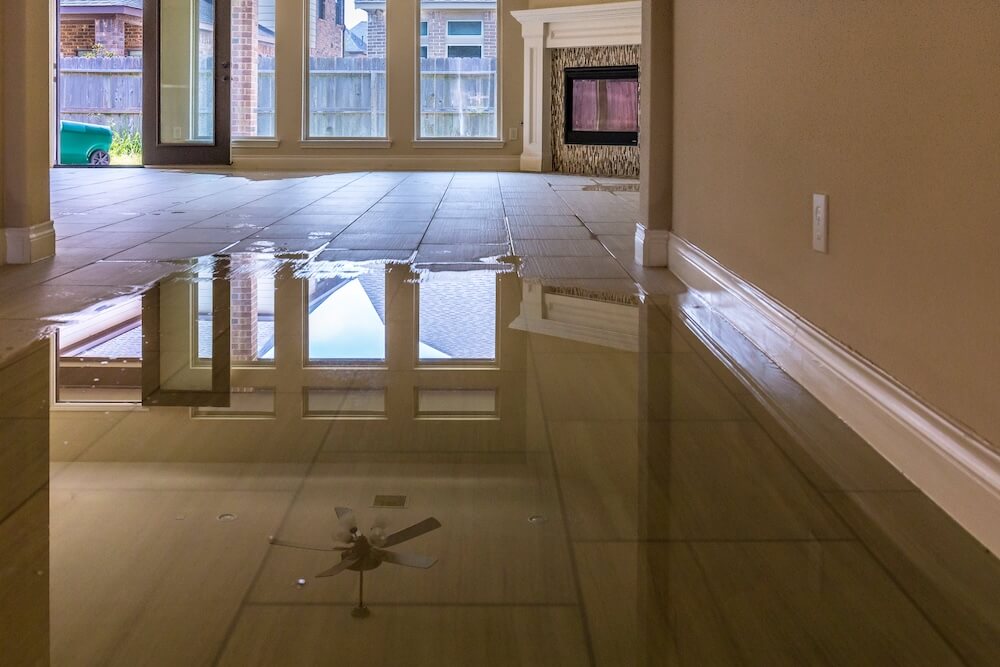
Wastewater flooding can happen for several reasons, including heavy rainfall, blocked or aging sewer lines, and sump pump failures. When the municipal sewer system becomes overwhelmed or your home’s plumbing can’t keep up, water and waste can flow back into your basement or lower levels. This type of flooding is not only damaging to your property but also poses health hazards due to bacteria and mold growth.
Common causes include:
- Clogged or collapsed sewer pipes
- Tree roots infiltrating underground lines
- Improperly installed or maintained sump pumps
- Backflow from overloaded municipal systems
- Blocked gutters and downspouts directing water toward your foundation
Recognizing these risks early is the first step in preventing wastewater flooding and keeping your home safe.
Warning Signs That Your Home Is at Risk
Early detection is key to avoiding major water damage. Be alert for these warning signs that may indicate a potential problem:
- Slow-draining sinks, tubs, or toilets
- Unusual gurgling noises from drains
- Water stains or dampness on basement walls or floors
- Persistent sewage odors indoors
- Frequent plumbing backups or overflows
If you notice any of these issues, it’s important to investigate further and address the underlying cause before a minor inconvenience turns into a costly disaster.
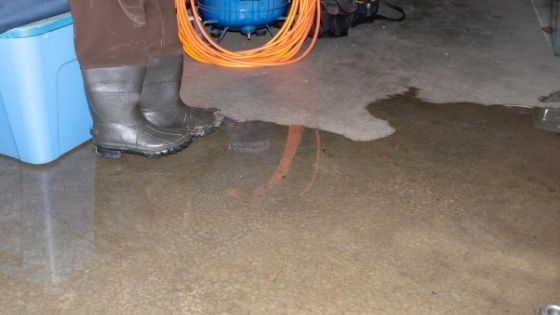
Essential Steps for Preventing Wastewater Flooding
There are several effective strategies to minimize the risk of sewage or stormwater entering your home. Here are some of the most important actions you can take:
Maintain Your Plumbing and Sewer Lines
Regular inspections and maintenance are critical. Hire a licensed plumber to check your main sewer line for blockages or root intrusion every few years. If your home is older or has a history of backups, consider a video inspection to identify hidden issues. Clearing debris and repairing damaged pipes early can prevent major problems down the line.
Install Backwater Valves and Sump Pumps
A backwater valve is a device that prevents sewage from flowing back into your home during heavy rain or sewer surges. It automatically closes if water starts to reverse direction, protecting your basement from contamination. Sump pumps, on the other hand, remove groundwater that collects around your foundation. Make sure your sump pump is properly installed, tested regularly, and has a battery backup in case of power outages.
Keep Gutters, Downspouts, and Drains Clear
Directing water away from your home is a simple but effective way to reduce flooding risk. Clean gutters and downspouts at least twice a year, and extend downspouts at least six feet from your foundation. Ensure exterior drains and window wells are free of debris and slope the soil away from your house to prevent pooling water.
Monitor for Leaks and Moisture
Early detection tools like water leak detectors can alert you to the presence of unwanted moisture before it becomes a major problem. These devices are easy to install and can provide peace of mind, especially in basements or areas with a history of water issues.
What to Do If You Experience a Sewage Backup
If wastewater does enter your home, act quickly to minimize damage and health risks:
- Turn off electricity to affected areas if safe to do so
- Avoid direct contact with contaminated water
- Remove valuables and porous materials from the flooded area
- Contact a professional restoration service for cleanup and disinfection
- Document damage for insurance claims
Prompt action can help reduce the long-term impact of a backup and speed up the recovery process.
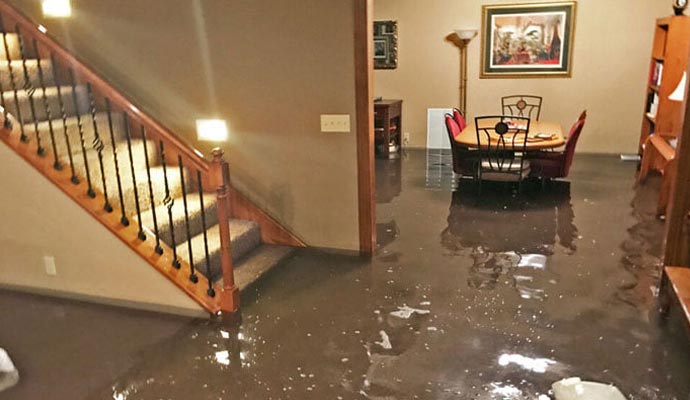
Long-Term Solutions for Homeowners
For those living in areas with frequent heavy rains or aging infrastructure, investing in long-term solutions can provide additional security. Consider these upgrades:
- Replace old clay or cast iron sewer pipes with modern PVC
- Install a comprehensive drainage system around your foundation
- Seal cracks in basement walls and floors to prevent seepage
- Upgrade landscaping to improve water runoff
- Consult with a flood mitigation specialist for tailored recommendations
These measures may require a higher upfront investment but can save significant money and stress over time by reducing the risk of future incidents.
Staying Prepared and Informed
Education and preparation are your best defenses against unexpected water damage. Review your homeowner’s insurance policy to ensure it covers sewage backups and flooding. Keep emergency contact numbers for plumbers and restoration professionals handy. For more tips on preparing your home for flooding and severe weather, see this comprehensive flood preparedness resource.
Frequently Asked Questions
How often should I have my sewer lines inspected?
It’s recommended to have your main sewer line professionally inspected every 2–3 years, or more frequently if your home is older or has experienced previous backups. Regular inspections help catch issues like blockages or root intrusion before they lead to flooding.
What is the difference between a sump pump and a backwater valve?
A sump pump removes groundwater from around your home’s foundation, helping to prevent basement flooding from rain or rising water tables. A backwater valve, on the other hand, is designed to stop sewage from backing up into your home through the main drain during municipal system overloads.
Are water leak detectors worth installing?
Yes, water leak detectors are a cost-effective way to catch leaks and moisture buildup early. They can alert you to problems before they escalate, potentially saving you from expensive repairs and property damage.