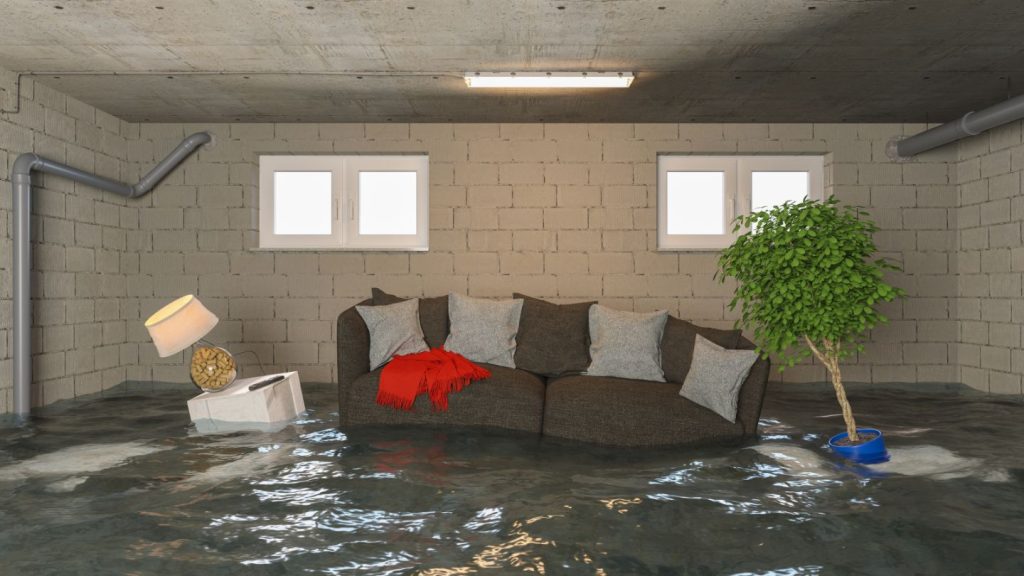
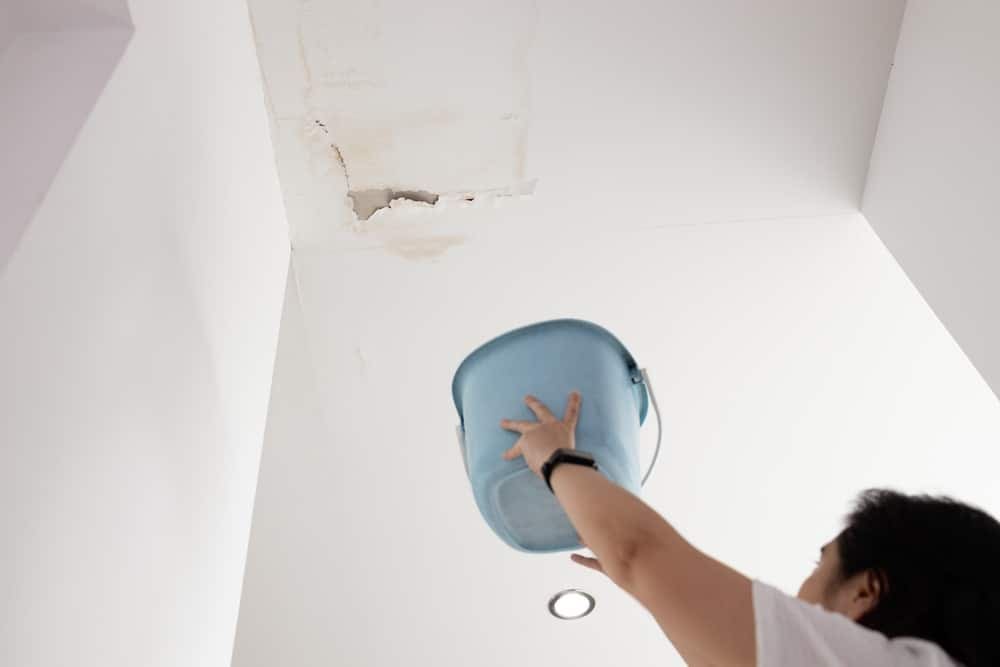
Discovering a minor water leak in your home can be unsettling, but acting quickly and methodically can help prevent further damage and costly repairs. Even a small amount of water can lead to issues like mold, warped flooring, or damaged drywall if not addressed promptly. This guide outlines the essential steps to take after you notice a minor leak, helping you protect your property and minimize disruption.
Whether the leak is under a sink, behind an appliance, or from a pipe, the right response can make all the difference. We’ll cover immediate actions, cleanup, drying, monitoring for hidden damage, and when to call in professionals. For those interested in home maintenance, you might also enjoy our article on how to press tortillas for gorditas de azucar, which explores another aspect of home care and kitchen tips.
Immediate Steps for Handling a Minor Leak
When you spot a small water leak, your first priority should be to stop the flow of water and limit the affected area. Here’s how to respond:
- Shut off the water source: If possible, turn off the valve closest to the leak. For leaks under sinks or behind toilets, look for a local shut-off valve. If you can’t find it, turn off your home’s main water supply.
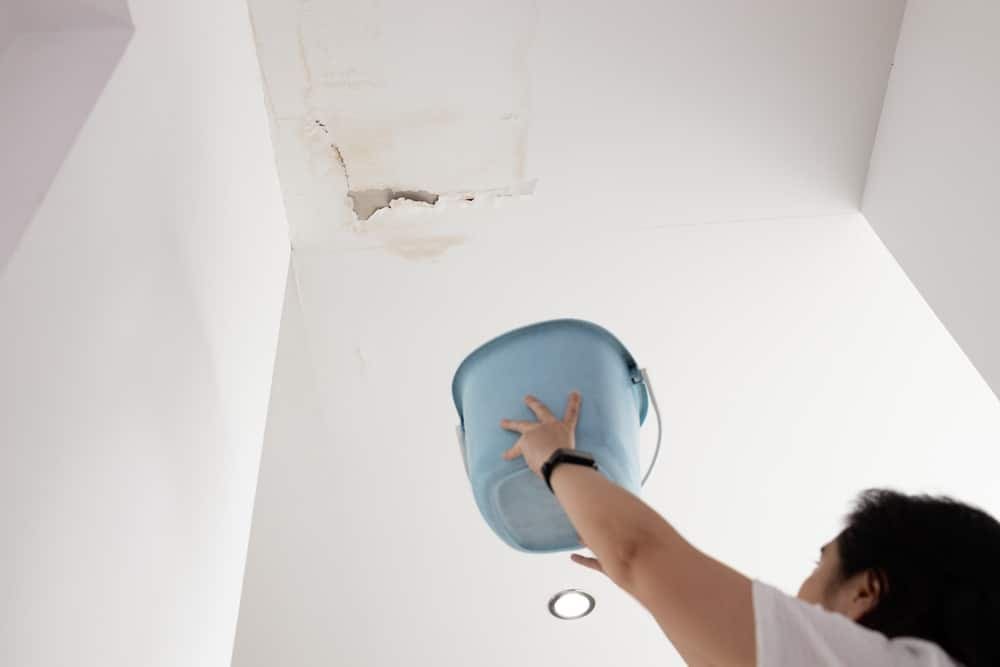
- Contain the water: Use towels, buckets, or pans to catch dripping water and prevent it from spreading to other surfaces.
- Remove nearby items: Move rugs, furniture, and electronics away from the wet area to avoid further damage.
Acting quickly can help you avoid more serious consequences, such as mold growth or structural issues. If you’re unsure about the source or severity of the leak, consider using a pipe leak detector for early warning and peace of mind.
Drying and Cleaning Up After a Leak
Once the immediate threat is under control, it’s time to focus on drying out the area and cleaning up. Proper drying is essential to prevent lingering moisture and mold.
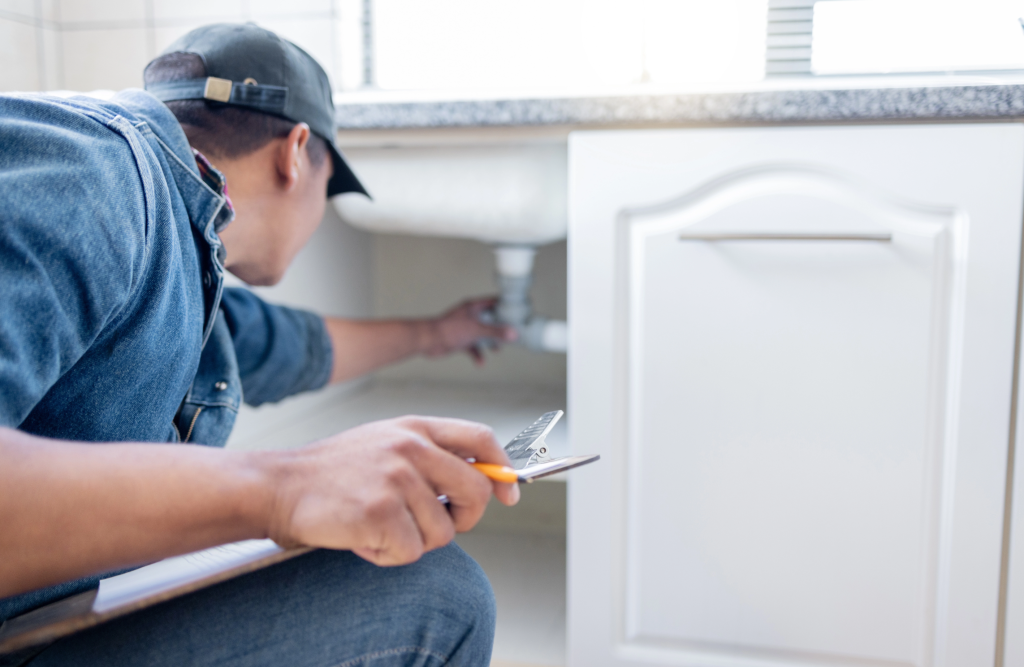
- Soak up excess water: Use absorbent towels or a wet/dry vacuum to remove standing water. Replace towels as they become saturated.
- Increase ventilation: Open windows and doors to promote airflow. Use fans or a dehumidifier to speed up drying, especially in enclosed spaces.
- Clean affected surfaces: Wipe down floors, walls, and baseboards with a mild detergent to remove dirt and bacteria. For porous materials like carpets or drywall, monitor for signs of persistent dampness.
If you notice any musty odors or discoloration after a few days, further action may be needed to address hidden moisture.
Inspecting for Hidden Water Damage
Even a minor leak can cause problems behind walls, under floors, or in cabinets. After cleaning up, inspect the area thoroughly for signs of concealed damage.
- Check for soft spots: Press gently on walls, floors, and cabinetry near the leak. Softness, warping, or bubbling paint can indicate trapped moisture.
- Look for mold or mildew: Watch for black, green, or white spots, as well as musty smells. Mold can develop within 24–48 hours in damp conditions.
- Monitor humidity: Use a moisture meter or humidity sensor to track the area’s dryness over several days.
If you find evidence of hidden water damage, it may be necessary to consult a professional. Early intervention can prevent more extensive repairs down the line.
Preventing Future Leaks and Water Issues
Taking steps to prevent leaks is just as important as addressing them when they occur. Regular maintenance and monitoring can help you avoid repeat incidents.
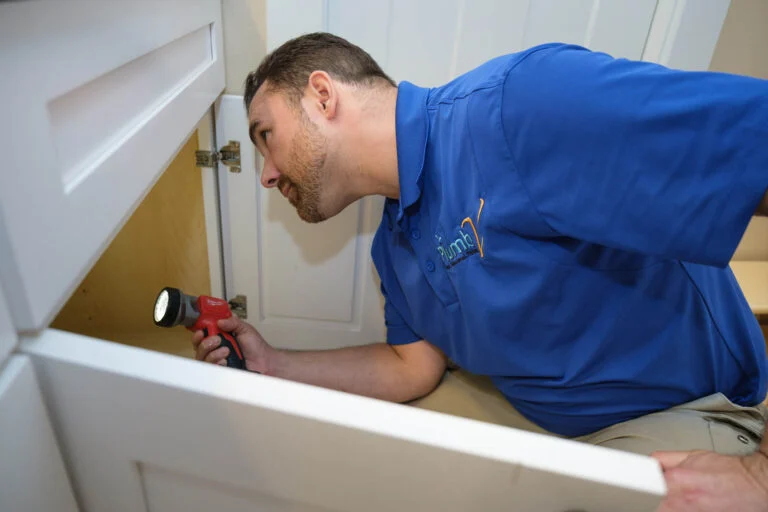
- Inspect plumbing regularly: Look for signs of corrosion, drips, or loose fittings under sinks, behind appliances, and around toilets.
- Install leak detectors: Devices placed near vulnerable fixtures can alert you to leaks before they cause major damage.
- Maintain appliances: Check hoses and connections on washing machines, dishwashers, and refrigerators for wear or leaks.
- Know your shut-off valves: Make sure everyone in your household knows where to find and how to operate water shut-off valves.
For more tips on keeping your home safe from water damage, see these best practices to protect your home while you are away.
When to Call a Professional
While many small leaks can be handled with prompt action and basic tools, there are situations where professional help is necessary:
- The leak is persistent or you cannot locate the source.
- There is visible mold, extensive water damage, or structural issues.
- Electrical outlets, wiring, or appliances have been exposed to water.
- You are unable to fully dry the area after several days.
Licensed plumbers and water damage restoration experts have the equipment and expertise to address complex leaks, hidden moisture, and potential health hazards. Acting early can save you time, money, and stress in the long run.
Monitoring After Cleanup
After you’ve dried and cleaned the area, continue to monitor for signs of trouble over the following weeks. Watch for:
- New drips or puddles forming in the same area
- Unusual odors or visible mold growth
- Changes in flooring, paint, or cabinetry
Consider investing in a smart leak detector or humidity sensor for ongoing peace of mind. These devices can provide early warnings and help you respond quickly if another issue arises.
Frequently Asked Questions
How long does it take to dry out after a minor water leak?
Drying time depends on the amount of water, the materials affected, and the ventilation in the area. Most small leaks can be dried within 24–72 hours using fans and dehumidifiers. Porous materials like carpet or drywall may take longer and should be monitored for lingering moisture.
Is it safe to use my appliances after a leak near them?
If water has come into contact with electrical outlets, cords, or appliances, do not use them until they have been inspected and deemed safe by a qualified professional. Water and electricity are a dangerous combination and can pose serious risks.
What are the signs of hidden water damage after a small leak?
Common signs include musty odors, discoloration or staining on walls and ceilings, soft or warped flooring, and the appearance of mold or mildew. If you notice any of these symptoms, further investigation may be needed to uncover hidden moisture.
Addressing a minor leak quickly and thoroughly helps protect your home and belongings. By following the steps outlined above, you can minimize damage and reduce the risk of future problems. For additional home care guides, explore our resources on topics like how to use a tortilla press for fry bread and more.