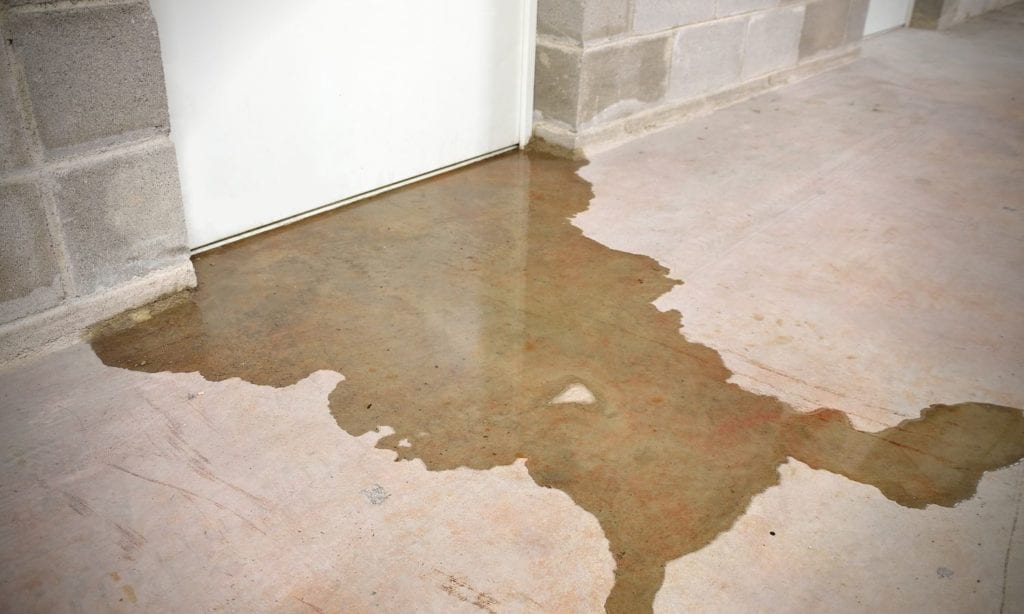
Keeping your home safe from water-related issues requires more than just reacting to leaks and floods. Establishing a water damage prevention routine is essential for protecting your property, saving money on repairs, and maintaining a healthy living environment. This guide covers practical steps every homeowner can take to minimize risks, detect problems early, and ensure long-term peace of mind.
From inspecting plumbing systems to managing outdoor drainage, a consistent approach can make all the difference. Along the way, we’ll highlight essential tools, maintenance tips, and resources to help you stay ahead of potential problems. If you’re interested in other practical home care guides, you might also find value in learning how to use a tortilla press for fry bread for your kitchen projects.
Why a Consistent Water Damage Prevention Routine Matters
Many homeowners underestimate the impact of small leaks or minor drainage issues. Over time, these problems can escalate, leading to costly repairs, mold growth, and even structural damage. A proactive approach helps you:
- Identify leaks early before they cause significant harm.
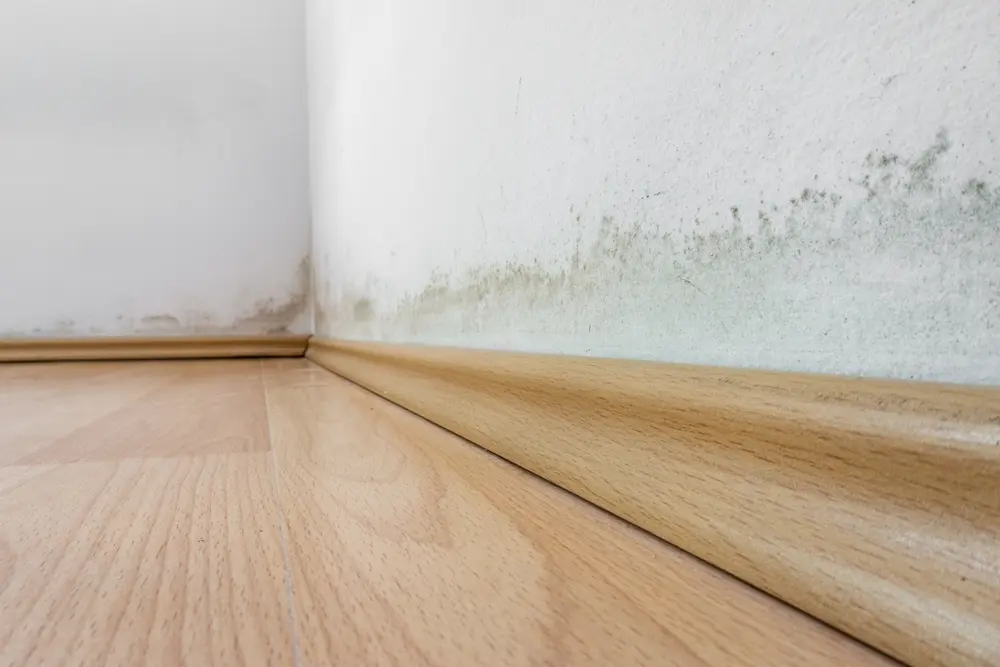
- Reduce the risk of mold and mildew, which can affect indoor air quality.
- Protect valuable possessions and the structural integrity of your home.
- Lower insurance claims and premiums by minimizing preventable incidents.
By integrating regular checks and maintenance into your household routine, you can address vulnerabilities before they become emergencies.
Key Steps for an Effective Water Damage Prevention Plan
Building a reliable routine involves a combination of inspections, maintenance, and the use of modern technology. Here are the core elements to include:
1. Inspect Plumbing Fixtures and Appliances
Check under sinks, around toilets, and behind appliances like washing machines and dishwashers. Look for signs of moisture, corrosion, or pooling water. Tighten loose connections and replace worn hoses as needed. Consider installing leak detectors for added peace of mind.
2. Maintain Gutters and Downspouts
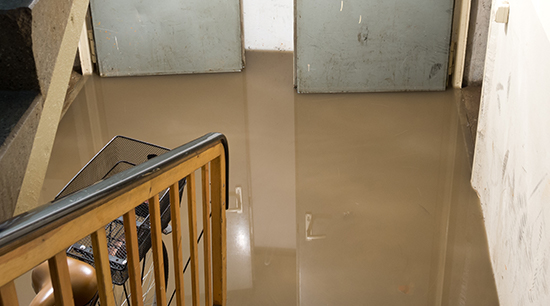
Clogged gutters can cause water to overflow and seep into your foundation or basement. Clean gutters and downspouts at least twice a year, especially after heavy storms or when leaves accumulate. Make sure downspouts direct water at least six feet away from your home’s foundation.
3. Monitor Basement and Crawl Spaces
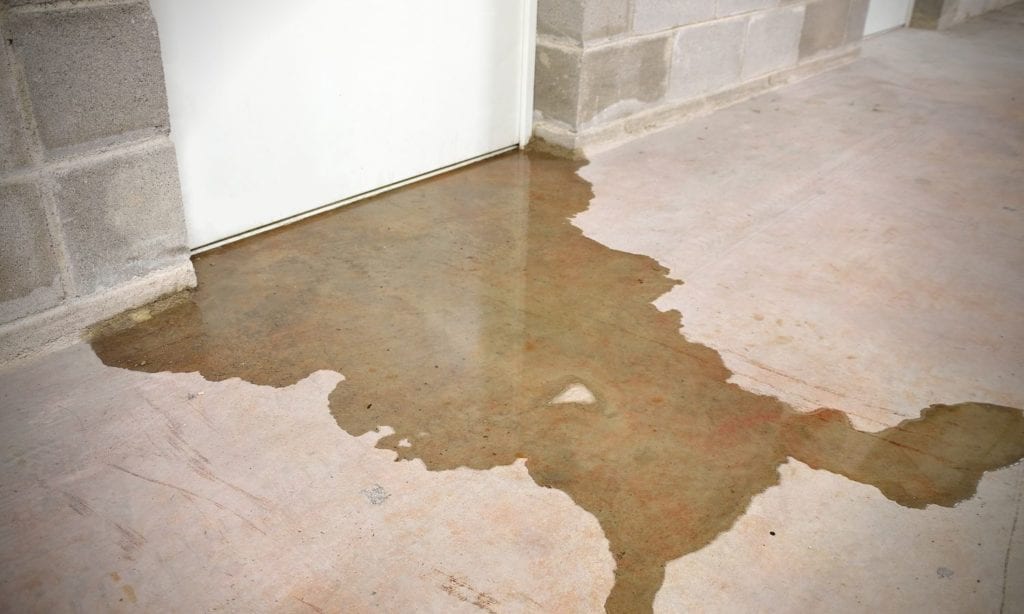
Basements and crawl spaces are particularly vulnerable to moisture intrusion. Regularly check for dampness, standing water, or musty odors. Use a dehumidifier if humidity levels are high, and inspect sump pumps to ensure they are functioning properly. Installing a backup battery for your sump pump can provide extra protection during power outages.
4. Check Roof and Exterior Walls
Inspect your roof for missing shingles, damaged flashing, or clogged vents. These issues can allow water to enter your attic and walls. Examine exterior walls for cracks or gaps, and seal them with appropriate materials to prevent seepage. Trim back trees and shrubs to reduce debris buildup and minimize the risk of branches damaging your roof during storms.
Smart Devices and Tools for Leak Detection
Modern technology offers homeowners new ways to monitor and prevent water-related disasters. Devices such as smart leak detectors, automatic shut-off valves, and water sensors can alert you to problems in real time. For example, a pipe leak detector can send notifications to your phone if it senses unusual moisture levels, allowing you to act quickly and avoid major damage.
To further explore the benefits of advanced mitigation tools, consider reading this comprehensive guide to water mitigation strategies for homeowners.
Seasonal Tasks for Water Damage Prevention
Adapting your routine to the changing seasons helps address unique risks throughout the year:
- Spring: Inspect for winter damage, clear gutters, and check for leaks caused by thawing.
- Summer: Monitor irrigation systems and ensure outdoor faucets are not leaking.
- Fall: Clean gutters, check sump pumps, and prepare pipes for colder weather.
- Winter: Insulate exposed pipes, keep indoor temperatures above freezing, and monitor for ice dams on the roof.
Staying proactive with these seasonal checks is a cornerstone of any effective water damage prevention routine.
What to Do If You Discover Water Damage
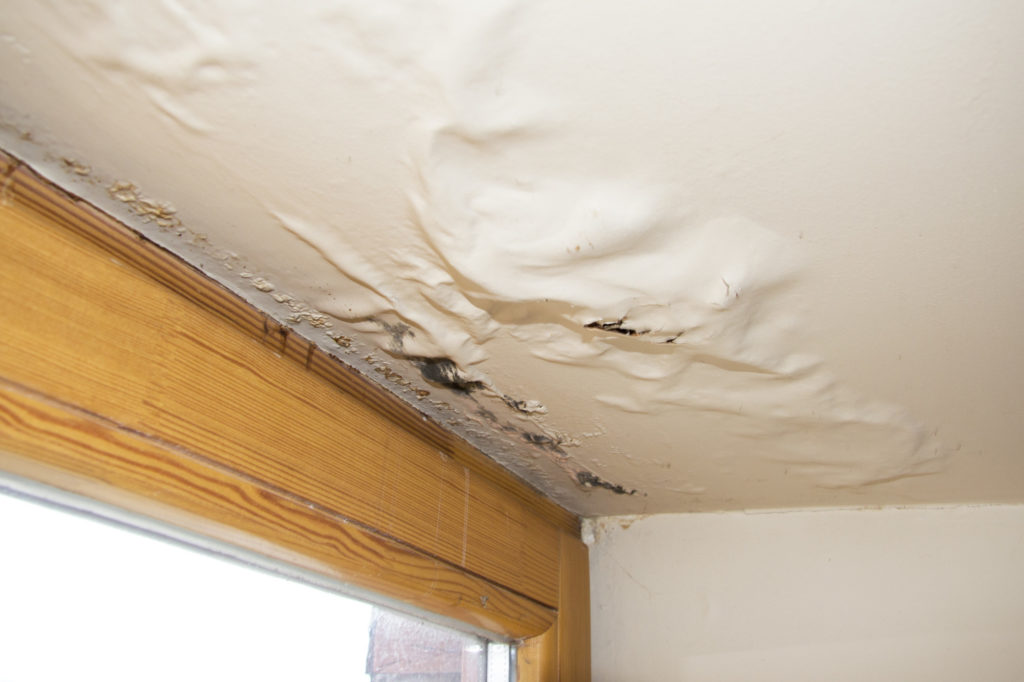
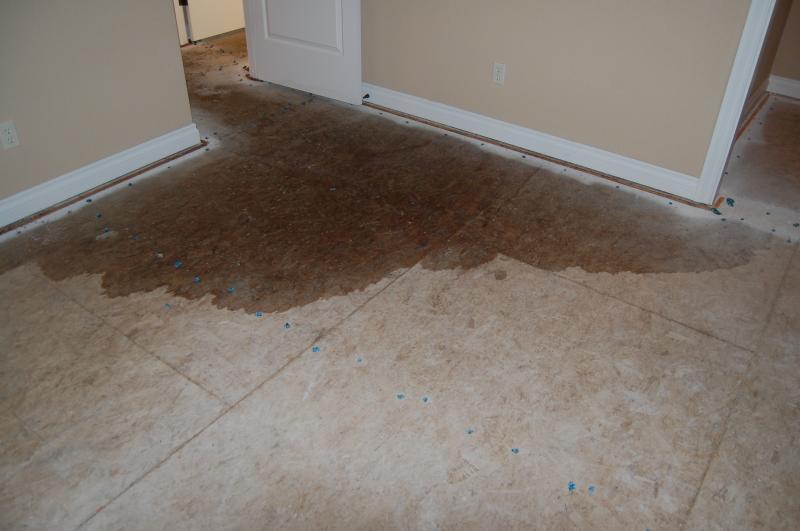
Even with the best routine, accidents can happen. If you notice signs of water intrusion—such as stains, peeling paint, or a musty smell—take immediate action:
- Identify and stop the source of water if possible.
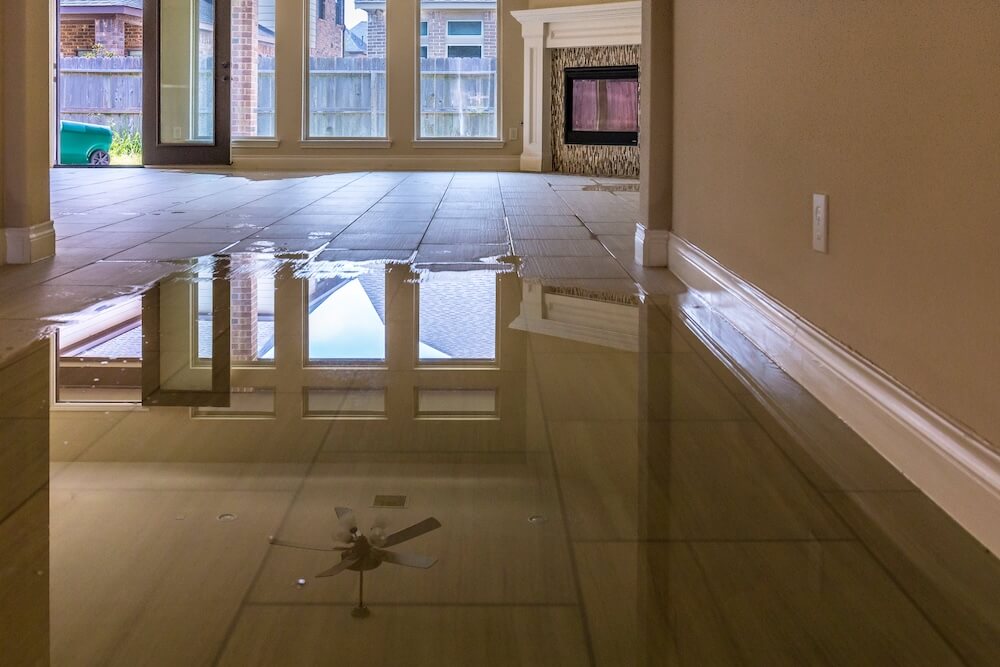
- Remove excess water using towels, mops, or a wet/dry vacuum.
- Ventilate the area and use fans or dehumidifiers to dry out affected spaces.
- Document the damage for insurance purposes.
- Contact a professional if the damage is extensive or if mold is present.
Prompt action can limit the extent of repairs and reduce health risks associated with mold and mildew.
Integrating Prevention Into Your Home Maintenance Routine
Consistency is key. Add water-related checks to your monthly and seasonal home maintenance schedules. Use reminders or checklists to ensure nothing is overlooked. Involve all household members in spotting early warning signs, such as unusual sounds, damp spots, or changes in water pressure.
For those interested in other home improvement tips, you can also learn about using a tortilla press for thin crust pizza prep to expand your kitchen skills.
Frequently Asked Questions
How often should I check for leaks in my home?
It’s recommended to inspect plumbing fixtures, appliances, and vulnerable areas like basements at least once a month. Seasonal checks are also important, especially after severe weather or temperature changes.
What are the most common causes of water damage in homes?
Common causes include burst pipes, leaking appliances, clogged gutters, poor drainage, and roof damage. Regular maintenance and early detection can prevent most of these issues from escalating.
Are smart leak detectors worth the investment?
Yes, smart leak detectors can provide early warnings and help you take action before minor leaks become major problems. They are especially useful for monitoring hard-to-reach areas or when you’re away from home.
Conclusion
Establishing a thorough water damage prevention routine is one of the most effective ways to safeguard your home and family. By combining regular inspections, seasonal maintenance, and the latest technology, you can significantly reduce the risk of costly repairs and enjoy greater peace of mind year-round.