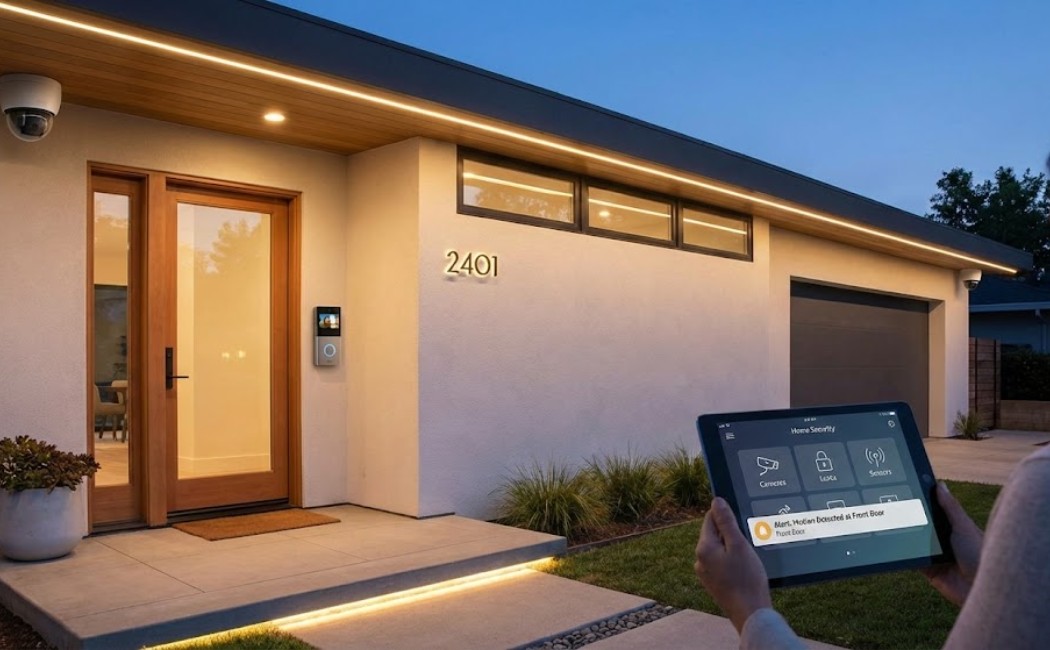
Mold is a persistent threat to homes and buildings, often developing quietly behind walls, under floors, or in damp corners. By the time visible signs appear, spores may have already spread, causing property damage and potential health issues. Early mold detection systems are designed to identify the presence of mold or the conditions that promote its growth before it becomes a major problem. These solutions are becoming increasingly important for homeowners, landlords, and facility managers who want to protect their investments and the well-being of occupants.
In this article, we’ll explore how these advanced monitoring technologies work, what features to look for, and how they fit into a broader strategy for maintaining a healthy, safe indoor environment. For those interested in comprehensive home protection, integrating mold detection with safe room planning at home can further enhance your property’s resilience.
Why Early Mold Detection Matters
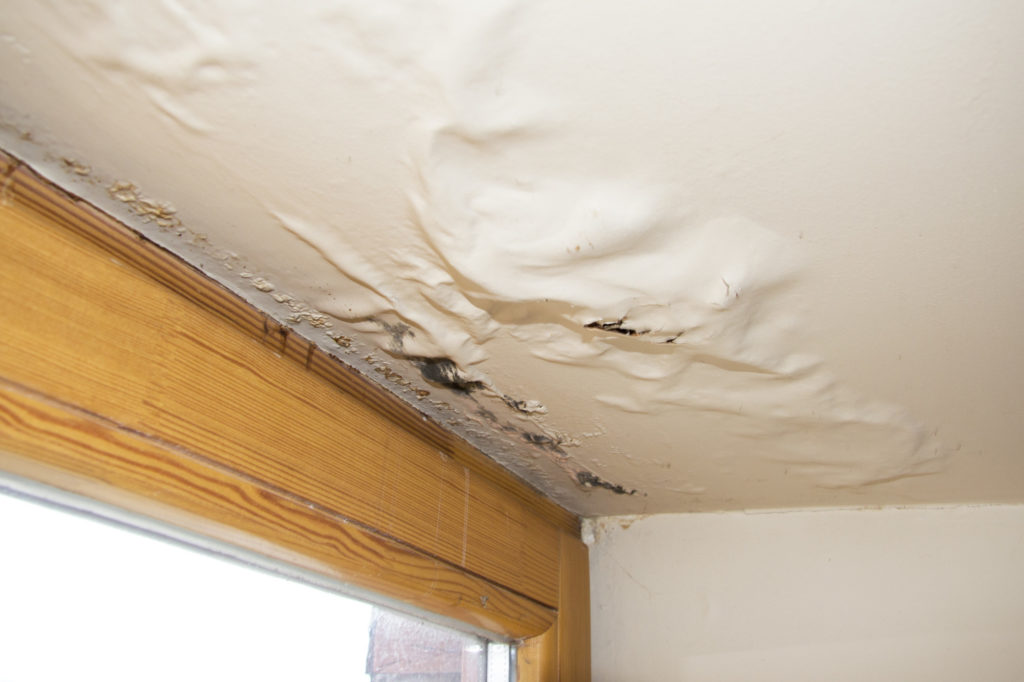
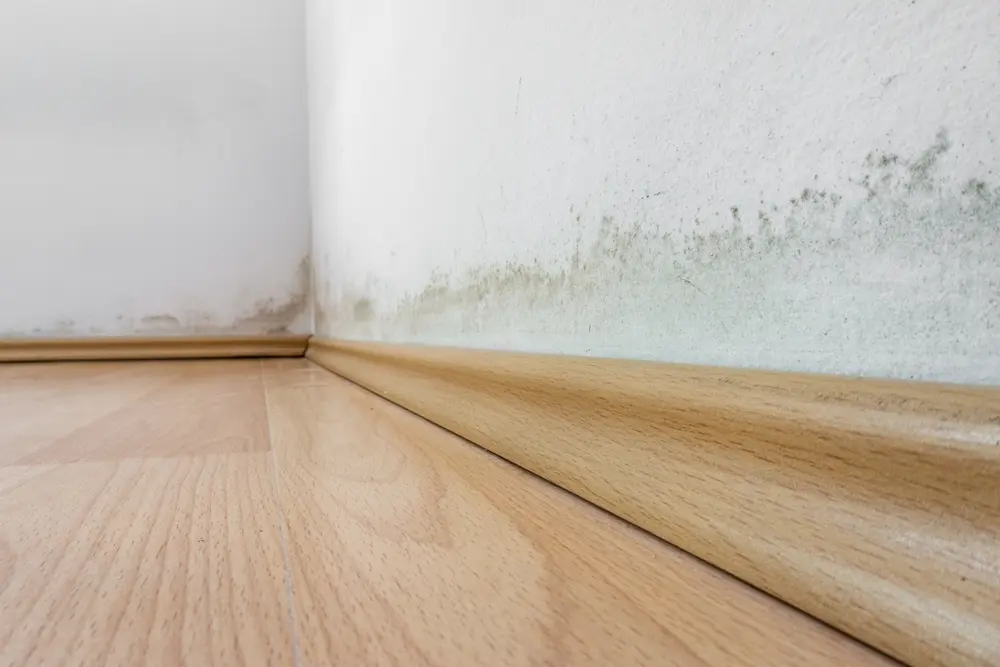
Mold can develop in as little as 24 to 48 hours in the right conditions—usually where moisture is present and ventilation is poor. The consequences of unchecked mold growth include:
- Structural damage to wood, drywall, and insulation
- Unpleasant odors and visible staining
- Increased risk of respiratory problems, allergies, and other health concerns
- Costly remediation and potential loss of property value
Traditional methods of mold detection rely on visual inspection or air quality testing after symptoms appear. In contrast, modern early mold detection systems use sensors and smart technology to identify risks before they escalate. This proactive approach can save significant time, money, and stress.
How Modern Mold Detection Technology Works
Today’s detection solutions combine environmental sensors, wireless connectivity, and intelligent software to monitor conditions that favor mold growth. The most effective systems typically track:
- Humidity levels: Mold thrives in environments with relative humidity above 60%.
- Temperature: Warm, stagnant air accelerates spore development.
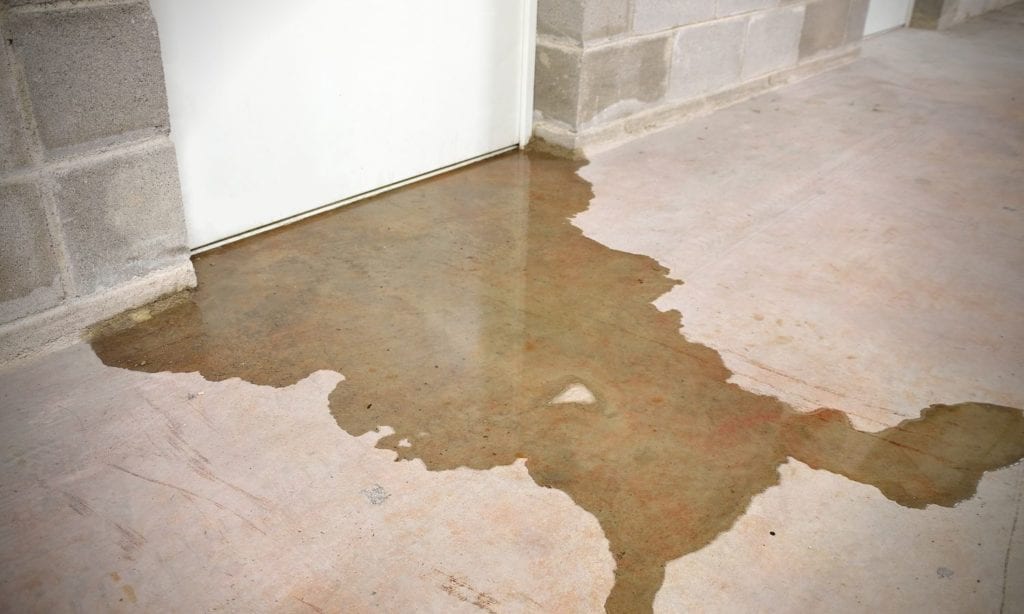
- Moisture presence: Leaks, condensation, or flooding can trigger alerts.
- Airborne particles: Some advanced monitors can detect elevated spore counts.
When these systems detect abnormal readings, they send real-time notifications to your phone or home automation hub. This allows for quick intervention—such as adjusting ventilation, fixing leaks, or calling a professional—before a minor issue becomes a major infestation.
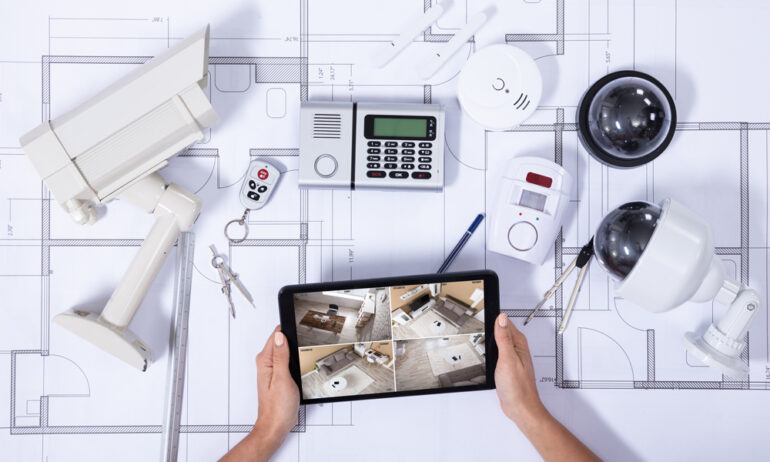
Key Features to Look for in Mold Monitoring Solutions
Not all detection products offer the same level of protection. When evaluating options for your home or business, consider these important features:
- Continuous monitoring: Round-the-clock data collection ensures you never miss a developing problem.
- Smart alerts: Look for systems that send push notifications, emails, or texts when thresholds are exceeded.
- Integration with home automation: Compatibility with smart home platforms can enable automated responses, such as activating dehumidifiers or fans.
- Data logging and reporting: Historical data helps identify patterns and recurring issues.
- Easy installation: Wireless, battery-powered sensors are ideal for hard-to-reach areas.
- Remote access: Cloud-based dashboards let you monitor conditions from anywhere.
Combining these features with regular home maintenance for safety can significantly reduce the risk of mold-related problems.
Where to Install Mold Detection Devices
Strategic placement is essential for maximum effectiveness. Focus on areas most vulnerable to moisture and poor ventilation:
- Basements and crawl spaces
- Bathrooms and laundry rooms
- Kitchens, especially under sinks and behind appliances
- Attics and storage areas
- Near water heaters, HVAC units, and sump pumps
For larger properties or multi-unit buildings, consider a network of sensors to cover all critical zones.

Integrating Mold Monitoring with Broader Home Protection
A comprehensive approach to property safety goes beyond just mold prevention. Many modern systems can be integrated with other smart home technologies, such as:
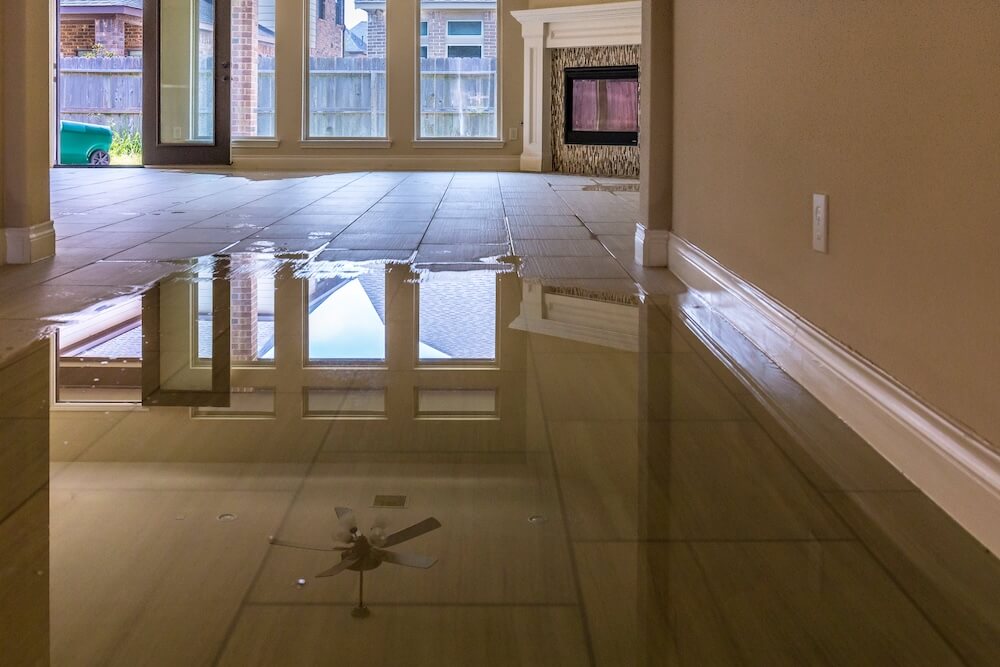
- Leak and flood sensors for water damage prevention
- Smoke and carbon monoxide detectors
- Motion sensors for home protection
- Energy monitoring for identifying abnormal appliance behavior
For example, pairing your mold detection setup with motion sensors for home protection or home flood prevention strategies can create a robust, interconnected safety net. This holistic approach not only helps you catch problems early but also streamlines your response to emergencies.
For a deeper dive into the benefits of proactive home monitoring, check out this guide to proactive home protection, which explains why prevention is always better than dealing with costly aftermaths.
Choosing the Right Early Mold Detection System for Your Needs
Selecting the best solution depends on your property type, budget, and specific concerns. Here are some tips to guide your decision:
- Assess the size and layout of your home or building to determine how many sensors you’ll need.
- Prioritize systems that offer both humidity and moisture detection for comprehensive coverage.
- Consider whether you want a standalone device or one that integrates with your existing smart home ecosystem.
- Look for products with strong customer support and clear installation instructions.
- Read reviews and compare features to ensure you’re getting reliable, accurate monitoring.
If you already have intelligent home security systems in place, adding mold monitoring can be a seamless upgrade to your overall protection strategy.
Frequently Asked Questions
How do early mold detection systems differ from traditional inspections?
Traditional inspections are typically performed after signs of mold appear or as part of scheduled maintenance. In contrast, modern detection systems use continuous monitoring and smart sensors to alert you to risks before visible growth occurs, allowing for immediate action.
Can these systems prevent mold from forming?
While no technology can guarantee complete prevention, early warning systems significantly reduce the likelihood of mold taking hold by alerting you to conditions that support its growth. Timely intervention—such as fixing leaks or improving ventilation—can stop spores before they spread.
Are smart mold detection devices difficult to install?
Most modern sensors are designed for easy installation, often requiring no tools or professional assistance. Wireless, battery-powered units can be placed in key areas and connected to your smartphone or home automation system with minimal setup.
What other steps should I take alongside mold monitoring?
Regular maintenance, prompt repair of leaks, and ensuring good ventilation are essential. Combining monitoring with routine safety checks and other smart home solutions will provide the best protection against mold and related hazards.