
Keeping your home safe has never been more convenient, thanks to the rise of home security dashboards. These centralized platforms allow you to monitor cameras, sensors, alarms, and smart devices—all from a single, intuitive interface. Whether you’re at home or away, having real-time access to your property’s status helps you respond quickly to any situation and enjoy greater peace of mind.
Modern security dashboards are designed to integrate with a wide range of smart home devices, making it easier than ever to manage everything from door locks to motion detectors. With customizable alerts, live video feeds, and detailed activity logs, these solutions put you in control of your household’s safety. If you’re interested in advanced features and the latest technology, you may also want to explore next-generation home security systems to see how today’s innovations can further enhance your protection.
What Are Home Security Dashboards?
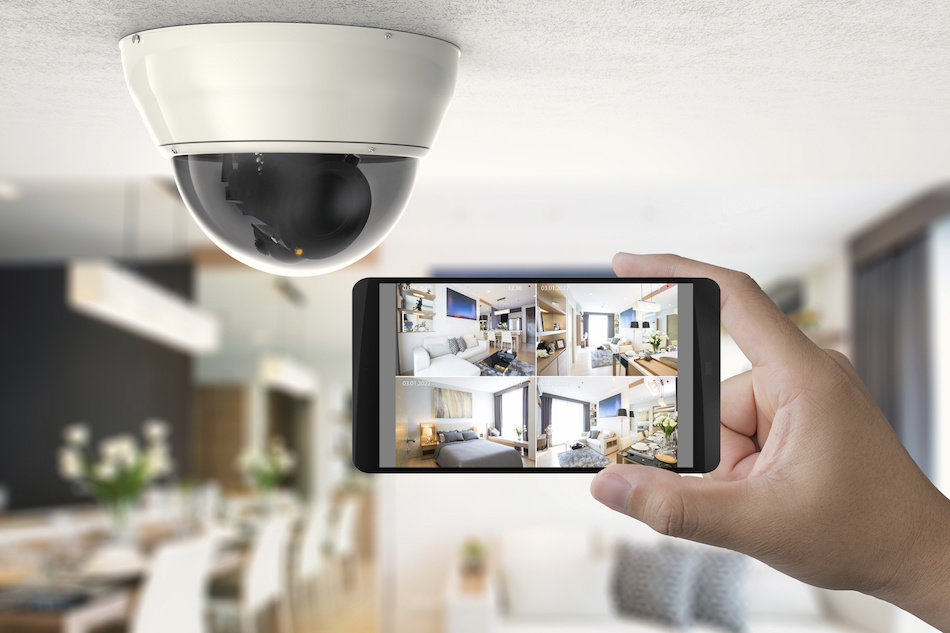
A home security dashboard is a digital control center that consolidates all your security devices and data into one easy-to-use screen. Instead of juggling multiple apps or control panels, you can view live camera feeds, arm or disarm alarms, check sensor statuses, and receive notifications—all in one place. These dashboards are often available as mobile apps, web interfaces, or dedicated touchscreen panels installed in your home.
Key features typically include:
- Real-time video streaming from security cameras
- Instant alerts for motion, door/window activity, or alarms
- Remote control of locks, lights, and other smart devices
- Activity history and event logs
- Customizable automation and scheduling
By centralizing your security controls, these dashboards simplify daily routines and help you respond to incidents faster.
Benefits of Centralized Security Monitoring
Using a unified interface for your home’s protection offers several practical advantages:
- Convenience: Manage all devices from one location, reducing app clutter and confusion.
- Faster Response: Immediate alerts and live feeds help you assess situations quickly and take action.
- Customization: Tailor notifications, automation, and device settings to fit your lifestyle and needs.
- Remote Access: Check in on your property from anywhere using your smartphone or computer.
- Comprehensive Overview: See the status of every sensor, camera, and alarm at a glance.
For families with children, elderly relatives, or valuable assets, these benefits can make a significant difference in everyday safety and peace of mind.
Key Components of a Modern Security Dashboard
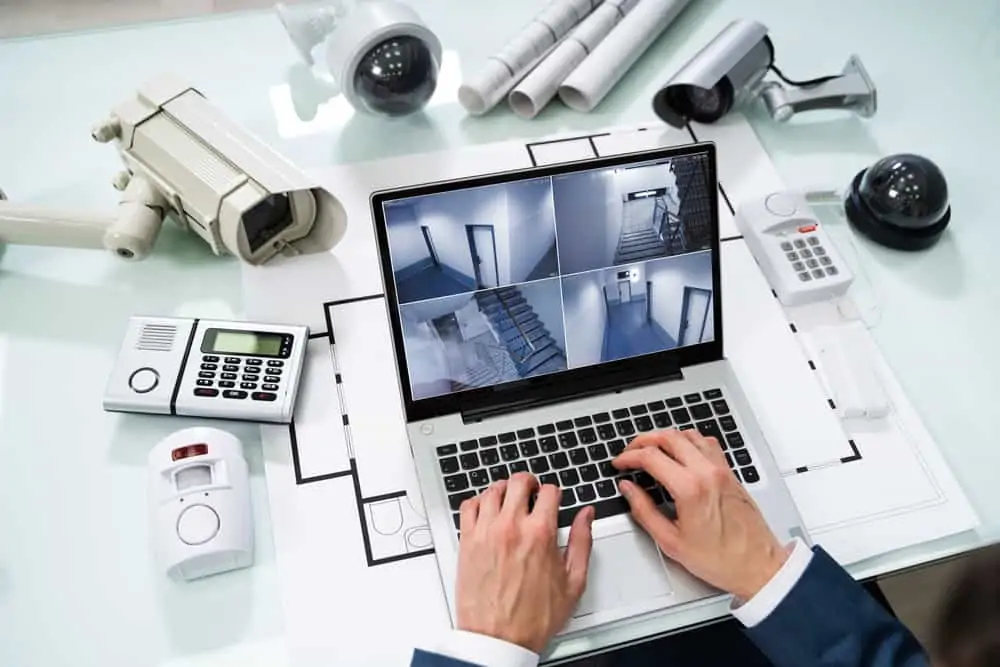
Today’s security dashboards for homes are more than just camera viewers. They integrate a variety of smart devices and sensors, offering a holistic approach to protection. Here are some of the most common components you’ll find:
- Video Cameras: Indoor, outdoor, and doorbell cameras provide live and recorded footage.
- Motion Sensors: Detect movement in key areas and trigger alerts or automation.
- Door/Window Sensors: Notify you if an entry point is opened unexpectedly.
- Smart Locks: Allow remote locking/unlocking and track access history.
- Environmental Sensors: Monitor for smoke, carbon monoxide, water leaks, or temperature changes.
- Alarm Systems: Arm/disarm your system and receive instant notifications of breaches.
- Energy Monitors: Track electricity usage and identify unusual consumption patterns that could indicate a problem.
Integration with voice assistants and automation platforms can further streamline your experience, letting you control your security with simple voice commands or scheduled routines.
Choosing the Right Dashboard for Your Home
When selecting a dashboard solution, consider the following factors to ensure it meets your needs:
- Device Compatibility: Make sure the dashboard supports your existing cameras, sensors, and smart devices.
- User Interface: Look for a platform that’s easy to navigate, with clear visuals and logical controls.
- Mobile Access: Choose a solution with reliable apps for iOS and Android, so you can monitor your home on the go.
- Customization: The ability to set up custom alerts, automation, and user permissions is essential for flexibility.
- Data Privacy: Review the provider’s privacy policy and data security measures to protect your personal information.
- Support and Updates: Opt for brands that offer regular software updates and responsive customer support.
For those interested in advanced safety features for specific needs, such as elderly safety monitoring at home or medical alert systems for home use, make sure your dashboard can integrate with these specialized devices.
Integrating Dashboards with Smart Home Ecosystems
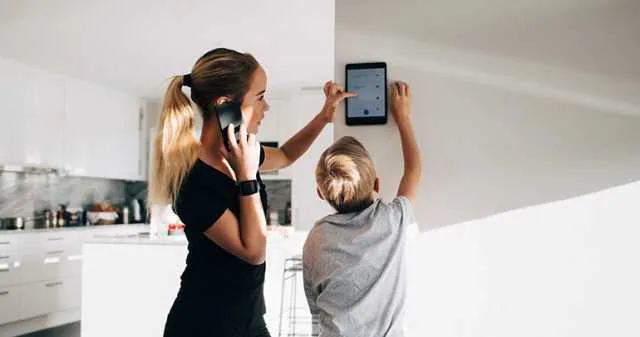
One of the greatest strengths of a modern dashboard is its ability to work with a variety of smart home platforms. Many solutions are compatible with Google Home, Amazon Alexa, Apple HomeKit, and other automation systems. This integration allows you to:
- Use voice commands to check camera feeds or arm your system
- Automate lighting and alarms based on sensor activity
- Receive consolidated notifications for all smart devices
- Combine security routines with energy-saving actions
For example, you could set up a routine that turns on exterior lights and locks all doors when your alarm is armed at night. Or, you might receive a single notification if both a window sensor and a motion detector are triggered simultaneously.
To further strengthen your household’s digital defenses, consider reviewing home digital safety strategies to ensure your network and devices are secure from cyber threats.
Proactive Security: Tips for Maximizing Your Dashboard’s Effectiveness
Getting the most from your dashboard involves more than just installation. Here are some practical tips to enhance your home’s protection:
- Regularly Update Software: Keep your dashboard and connected devices updated to patch vulnerabilities.
- Customize Alerts: Set up notifications for critical events, such as doors opening at unusual hours or unexpected motion.
- Test Devices Frequently: Periodically check that cameras, sensors, and alarms are working correctly.
- Review Activity Logs: Analyze event history to spot patterns or potential security gaps.
- Educate Family Members: Make sure everyone knows how to use the dashboard and respond to alerts.
- Layer Security: Combine digital monitoring with physical measures like deadbolts and outdoor lighting.
For more advice on staying ahead of potential risks, you can read proactive home security tips from industry experts.
FAQ: Home Security Dashboards
How do I connect my existing cameras and sensors to a new dashboard?
Most modern dashboards support a wide range of third-party devices. Check the compatibility list provided by the dashboard manufacturer. For seamless integration, use devices that support common protocols like Z-Wave, Zigbee, or Wi-Fi. Follow the setup instructions in the dashboard app to add each device, and test them to ensure proper functionality.
Can I monitor my home when I’m traveling?
Yes, remote access is a core feature of most home security dashboards. As long as you have an internet connection, you can view live feeds, receive alerts, and control your devices from anywhere using your smartphone or web browser.
Are these dashboards secure from hackers?
Reputable dashboard providers implement strong encryption and regular security updates to protect your data. To further safeguard your system, use strong, unique passwords, enable two-factor authentication if available, and keep all software up to date. For more tips, see our guide on home digital safety strategies.
What if I have elderly family members or special needs at home?
Many dashboards can integrate with specialized devices such as elderly safety monitoring at home and medical alert systems for home use. This allows you to monitor health and safety alongside traditional security, all from the same interface.
Conclusion
Centralized dashboards are transforming the way homeowners protect and manage their properties. By bringing together cameras, sensors, alarms, and smart devices into a single, user-friendly interface, these solutions make it easier than ever to stay informed and in control. Whether you’re looking to upgrade your current setup or build a new system from scratch, investing in a robust dashboard is a practical step toward a safer, smarter home.




