For many families, ensuring safety at home is a top priority, especially when caring for older adults or individuals with health challenges. Medical alert systems for home use have become an essential solution, providing immediate access to emergency assistance at the press of a button. These systems are designed to offer peace of mind, allowing users to live independently while knowing that help is always within reach.
Whether you’re considering these devices for yourself or a loved one, understanding how they work, what features to look for, and how they integrate with other smart home technologies can make all the difference. In this article, we’ll explore the key benefits, types, and considerations for choosing the right solution for your household.
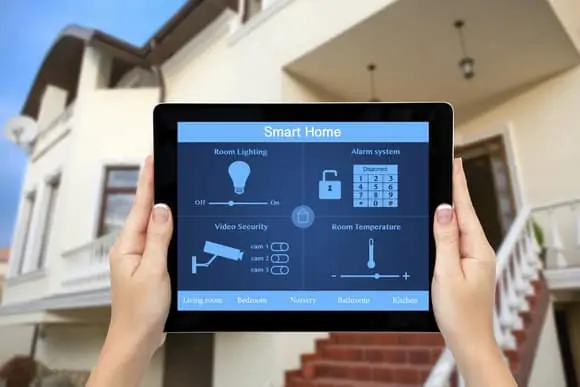
Modern home safety is about more than just locks and alarms. For a comprehensive approach, consider integrating next-generation home security systems alongside your medical alert solution. This combination can help protect against a range of emergencies, from health crises to break-ins.
How Home-Based Medical Alert Devices Work
At their core, medical alert systems for home use consist of a base unit connected to a landline or cellular network and a wearable help button. When the user presses the button, the system immediately contacts a monitoring center or pre-programmed emergency contacts. Trained operators can then assess the situation and dispatch emergency services if needed.
Some systems offer additional features, such as automatic fall detection, two-way voice communication, and integration with other smart home devices. These enhancements make it easier for users to get help even if they are unable to press the button themselves.
Key Features to Consider in a Home Medical Alert Solution
Choosing the right device involves more than just picking the first option you see. Here are some important features to evaluate:
- 24/7 Monitoring: Reliable, round-the-clock monitoring ensures that help is always available.
- Fall Detection: Advanced sensors can automatically detect falls and alert the monitoring center, even if the user is unconscious or unable to speak.
- Two-Way Communication: Built-in speakers and microphones allow users to speak directly with emergency operators.
- Range and Connectivity: Consider whether the system uses a landline, cellular connection, or Wi-Fi, and ensure it covers the entire living area.
- Battery Backup: Power outages shouldn’t compromise safety. Look for devices with long-lasting battery support.
- Water Resistance: Wearable buttons should be safe for use in the shower or bath, where slips are most likely to occur.

Benefits of Using Emergency Alert Systems at Home
There are several compelling reasons to invest in a home-based emergency alert device:
- Independence: Seniors and those with medical conditions can maintain autonomy, knowing help is always available.
- Peace of Mind: Family members and caregivers can feel reassured about their loved one’s safety.
- Rapid Response: Immediate connection to emergency services can be life-saving in situations like falls, heart attacks, or strokes.
- Cost-Effective: Many systems are affordable and can reduce the need for full-time in-home care.
- Customizable Alerts: Some devices allow users to notify family, neighbors, or caregivers in addition to emergency responders.
For those interested in a holistic approach to home safety, it’s worth exploring home digital safety strategies to complement your alert system and protect against a range of risks.
Integrating Medical Alert Devices with Smart Home Security
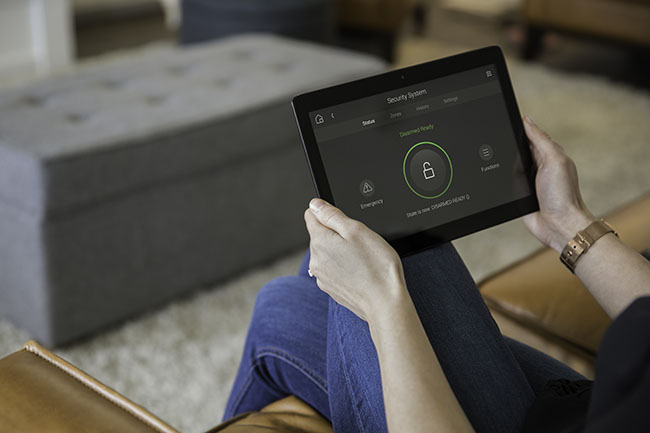
Today’s medical alert systems for home use can often be integrated with broader smart home security solutions. This integration allows for a seamless response to a variety of emergencies, from medical incidents to break-ins or environmental hazards.
For example, some systems can trigger smart locks to open for emergency responders or send alerts to mobile devices when an incident occurs. Combining these devices with motion sensors for home protection or environmental monitors can create a comprehensive safety net for your household.
To learn more about how smart technology can enhance your home’s security, check out this in-depth guide to smart home security from HP.
Choosing the Right Medical Alert System for Your Home
When comparing options, it’s important to assess your household’s unique needs. Here are a few steps to guide your decision:
- Assess the User’s Lifestyle: Consider mobility, health conditions, and daily routines. Some may benefit from automatic fall detection, while others prioritize simple push-button access.
- Check Coverage: Ensure the system’s range covers all areas of the home, including outdoor spaces if needed.
- Review Response Times: Look for providers with a reputation for fast and reliable emergency response.
- Evaluate Costs: Compare monthly fees, equipment charges, and any additional service costs.
- Test Usability: Devices should be easy to wear and operate, especially for those with limited dexterity or vision.
For those interested in additional layers of security, safe room planning at home can further enhance your family’s protection in case of emergencies.
Maintaining and Testing Your Home Alert System
Regular maintenance is crucial to ensure your device works when it’s needed most. Here’s how to keep your system in top condition:
- Test the help button and base unit monthly to confirm connectivity.
- Replace batteries as recommended by the manufacturer.
- Update emergency contact information regularly.
- Ensure wearable devices are comfortable and worn consistently.
- Review system logs or alerts for any missed signals or malfunctions.
Staying proactive with maintenance helps guarantee that your alert system will function reliably in any situation.
FAQ: Medical Alert Devices for Home Safety
What is the difference between monitored and unmonitored medical alert systems?
Monitored systems connect users to a professional call center that can dispatch emergency services, while unmonitored devices typically alert pre-selected contacts, such as family members or neighbors. Monitored solutions provide an extra layer of security and faster emergency response.
Can these systems be used by people with disabilities or chronic illnesses?
Yes, medical alert systems for home use are designed for anyone who may need rapid access to help, including those with mobility challenges, chronic health conditions, or disabilities. Features like voice-activated calls and automatic fall detection can be especially beneficial.
Are there options for integrating medical alert devices with other smart home technology?
Many modern systems offer compatibility with smart home platforms, allowing integration with security cameras, motion sensors, and environmental monitors. This creates a more comprehensive safety network and can automate responses during emergencies.
How do I know if my home has adequate coverage for a medical alert system?
Before purchasing, check the manufacturer’s specifications for range and connectivity. Test the device in all areas of your home, including bathrooms, bedrooms, and outdoor spaces, to ensure reliable operation throughout.
Investing in a reliable emergency alert device is a proactive step toward safer, more independent living. By understanding the available features and integrating them with broader home security strategies, you can create a safer environment for yourself or your loved ones.