Rodent detection for homes has become a top priority for many homeowners, especially as smart home technology continues to evolve. Mice and rats are not just a nuisance—they can cause structural damage, contaminate food, and even pose health risks. Early identification and prevention are essential to keep your living space safe and comfortable. Fortunately, modern solutions make it easier than ever to spot and stop these unwanted guests before they become a major problem.
This guide explores how technology, practical strategies, and a proactive mindset can help you protect your property. We’ll cover the latest smart devices, traditional methods, and expert tips for keeping rodents out for good. If you’re interested in broader home protection, you might also want to read about next-generation home security systems for a comprehensive approach.
Why Early Rodent Detection Matters in Residential Spaces
Rodents are experts at hiding and can cause significant issues before you even realize they’re present. By the time you notice droppings or gnaw marks, an infestation may already be underway. Early rodent detection for homes allows you to act quickly, minimizing property damage and reducing the risk of disease transmission.
Some of the most common signs of rodent activity include:
- Unexplained scratching or scurrying noises, especially at night
- Small droppings in cupboards, pantries, or along walls
- Chewed wires, insulation, or food packaging
- Grease marks or footprints along baseboards
The sooner you identify these warning signals, the easier it is to control the problem. Integrating smart detection tools with traditional methods increases your chances of catching rodents early.
Smart Home Devices for Detecting Rodents
Technology has revolutionized how we monitor and secure our living spaces. Today, there are several smart home devices designed to help with rodent detection for homes. These tools offer real-time alerts, remote monitoring, and seamless integration with other security systems.
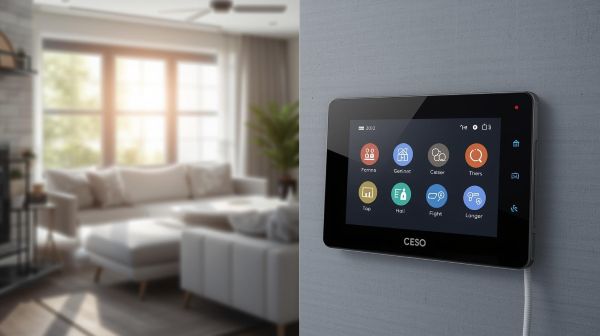
Some of the most effective smart devices for rodent monitoring include:
- Motion sensors: These can detect unusual movement in attics, basements, and crawl spaces where rodents often hide.
- Smart cameras: Night vision and motion-activated cameras can capture images or video of rodents in action, providing evidence and helping you pinpoint entry points.
- Acoustic sensors: Some advanced systems use sound detection to pick up high-frequency noises made by rodents, which are often inaudible to humans.
- Energy monitors: Unexplained spikes in energy usage may indicate rodent interference with wiring or appliances. Devices like the Emporia Energy Monitor can help you spot these anomalies.
These technologies can be integrated with your existing home security system for a more comprehensive approach. For more tips on building a secure environment, see our guide on safe room planning at home.
Traditional Methods for Spotting Rodent Activity
While smart devices offer convenience and precision, traditional methods still play a crucial role in identifying rodent problems. Regular inspections and simple tools can help you catch early signs of infestation.
- Check dark, undisturbed areas like behind appliances, under sinks, and in storage rooms for droppings or nesting material.
- Use talcum powder or flour on suspected pathways to reveal footprints.
- Set up non-lethal traps to monitor rodent presence without harming the animals.
- Seal cracks, holes, and gaps in walls, floors, and foundations to prevent entry.
Combining these hands-on techniques with smart technology creates a robust defense against rodents.
Integrating Rodent Monitoring with Home Security Systems
Many modern home security systems now offer features that support rodent detection for homes. By linking motion sensors, cameras, and environmental monitors, you can create a network that not only protects against intruders but also alerts you to pest activity.

If you’re already using a smart alarm system, check if it supports additional sensors or cameras that can be placed in rodent-prone areas. Some systems allow you to set custom alerts for unusual activity, giving you peace of mind and a faster response time.
For a detailed look at how to secure your entire household, explore our article on home digital safety strategies.
Prevention Tips: Keeping Mice and Rats Out
Detection is only half the battle—prevention is key to long-term rodent control. Here are some practical steps you can take to make your home less inviting to mice and rats:
- Store food in airtight containers and clean up crumbs promptly.
- Dispose of garbage regularly and use bins with tight-fitting lids.
- Trim vegetation and keep firewood away from the house to reduce hiding spots.
- Repair leaky pipes and eliminate standing water, as rodents are attracted to moisture.
- Inspect your home seasonally for new gaps or entry points and seal them immediately.
A combination of vigilance, cleanliness, and technology will help you maintain a rodent-free environment.
Choosing the Right Smart Tools for Your Home
Selecting the best devices for monitoring and prevention depends on your home’s layout, your budget, and your comfort with technology. Consider these factors when evaluating products:
- Compatibility with existing smart home systems
- Ease of installation and use
- Alert options (mobile notifications, email, etc.)
- Battery life and maintenance requirements
- Customer support and warranty
For first-time buyers, resources like the ultimate guide to home security for first-time homeowners offer valuable advice on integrating security and detection solutions.
FAQ: Rodent Monitoring and Prevention at Home
How do smart sensors detect rodent activity?
Smart sensors use motion, sound, or even heat detection to identify unusual activity in areas where rodents are likely to travel. Some advanced models can distinguish between pets, humans, and smaller animals, reducing false alarms.
Can I use my existing security cameras for rodent detection?
Yes, many standard security cameras with night vision and motion detection can help you spot rodents. Position cameras in attics, basements, or garages for the best results. Integrate them with your home security system for automated alerts.
What should I do if I find evidence of rodents?
Act quickly by identifying entry points, sealing gaps, and setting up traps or smart sensors. Clean affected areas thoroughly and monitor for further activity. If the problem persists, consider contacting a professional pest control service.
Are smart rodent detection devices safe for pets?
Most smart sensors are designed to ignore the movement of larger pets, but always check product specifications. Avoid using ultrasonic repellents in areas where pets spend time, as some animals may be sensitive to the sound.
How often should I check my home for signs of rodents?
Regular inspections—at least once per season—are recommended. Increase frequency during colder months when rodents are more likely to seek shelter indoors.
By combining smart technology, regular inspections, and preventative measures, you can effectively protect your home from unwanted rodents and enjoy greater peace of mind.