Maintaining clean, healthy air indoors is essential for well-being, comfort, and safety. As homes and buildings become more airtight for energy efficiency, the need for advanced ventilation solutions has grown. Smart ventilation safety systems offer a modern approach to managing indoor air quality, combining intelligent controls, sensors, and automation to ensure a constant supply of fresh air while minimizing risks from pollutants, allergens, and gases.
These innovative systems are designed to monitor air quality in real time, adjust airflow as needed, and integrate seamlessly with other smart home technologies. Whether you’re concerned about allergens, humidity, or potential hazards like carbon monoxide, adopting a connected ventilation solution can make a significant difference in your living environment.
For those interested in the broader landscape of home protection, exploring next-generation home security systems can provide further insights into how modern technology is transforming household safety.
How Intelligent Ventilation Enhances Indoor Air Quality
Traditional ventilation methods—such as opening windows or using basic exhaust fans—are often insufficient for today’s well-sealed homes. Smart ventilation safety systems use a network of sensors to continuously monitor indoor air quality indicators like carbon dioxide, volatile organic compounds (VOCs), humidity, and temperature. When any parameter exceeds safe thresholds, the system automatically increases airflow or activates filtration to restore optimal conditions.
Key benefits of these advanced solutions include:
- Real-time air quality monitoring for immediate response to indoor pollutants
- Automated adjustment of ventilation rates based on occupancy and environmental changes
- Integration with HVAC, air purifiers, and other smart devices for holistic control
- Energy efficiency through demand-based operation, reducing unnecessary air exchange
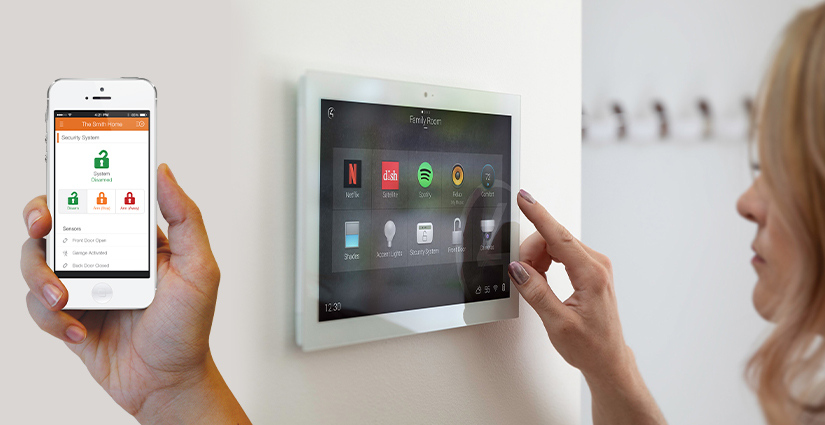
- Remote access and alerts via smartphone apps, allowing users to manage air quality from anywhere
By leveraging these features, homeowners can maintain a consistently healthy indoor atmosphere with minimal manual intervention.
Key Components of Modern Ventilation Safety Solutions
Contemporary air management systems are more than just fans and ducts. They incorporate a range of smart technologies to ensure both safety and comfort:
- Air Quality Sensors: Detect levels of CO2, VOCs, particulate matter, humidity, and temperature.
- Automated Dampers and Fans: Adjust airflow dynamically to maintain target air quality.
- Smart Controllers: Central hubs that process sensor data and execute ventilation strategies.
- Integration with Other Safety Systems: Work alongside carbon monoxide monitoring systems and smoke detectors for comprehensive protection.
- App-Based Management: Allow users to monitor, control, and receive notifications about their indoor environment.
Some systems also feature learning algorithms that adapt to household routines, optimizing ventilation schedules for both health and energy savings.
Safety Features That Set Smart Ventilation Apart
One of the standout advantages of smart ventilation safety systems is their ability to proactively address hazards. Unlike passive setups, these systems can detect and respond to threats such as:
- Carbon Monoxide: Immediate ventilation boost or system shutdown if dangerous levels are detected, often in coordination with dedicated CO alarms.
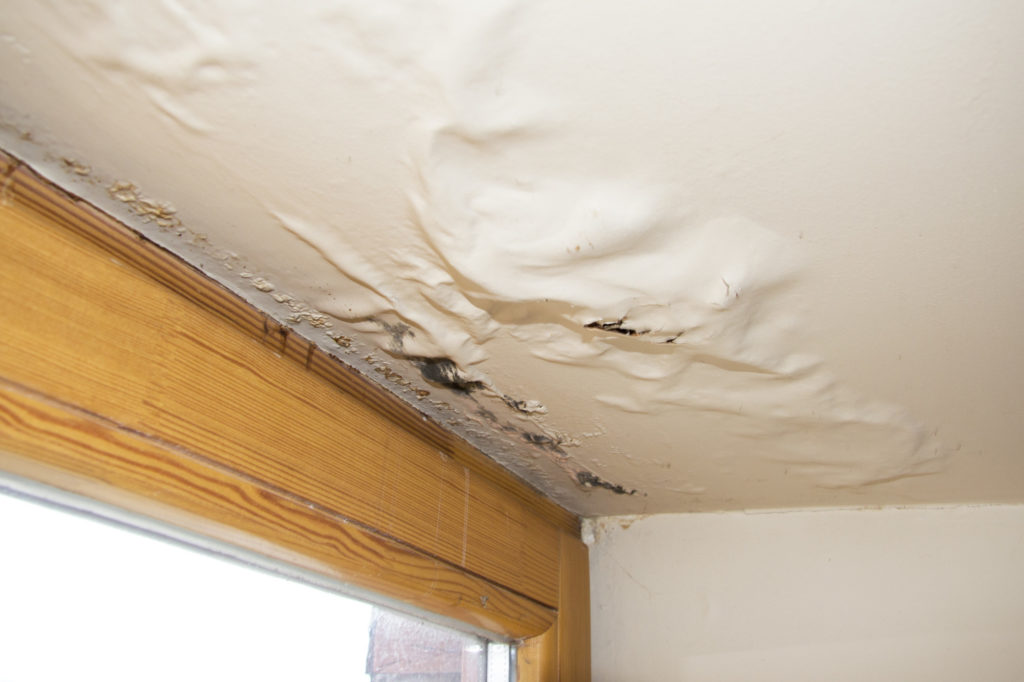
- Excess Humidity: Prevention of mold growth and structural damage by automatically increasing airflow when humidity rises.
- Allergens and Pollutants: Filtration and increased air exchange during high pollen seasons or when indoor pollutants spike.
- Energy System Faults: Integration with energy system protection at home solutions to prevent electrical issues from affecting ventilation performance.
These capabilities help create a safer, healthier indoor environment, reducing risks for families, especially those with young children, elderly members, or individuals with respiratory conditions.
Choosing the Right System for Your Home
Selecting the best smart air management solution depends on your home’s size, layout, and specific needs. Here are some factors to consider:
- Compatibility: Ensure the system integrates with your existing HVAC, security, and smart home platforms.
- Sensor Coverage: Look for solutions that monitor all relevant air quality parameters in every key area of your home.
- Ease of Use: Prioritize intuitive controls and clear app interfaces for hassle-free management.
- Maintenance: Choose systems with accessible filters and straightforward upkeep requirements.
- Expandability: Opt for platforms that allow you to add sensors or connect with other safety devices as your needs evolve.
Consulting with a professional installer can help you assess your home’s ventilation requirements and identify the most effective solution.
Integrating Air Quality with Broader Home Safety
Modern ventilation systems rarely operate in isolation. They are often part of a larger ecosystem that includes security, fire detection, and energy management. For example, integrating with rodent detection for homes can help prevent pests from compromising air ducts, while linking with future of home protection technology platforms ensures your home stays ahead of emerging risks.
For those seeking a proactive approach to safety, resources like this guide to proactive protection provide valuable insights into safeguarding your living space through technology and planning.
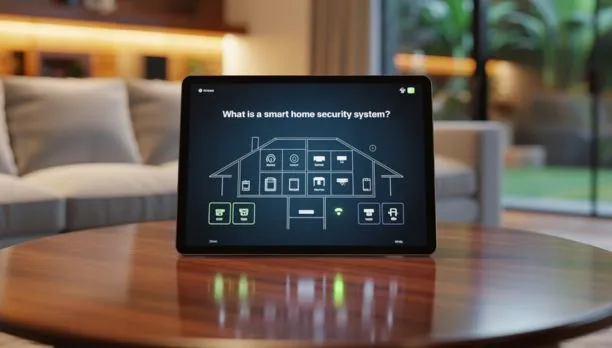
By connecting air quality management with other smart systems, you can create a comprehensive safety net that adapts to your lifestyle and evolving needs.
Frequently Asked Questions
What are the main advantages of using smart ventilation over traditional systems?
Smart ventilation safety systems offer automated, real-time monitoring and adjustment of indoor air quality. Unlike traditional setups, they respond instantly to changes in air quality, occupancy, and environmental factors, ensuring a healthier and safer home with greater energy efficiency.
Can these systems help with allergies and asthma?
Yes, intelligent ventilation solutions can significantly reduce allergens, dust, and airborne irritants by increasing air exchange and filtration when sensors detect higher pollutant levels. This proactive approach helps create a more comfortable environment for individuals with allergies or respiratory conditions.
How do smart ventilation systems integrate with other home safety technologies?
Most modern systems are designed for seamless integration with security alarms, fire and carbon monoxide detectors, and energy management devices. This allows for coordinated responses to hazards and centralized control through a single app or platform, enhancing overall household safety.
Conclusion
Investing in a smart ventilation safety system is a forward-thinking step toward a healthier, safer, and more comfortable home. By leveraging intelligent monitoring, automation, and integration with other smart technologies, these solutions provide peace of mind and a consistently fresh indoor environment. As technology continues to advance, the possibilities for optimizing indoor air quality and safety will only expand, making now an excellent time to explore your options.