Modern households depend on a reliable and safe electrical infrastructure. As our homes fill with smart devices, appliances, and security systems, the need for energy system protection at home has never been more important. Electrical faults can lead to costly damage, power outages, or even hazardous situations such as fires. Understanding how to safeguard your home’s energy system is essential for both safety and peace of mind.
This guide explores practical strategies to prevent electrical faults, including the use of smart monitoring, surge protection, and regular maintenance. By taking proactive steps, homeowners can minimize risks and ensure their electrical systems operate safely and efficiently.
For those interested in integrating electrical safety with broader home security, exploring next-generation home security systems can provide additional layers of protection and convenience.
Why Home Electrical Protection Matters
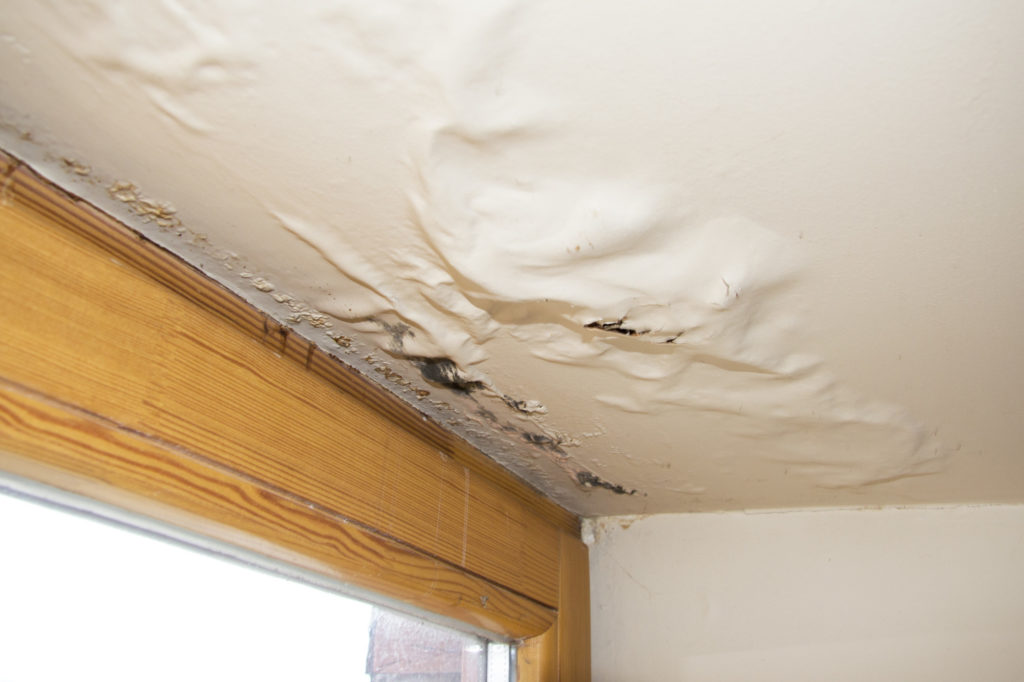
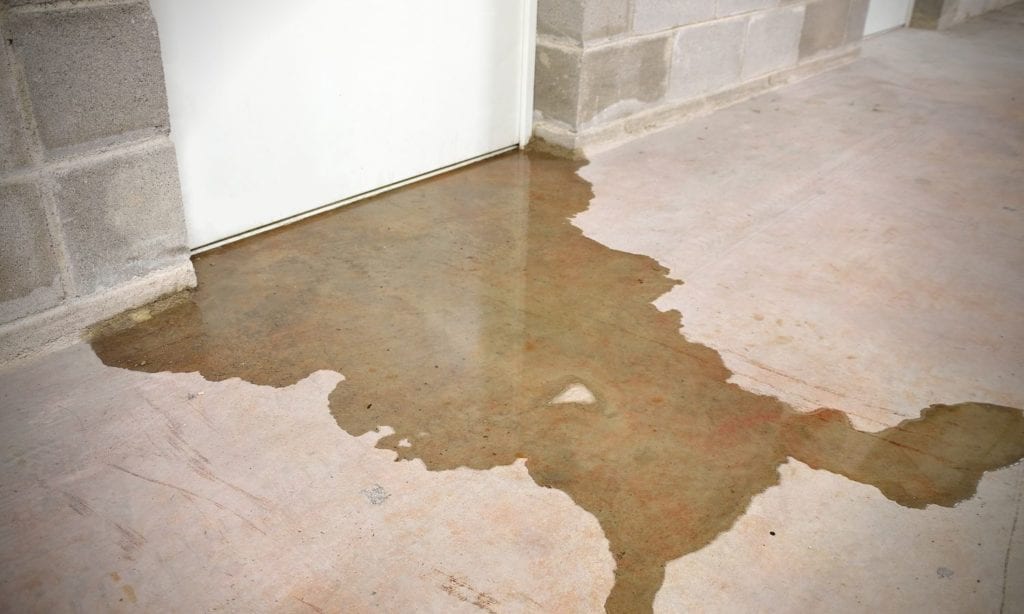
Electrical faults are a leading cause of residential fires and equipment damage. Common issues include overloaded circuits, faulty wiring, and power surges. These problems can disrupt daily life and put your family at risk. Investing in reliable energy system protection at home helps prevent these incidents, ensuring your home remains safe and your devices function as intended.
Beyond safety, protecting your energy system can also extend the lifespan of appliances and electronics. It reduces the likelihood of unexpected repairs and replacements, saving money over time.
Common Causes of Electrical Faults in Homes
Understanding what leads to electrical faults is the first step in prevention. Some of the most frequent causes include:
- Overloaded circuits: Plugging too many devices into one outlet or circuit can cause overheating and tripped breakers.
- Outdated wiring: Older homes may have wiring that cannot handle modern electrical loads, increasing the risk of faults.
- Power surges: Sudden spikes in voltage, often from lightning or grid issues, can damage sensitive electronics.
- Poor installation: DIY electrical work or unqualified repairs can introduce hazards.
- Lack of maintenance: Ignoring warning signs like flickering lights or frequent breaker trips can allow small problems to escalate.
Smart Solutions for Energy System Protection at Home
Advancements in technology have made it easier than ever to monitor and protect your home’s electrical system. Smart energy monitors, surge protectors, and integrated security systems offer real-time insights and automated safeguards.
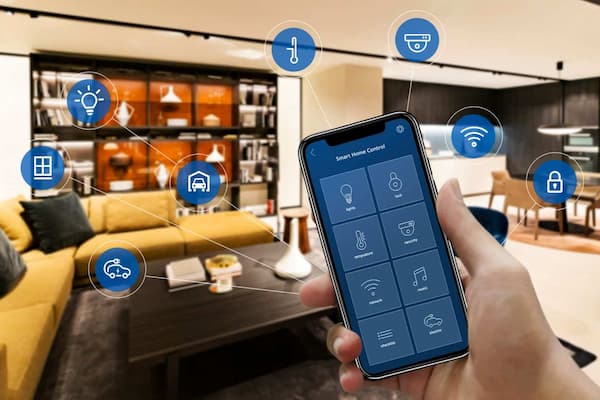
For instance, installing a smart energy monitor allows you to track power usage and detect unusual patterns that could signal a problem. Some systems can even send alerts to your phone if they detect a potential fault, giving you the chance to act before damage occurs.
Combining these tools with modern security solutions, such as those discussed in home digital safety strategies, can further enhance your home’s resilience against both electrical and digital threats.
Essential Devices for Electrical Safety
Several key devices can help prevent electrical faults and protect your home:
- Surge protectors: These devices shield electronics from voltage spikes, reducing the risk of damage during storms or grid fluctuations.
- Ground Fault Circuit Interrupters (GFCIs): Required in kitchens, bathrooms, and outdoor areas, GFCIs cut power when they detect dangerous ground faults.
- Arc Fault Circuit Interrupters (AFCIs): AFCIs detect hazardous arcing conditions in wiring and shut off power to prevent fires.
- Smart circuit breakers: These advanced breakers can be monitored and controlled remotely, offering both safety and convenience.
- Whole-house energy monitors: Track overall consumption and identify appliances that may be drawing excessive power or malfunctioning.
Routine Maintenance for Home Energy Systems
Regular maintenance is crucial for effective energy system protection at home. Homeowners should schedule periodic inspections by a licensed electrician to check for:
- Loose or corroded connections
- Signs of overheating or burning at outlets and panels
- Proper grounding and bonding
- Functionality of GFCIs and AFCIs
Additionally, keep an eye out for warning signs such as buzzing sounds, burning smells, or frequent breaker trips. Addressing these issues promptly can prevent larger problems down the line.
Integrating Energy Protection with Home Security
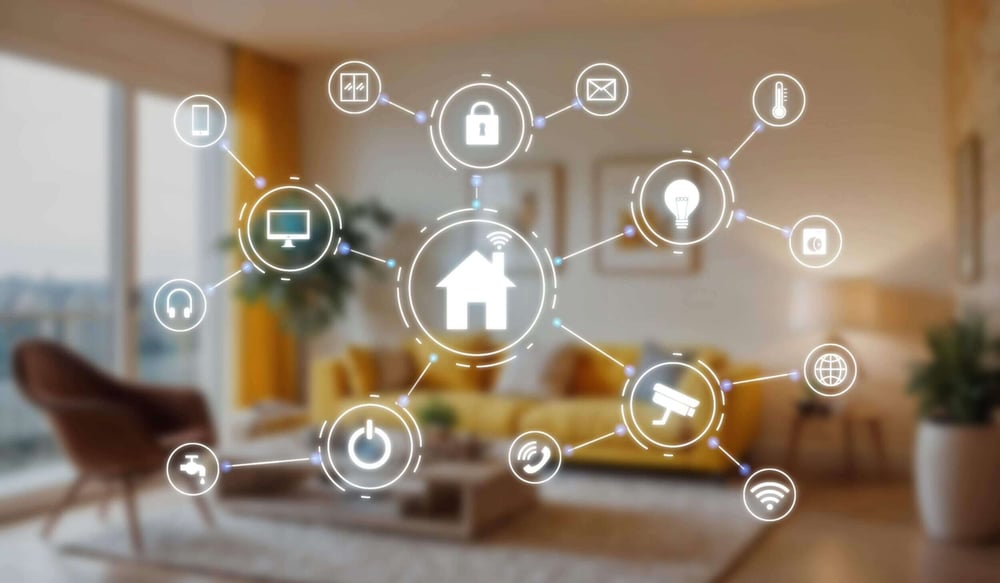
Energy system protection is most effective when integrated with your overall home security plan. Many modern security systems now include features that monitor electrical health, alert you to faults, and even automate shutoffs in emergencies. This holistic approach ensures that both your physical and digital assets are safeguarded.
For those considering a comprehensive upgrade, resources on safe room planning at home and medical alert systems for home use can help create a safer environment for all family members.
Proactive Steps to Prevent Electrical Faults
Taking proactive measures is the best way to avoid electrical hazards. Here are some actionable tips:
- Never overload outlets or extension cords.
- Replace damaged cords and plugs immediately.
- Have a professional inspect your system if you notice flickering lights or frequent breaker trips.
- Install surge protectors for valuable electronics and appliances.
- Consider upgrading your panel or wiring if your home is over 30 years old.
- Educate household members about electrical safety practices.
For more on the importance of prevention, see this comprehensive guide to proactive home protection, which highlights why prevention is always preferable to dealing with the aftermath of electrical faults.
FAQ: Home Energy System Safety
What are the most important devices for protecting my home’s electrical system?
Key devices include surge protectors, GFCIs, AFCIs, and smart energy monitors. These tools help detect and prevent faults, protecting both your home and your electronics.
How often should I have my home’s electrical system inspected?
It’s recommended to schedule a professional inspection every 3–5 years, or sooner if you notice warning signs like frequent breaker trips, burning smells, or flickering lights.
Can smart home technology improve electrical safety?
Yes, smart home devices such as energy monitors and connected circuit breakers provide real-time data and alerts, allowing you to address issues before they become serious problems.
Is it safe to do electrical repairs myself?
DIY electrical work can be dangerous and may not meet code requirements. Always hire a licensed electrician for repairs, upgrades, or inspections to ensure safety and compliance.
Conclusion
Protecting your home’s energy system is a vital part of maintaining a safe, efficient, and resilient household. By understanding common risks, using advanced monitoring tools, and following best practices for maintenance, you can significantly reduce the likelihood of electrical faults. Integrating these strategies with your overall home security plan offers comprehensive protection for your family and property.