As the population ages, ensuring the safety of older adults living independently has become a top priority for families and caregivers. Fall detection systems for homes offer an effective way to provide peace of mind and rapid assistance in case of accidents. These smart solutions use advanced sensors and technology to identify falls and alert emergency contacts or monitoring centers, helping to reduce the risks associated with delayed medical attention.
With a wide range of options available, from wearable devices to integrated smart home sensors, choosing the right system can be overwhelming. This article explores the key features, benefits, and considerations for selecting a reliable fall detection solution for residential settings. If you’re interested in broader home security advancements, you might also want to learn about next-generation home security systems that offer enhanced protection for modern households.
Understanding How In-Home Fall Detection Works
Fall detection systems for homes are designed to quickly identify when a person has fallen and may need help. These systems typically use a combination of motion sensors, accelerometers, and sometimes even cameras or audio monitoring to detect sudden changes in movement or position. When a fall is detected, the system automatically sends an alert to pre-selected contacts, such as family members, caregivers, or professional monitoring services.
Some solutions are wearable, like pendants or wristbands, while others are integrated into the home environment, using wall-mounted sensors or smart speakers. The goal is to ensure that help can be summoned even if the person is unable to reach a phone or call for assistance themselves.
Key Features to Look for in Home-Based Fall Detection
Choosing the right system involves evaluating several important features. Here are some aspects to consider when comparing options:
- Automatic Alerts: The most effective systems send notifications without requiring manual input, ensuring help is on the way even if the individual is unconscious or immobilized.
- 24/7 Monitoring: Many providers offer round-the-clock professional monitoring, which can dispatch emergency services if needed.
- Two-Way Communication: Built-in speakers and microphones allow direct communication with responders, providing reassurance and enabling assessment of the situation.
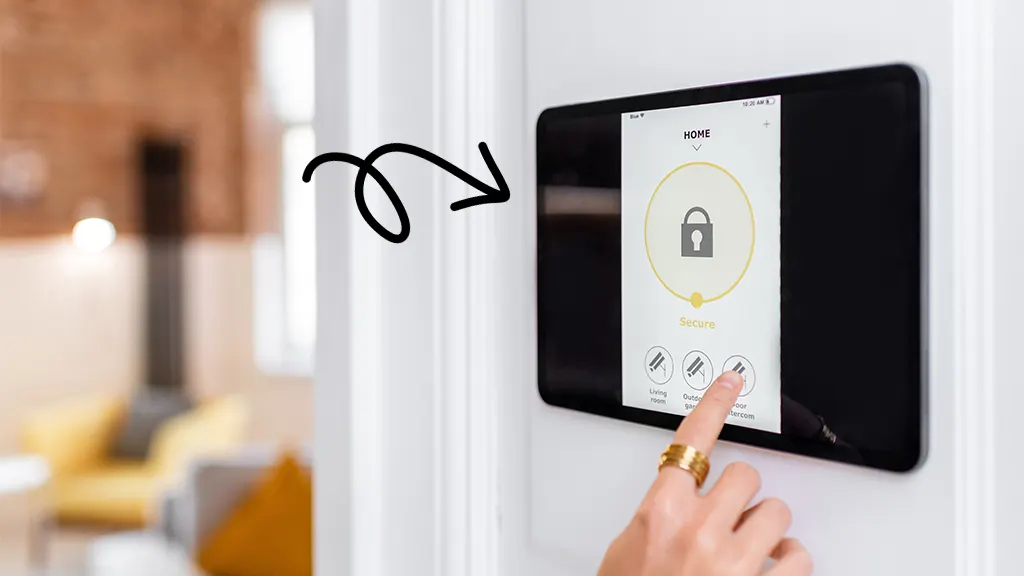
- Integration with Smart Home Devices: Some systems connect with other smart home technologies, such as security cameras, door locks, or lighting, for a more comprehensive safety net.
- Water Resistance: Since many falls happen in bathrooms, water-resistant devices are crucial for all-day wear.
- Battery Life and Power Backup: Long-lasting batteries and backup power options help ensure the system remains operational during outages.
Benefits of Installing Smart Fall Detection at Home
The primary advantage of these technologies is the ability to deliver a rapid response in emergencies, which can significantly improve outcomes for seniors. Here are some notable benefits:
- Faster Emergency Response: Immediate alerts mean medical help can arrive sooner, reducing the risk of complications from prolonged immobility.
- Increased Independence: Seniors can maintain autonomy and confidence, knowing that help is always within reach if needed.
- Peace of Mind for Families: Caregivers and loved ones gain reassurance that their family member is protected, even when they can’t be present.
- Reduced Hospitalizations: Early intervention can prevent minor injuries from becoming major health issues, potentially lowering healthcare costs.
For those interested in broader home health and safety, integrating home hygiene protection systems can further enhance the well-being of residents.
Types of Fall Detection Solutions for Residences
There are several categories of fall detection products suitable for home use. Understanding the differences can help you choose the best fit for your needs:
- Wearable Devices: These include pendants, wristbands, or belt clips equipped with sensors that detect sudden movements or impacts. They are ideal for active seniors who move throughout the house and yard.
- Non-Wearable Sensors: Mounted on walls or ceilings, these devices monitor movement patterns and can detect falls without requiring the user to wear anything. This is especially helpful for individuals who may forget or refuse to wear a device.
- Smart Home Integration: Some advanced systems connect with existing home automation platforms, allowing for seamless alerts and even automated actions like unlocking doors for emergency responders.
How to Choose the Right Fall Detection System
Selecting the most appropriate solution depends on several factors, including the resident’s lifestyle, mobility, and preferences. Here are some tips to guide your decision:
- Assess the layout of the home and identify high-risk areas such as bathrooms, stairs, and kitchens.
- Consider whether the user will reliably wear a device or if passive, room-based sensors are preferable.
- Check compatibility with existing smart home systems for streamlined alerts and automation.
- Review the reputation and reliability of the provider, including response times and customer support.
- Evaluate ongoing costs, such as monitoring fees or subscription services.
For a comprehensive approach to home safety, you may also want to explore the future of home protection technology and how emerging trends can further safeguard your loved ones.
Integrating Fall Detection with Broader Home Security
Modern home safety is about more than just preventing intrusions. By combining fall detection systems for homes with other smart security features, you can create a holistic environment that protects against a range of risks. Many systems now offer integration with security cameras, environmental sensors, and even health monitoring devices, providing a single platform for managing safety and wellness.
For additional proactive measures, consider reviewing proactive home security tips to further enhance your household’s protection.
Common Challenges and How to Overcome Them
While these technologies offer significant benefits, there are some challenges to consider:
- False Alarms: Some systems may trigger alerts due to sudden movements that aren’t falls. Look for devices with advanced algorithms and sensitivity adjustments.
- User Compliance: Wearable devices are only effective if worn consistently. Educate users on the importance of wearing their device at all times.
- Privacy Concerns: Non-wearable sensors and cameras may raise privacy issues. Choose solutions that balance safety with respect for personal space.
- Technical Reliability: Ensure your system has backup power and reliable connectivity to avoid lapses in protection.
If you are also concerned about other household risks, such as pests, check out smart rodent detection for homes for additional peace of mind.
FAQ
Are fall detection devices accurate?
Most modern systems use sophisticated sensors and algorithms to distinguish between actual falls and normal movements. However, no system is perfect—occasional false alarms or missed falls can occur. Choosing a reputable provider and regularly testing the device can help ensure reliability.
Can fall detection be added to existing home security systems?
Yes, many smart home security platforms now offer add-on modules or integrations for fall detection. This allows you to expand your current setup without replacing your entire system. For more on this, see the latest next-generation home security systems.
What happens if a fall is detected and no one responds?
Most systems escalate alerts if the initial contact does not respond. This may include notifying additional contacts or dispatching emergency services. Professional monitoring services can provide an extra layer of assurance that help will arrive even if family members are unavailable.
Conclusion
Investing in fall detection systems for homes is a practical step toward safeguarding seniors and vulnerable individuals. By understanding the available options and integrating them with broader home security measures, families can create a safer, more supportive environment. As technology continues to evolve, these solutions will only become more effective and accessible, empowering older adults to live independently with confidence.