
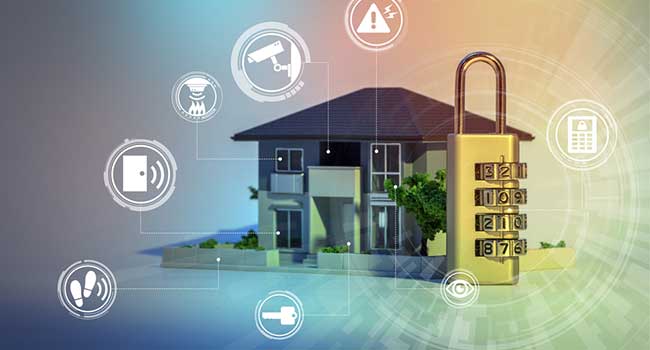
Protecting your living space goes far beyond locking the doors at night. Today’s homeowners face a range of risks, from burglary and fire to water leaks and electrical hazards. Understanding and implementing home risk prevention strategies can help you avoid costly damage, ensure your family’s safety, and maintain peace of mind. This article explores practical steps, modern technologies, and essential habits that can make your property more resilient against common threats.
With the rapid evolution of smart home devices and security systems, it’s easier than ever to monitor, detect, and prevent potential issues before they escalate. Whether you’re a new homeowner or looking to upgrade your current setup, these approaches will help you build a safer, smarter home environment.
For those interested in advanced protection, exploring next-generation home security systems can provide insights into the latest features and integrations available for modern households.
Why Proactive Home Safety Matters
Many property owners underestimate the impact of small oversights. A single water leak, unnoticed electrical fault, or unlocked window can lead to significant loss or danger. By adopting preventive strategies for home risks, you reduce the likelihood of emergencies and minimize potential repair costs. Proactive measures also help with insurance claims and may even lower your premiums.
- Peace of mind: Knowing your home is protected lets you focus on what matters most.
- Financial savings: Preventing damage is almost always cheaper than repairs or replacements.
- Family safety: Early detection of hazards keeps loved ones out of harm’s way.
Smart Security Solutions for Modern Homes
Modern home risk prevention strategies often start with robust security systems. Today’s options go well beyond traditional alarms, offering real-time monitoring, remote access, and integration with other smart devices.
- Smart alarms and sensors: Devices like motion detectors, glass break sensors, and door/window contacts can alert you instantly to unauthorized entry.
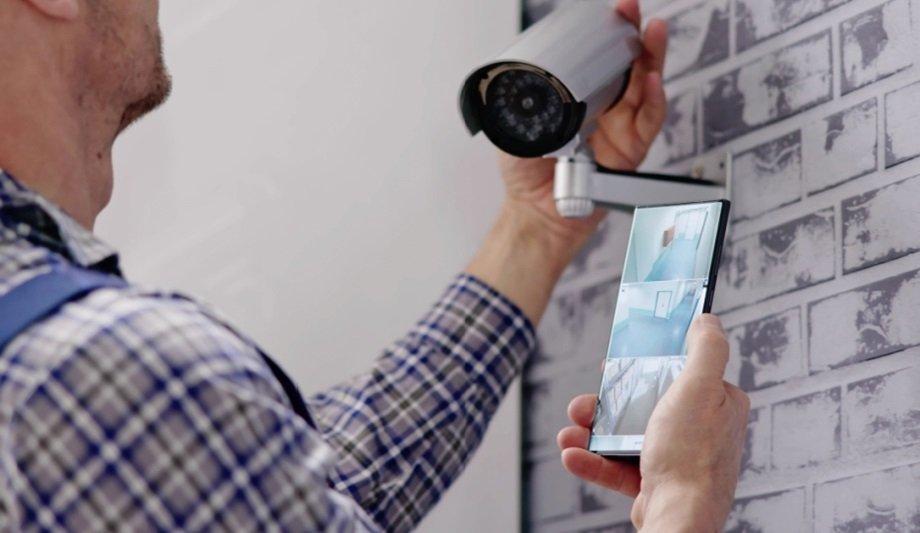
- Video surveillance: Indoor and outdoor cameras provide live feeds and cloud storage, helping you monitor activity from anywhere.
- Automated lighting: Timed or motion-activated lights can deter intruders and make your home appear occupied even when you’re away.
For a deeper look at how technology is shaping residential protection, see our article on the future of home protection technology.
Fire, Water, and Electrical Hazard Prevention
Beyond security, a comprehensive approach to home safety addresses environmental and structural risks. Fires, leaks, and electrical faults are among the most common causes of household disasters. Here’s how to address them proactively:
Fire Safety Measures
- Install smoke detectors: Place alarms in every bedroom, hallway, and on each floor. Test monthly and replace batteries annually.
- Maintain fire extinguishers: Keep at least one extinguisher in the kitchen and garage, and ensure everyone knows how to use it.
- Practice safe habits: Never leave cooking unattended and avoid overloading electrical outlets.
For a detailed checklist, consult this guide to fire damage prevention with critical steps for safeguarding your property.
Preventing Water Damage
- Monitor for leaks: Use smart water sensors near appliances, under sinks, and in basements to catch leaks early.
- Maintain gutters and downspouts: Clean regularly to prevent overflow and foundation damage.
- Check plumbing: Inspect pipes and hoses for wear, especially before winter.
Electrical Safety
- Upgrade old wiring: Outdated or damaged wiring increases fire risk. Hire a licensed electrician for inspections and upgrades.
- Use surge protectors: Protect valuable electronics from power surges and lightning strikes.
- Install energy monitors: Devices like the Emporia Energy Monitor help track usage and identify unusual patterns that could signal problems.
Health and Hygiene Risk Reduction
Keeping your home safe also means maintaining a healthy environment. Germs, mold, and pests can threaten well-being if not addressed promptly. Consider integrating home hygiene protection systems to automate cleaning and air quality monitoring. Regularly disinfect high-touch surfaces, use air purifiers, and address any signs of mold or mildew immediately.
For pest control, smart sensors and traps can alert you to rodent activity. For more information, see our resource on rodent detection for homes and effective prevention methods.
Structural and Environmental Safeguards
Risks aren’t limited to what’s visible inside your home. Crawl spaces, attics, and basements can harbor moisture, pests, and structural weaknesses. Regular inspections and the use of crawl space monitoring solutions can help you catch issues before they become major problems.
- Inspect roofing and siding for damage after storms.
- Seal cracks in foundations and walls to prevent water intrusion.
- Install sump pumps and dehumidifiers in damp areas.
Routine Maintenance and Emergency Planning
Even the best technology can’t replace regular upkeep and preparedness. Schedule seasonal maintenance checks for HVAC, plumbing, and electrical systems. Keep an updated emergency kit with essentials like flashlights, batteries, water, and first aid supplies. Develop an evacuation plan and ensure all household members know what to do in case of fire, flood, or other emergencies.
Review your insurance coverage annually to ensure it reflects any upgrades or changes to your property. Document valuables with photos and receipts for easier claims processing if needed.
Frequently Asked Questions
What are the most important home risk prevention strategies for new homeowners?
New homeowners should focus on installing robust security systems, smoke and carbon monoxide detectors, and water leak sensors. Regular maintenance of plumbing, electrical, and HVAC systems is also crucial. Don’t overlook the importance of creating an emergency plan and keeping insurance policies up to date.
How can smart technology help reduce household risks?
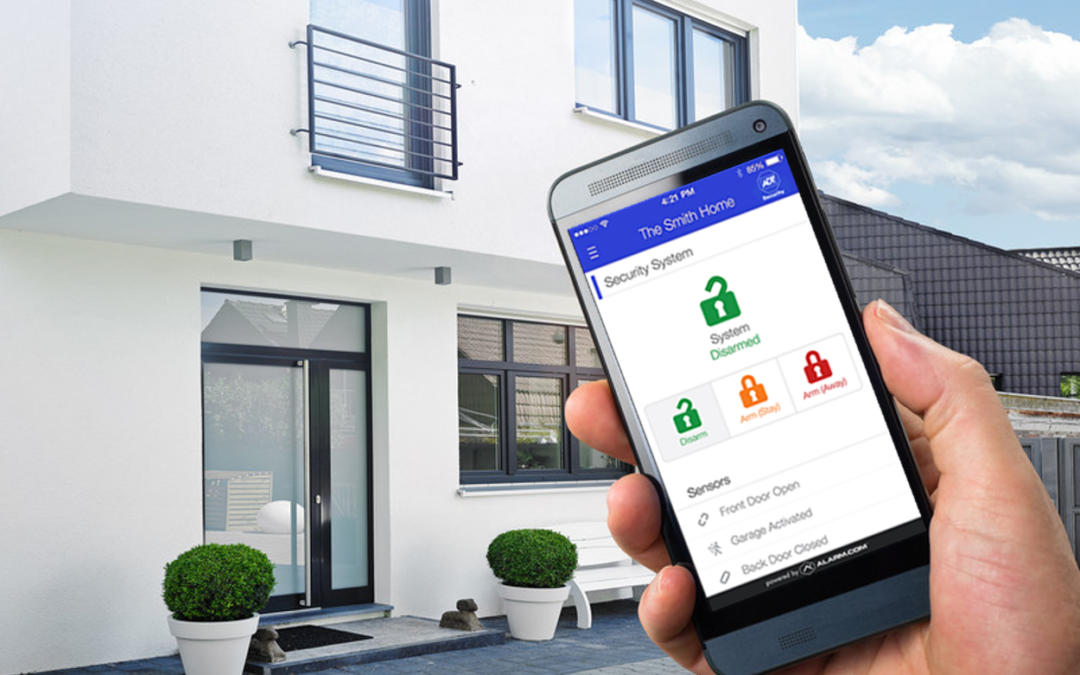
Smart devices like alarms, cameras, leak detectors, and energy monitors provide real-time alerts and remote access, allowing you to respond quickly to potential threats. Automation and integration with mobile apps make it easier to monitor your home’s safety from anywhere.
Are there affordable ways to improve home safety?
Yes, many effective measures are low-cost or free. Installing basic smoke detectors, using smart plugs, maintaining gutters, and practicing good habits—like locking doors and windows—can significantly reduce risks without major investment. Over time, upgrading to smart security systems and sensors can further enhance protection.




