Modern living brings both convenience and new risks. As our homes become smarter, the need for home safety automation is more important than ever. Automated safety systems can protect your family, property, and peace of mind by detecting threats, responding instantly, and keeping you informed—no matter where you are. From smart alarms to energy monitoring, today’s technology makes it possible to create a self-protecting environment that goes far beyond traditional security.
Whether you’re just starting to explore smart home solutions or looking to upgrade your current setup, understanding the essentials of automated protection is key. In this article, you’ll find practical steps, device recommendations, and expert tips for building a safer, smarter home. For a deeper dive into advanced features, check out our guide on next-generation home security systems to see what’s possible with the latest innovations.
Why Automate Your Home’s Safety?
Automating your home’s safety isn’t just about convenience—it’s about proactive protection. Traditional security systems often react after an incident has occurred. In contrast, automated safety solutions can detect, deter, and even prevent threats before they escalate. Here’s why more homeowners are turning to smart safety technology:
- Real-time alerts: Get instant notifications on your phone for break-ins, smoke, leaks, or unusual activity.
- Remote control: Arm or disarm your system, lock doors, or check cameras from anywhere.
- Integrated response: Automatically trigger lights, alarms, or emergency calls when a threat is detected.
- Energy and hazard monitoring: Track electrical usage and spot potential fire or water risks early.
Automated systems can also help you maintain a healthier living space. For example, integrating home hygiene protection systems can keep your environment germ-free and safe from invisible threats.
Core Components of a Smart Safety System
Building a self-protecting home involves combining several key technologies. Here are the main components to consider for effective home safety automation:
Smart Security Alarms and Sensors
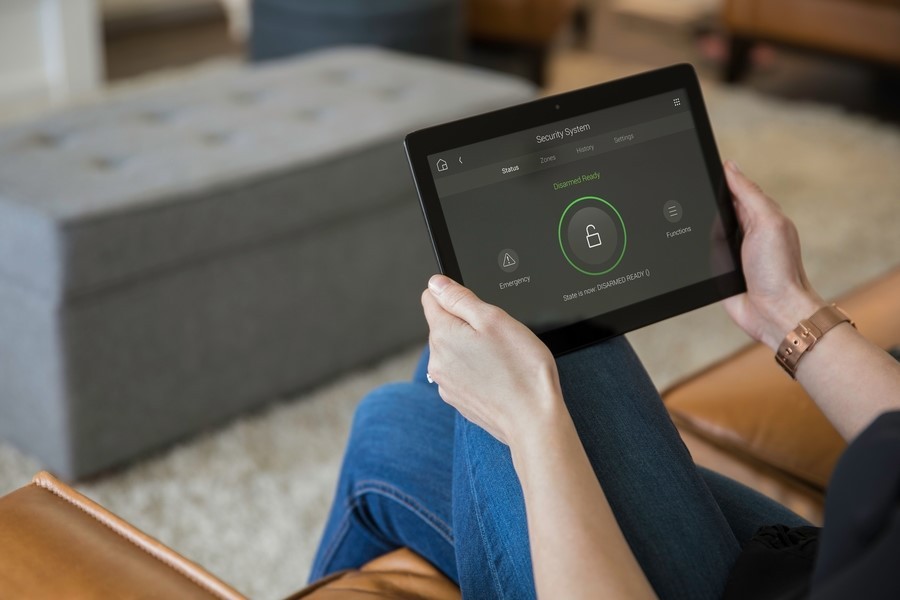
Modern alarm systems do more than just sound a siren. They use a network of sensors—door/window contacts, motion detectors, and glass-break sensors—to monitor your home’s perimeter and interior. Many systems, such as the Ring Alarm, offer easy DIY installation and mobile app integration for real-time control.
Surveillance Cameras and Video Doorbells
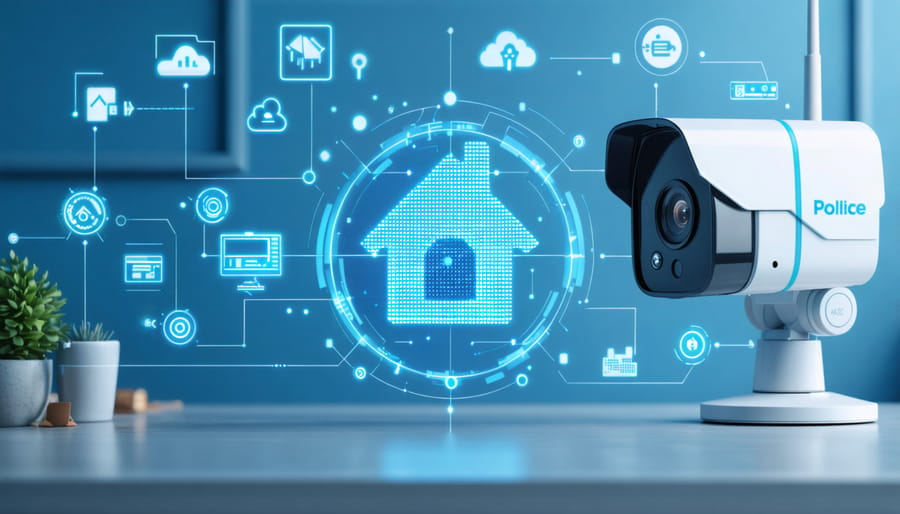
Smart cameras and video doorbells provide a live view of your property and record activity for later review. Features like motion detection, night vision, and two-way audio let you see and speak with visitors or deter intruders. Many systems integrate with alarms, so a triggered sensor can prompt cameras to record or send alerts automatically.
Automated Lighting and Smart Locks
Lighting automation is a powerful deterrent. Schedule lights to turn on at sunset, or trigger them when motion is detected. Smart locks let you control entry remotely, grant temporary access to guests, and receive alerts if doors are left unlocked. These features add layers of security and convenience to your daily routine.
Environmental and Energy Monitoring
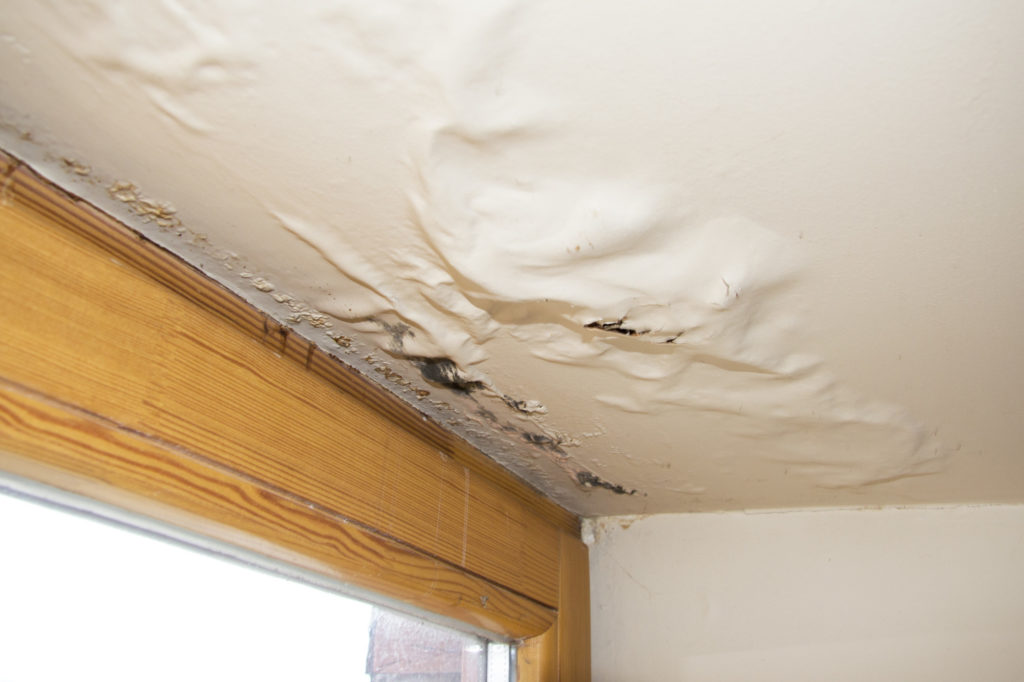
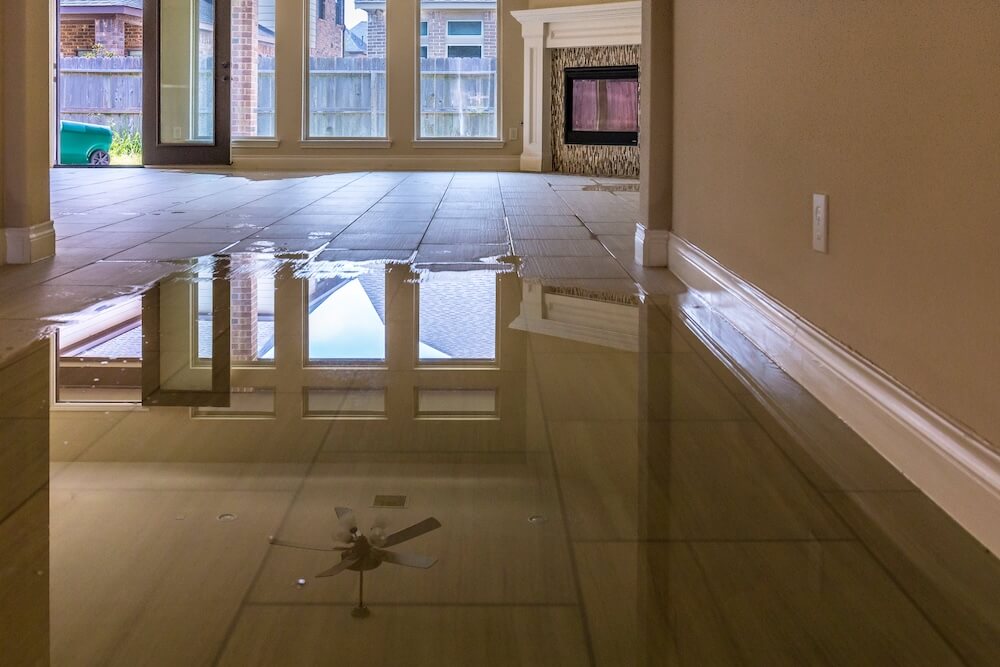
Safety isn’t just about security—it’s also about preventing hazards. Smart smoke and carbon monoxide detectors, leak sensors, and energy monitors can alert you to dangers like fire, gas leaks, or water damage. Devices like the Emporia Energy Monitor help track your home’s electrical usage, identifying abnormal patterns that could signal a problem.

How to Build a Self-Protecting Home Step by Step
Setting up a robust automated safety system doesn’t have to be overwhelming. Here’s a practical approach to get started:
- Assess your needs: Identify your home’s vulnerabilities—entry points, dark areas, or places prone to leaks or electrical issues.
- Choose a central hub: Select a smart home platform (like Alexa, Google Home, or Apple HomeKit) that supports the devices you want to use.
- Start with essentials: Install a smart alarm system and connect sensors to doors, windows, and key rooms.
- Add cameras and lighting: Position cameras at entrances and other critical spots. Set up automated lights for both security and convenience.
- Integrate environmental monitoring: Place smoke, CO, leak, and energy sensors in appropriate locations for early warning of hazards.
- Automate routines: Use your hub’s app to set up routines—like arming the alarm at night, turning on lights when you’re away, or shutting off water if a leak is detected.
- Test and maintain: Regularly check that all devices are working, update firmware, and review your settings as your needs change.
For more ideas on protecting hard-to-reach areas, explore our recommendations for crawl space monitoring solutions and rodent detection for homes.
Best Practices for Automated Home Safety
To get the most from your smart safety setup, keep these best practices in mind:
- Layer your defenses: Combine alarms, cameras, locks, and sensors for multiple lines of protection.
- Keep software updated: Regularly update device firmware to patch vulnerabilities and improve performance.
- Use strong passwords: Secure your devices and Wi-Fi network with unique, complex passwords.
- Monitor and respond: Set up notifications so you’re always informed of activity, and have a plan for responding to alerts.
- Review privacy settings: Adjust camera and data-sharing options to balance security and privacy.
For more proactive strategies, see these proactive home security tips from industry experts.
Integrating with Future-Proof Technologies
The world of home safety automation is constantly evolving. New devices and integrations are making it easier to customize protection for every household. Consider future-proofing your setup by choosing products that support open standards and can adapt to new technologies as they emerge. Stay informed about trends in the future of home protection technology to ensure your home remains secure as threats and solutions change.
Frequently Asked Questions
What is the most important device for automated home safety?
The foundation of any automated safety system is a smart alarm with integrated sensors. This provides immediate alerts for unauthorized entry and can trigger other devices, such as cameras and lights, for a coordinated response.
Can I install smart safety devices myself, or do I need a professional?
Many modern systems are designed for easy DIY installation, with step-by-step instructions and app-based setup. However, for complex integrations or large properties, professional installation may be beneficial for optimal coverage and reliability.
How do I keep my smart safety devices secure from hacking?
Use strong, unique passwords for each device and your Wi-Fi network. Enable two-factor authentication where possible, keep device firmware updated, and review privacy settings regularly to minimize risks.