
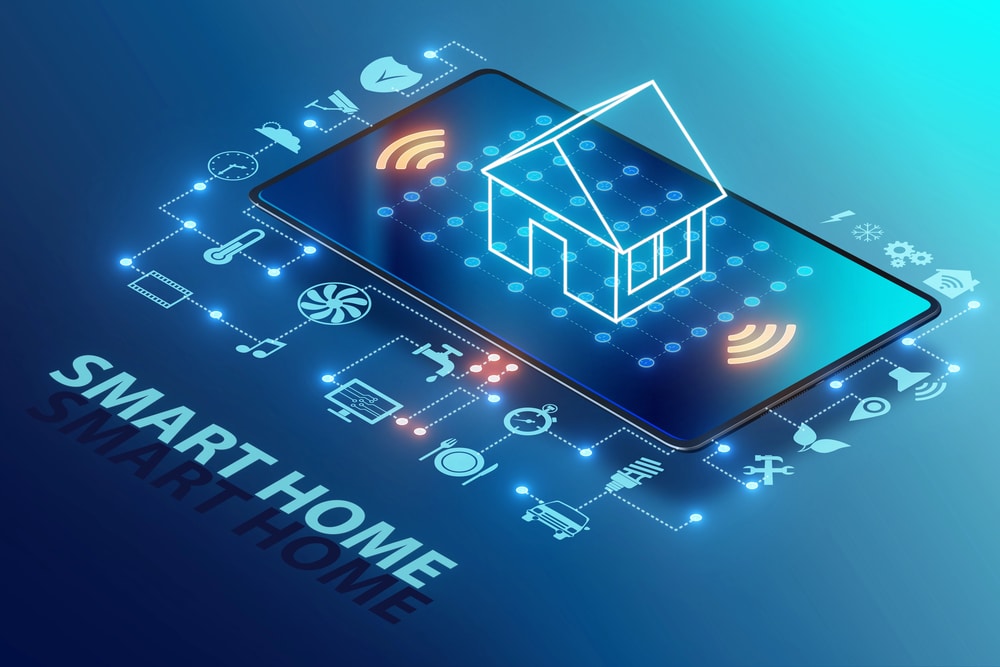
The rise of home IoT safety devices has transformed the way we protect our living spaces. From smart alarms to intelligent sensors, these connected solutions offer real-time monitoring, automation, and peace of mind for homeowners. As technology advances, integrating these devices into daily life has become more accessible, providing not only enhanced security but also improved convenience and energy efficiency.
Whether you’re looking to deter intruders, monitor environmental hazards, or simply keep tabs on your home’s vital systems, today’s smart gear offers a wide range of options. In this article, we’ll explore the essential types of connected safety equipment, how they work together, and what to consider when building a secure, responsive home environment.
For a deeper dive into advanced protection, see our guide on next-generation home security systems, which covers the latest features and trends in smart home defense.
Why Smart Safety Gear Matters for Modern Homes
Connected safety solutions go beyond traditional locks and alarms. By leveraging the Internet of Things, these systems offer:
- Instant alerts for break-ins, smoke, leaks, or unusual activity
- Remote access and control from smartphones or voice assistants
- Integration with other smart devices for automated responses
- Detailed logs and analytics for better decision-making
With these benefits, families can respond faster to emergencies, reduce false alarms, and even lower insurance premiums. The ability to monitor and manage your home from anywhere is especially valuable for frequent travelers, busy parents, or anyone seeking greater peace of mind.
Key Types of Home IoT Safety Devices
There is a wide variety of connected gear designed to address different aspects of home protection. Here are some of the most impactful categories:
Smart Security Systems and Sensors
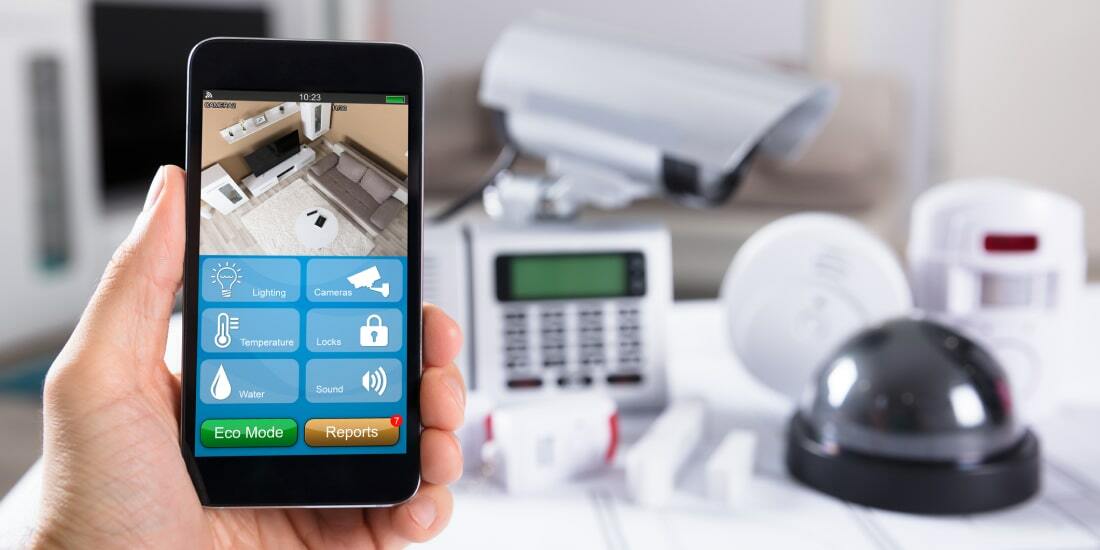
Modern security setups combine motion detectors, door/window sensors, and cameras into a unified platform. These systems can send instant notifications, trigger alarms, and even contact emergency services automatically. Many models offer easy DIY installation and can be expanded with additional sensors as needed.
For those interested in the future of integrated protection, check out the latest insights on the future of home protection technology and how emerging trends are shaping the next wave of smart devices.
Environmental and Hazard Monitoring
IoT-enabled detectors can identify threats such as smoke, carbon monoxide, water leaks, and even air quality issues. These devices provide early warnings, helping to prevent costly damage or health risks. Some models can automatically shut off water valves or activate ventilation systems in response to detected hazards.
- Smoke and CO detectors with wireless connectivity
- Water leak sensors for basements, bathrooms, and kitchens
- Air quality monitors for allergens, VOCs, and humidity
By integrating these sensors with your smart home hub, you can automate responses and ensure that critical alerts are never missed.
Energy and Utility Monitoring
Beyond security, connected monitors can track electricity, gas, and water usage, helping you identify inefficiencies and potential safety issues. Real-time data empowers homeowners to make informed decisions, reduce waste, and even detect abnormal patterns that could indicate a problem.
Popular options include:
- Smart plugs and outlets with energy tracking
- Whole-home energy monitors for circuit-level insights
- Leak detection systems with automatic shutoff features
These tools not only boost safety but also contribute to a more sustainable and cost-effective household.
Choosing the Right Connected Protection for Your Home
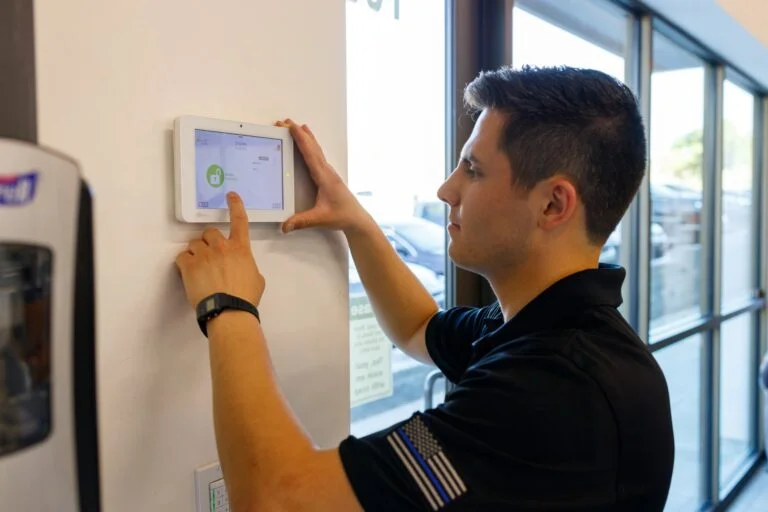
Selecting the best combination of smart safety gear depends on your home’s layout, your family’s needs, and your comfort with technology. Here are some tips to guide your decision:
- Assess your risks: Consider crime rates, environmental hazards, and unique vulnerabilities in your area.
- Start with the basics: A core security system with door/window sensors and a smart alarm is a solid foundation.
- Add environmental monitoring: Smoke, CO, and leak detectors are essential for comprehensive protection.
- Integrate for automation: Choose devices that work together through a central hub or app for seamless control.
- Prioritize reliability: Look for products with strong security protocols, regular updates, and good customer support.
For more on keeping your home safe from less obvious threats, see our article on rodent detection for homes and how smart sensors can help prevent infestations.
Privacy and Security Considerations
While the advantages of connected safety gear are clear, it’s important to address privacy and cybersecurity. Here are some best practices:
- Change default passwords and enable two-factor authentication
- Keep device firmware and apps updated
- Use a secure, dedicated Wi-Fi network for smart home devices
- Review privacy settings and data sharing policies
Taking these precautions helps ensure that your investment in smart protection doesn’t introduce new vulnerabilities.
Expanding Your Smart Home Safety Ecosystem
Once you’ve established a foundation of connected security and hazard monitoring, consider expanding your system with:
- Smart locks and video doorbells for controlled access
- Automated lighting to deter intruders
- Voice assistant integration for hands-free control
- Health and hygiene monitoring, such as home hygiene protection systems
- Specialized solutions for unique areas, like crawl space monitoring solutions
By gradually adding compatible devices, you can create a robust, scalable system tailored to your needs.
Expert Tips for Maximizing Safety and Value
To get the most from your investment in smart home protection, keep these strategies in mind:
- Test all alarms and sensors regularly to ensure proper function
- Set up custom alerts and automation routines for different scenarios
- Educate all household members on how to use the system
- Review device logs and analytics to spot trends or issues
- Stay informed about new products and security updates
For a comprehensive approach to safeguarding your home and assets, explore this guide to proactive protection for practical advice on risk management and planning.
FAQ: Smart Safety Devices for Connected Homes
What are the main benefits of using IoT-enabled safety devices at home?
These devices offer real-time alerts, remote monitoring, and automation, making it easier to respond to emergencies and manage your home’s security from anywhere. They can also help reduce energy waste and insurance costs.
Are smart security systems difficult to install?
Many modern systems are designed for easy DIY installation, with wireless sensors and step-by-step app guidance. However, for more complex setups or integration with existing wiring, professional installation may be recommended.
How can I ensure my connected safety devices are secure from hacking?
Use strong, unique passwords for each device, enable two-factor authentication where available, regularly update firmware, and keep your home Wi-Fi network secure. Avoid sharing device access with untrusted users and review privacy settings periodically.
Can IoT safety devices help with hazards beyond break-ins?
Absolutely. Many devices monitor for smoke, carbon monoxide, water leaks, and even air quality, providing early warnings for a range of potential dangers.
What should I look for when choosing a smart alarm or sensor?
Prioritize reliability, compatibility with your existing smart home platform, strong security features, and responsive customer support. Reading user reviews and checking for regular software updates can also help guide your decision.




