Home security has evolved far beyond traditional locks and alarms. Today’s smart intrusion detection systems combine advanced sensors, artificial intelligence, and seamless connectivity to provide proactive protection for modern households. These innovative solutions not only detect unauthorized entry but also offer real-time alerts, remote monitoring, and integration with other smart home devices. As threats become more sophisticated, upgrading to intelligent security technology is becoming essential for homeowners who want peace of mind and robust protection.
Understanding how these systems work, what features to look for, and how to choose the right solution can make a significant difference in your home’s safety. This article explores the core components, benefits, and considerations of adopting high-tech security, helping you make informed decisions for your property and loved ones.
For those interested in exploring the latest advancements, our guide on next-generation home security systems covers additional features and trends shaping the future of residential protection.
What Makes Smart Intrusion Detection Different?
Unlike conventional alarm systems, smart intrusion detection systems leverage a combination of sensors, cameras, and intelligent software to identify suspicious activity. These platforms can distinguish between normal household movements and potential threats, reducing false alarms and ensuring timely responses. Key differences include:
- Real-time notifications: Receive instant alerts on your smartphone or device when unusual activity is detected.
- Remote monitoring: Check live video feeds and system status from anywhere, giving you control even when you’re away.
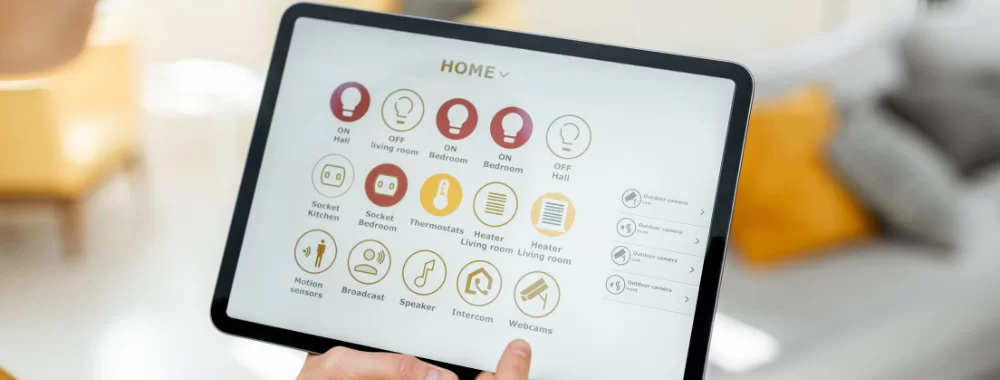
- Integration: Connect with other smart home devices such as lights, locks, and voice assistants for automated responses.
- AI-powered analytics: Advanced algorithms analyze patterns and can learn to recognize familiar faces or pets, minimizing unnecessary alerts.
Core Components of Modern Home Security Solutions
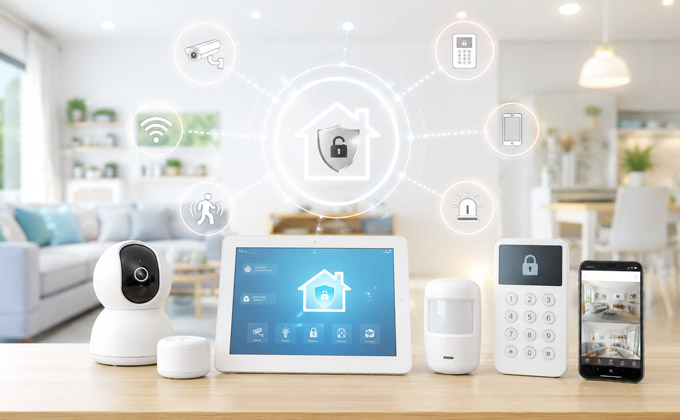
Today’s intelligent security setups typically include several interconnected devices and technologies. Understanding these components helps you design a system tailored to your needs:
- Entry Sensors: Attach to doors and windows to detect opening or tampering.
- Motion Detectors: Use infrared or microwave technology to sense movement within designated areas.
- Security Cameras: Provide live and recorded video, often featuring night vision, two-way audio, and cloud storage.
- Glass Break Sensors: Identify the sound frequency of breaking glass to alert you to forced entry attempts.
- Central Hub: Acts as the brain of the system, coordinating communication between devices and sending alerts.
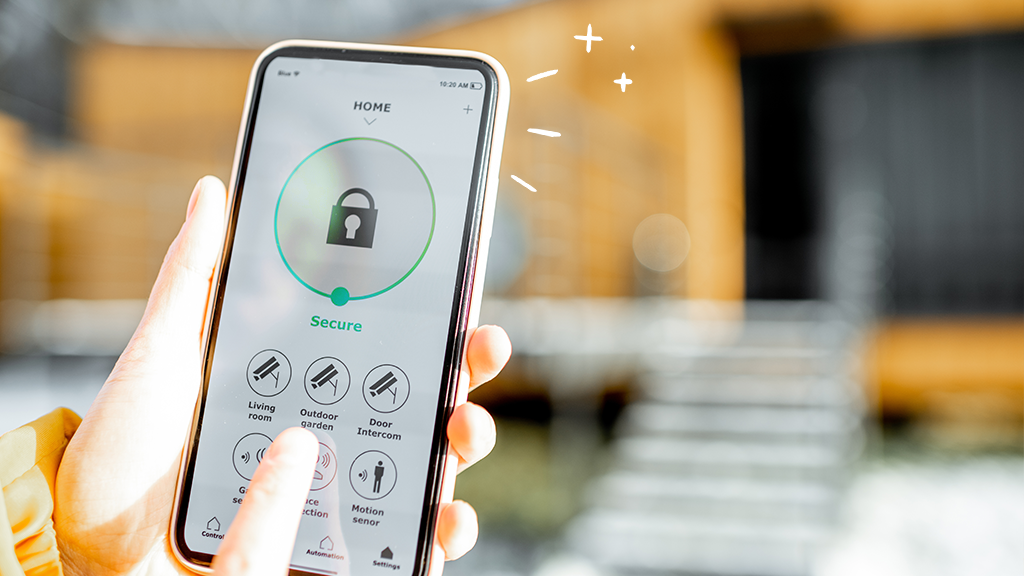
- Mobile App: Enables remote access, control, and customization of settings.
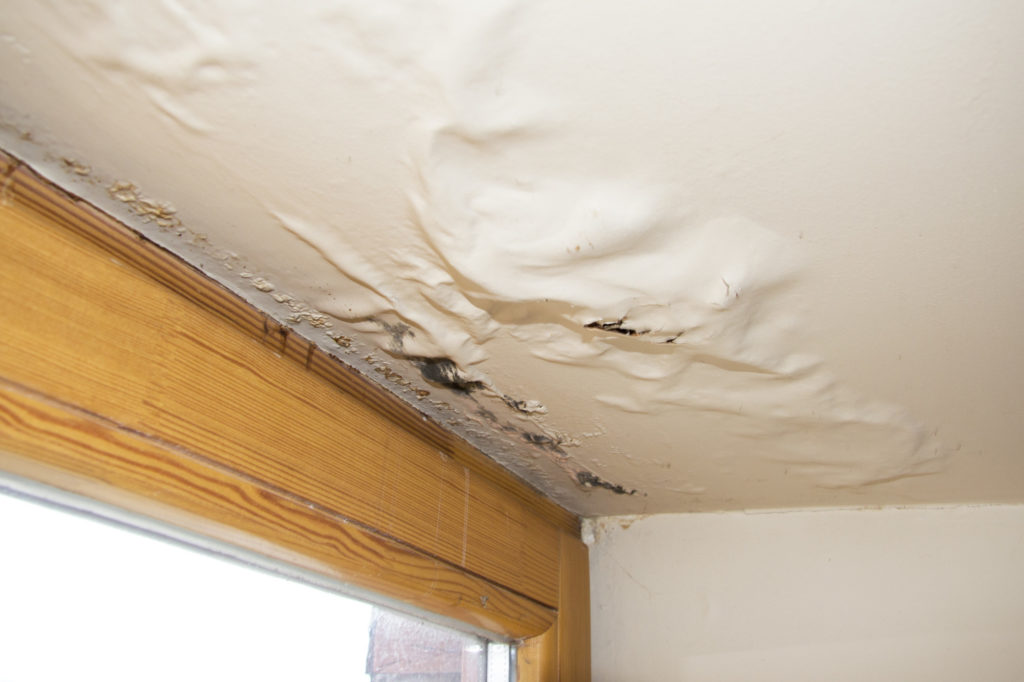
Many systems also offer environmental monitoring for smoke, carbon monoxide, and water leaks, further enhancing household safety.
Benefits of Adopting Intelligent Security Technology
Upgrading to a smart intrusion detection platform delivers several advantages over legacy systems. Some of the most notable benefits include:
- Enhanced Protection: Advanced detection methods catch threats that traditional alarms might miss.
- Convenience: Manage your system from your phone, set custom rules, and automate responses for different scenarios.
- Scalability: Easily add new devices or features as your needs change, without major rewiring or installation hassles.
- Deterrence: Visible cameras and smart lighting can discourage would-be intruders before they attempt entry.
- Insurance Benefits: Some insurers offer discounts for homes equipped with certified smart security systems.
For a deeper look at how technology is shaping residential protection, see our article on the future of home protection technology.
How to Choose the Right Smart Security Solution
With a wide range of options available, selecting the best system for your home requires careful consideration. Here are some key factors to evaluate:
- Coverage Area: Assess the size and layout of your property to determine the number and type of sensors needed.
- Integration: Ensure compatibility with your existing smart home ecosystem, such as Alexa, Google Assistant, or Apple HomeKit.
- Monitoring Options: Decide between self-monitoring (DIY alerts) and professional monitoring services for emergency response.
- Privacy and Data Security: Review the provider’s policies on data encryption, storage, and sharing.
- Budget: Compare upfront costs, subscription fees, and potential savings from insurance or energy management.
Reading independent reviews and consulting with security professionals can help you make an informed decision. For more on proactive risk management, visit this personal risk management guide for home protection.
Integrating Smart Detection with Other Home Technologies
One of the greatest strengths of modern security solutions is their ability to work alongside other smart home technologies. For example, intrusion detection can trigger automated lighting, send alerts to your phone, or even lock doors automatically. This interconnected approach not only improves safety but also adds convenience and energy efficiency.
Some systems can also monitor for environmental hazards or pests. If you’re interested in comprehensive protection, consider learning about rodent detection for homes or home hygiene protection systems to keep your living space safe from a variety of threats.
Common Challenges and How to Address Them
While smart intrusion detection offers numerous benefits, there are some challenges to be aware of:
- False Alarms: Pets, HVAC systems, or environmental factors can sometimes trigger sensors. Look for systems with AI-based filtering to minimize these incidents.
- Connectivity Issues: Reliable Wi-Fi and backup power are crucial for uninterrupted protection. Choose devices with battery backup and cellular options if possible.
- Privacy Concerns: Always review privacy settings and data policies, especially for cameras and cloud-based services.
- Installation Complexity: Some systems are DIY-friendly, while others may require professional setup. Evaluate your comfort level and the complexity of your home’s layout.
For hard-to-reach areas like crawl spaces, specialized solutions are available. Read more about crawl space monitoring solutions for comprehensive coverage.
FAQ: Smart Security and Intrusion Detection
How do smart intrusion detection systems reduce false alarms?
Modern systems use advanced sensors and artificial intelligence to distinguish between routine activity and genuine threats. Features like facial recognition, pet immunity, and customizable sensitivity settings help minimize unnecessary alerts.
Can I install a smart security system myself?
Many options are designed for easy DIY installation, with wireless sensors and step-by-step app guides. However, larger homes or more complex setups may benefit from professional installation to ensure optimal coverage and integration.
Are these systems compatible with other smart home devices?
Most leading brands support integration with popular platforms such as Amazon Alexa, Google Assistant, and Apple HomeKit. This allows you to automate routines, control devices with voice commands, and create a unified smart home experience.
Will my insurance premium decrease if I install a smart security system?
Some insurance providers offer discounts for homes equipped with certified smart security solutions. Check with your insurer to see if you qualify for reduced premiums or additional benefits.
Conclusion
Embracing smart intrusion detection systems is a proactive step toward safeguarding your home in an increasingly connected world. With features like real-time alerts, remote monitoring, and seamless integration, these solutions offer a level of protection and convenience that traditional alarms can’t match. By carefully evaluating your needs and researching available options, you can build a security system that keeps your household safe, secure, and ready for the future.