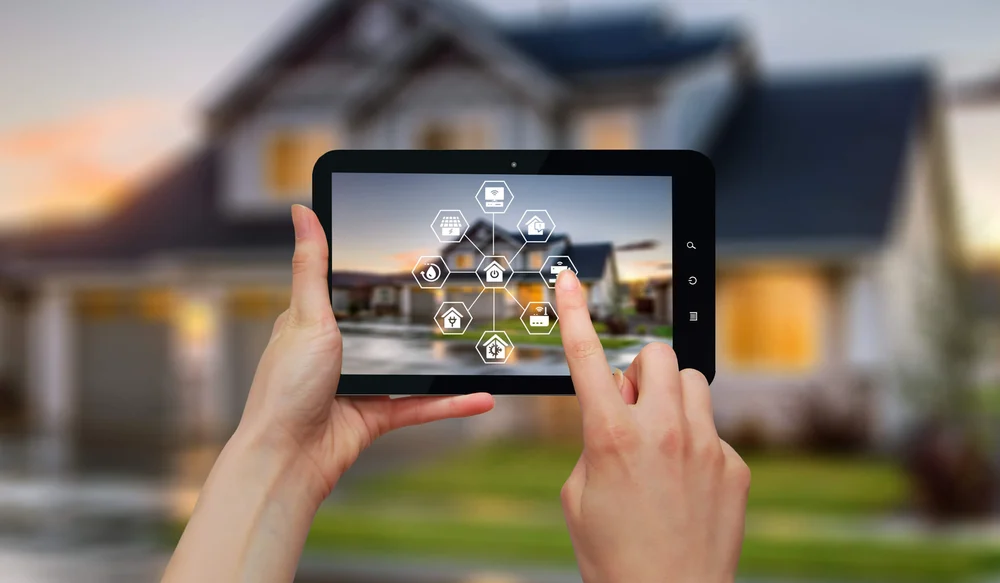
Feeling secure at home is a top priority for families and individuals alike. With the rise of smart technology and increasing concerns about property safety, home security monitoring services have become an essential part of modern living. These solutions provide continuous surveillance and rapid response, helping to deter intruders, detect emergencies, and offer reassurance whether you’re at home or away.
Choosing the right monitoring provider can be overwhelming, especially with so many options and features available. This article explains how these services work, their key benefits, and what to consider when selecting a provider. If you’re interested in learning about the latest innovations in this space, check out our guide on next-generation home security systems for an in-depth look at cutting-edge features.
What Are Home Security Monitoring Services?
At their core, these services involve a network of sensors, cameras, and alarms connected to a central monitoring station. When a sensor is triggered—by movement, a door opening, glass breaking, or smoke—an alert is sent to a team of professionals who assess the situation and take appropriate action. This could mean contacting you, dispatching emergency responders, or both.
There are two main types:
- Professional monitoring: A dedicated team watches over your system 24/7, ready to respond to any alert.
- Self-monitoring: You receive notifications directly on your phone or device and decide how to respond.
Most reputable providers offer professional monitoring as a subscription service, often bundled with equipment and installation.
Key Benefits of Professional Monitoring
Investing in a professionally monitored system offers several advantages over relying solely on self-monitoring or basic alarms:
- Immediate response: Trained operators act quickly in emergencies, reducing the risk of property loss or harm.
- 24/7 protection: Your home is watched around the clock, even when you’re asleep or away.
- False alarm management: Professionals can verify threats and help avoid unnecessary emergency dispatches.
- Insurance benefits: Many insurers offer discounts for homes with monitored security systems.
- Peace of mind: Knowing experts are ready to help brings confidence and comfort to homeowners.
How Monitoring Services Work
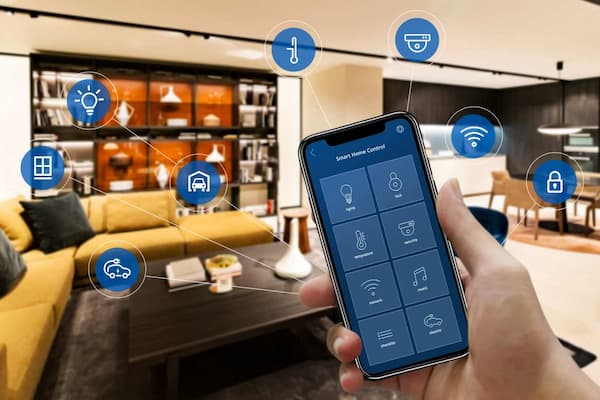
When you install a security system with monitoring, sensors are placed at entry points, windows, and key areas inside your home. These devices detect motion, sound, glass breakage, smoke, carbon monoxide, and even water leaks. The system is connected to a control panel, which communicates with the monitoring center via cellular, Wi-Fi, or landline connections.
If an event occurs, the system sends a signal to the monitoring station. Operators then:
- Attempt to contact you to verify the alert.
- If you confirm the emergency (or don’t respond), they notify police, fire, or medical services as needed.
- Continue to monitor the situation and provide updates until help arrives.
Some modern systems also allow you to view live camera feeds, control devices remotely, and receive instant notifications through a mobile app.
Choosing the Right Provider for Your Needs
Not all home security monitoring services are created equal. Here are some important factors to consider when comparing providers:
- Response time: How quickly does the company react to alerts?
- Equipment quality: Are the sensors, cameras, and control panels reliable and up to date?
- Contract terms: Is there a long-term commitment, or can you pay month-to-month?
- Integration: Does the system work with your smart home devices and platforms?
- Customer support: Is help available when you need it?
- Reputation: Look for customer reviews and industry certifications.
For those interested in the future of this technology, our article on future of home protection technology explores upcoming trends and innovations in the security sector.
Smart Home Integration and Advanced Features
Today’s best security solutions go beyond basic alarms. Many systems now offer:
- Video verification: Monitoring centers can view live footage to confirm threats.
- Mobile control: Arm, disarm, and check your system from anywhere.
- Environmental monitoring: Get alerts for smoke, carbon monoxide, flooding, or temperature changes.
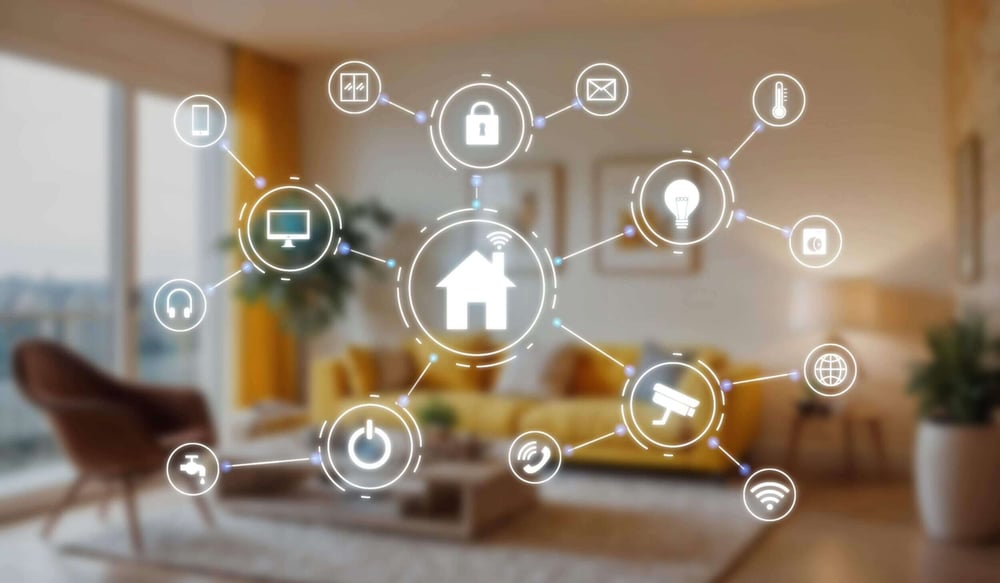
- Home automation: Integrate with lights, locks, and thermostats for added convenience and security.
These features not only improve safety but also make daily life more convenient. For more on smart home upgrades, see our guide to smart homeowner solutions.
Tips for Maximizing Your Security Investment
To get the most out of your monitoring service, consider these practical steps:
- Place sensors and cameras in strategic locations, covering all entry points and vulnerable areas.
- Test your system regularly to ensure all components are working.
- Keep your contact information up to date with your provider.
- Educate family members on how to use the system and respond to alerts.
- Take advantage of mobile apps and smart integrations for added convenience.
For a proactive approach to home protection, you may find this comprehensive guide to proactive home protection helpful in understanding why prevention is key.
Frequently Asked Questions
Are professional monitoring services worth the cost?
For many homeowners, the added security and peace of mind justify the monthly fee. Professional monitoring provides immediate response to emergencies, which can be critical in situations where every second counts. It also reduces the risk of missed alerts and false alarms compared to self-monitoring.
Can I integrate my security system with other smart home devices?
Most modern systems support integration with smart locks, lights, thermostats, and voice assistants. This allows for automation and remote control, making your home both safer and more convenient. Always check compatibility before purchasing new devices.
What should I do if my alarm is triggered accidentally?
If you accidentally set off your alarm, contact your monitoring provider immediately using the system’s app or control panel. Many services have protocols in place to verify your identity and cancel the emergency response if needed. Regularly reviewing procedures with all household members can help prevent accidental triggers.
Conclusion
Reliable monitoring is a cornerstone of effective home protection. Whether you’re looking for basic intrusion alerts or a fully integrated smart security solution, today’s services offer a range of features to fit your needs. By understanding how these systems work and what to look for in a provider, you can make an informed decision that keeps your home and loved ones safe. For more on maintaining a secure and healthy living environment, explore our article on home hygiene protection systems.