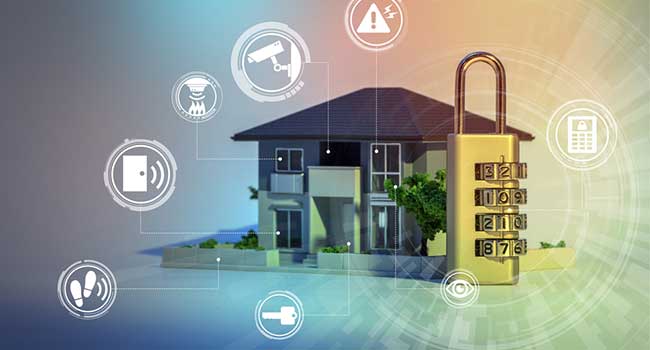
Modern homeowners are increasingly turning to whole home monitoring systems to safeguard their property, loved ones, and valuables. These comprehensive solutions integrate security, environmental, and energy monitoring into a single, unified platform, providing unmatched convenience and reassurance. As technology advances, these systems are becoming more accessible, user-friendly, and powerful, making them a smart investment for anyone seeking a safer, smarter living environment.
Whether you’re looking to deter intruders, prevent costly damage, or simply keep an eye on your home while you’re away, an all-in-one monitoring approach delivers the oversight and control you need. In this guide, we’ll break down the essential components, benefits, and considerations for choosing the right system for your household. For those interested in the latest innovations, you may also want to explore next-generation home security systems for a deeper dive into advanced features.
What Makes a Home Monitoring Solution Truly Comprehensive?
A truly effective monitoring setup goes far beyond basic alarms or single-purpose devices. The best systems combine several layers of protection and automation, including:
- Security sensors for doors, windows, and motion detection
- Smart cameras with live streaming and cloud recording
- Environmental sensors for smoke, carbon monoxide, water leaks, and temperature changes
- Energy usage monitors to track and optimize electricity consumption
- Centralized control via mobile apps or smart home hubs
By integrating these elements, homeowners gain a 360-degree view of their property’s safety and status, whether at home or on the go.
Key Benefits of Whole Home Monitoring Solutions
Investing in a unified monitoring system offers several advantages over piecemeal solutions:
- All-in-one convenience: Manage security, safety, and energy from a single dashboard.
- Real-time alerts: Receive instant notifications for break-ins, fire, leaks, or unusual activity.
- Remote access: Check cameras, arm/disarm alarms, and monitor energy usage from anywhere.
- Proactive protection: Early warnings help prevent disasters and minimize damage.
- Peace of mind: Know your home is protected 24/7, even when you’re away.
Many modern systems also offer integration with voice assistants and smart home devices, further enhancing convenience and control.
Core Components of a Modern Home Monitoring System
To achieve full coverage, a robust system typically includes the following elements:
1. Security Sensors and Alarms
Door and window sensors, motion detectors, and glass break sensors form the backbone of intrusion detection. Many solutions also feature loud sirens and automated notifications to alert you and, if desired, emergency services.
2. Video Surveillance
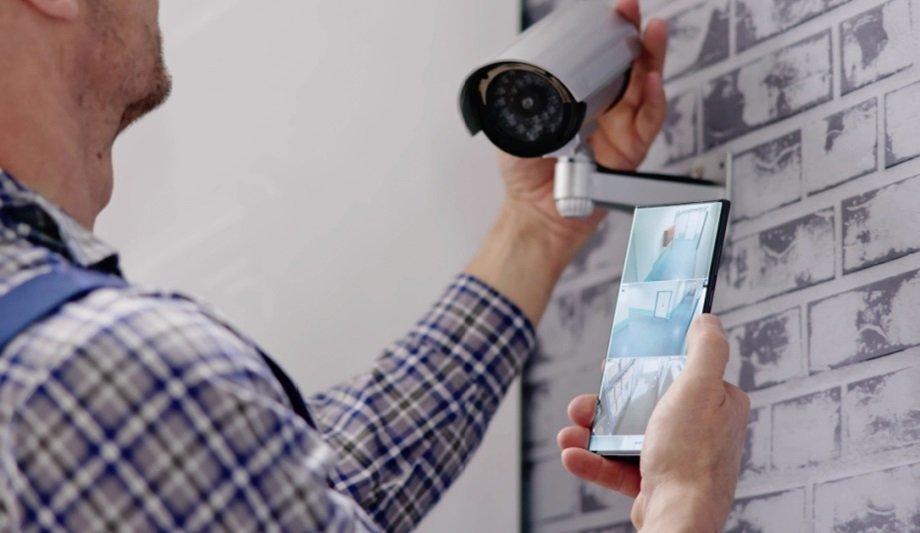
Indoor and outdoor cameras provide live and recorded video feeds. Features like night vision, two-way audio, and AI-powered motion detection help distinguish between real threats and false alarms. For a look at emerging trends, see our article on the future of home protection technology.
3. Environmental Monitoring
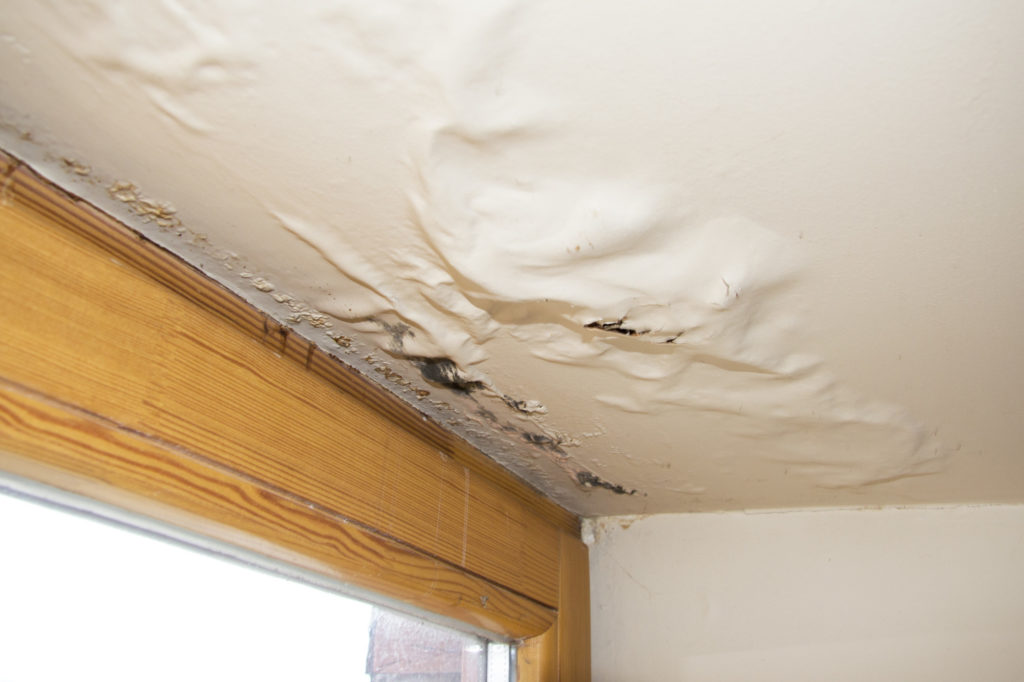
Smoke, carbon monoxide, and water leak sensors can be lifesavers, providing early warnings that help prevent disasters. For example, a water leak sensor can alert you before a small drip becomes a major flood. For more on protecting your property from hazards, check out this guide to fire damage prevention and home protection.
4. Energy and Utility Monitoring
Smart energy monitors track electricity usage in real time, helping you identify waste and optimize consumption. Some systems can even automate energy-saving actions, like turning off lights or adjusting thermostats when you leave the house.
5. Centralized Control and Automation
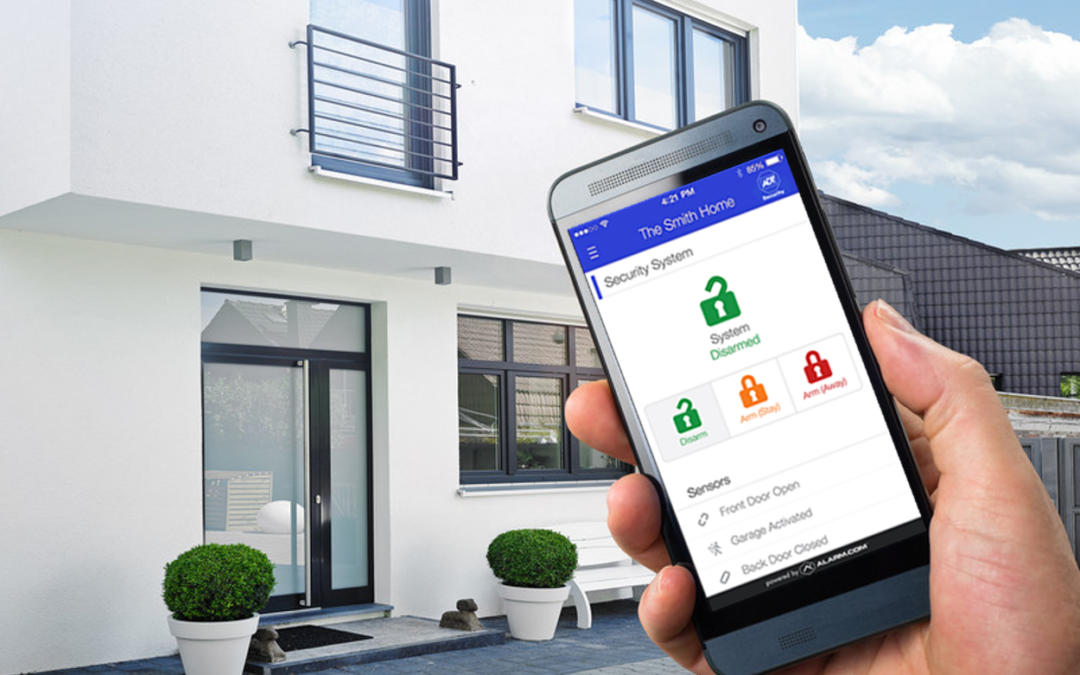
All these components are most effective when managed through a unified app or smart home hub. This allows you to set up routines, automate responses, and receive consolidated alerts, making home management simpler and more efficient.
Choosing the Right System for Your Home
When selecting a monitoring solution, consider the following factors to ensure it meets your needs:
- Coverage: Assess the size of your property and the number of entry points, rooms, and outdoor areas that need protection.
- Integration: Look for systems that work with your existing smart home devices and platforms.
- Professional vs. DIY installation: Some systems are designed for easy self-installation, while others may require professional setup.
- Subscription fees: Many providers charge for cloud storage, professional monitoring, or advanced features. Compare costs and features carefully.
- Scalability: Choose a solution that can grow with your needs, allowing you to add devices or upgrade components over time.
For those interested in automating other aspects of home management, our resource on home maintenance automation tools offers practical tips for effortless upkeep.
Integrating Monitoring with Smart Home Routines
One of the biggest advantages of modern monitoring systems is their ability to work seamlessly with other smart devices. For example, you can set up routines that automatically lock doors, adjust lighting, or activate cameras when you leave the house. Integration with voice assistants like Alexa or Google Assistant adds another layer of convenience, letting you control your system with simple voice commands.
Combining monitoring with smart homeowner solutions can further enhance your home’s efficiency, comfort, and safety.
Common Challenges and How to Overcome Them
While the benefits are clear, some homeowners face challenges when implementing a comprehensive monitoring solution:
- Compatibility issues: Not all devices work together out of the box. Stick to systems that support common standards like Z-Wave, Zigbee, or Wi-Fi, or choose a single brand ecosystem for maximum compatibility.
- Privacy concerns: Always review privacy policies and security settings, especially for cloud-connected cameras and microphones. Enable two-factor authentication and keep software updated.
- False alarms: Proper placement of sensors and regular maintenance can help reduce nuisance alerts.
By planning ahead and choosing reputable brands, you can minimize these issues and enjoy the full benefits of a connected, protected home.
FAQ
How do whole home monitoring systems differ from traditional security alarms?
Traditional alarms typically focus on detecting break-ins through door and window sensors or motion detectors. In contrast, modern monitoring solutions integrate security, environmental, and energy monitoring into a single platform, offering broader protection and more advanced features like remote access, automation, and real-time alerts.
Can I install a monitoring system myself, or do I need professional help?
Many popular systems are designed for DIY installation, with wireless sensors and straightforward setup processes. However, larger homes or more complex integrations may benefit from professional installation to ensure optimal coverage and performance.
Are there ongoing costs associated with these systems?
Some systems require monthly or annual subscriptions for features like cloud video storage, professional monitoring, or advanced automation. It’s important to compare plans and understand what’s included before making a purchase.
Final Thoughts
Adopting a comprehensive home monitoring approach is one of the most effective ways to protect your property and loved ones. By combining security, environmental, and energy management into a single, easy-to-use system, you gain greater control, convenience, and peace of mind. As technology continues to evolve, these solutions will only become more powerful and accessible, making now an excellent time to invest in your home’s safety and efficiency.