Keeping a house in top condition can be a challenge, especially with busy schedules and ever-growing to-do lists. Fortunately, home maintenance automation tools are transforming the way homeowners manage routine tasks, safety, and energy efficiency. These smart solutions help streamline chores, provide real-time alerts, and even prevent costly repairs before they happen.
From intelligent security systems to energy monitoring and leak detection, the latest technology offers practical ways to simplify upkeep. Whether you’re looking to save time, reduce stress, or simply want peace of mind, integrating automation into your living space can make ongoing maintenance far less demanding.
For those interested in advanced protection, exploring next-generation home security systems can provide additional insights into safeguarding your property with the latest features.
Why Automate Home Maintenance?
Homeowners often deal with a variety of maintenance issues, from minor repairs to major emergencies. Automation tools are designed to monitor, alert, and sometimes even resolve these problems automatically. Here are a few reasons why automating these tasks is becoming increasingly popular:
- Time Savings: Automated systems handle repetitive tasks and send reminders, so you don’t have to keep track of everything manually.
- Cost Efficiency: Early detection of issues like leaks or electrical faults can prevent expensive repairs.
- Peace of Mind: Real-time alerts and remote monitoring mean you’re always in the loop, even when you’re away.
- Energy Optimization: Smart devices help reduce unnecessary energy consumption, lowering utility bills.
Key Categories of Home Maintenance Automation Tools
Let’s look at the main types of automation solutions that can make household upkeep easier and more reliable.
Smart Security and Surveillance Systems
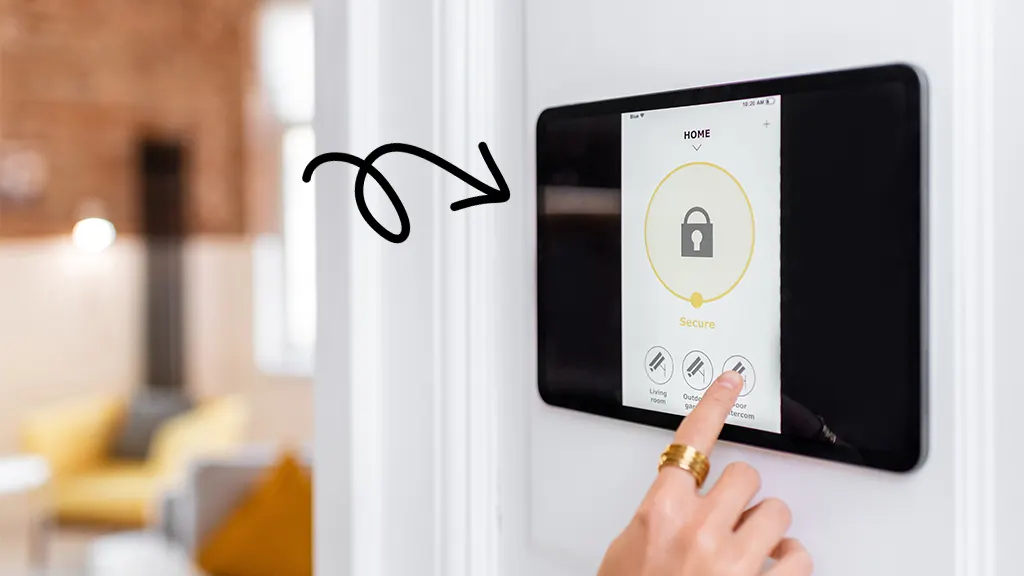
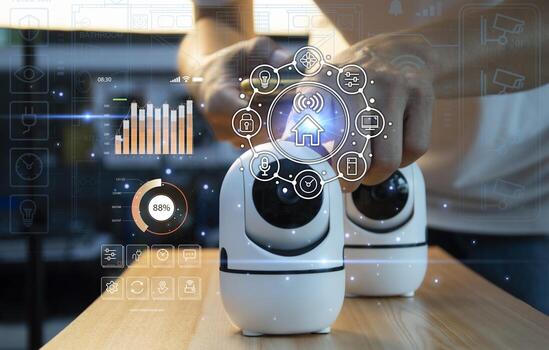
Modern security systems go far beyond simple alarms. They combine motion sensors, cameras, and smart locks to provide comprehensive protection. Many systems can be managed remotely via smartphone apps, allowing you to check in on your property at any time.
For example, smart alarms can notify you instantly if a door is opened unexpectedly, while surveillance cameras record activity and provide live feeds. Integrating these systems with other smart devices can further enhance security and convenience.
To stay ahead of emerging threats, it’s worth learning about the future of home protection technology and how trends in automation are shaping safer environments.
Automated Energy and Utility Monitoring
Managing energy use is a critical part of home maintenance. Smart thermostats, energy monitors, and automated lighting systems help optimize consumption and reduce waste. These tools can learn your habits, adjust settings automatically, and provide insights into where you can save.
Devices like the Emporia Energy Monitor track real-time electricity usage across your home, alerting you to unusual spikes or potential problems. This proactive approach not only saves money but also helps prevent issues like overloaded circuits or failing appliances.
For more on protecting your electrical systems, see our guide to energy system protection at home.
Leak Detection and Environmental Sensors
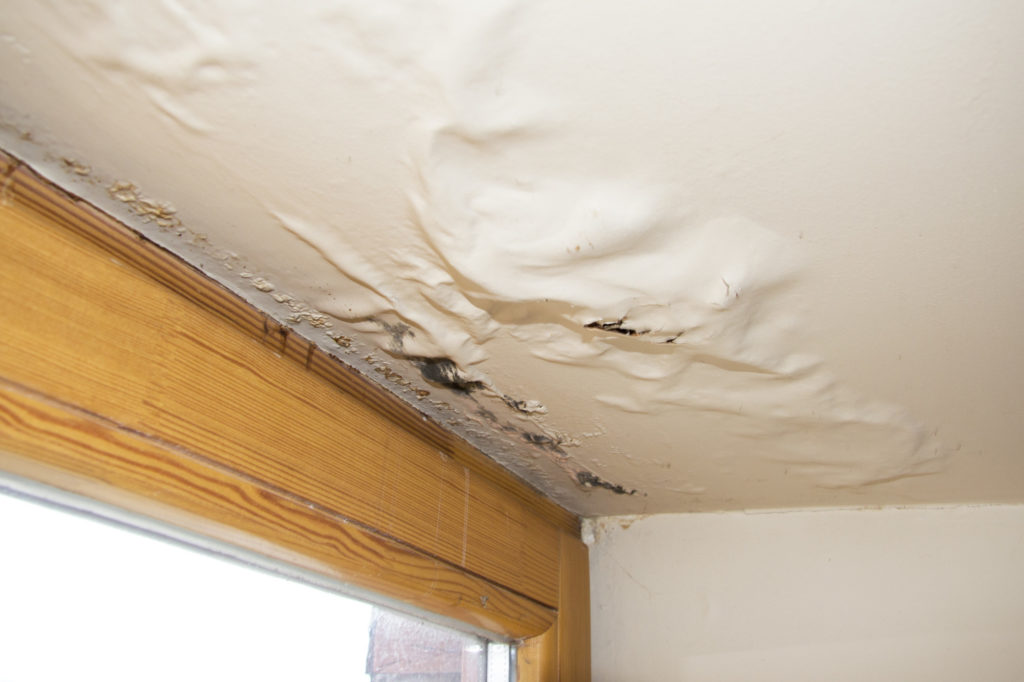
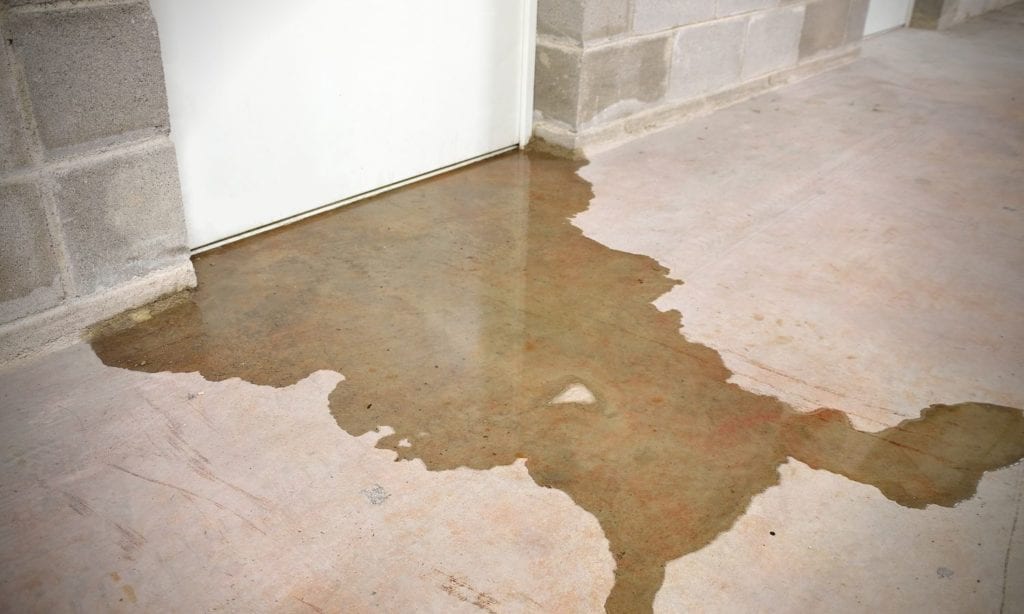
Water leaks, humidity, and air quality issues can cause significant damage if left unchecked. Automated sensors are now available to monitor for leaks, detect excess moisture, and even track carbon monoxide levels. These devices send alerts directly to your phone, allowing you to take action before small problems escalate.
Some systems can even shut off water valves automatically in the event of a detected leak, minimizing damage and reducing the need for costly repairs. For further peace of mind, consider integrating carbon monoxide monitoring systems into your setup.
Choosing the Right Automation Tools for Your Home
Selecting the best solutions depends on your specific needs, budget, and the age or layout of your property. Here are a few tips to guide your decision:
- Assess Your Priorities: Identify which maintenance tasks are most time-consuming or prone to issues in your home.
- Look for Compatibility: Choose devices that integrate smoothly with your existing smart home ecosystem.
- Consider Scalability: Opt for systems that can expand as your needs change, such as adding more sensors or cameras over time.
- Check for Remote Access: Ensure you can monitor and control devices from your smartphone or computer, especially if you travel frequently.
Many homeowners also benefit from learning about rodent detection for homes, as automation can play a role in early pest identification and prevention.
When evaluating options, it’s also smart to read proactive home security tips from industry experts to ensure you’re covering all your bases.
Integrating Automation for Maximum Benefit
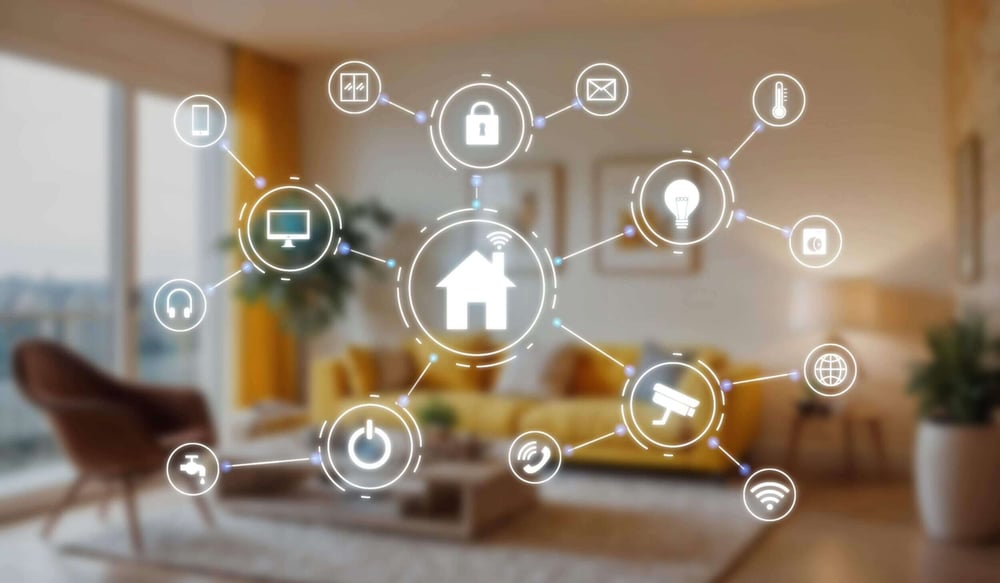
The true power of these technologies comes from integration. Many platforms allow you to connect security, energy, and environmental monitoring into a single dashboard. This unified approach makes it easier to spot trends, receive alerts, and manage your home from anywhere.
Automation is not just about convenience—it’s about creating a safer, more efficient, and more comfortable living environment. By investing in the right tools, you can reduce the burden of routine upkeep and focus on enjoying your home.
FAQ: Home Automation and Maintenance
What are the most essential home maintenance automation tools for beginners?
For those just starting, consider smart security systems, leak detectors, and energy monitors. These devices offer immediate benefits in safety, cost savings, and convenience, and they’re typically easy to install and use.
Can automation tools help prevent major home repairs?
Yes, many smart devices are designed to detect issues early—such as water leaks, electrical faults, or security breaches—so you can address them before they become expensive problems. Automated alerts and shut-off features are especially valuable for minimizing damage.
How do I ensure my automation devices work together?
Look for products that support common smart home platforms (like Alexa, Google Home, or Apple HomeKit). Using a central hub or app can help you manage multiple devices from different brands, ensuring seamless integration and control.