
The rise of smart home technology has transformed how we interact with our living spaces. From voice assistants and smart thermostats to connected cameras and lighting, these devices offer convenience and automation. However, as more personal data flows through these systems, concerns about data privacy in smart homes have become increasingly important for homeowners.
Understanding the risks and best practices for protecting your personal information is essential. Whether you’re just starting to automate your home or already have a network of connected devices, prioritizing privacy safeguards will help you enjoy the benefits of smart technology without compromising your security.

For those interested in exploring advanced protection, you may want to learn about next-generation home security systems that integrate both physical and digital safeguards. These solutions can enhance your overall privacy and security posture.
Understanding Privacy Risks in Connected Homes
Smart home devices collect and transmit a wide range of data, including voice recordings, video feeds, usage patterns, and even biometric information. While these features offer convenience, they also create potential vulnerabilities. Hackers, unauthorized third parties, or even poorly secured manufacturers can exploit these data streams if proper precautions are not in place.
- Unauthorized Access: Weak passwords or outdated firmware can allow attackers to gain control of your devices.
- Data Sharing: Some manufacturers may share your data with third parties for marketing or analytics without your explicit consent.
- Surveillance Risks: Smart cameras and microphones, if compromised, can be used to monitor your activities.
- Network Vulnerabilities: All devices connected to your Wi-Fi network can be entry points for cybercriminals if not properly secured.
Key Principles for Protecting Data Privacy in Smart Homes
To minimize risks, it’s important to adopt a proactive approach to privacy. Here are some foundational steps:
- Choose Reputable Brands: Select devices from manufacturers with strong privacy policies and a track record of regular security updates.
- Review Permissions: Limit device permissions to only what is necessary for their function. Disable features you don’t use, such as remote access or voice recording.
- Secure Your Network: Use strong, unique passwords for your Wi-Fi and devices. Enable WPA3 encryption if available, and consider setting up a separate network for smart devices.
- Update Regularly: Keep device firmware and companion apps updated to patch known vulnerabilities.
- Monitor Data Sharing: Regularly review privacy settings and opt out of unnecessary data collection or sharing with third parties.
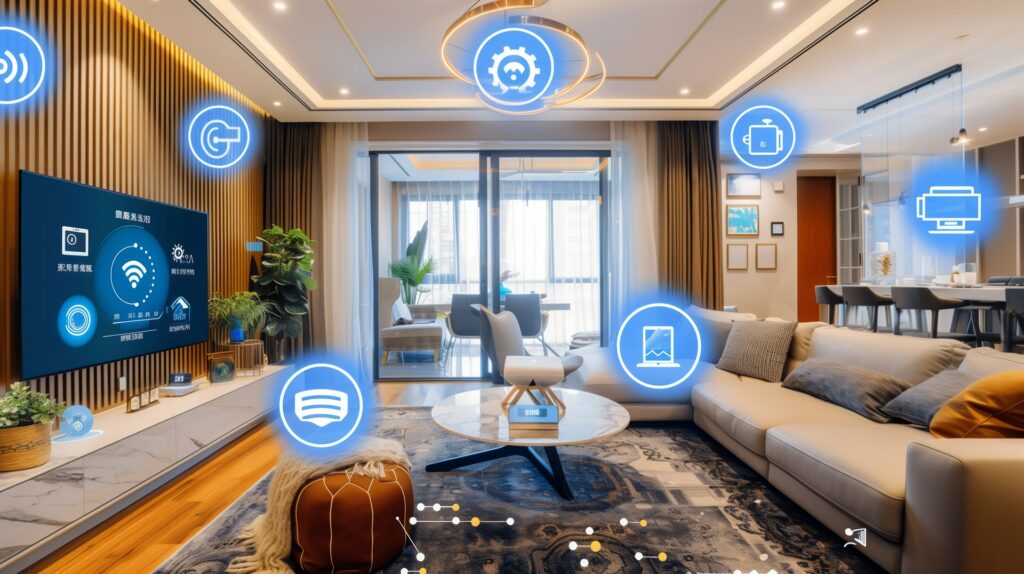
Smart Device Security: Best Practices for Homeowners
Securing your smart home ecosystem requires a combination of technical measures and informed habits. Here are actionable tips to help you maintain control over your personal data:
- Change Default Credentials: Many devices ship with default usernames and passwords. Change these immediately upon setup.
- Enable Two-Factor Authentication (2FA): Where available, activate 2FA for your accounts to add an extra layer of protection.
- Segment Your Network: Create a guest or dedicated IoT network to isolate smart devices from computers and smartphones.
- Disable Unused Services: Turn off features like remote access, voice assistants, or cloud backups if you don’t need them.
- Regularly Audit Devices: Periodically review which devices are connected to your network and remove any that are no longer in use.
For more on how technology is shaping home protection, see our guide on the future of home protection technology.
How Manufacturers Handle Your Data
Understanding how device makers handle your information is a critical part of maintaining privacy. Reputable brands publish transparent privacy policies and provide clear options for managing your data. Before purchasing, look for:
- Transparent Data Policies: The company should disclose what data is collected, how it’s used, and who it’s shared with.
- Local Data Storage: Devices that store data locally, rather than in the cloud, reduce exposure to external breaches.
- Regular Security Updates: Ongoing support and updates indicate a commitment to user privacy and security.
Always read privacy statements and opt out of unnecessary data sharing where possible. If you’re unsure, contact customer support for clarification on their privacy practices.
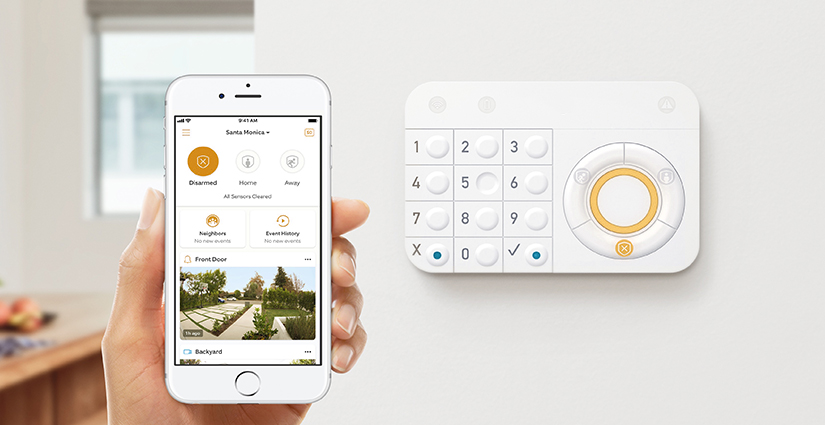
Balancing Convenience and Security in Smart Living
One of the main appeals of smart homes is the convenience they offer. However, it’s important to balance this with robust privacy measures. Here are some strategies to help you enjoy the benefits of automation while keeping your data safe:
- Customize Automation: Only automate tasks that truly add value to your daily life. The fewer devices and integrations, the fewer potential vulnerabilities.
- Educate Household Members: Make sure everyone in your home understands the importance of privacy and follows best practices.
- Monitor Device Activity: Use apps or dashboards to keep an eye on device behavior and receive alerts for unusual activity.
- Stay Informed: Follow trusted sources and industry updates to learn about new threats and recommended actions.
For a more comprehensive approach to home wellness, consider integrating home hygiene protection systems alongside your privacy strategy.
Legal and Regulatory Considerations
Privacy regulations such as GDPR (General Data Protection Regulation) in Europe and CCPA (California Consumer Privacy Act) in the United States are shaping how companies handle consumer data. These laws grant you rights over your personal information, including the ability to access, delete, or restrict its use. When choosing smart home products, look for compliance with relevant privacy standards and certifications.
Manufacturers that adhere to these regulations are more likely to respect your privacy and provide tools for managing your data. If you have concerns, exercise your rights by contacting the company or using built-in privacy controls.
For a deeper dive into protecting your home with technology, check out our article on smart homeowner solutions.
Resources for Further Learning
Staying informed is key to maintaining data privacy in smart homes. For a detailed overview of securing your connected devices, visit this comprehensive smart home security guide. It covers practical steps and considerations for every homeowner.
Additionally, keep an eye on emerging trends in home maintenance automation tools to ensure your privacy strategy evolves alongside new technologies.
Frequently Asked Questions
What types of data do smart home devices collect?
Smart home devices can collect a variety of data, including audio recordings, video footage, usage logs, location information, and sometimes even biometric data. The specific data collected depends on the device’s functionality and settings.
How can I tell if my smart home devices are secure?
Look for devices from reputable brands that offer regular firmware updates, transparent privacy policies, and security features like two-factor authentication. Regularly review your device settings, change default passwords, and monitor for unusual activity on your network.
Can I use smart home devices without compromising my privacy?
Yes, by following best practices such as limiting device permissions, securing your network, and choosing products with strong privacy protections, you can enjoy the benefits of smart technology while minimizing privacy risks.
Are there laws that protect my smart home data?
Yes, privacy regulations like GDPR and CCPA provide rights and protections for consumers regarding how their data is collected, used, and shared. Always check if your device manufacturer complies with these or similar standards.




