
Maintaining the right humidity levels indoors is crucial for both comfort and the integrity of your living space. Humidity monitoring in homes helps prevent issues like mold, allergens, and even structural damage, while also supporting a healthier environment for you and your family. With the rise of smart home technology, keeping tabs on indoor moisture is easier and more effective than ever before.
Beyond comfort, improper humidity can lead to costly repairs and health risks. Integrating sensors and automation tools into your home can help you achieve the ideal balance, protecting your property and well-being. For those interested in broader smart home upgrades, exploring next-generation home security systems can further enhance your household’s safety and efficiency.
Why Indoor Humidity Matters for Comfort and Safety
Humidity is the measure of water vapor present in the air. In residential settings, the ideal indoor humidity typically ranges from 30% to 50%. Levels outside this range can cause a variety of problems:
- Low humidity (below 30%) can lead to dry skin, irritated respiratory passages, static electricity, and even damage to wooden furniture or flooring.
- High humidity (above 50%) encourages mold growth, dust mites, and can make the air feel sticky and uncomfortable. Over time, excess moisture may compromise structural elements and finishes in your home.
Balancing moisture is not just about comfort—it’s a key factor in maintaining a safe and healthy living environment. For those with allergies or asthma, controlling humidity can significantly reduce triggers.
How Humidity Monitoring in Homes Works
Modern solutions for tracking indoor moisture levels have evolved well beyond analog hygrometers. Today’s humidity monitoring in homes often relies on digital sensors, smart thermostats, and integrated home automation systems. These devices continuously measure air moisture and can alert you or automatically adjust humidifiers, dehumidifiers, or HVAC systems as needed.
Key features of advanced humidity monitoring setups include:
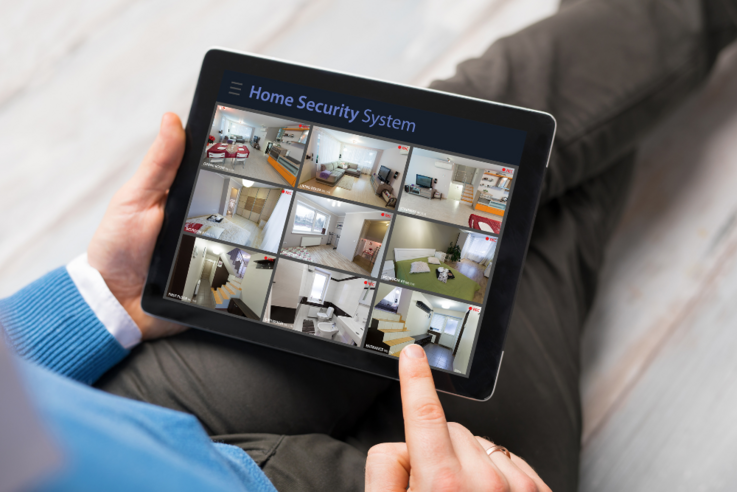
- Real-time data tracking and historical trends
- Remote access via smartphone apps
- Integration with other smart home devices for automated climate control
- Customizable alerts for abnormal readings
Benefits of Smart Humidity Sensors for Homeowners
Adopting smart humidity monitoring in homes brings several advantages:
- Prevention of mold and mildew: Early detection of high moisture helps you act before mold becomes a problem.
- Protection of valuables: Wood, electronics, artwork, and musical instruments are sensitive to humidity swings.
- Improved air quality: Keeping humidity in check reduces allergens and supports respiratory health.
- Energy efficiency: Automated systems can optimize HVAC use, saving energy and lowering utility bills.
- Peace of mind: Alerts and automation mean you don’t have to constantly check levels yourself.
For those looking to automate more aspects of home care, consider exploring home maintenance automation tools to further streamline upkeep and protection.
Choosing the Right Humidity Monitoring Solution
There are several types of devices available for tracking and managing indoor moisture:
- Standalone digital hygrometers: Affordable and easy to use, but typically lack connectivity features.
- Smart sensors: Connect to Wi-Fi or smart home hubs, offering remote monitoring and integration with other devices.
- Integrated systems: Combine humidity tracking with temperature, air quality, and even security features for a comprehensive approach.
When selecting a system, consider the size of your home, the number of rooms you want to monitor, and whether you prefer manual or automated controls. Compatibility with existing smart home platforms can also be a deciding factor.
Integrating Humidity Monitoring with Home Safety Systems
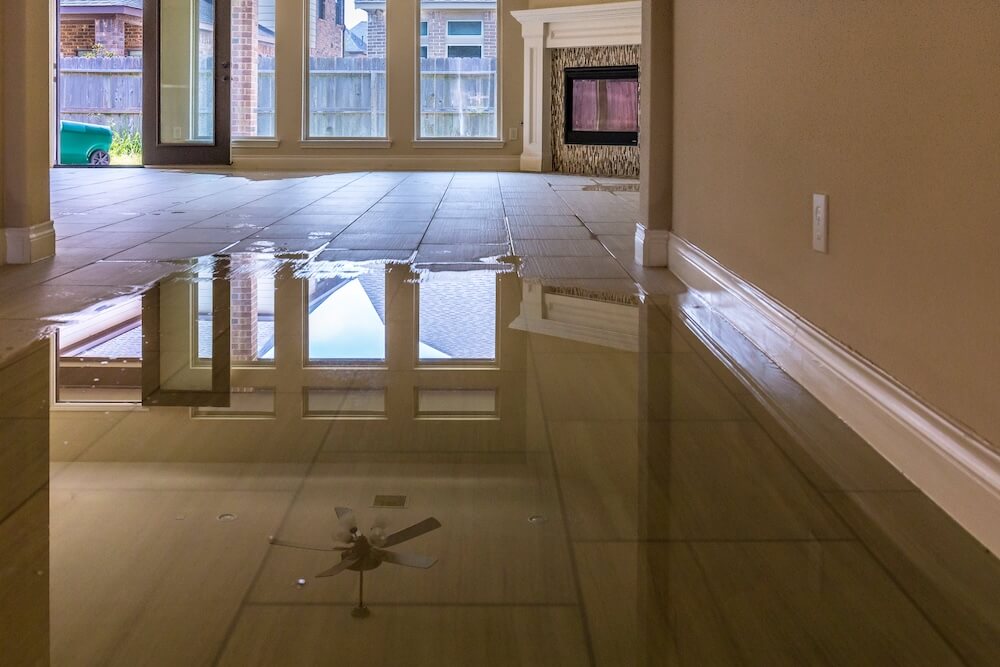
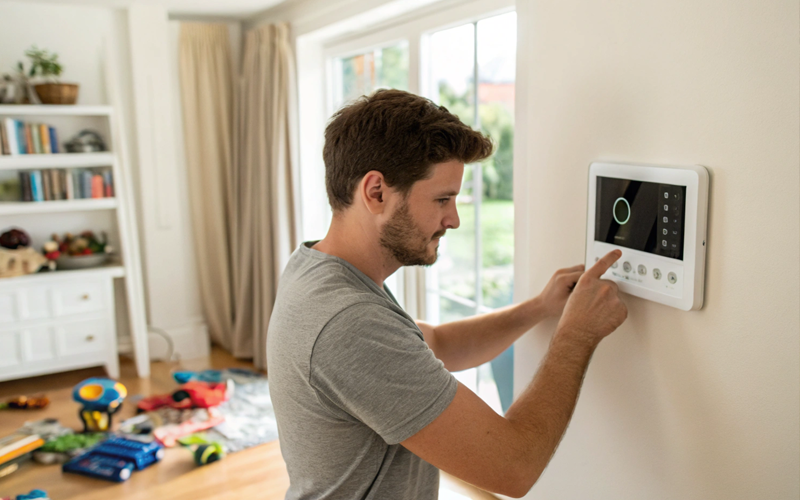
Combining moisture sensors with other smart home safety devices can provide a holistic approach to protection. For example, integrating humidity data with smoke detectors, leak sensors, or security alarms can help you respond quickly to potential hazards. Some advanced systems even allow you to automate responses, such as activating dehumidifiers or sending alerts to your phone when abnormal conditions are detected.
For those interested in the latest trends, reviewing the future of home protection technology can offer insights into how these systems are evolving to provide even greater peace of mind.
Common Problems Caused by Poor Humidity Control
Ignoring moisture levels can lead to a range of issues, including:
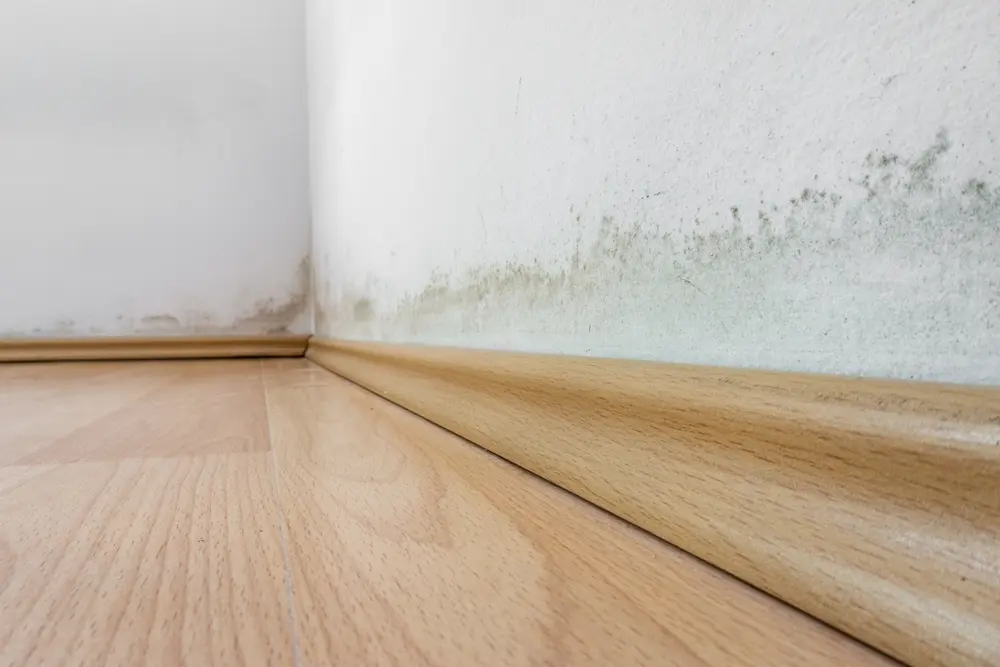
- Mold and mildew outbreaks in bathrooms, basements, and kitchens
- Warping or cracking of wood floors, doors, and furniture
- Increased risk of respiratory issues due to dust mites and allergens
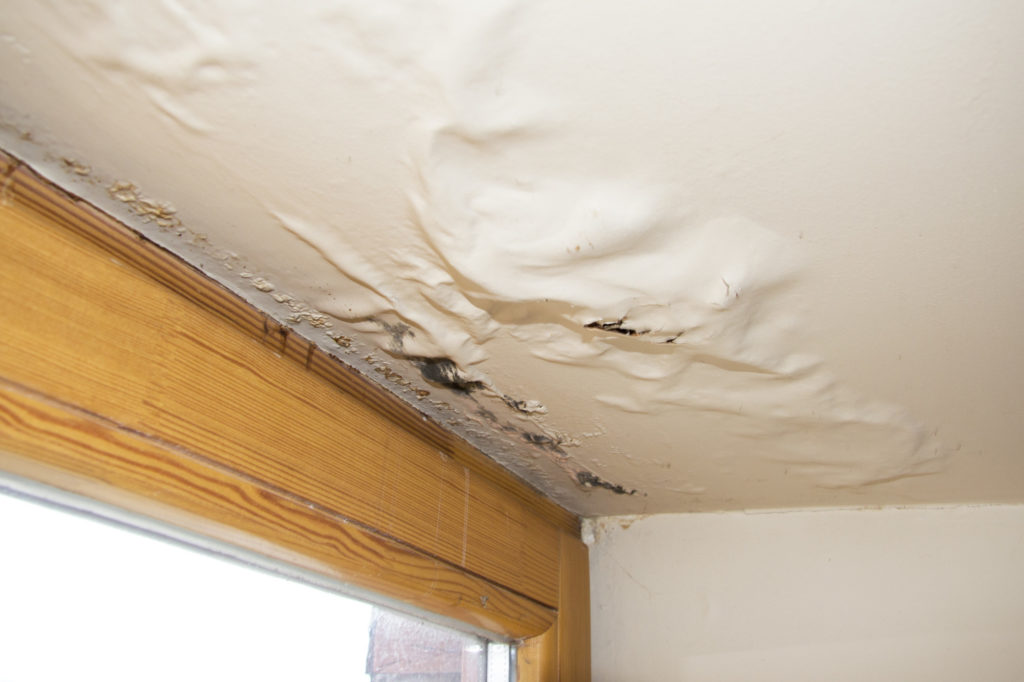
- Peeling paint or wallpaper from persistent dampness
- Electrical problems if condensation affects wiring or outlets
Proactive humidity monitoring in homes can help you avoid these headaches and maintain a healthier, safer environment.
For additional tips on safeguarding your property, you may want to read about critical steps to protect your home from fire damage as part of a comprehensive safety plan.
Tips for Maintaining Optimal Indoor Humidity
- Use exhaust fans in kitchens and bathrooms to remove excess moisture.
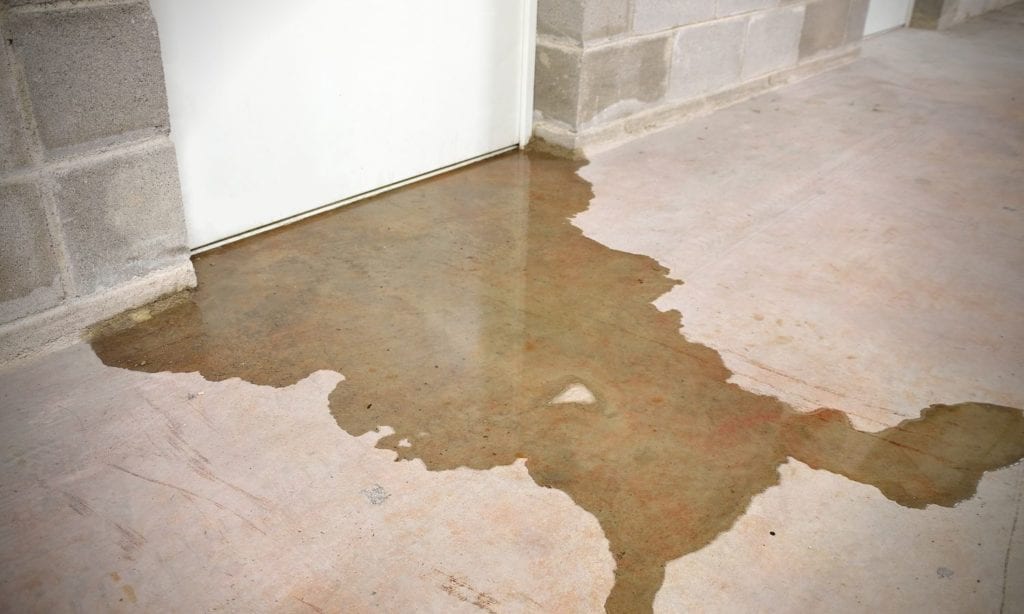
- Seal leaks around windows, doors, and plumbing to prevent water intrusion.
- Regularly check and clean humidifiers and dehumidifiers.
- Monitor humidity in basements and attics, which are prone to moisture problems.
- Consider integrating smart homeowner solutions for automated climate and air quality control.
Staying proactive with these strategies ensures your home remains comfortable and protected year-round.
FAQ: Humidity Monitoring and Home Safety
What is the ideal indoor humidity level for most homes?
The recommended range is between 30% and 50%. Staying within this range helps prevent mold, dust mites, and damage to wood or electronics, while also supporting comfort and respiratory health.
How can I tell if my home has a humidity problem?
Common signs include condensation on windows, musty odors, visible mold, warped wood, or persistent allergy symptoms. Using a digital humidity sensor provides accurate, real-time readings to help you identify issues early.
Are smart humidity sensors worth the investment?
Yes, especially for those seeking convenience, automation, and peace of mind. Smart sensors offer real-time monitoring, alerts, and integration with other home systems, making it easier to maintain optimal conditions and avoid costly repairs.
Can humidity monitoring help prevent fire hazards?
While moisture control itself doesn’t directly prevent fires, maintaining proper humidity can reduce static electricity and protect electrical systems. For comprehensive safety, combine humidity monitoring with other measures such as smoke detectors and follow fire damage prevention best practices.
By adopting smart humidity monitoring in homes and integrating it with other safety and automation tools, you can create a healthier, more resilient living space for years to come.