Staying informed about what’s happening in your home has never been more important. With the rise of smart technology, real-time home alerts have become a key feature for homeowners who want to protect their property and loved ones. These instant notifications can warn you about break-ins, fire, water leaks, or even unexpected activity, all within seconds of an event occurring.
Modern alert systems use a combination of sensors, cameras, and connected devices to monitor your home around the clock. When something unusual is detected, you receive a notification directly to your phone or preferred device, allowing you to take immediate action. This proactive approach to safety is transforming how people manage risk and maintain peace of mind.
For those interested in the future of home protection technology, understanding how instant notifications work is a crucial first step. As smart home systems evolve, the ability to receive and respond to alerts in real time is becoming a standard expectation.
How Instant Home Notifications Work
At the core of any real-time home alert system are sensors and connected devices that monitor your environment. These can include door and window sensors, motion detectors, smoke and carbon monoxide alarms, water leak sensors, and smart cameras. When a sensor is triggered, the system sends a signal to a central hub or directly to your smartphone app.
Most modern systems use Wi-Fi, cellular, or even dedicated radio frequencies to ensure alerts are delivered without delay. This means you can receive notifications whether you’re at home, at work, or traveling. Some platforms also allow you to customize which events trigger alerts, so you only get notified about what matters most to you.
Key Benefits of Real-Time Home Alerts
Implementing instant notification systems in your home offers several advantages:
- Immediate awareness: Get notified the moment something happens, allowing for faster response times.
- Remote monitoring: Stay connected to your property from anywhere in the world.
- Customizable alerts: Choose which types of events trigger notifications, reducing unnecessary interruptions.
- Integration with other smart devices: Many systems can trigger lights, sirens, or lock doors automatically when an alert is detected.
- Peace of mind: Knowing you’re always in the loop helps reduce anxiety about home security.
Types of Events Monitored by Smart Alert Systems
A wide range of incidents can be detected and reported by today’s alert platforms. Some of the most common include:
- Intrusion detection: Receive notifications if doors or windows are opened unexpectedly, or if motion is detected in restricted areas.
- Fire and smoke alerts: Smart smoke detectors can instantly notify you and emergency contacts if smoke or carbon monoxide is present.
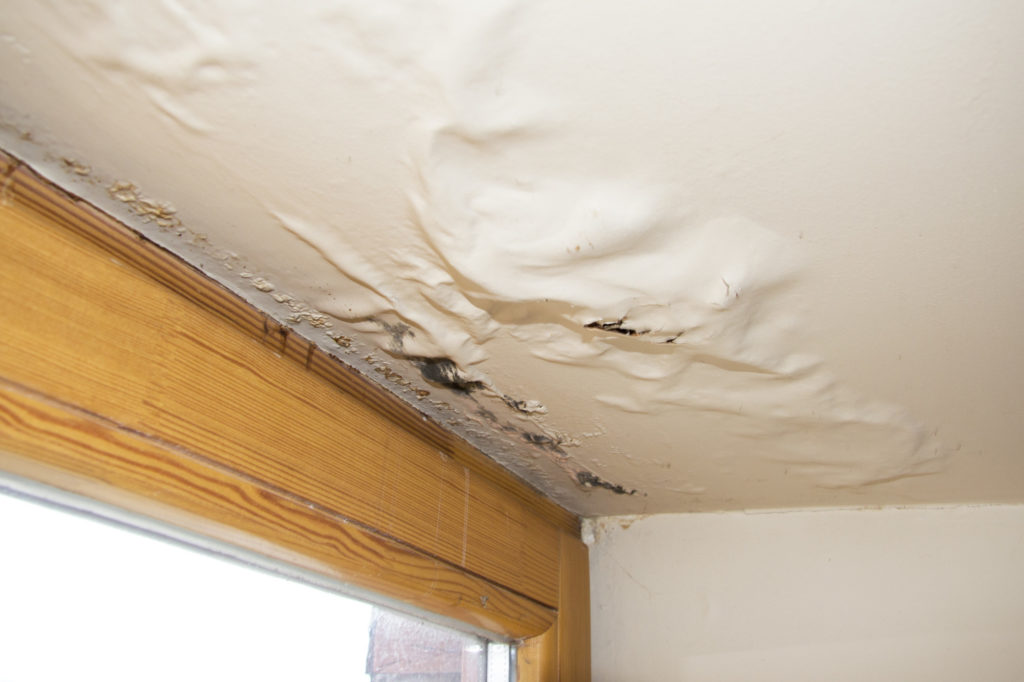
- Water leaks and flooding: Early warnings about leaks can help prevent costly water damage.
- Power outages: Some systems can alert you if your home loses power, which is especially useful for protecting refrigerated goods or sensitive electronics.
- Environmental changes: Temperature, humidity, and air quality sensors can notify you about unsafe or uncomfortable conditions.
For a deeper dive into the latest features available, check out the next-generation home security systems that are shaping the industry.
Choosing the Right Real-Time Notification System
Selecting the best system for your needs depends on several factors. Consider the following when making your decision:
- Compatibility: Ensure the system works with your existing smart devices and preferred platforms (such as Alexa, Google Home, or Apple HomeKit).
- Alert delivery methods: Look for systems that offer push notifications, SMS, email, or even automated phone calls.
- Ease of installation: Some systems are DIY-friendly, while others may require professional setup.
- Subscription fees: Many platforms offer basic alerts for free, but advanced features like video storage or professional monitoring may require a monthly fee.
- Expandability: Choose a system that can grow with your needs, allowing you to add more sensors or integrate with other smart home solutions.
Reading a complete guide to smart home security can help you understand the pros and cons of different systems and make an informed choice.
Integrating Alerts with Other Smart Home Solutions
One of the strengths of modern notification systems is their ability to work alongside other smart home technologies. For example, pairing your alert system with proactive property management systems can automate responses to certain events, such as shutting off water when a leak is detected or locking doors when an intrusion is sensed.
Integration with lighting, thermostats, and voice assistants can further enhance your home’s security and convenience. Many platforms also allow you to set up routines or automations, so your home reacts intelligently to different scenarios.
Best Practices for Maximizing Home Safety
To get the most out of your instant notification system, follow these best practices:
- Regularly test all sensors and devices to ensure they’re working correctly.
- Keep your system’s firmware and apps up to date for the latest features and security patches.
- Review and adjust your alert settings periodically to match your current needs and lifestyle.
- Educate all household members on how to respond to alerts and what actions to take in an emergency.
- Consider integrating your system with smart homeowner solutions for a more comprehensive approach to home management.
FAQ
What types of devices can send real-time home alerts?
A wide range of smart devices can send instant notifications, including door and window sensors, motion detectors, smart cameras, smoke and carbon monoxide alarms, water leak sensors, and even smart energy monitors. These devices are often connected through a central hub or directly to your smartphone app.
Do I need a subscription to receive instant notifications?
Many systems offer basic alert functionality for free, but advanced features such as professional monitoring, cloud video storage, or integration with emergency services may require a subscription. It’s important to review the details of each system before purchasing.
Can I customize which events trigger notifications?
Yes, most modern systems allow you to choose which types of events will send you alerts. You can often set schedules, create zones, and adjust sensitivity to reduce false alarms and ensure you’re only notified about important incidents.
How do real-time alerts improve home safety?
By providing immediate awareness of potential issues, instant notifications allow you to respond quickly to emergencies, prevent damage, and keep your property and loved ones safe. They also offer peace of mind when you’re away from home.
Are these systems difficult to install?
Many alert systems are designed for easy DIY installation, with wireless sensors and step-by-step setup guides. However, more complex or integrated solutions may benefit from professional installation, especially if you want to connect multiple devices or automate responses.