Modern homeowners are increasingly turning to proactive property management systems to safeguard their investments, streamline daily operations, and enhance comfort. These intelligent solutions go beyond traditional home monitoring by anticipating issues, automating maintenance, and providing real-time insights. Whether you want to boost security, reduce energy costs, or simply enjoy more peace of mind, adopting a proactive approach can transform the way you manage your living space.
As technology evolves, so do the options for smart property oversight. From integrated security platforms to automated energy monitoring, these systems empower homeowners to address potential problems before they escalate. If you’re interested in exploring the latest innovations, you may also want to learn about next-generation home security systems and how they complement proactive management strategies.
What Makes a Property Management System Proactive?
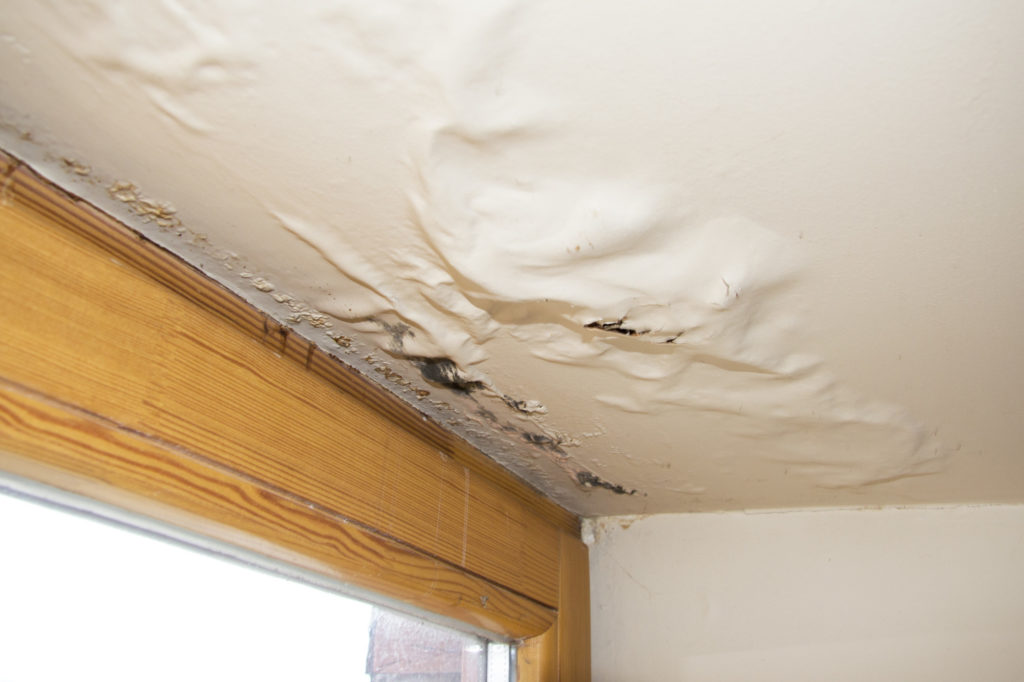
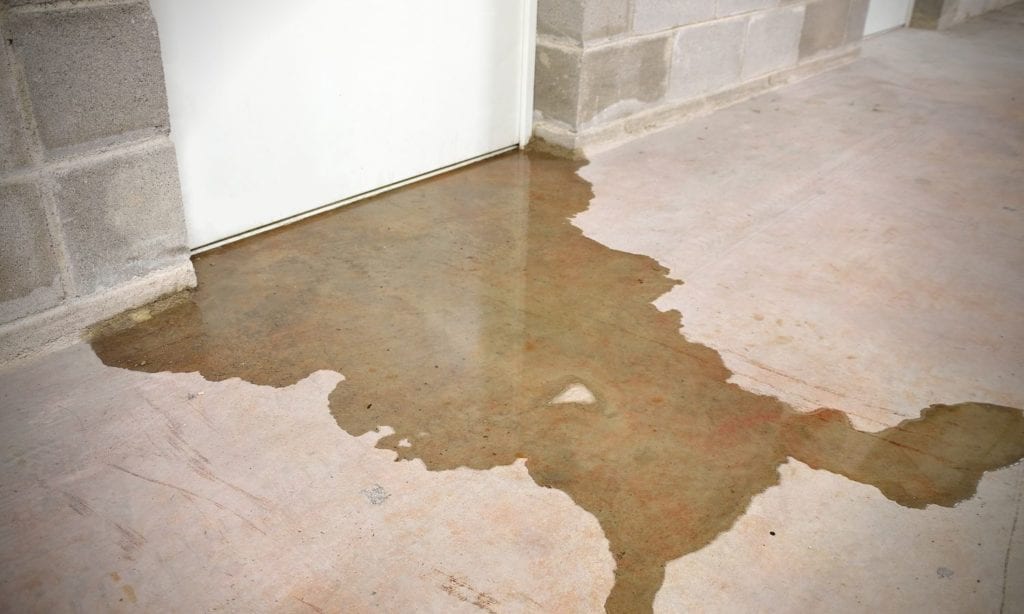
Unlike reactive solutions that respond only after a problem occurs, proactive property management systems are designed to anticipate and prevent issues. They leverage smart sensors, data analytics, and automation to monitor your property continuously. This means you receive alerts about potential water leaks, security breaches, or equipment malfunctions before they become costly emergencies.
Key features often include:
- Real-time monitoring of security, energy, and environmental conditions
- Automated maintenance reminders and scheduling
- Predictive analytics for early detection of wear and tear
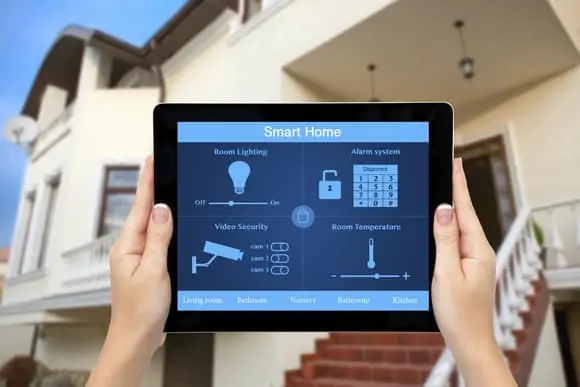
- Remote access and control via mobile apps
- Integration with other smart home devices and platforms
By staying ahead of problems, homeowners can reduce repair costs, avoid downtime, and maintain a safer, more efficient environment.
Core Components of Intelligent Property Oversight
Effective property management solutions are built on a foundation of interconnected devices and software. Here are the core components that make these systems so powerful:
1. Smart Security and Surveillance
Modern security platforms combine cameras, motion sensors, and alarms with cloud-based analytics. These tools not only record incidents but also identify suspicious activity and send instant notifications. Many systems can distinguish between routine events and genuine threats, reducing false alarms and ensuring a swift response when it matters most.

For a deeper dive into the evolution of home protection, check out the future of home protection technology and discover the trends shaping tomorrow’s smart homes.
2. Automated Energy and Utility Management
Energy monitors and smart thermostats help homeowners track consumption, identify inefficiencies, and automate climate control. These solutions can alert you to unusual spikes in usage, suggest ways to save, and even shut off devices remotely to prevent waste or hazards. Over time, this proactive approach can lead to significant cost savings and a smaller environmental footprint.
3. Environmental and Hygiene Monitoring
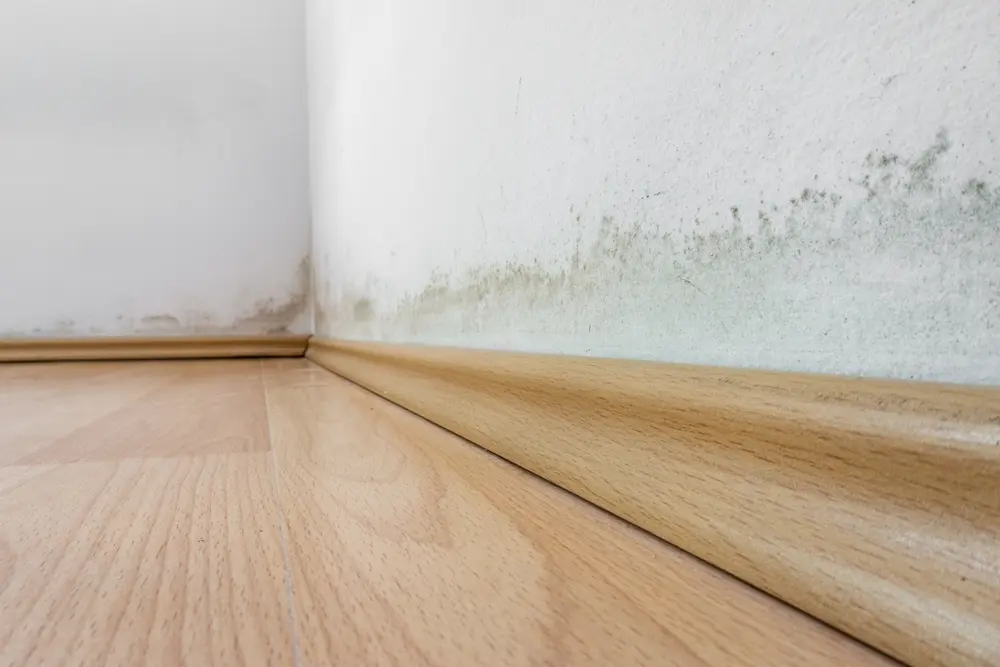
Advanced systems now include sensors for air quality, humidity, and even pest detection. These tools help maintain a healthy living environment by alerting you to mold risks, allergens, or rodent activity. If you’re interested in keeping your home germ-free, explore the benefits of home hygiene protection systems for comprehensive coverage.
Benefits of Proactive Property Management for Homeowners
Adopting a forward-thinking approach to property oversight offers numerous advantages:
- Reduced risk of costly repairs: Early detection of leaks, electrical issues, or structural problems prevents major damage.
- Enhanced safety and peace of mind: Continuous monitoring and instant alerts keep your family and assets secure.
- Lower utility bills: Automated energy management helps identify and eliminate wasteful habits.
- Streamlined maintenance: Scheduled reminders and predictive analytics ensure nothing falls through the cracks.
- Increased property value: Well-maintained, tech-enabled homes are more attractive to buyers and renters.
By leveraging these systems, homeowners can focus less on routine tasks and more on enjoying their living space.
Choosing the Right Proactive Management Solution
With so many options available, selecting the best system for your needs requires careful consideration. Here are some tips to guide your decision:
- Assess your priorities: Are you most concerned with security, energy savings, or overall convenience?
- Look for compatibility: Ensure the system integrates with your existing smart devices and platforms.
- Evaluate scalability: Choose solutions that can grow with your needs, whether you add new rooms or upgrade features.
- Check for remote access: Mobile app control is essential for real-time oversight, especially if you travel frequently.
- Review customer support: Reliable technical assistance can make all the difference in setup and troubleshooting.
For those interested in the latest security options, a comprehensive smart home security guide can provide valuable insights and product comparisons.
Integrating Proactive Management into Everyday Life
Making the most of intelligent property oversight means weaving it into your daily routine. Here are a few practical steps:
- Set up custom alerts: Tailor notifications for events like doors opening, temperature changes, or water leaks.
- Automate recurring tasks: Schedule lighting, HVAC, and appliance controls to match your lifestyle and save energy.
- Review system reports: Regularly check analytics to spot trends and optimize performance.
- Combine with other smart solutions: Integrate with rodent detection for homes or crawl space monitoring solutions for comprehensive coverage.
With the right setup, these systems work quietly in the background, helping you maintain a secure, efficient, and healthy home.
FAQ: Proactive Property Management for Smart Homes
How do proactive property management systems differ from traditional home monitoring?
Traditional monitoring typically responds to incidents after they occur, such as sounding an alarm when a door is opened. In contrast, proactive systems use predictive analytics, automated alerts, and integrated controls to prevent issues before they escalate, offering a more comprehensive approach to home management.
Are these systems difficult to install and maintain?
Many modern solutions are designed for easy installation, often requiring minimal wiring or technical expertise. Maintenance is usually straightforward, with automated updates and remote troubleshooting available through mobile apps or customer support.
Can these systems help save money on utilities?
Yes, automated energy management and real-time monitoring can identify inefficiencies, reduce waste, and help you make informed decisions about usage. Over time, this can lead to noticeable savings on electricity, heating, and cooling bills.