Electrical safety is a crucial aspect of maintaining a secure and comfortable home. Faulty wiring, overloaded circuits, and outdated electrical systems can lead to hazards such as shocks, fires, and costly repairs. By following a structured home electrical safety checklist, you can proactively identify risks and address them before they become serious issues. This article provides a practical, step-by-step approach to inspecting your wiring and electrical components safely, helping you protect your family and property.
Whether you live in an older house or a newly built home, regular electrical inspections are essential. Many homeowners are surprised to learn that small oversights—like a loose outlet or a frayed extension cord—can escalate into significant dangers. With the right knowledge and a careful eye, you can spot warning signs early and take action. If you’re interested in how technology is shaping home protection, check out the future of home protection technology for insights on upcoming trends.
Why Regular Electrical Inspections Matter
Routine checks of your home’s electrical system help prevent accidents and ensure everything operates efficiently. Over time, wires can deteriorate, connections may loosen, and electrical loads can increase as you add more devices. By using a home electrical safety checklist, you create a habit of vigilance that can save lives and property.
- Fire Prevention: Electrical fires are a leading cause of property loss. Early detection of faulty wiring reduces this risk.
- Energy Efficiency: Identifying outdated or damaged components can help lower your energy bills and improve system performance.
- Insurance Compliance: Some insurers require proof of regular electrical inspections for coverage or claims.
Step-by-Step Guide to Inspecting Your Home’s Electrical System
Before you begin, remember: safety first. If you’re ever unsure or encounter a serious problem, contact a licensed electrician. Here’s how to conduct a thorough check using a practical home electrical safety checklist:
1. Inspect Outlets and Switches
- Check for cracked, loose, or discolored outlets. Discoloration may indicate overheating.
- Test all outlets with a plug-in tester to ensure proper wiring and grounding.
- Make sure switches operate smoothly and do not feel warm to the touch.
- Replace any covers that are missing or damaged to prevent accidental contact.

2. Examine Cords and Extension Leads
- Look for frayed, cracked, or damaged cords. Replace any that show signs of wear.
- Never run cords under rugs or furniture, as this can cause overheating and damage.
- Use extension cords only as a temporary solution, and ensure they are rated for the intended load.
3. Assess Circuit Breakers and Fuses
- Open your main electrical panel and check for signs of moisture, rust, or burning smells.
- Test breakers by turning them off and on. If any feel loose or fail to reset, consult a professional.
- Label all circuits clearly for quick identification during emergencies.
4. Evaluate Lighting Fixtures and Bulbs
- Ensure all bulbs are the correct wattage for their fixtures to prevent overheating.
- Check for flickering lights, which may indicate loose wiring or a failing fixture.
- Clean dust from light fixtures to avoid fire hazards.
5. Test Ground Fault Circuit Interrupters (GFCIs)
- Press the “test” and “reset” buttons on all GFCI outlets monthly to confirm they function properly.
- Install GFCIs in kitchens, bathrooms, garages, and outdoor areas for added protection.
Common Warning Signs of Electrical Problems
Recognizing early warning signs can prevent serious incidents. Be alert for:
- Frequent circuit breaker trips or blown fuses
- Buzzing sounds from outlets or switches
- Burning smells or scorch marks near outlets
- Lights that dim or flicker when appliances turn on
- Warm or vibrating wall plates
If you notice any of these issues, stop using the affected area and call a qualified electrician immediately.
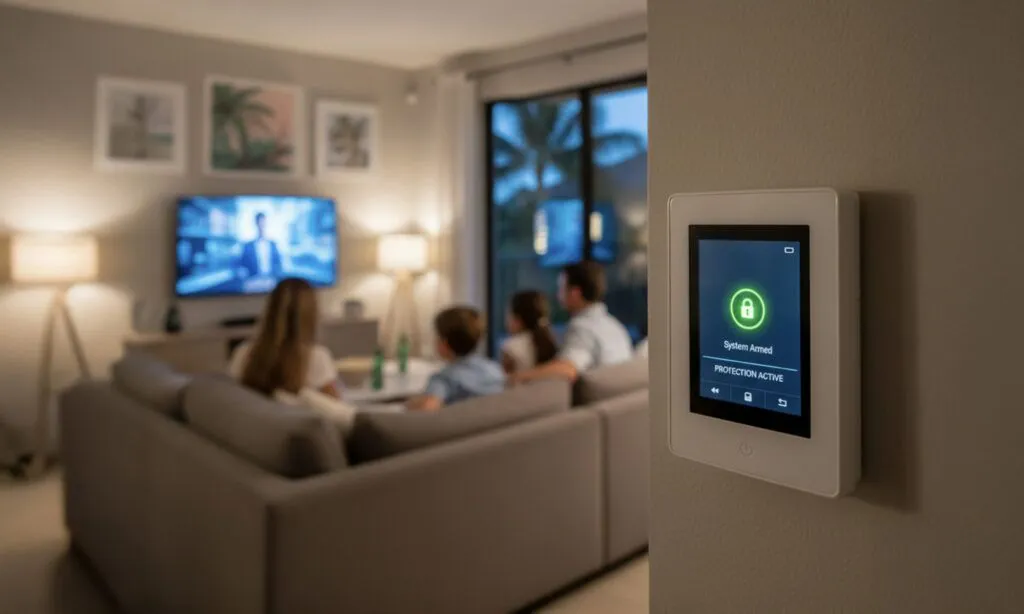
Modern Tools and Smart Solutions for Safer Homes
Today’s homeowners have access to advanced tools that make electrical safety easier and more reliable. Smart energy monitors, for example, provide real-time data on your home’s power usage and can alert you to unusual patterns that may signal a problem. Devices like the Emporia Energy Monitor help you track consumption and identify overloaded circuits before they become hazardous.
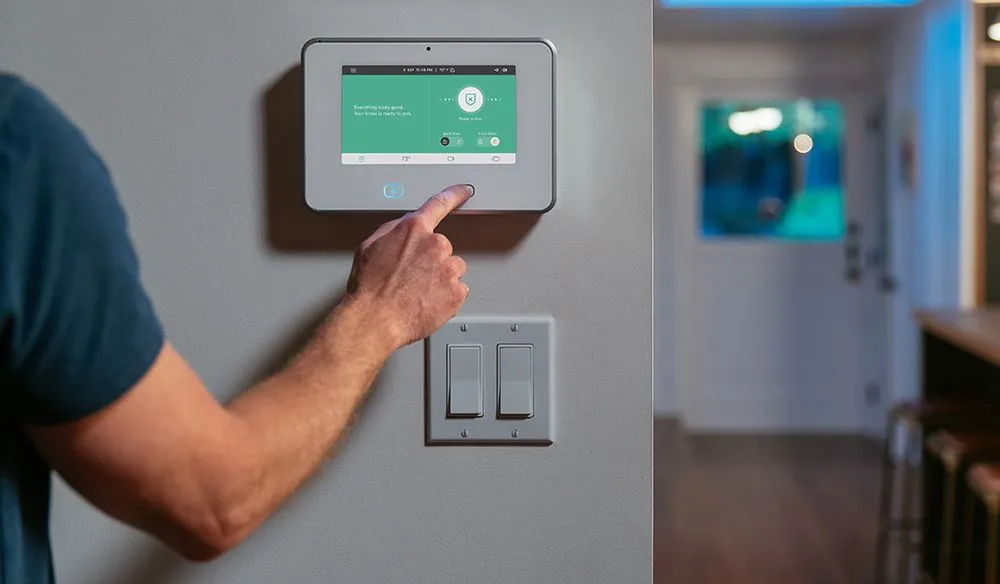
Integrating smart security systems can also boost your overall protection. For a deeper dive into the latest features, explore next-generation home security systems and how they work alongside electrical safety devices.
For those planning a comprehensive upgrade, a complete guide to smart home security offers valuable insights on integrating protection systems and energy management.
Tips for Maintaining Electrical Safety Year-Round
- Schedule professional inspections every few years, especially in older homes.
- Keep flammable materials away from outlets and electrical panels.
- Educate family members about safe practices, such as unplugging unused devices and not overloading outlets.
- Install surge protectors to safeguard sensitive electronics.
- Consider automation tools for effortless upkeep—learn more about home maintenance automation tools for ongoing safety and convenience.
Frequently Asked Questions
How often should I use a home electrical safety checklist?
It’s a good idea to review your electrical system at least once a year, or whenever you notice unusual behavior such as frequent breaker trips or flickering lights. More frequent checks are recommended in older homes or after major renovations.
What should I do if I find a problem during my inspection?
If you discover damaged wiring, overheating outlets, or any other serious concern, stop using the affected circuit and contact a licensed electrician immediately. Never attempt major repairs yourself unless you are qualified.
Can smart home devices improve electrical safety?
Yes, smart monitors and automated systems can help you track energy usage, detect faults early, and even shut off power to specific circuits if a problem is detected. These tools add an extra layer of protection to traditional safety practices.
Conclusion
Staying proactive with a detailed home electrical safety checklist is one of the most effective ways to keep your household secure. By regularly inspecting outlets, cords, breakers, and fixtures, you minimize risks and ensure your electrical system remains reliable. Embracing modern monitoring tools and smart security solutions further enhances your peace of mind. For more on keeping your living space safe and healthy, explore our guide to home hygiene protection systems and discover how technology can simplify home protection.