
Homeowners are increasingly turning to predictive maintenance for homes to prevent costly repairs and extend the life of their property’s essential systems. Instead of waiting for something to go wrong, this proactive approach uses smart technology and data analysis to identify potential issues before they escalate. By leveraging connected devices and intelligent monitoring, households can address minor problems early, saving time, money, and stress.
Whether you’re managing a newly built smart home or looking to modernize an older property, understanding how predictive strategies work can help you keep your living space safe and efficient. This guide explores the fundamentals of predictive maintenance, the technology behind it, and practical steps to implement it in your own home.
For those interested in broader trends, you might also want to explore future of home protection technology for insights into where smart home maintenance is heading.
What Is Predictive Maintenance in Residential Settings?
Unlike traditional maintenance, which often relies on scheduled checks or waiting for something to fail, predictive maintenance uses sensors, analytics, and automation to monitor the condition of home systems in real time. By collecting data from appliances, HVAC, plumbing, and electrical systems, these solutions can forecast potential breakdowns and alert homeowners before a problem becomes severe.
Key benefits of this approach include:
- Reduced repair costs by catching issues early
- Less downtime for critical systems
- Extended lifespan of appliances and infrastructure
- Improved safety and peace of mind
Many modern homes already use elements of predictive maintenance, such as smart thermostats that monitor HVAC performance or leak detectors that sense water flow anomalies.
How Smart Technology Enables Proactive Home Care
The rise of the Internet of Things (IoT) has made it easier than ever to monitor and maintain your home. Devices like smart sensors, energy monitors, and connected alarms continuously gather data and send notifications if something seems off. For example, a smart water sensor can detect a slow leak under your sink long before it causes visible damage.
Some of the most popular predictive maintenance tools for homes include:
- Smart thermostats that track HVAC efficiency and signal when filters need replacing
- Energy monitors that identify unusual power usage, hinting at failing appliances
- Leak detectors for plumbing and water heaters
- Security systems that analyze patterns to spot vulnerabilities
Integrating these devices with a central hub or app allows for easy management and real-time alerts, putting homeowners in control of their property’s health.

Key Areas Where Predictive Maintenance Makes a Difference
Applying predictive strategies across different parts of your home can help you avoid unexpected breakdowns and costly repairs. Here are some high-impact areas:
HVAC Systems
Heating and cooling units are among the most expensive and essential systems in any home. Smart thermostats and air quality sensors can monitor performance, detect inefficiencies, and alert you to issues like clogged filters or failing components. Addressing these warnings early can prevent full system failures and reduce energy bills.
Plumbing and Water Systems
Leaks, pipe bursts, and water heater failures can cause significant damage. Smart leak detectors and flow sensors provide early warnings, allowing you to intervene before water damage occurs. These devices can even be integrated with shut-off valves to stop leaks automatically.
Electrical and Energy Monitoring
Energy monitors track the consumption of major appliances and circuits. If an appliance starts drawing more power than usual, it could be a sign of wear or impending failure. By identifying these trends, homeowners can replace or repair items before they stop working entirely.
Home Security and Safety
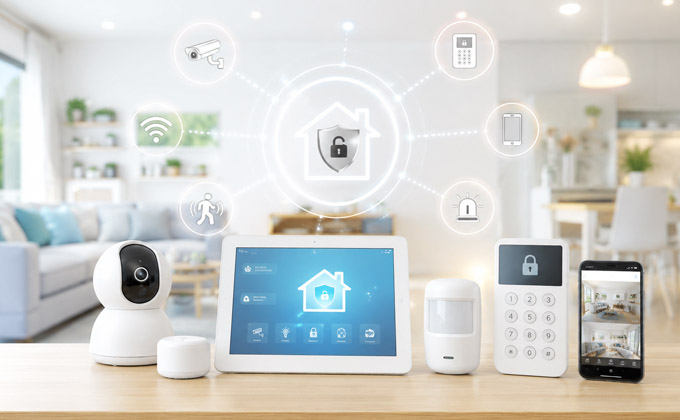
Modern security systems do more than just alert you to intrusions. They can analyze entry patterns, monitor for unusual activity, and even detect environmental hazards like smoke or carbon monoxide. These insights help you address vulnerabilities and keep your home safe.
Implementing Predictive Strategies in Your Home
Getting started with predictive maintenance doesn’t require a full smart home overhaul. Here are some practical steps to begin:
- Identify critical systems – Focus on areas where failure would be most disruptive or expensive, such as HVAC, plumbing, and electrical panels.
- Install smart sensors and monitors – Choose devices that offer real-time alerts and integrate with your smartphone or home hub.
- Set up regular data reviews – Many apps provide reports and insights. Review these to spot trends or anomalies.
- Act on alerts promptly – Don’t ignore notifications. Early action can prevent bigger problems.
- Schedule professional inspections – Use predictive data to guide when you call in experts, rather than relying solely on fixed schedules.
For a deeper dive into automated solutions, check out home maintenance automation tools for tips on streamlining your upkeep routine.
Benefits Beyond Cost Savings
While saving money on repairs is a major advantage, predictive maintenance also contributes to a safer, healthier, and more comfortable living environment. Early detection of leaks can prevent mold growth, while monitoring air quality can reduce allergens and respiratory risks. Additionally, efficient energy use lowers your carbon footprint and utility bills.
Proactive care can also increase property value, as well-maintained homes are more attractive to buyers and insurers. For more on risk management, see this proactive home protection guide that covers insurance and personal safety strategies.
Integrating Predictive Maintenance with Other Smart Home Solutions
Predictive tools work best when combined with other smart home technologies. For example, integrating your maintenance sensors with next-generation home security systems can provide a comprehensive view of your property’s safety and health. This holistic approach ensures that your home is not only secure from external threats but also protected from internal system failures.
As technology evolves, expect even more seamless integration, with AI-driven platforms that automatically schedule repairs, order replacement parts, or contact professionals when needed.
Common Challenges and How to Overcome Them
While the advantages are clear, there are some hurdles to adopting predictive maintenance at home:
- Upfront costs – Smart sensors and devices require an initial investment, but the long-term savings often outweigh these expenses.
- Compatibility issues – Not all devices work together out of the box. Choose products that support common platforms or standards.
- Data privacy – Ensure your devices and apps follow best practices for security and privacy.
- Learning curve – Some homeowners may need time to get comfortable with new technology. Start small and expand as you gain confidence.
With careful planning and the right tools, these challenges can be managed, allowing you to enjoy the full benefits of a predictive approach to home care.
FAQ
What types of home systems benefit most from predictive maintenance?
Heating and cooling systems, plumbing, electrical panels, and major appliances see the greatest benefit. These are typically high-value, high-risk areas where early detection of issues can prevent expensive repairs and downtime.
Do I need a fully smart home to use predictive maintenance?
No, you can start with a few targeted devices, such as leak detectors or energy monitors, and expand over time. Many solutions work independently or can be integrated into existing setups as your needs grow.
How does predictive maintenance differ from preventive maintenance?
Preventive maintenance follows a fixed schedule for inspections and servicing, regardless of actual system condition. Predictive maintenance uses real-time data and analytics to address issues only when needed, making it more efficient and cost-effective.
Is predictive maintenance expensive to implement?
While there is an upfront cost for smart devices, the long-term savings from avoided repairs, reduced energy use, and extended equipment life often make it a worthwhile investment.
Can predictive maintenance improve home safety?
Yes, by identifying hazards like leaks, electrical faults, or air quality issues early, predictive tools help prevent accidents and health risks, contributing to a safer living environment.