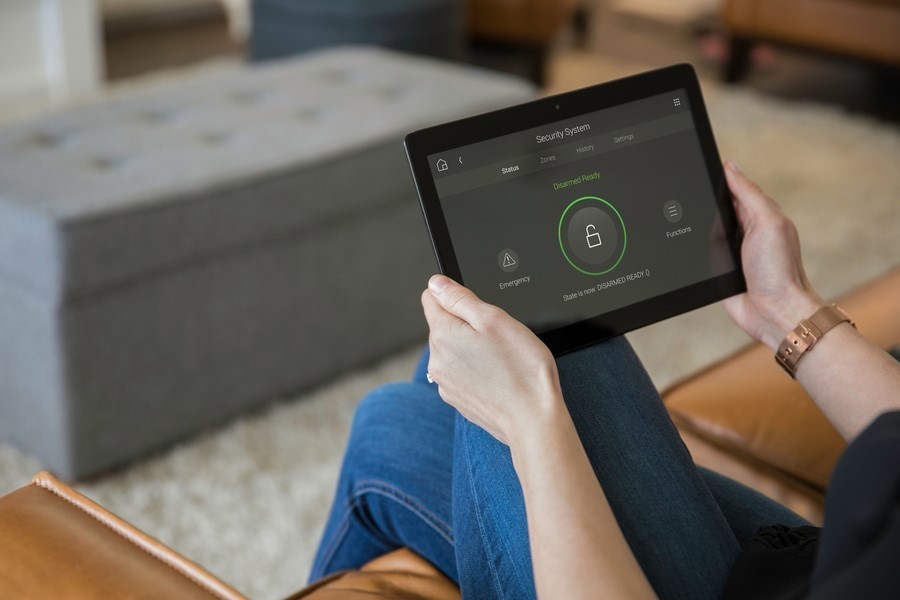
A reliable hot water supply is essential in every home, but many homeowners overlook the risks associated with water heaters. Leaks, overheating, and even explosions can occur if these appliances are not properly monitored. Water heater safety monitoring is crucial for preventing costly damage, ensuring family safety, and maintaining peace of mind. With advancements in smart home technology, it’s now easier than ever to keep your water heater secure and functioning optimally.
Understanding the importance of proactive safety measures can help you avoid emergencies and extend the lifespan of your equipment. In this article, we’ll explore the essentials of monitoring your water heater, highlight the latest smart solutions, and offer practical tips for safeguarding your home. For those interested in broader home protection, you may also want to learn about next-generation home security systems that integrate seamlessly with water heater monitoring tools.
Why Water Heater Monitoring Matters
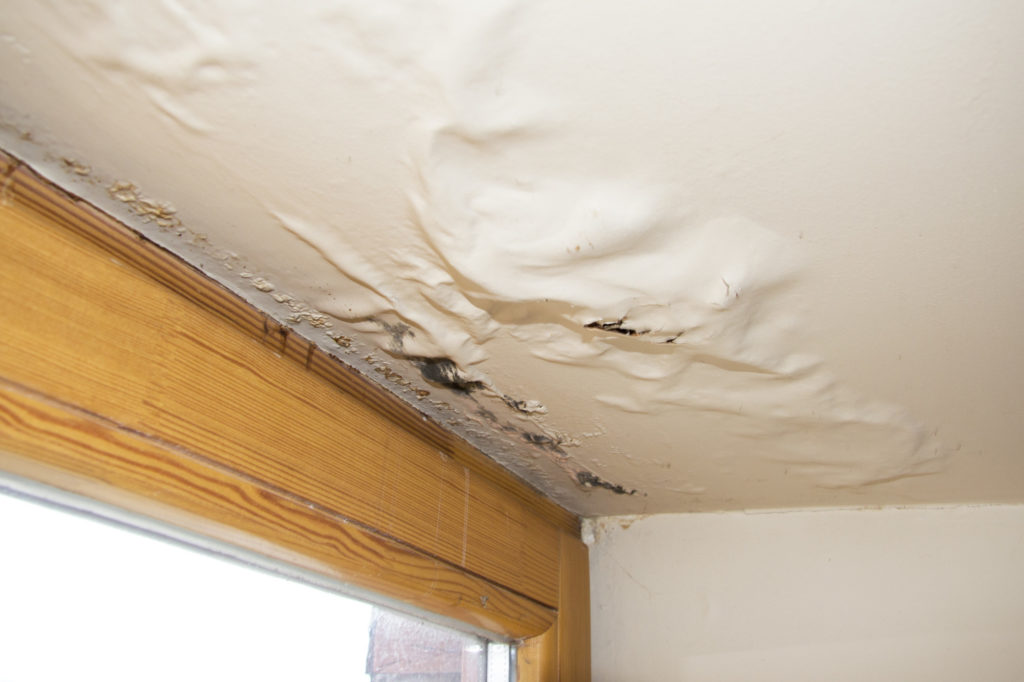
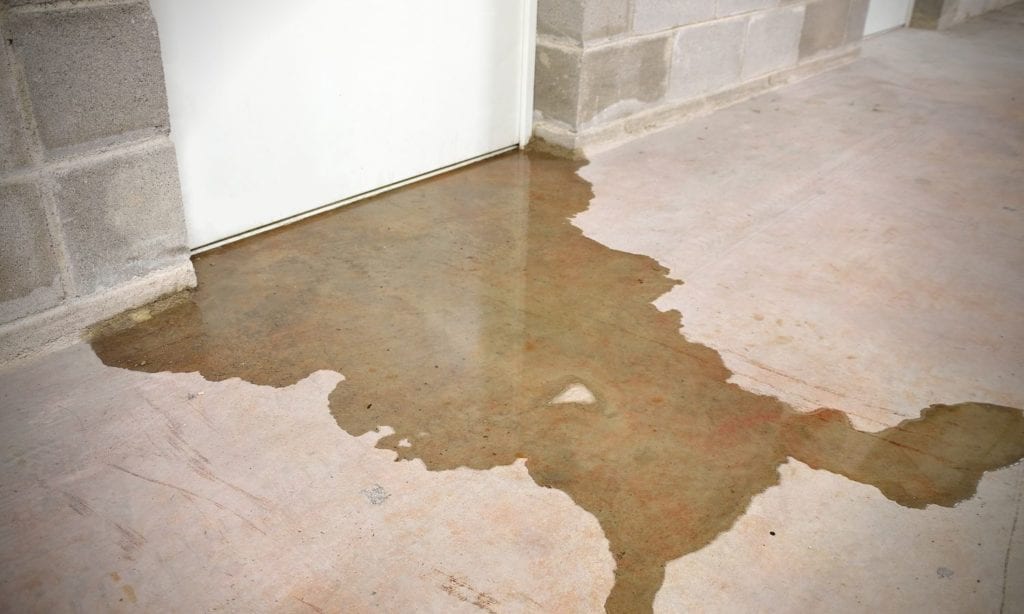
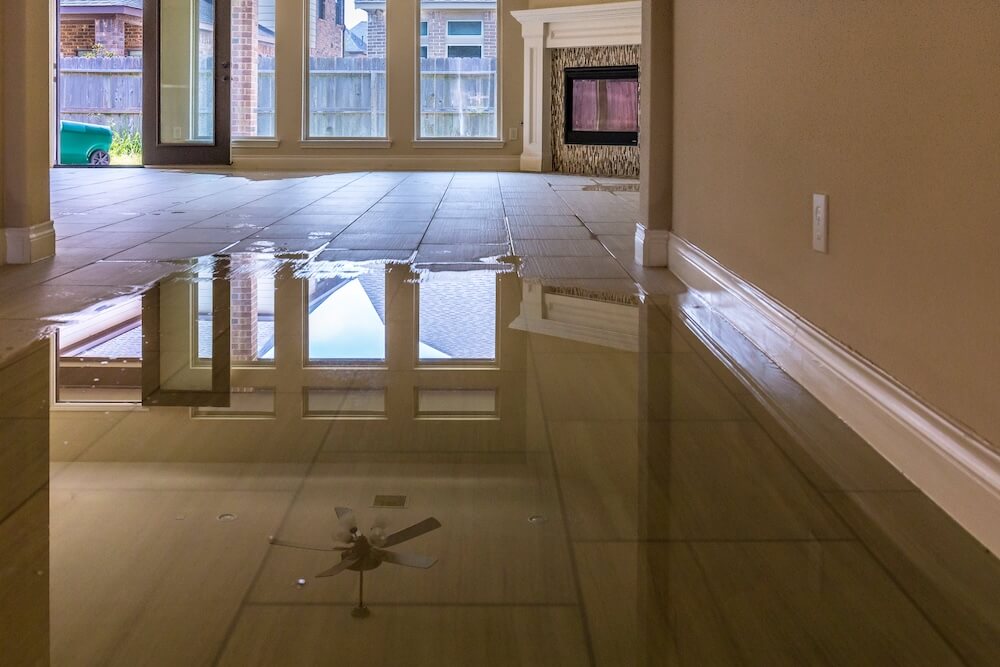
Water heaters are often tucked away in basements or closets, making it easy to forget about them until something goes wrong. However, a small leak can quickly escalate into major water damage, while unchecked pressure or temperature issues may lead to dangerous explosions. Monitoring your water heater helps you detect early warning signs and take action before problems become emergencies.
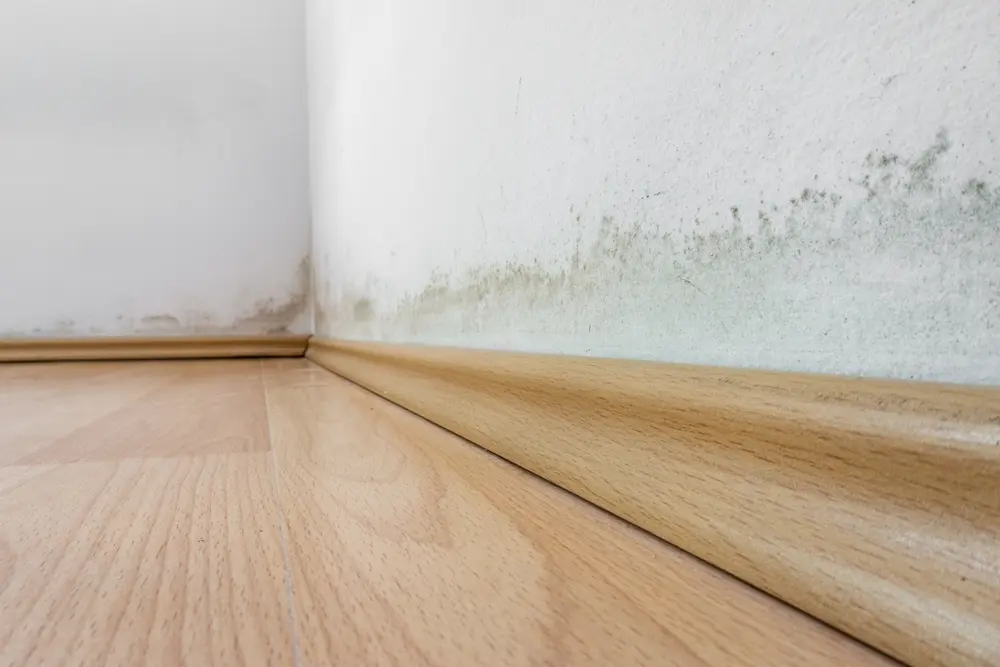
- Leak detection: Early identification of leaks prevents structural damage and mold growth.
- Temperature and pressure control: Monitoring ensures the system operates within safe limits, reducing explosion risks.
- Energy efficiency: Keeping your heater in optimal condition saves energy and lowers utility bills.
- Peace of mind: Automated alerts and remote access let you respond quickly, even when away from home.
Common Water Heater Hazards and Warning Signs
Understanding potential hazards is the first step in prevention. Some of the most common risks associated with water heaters include:
- Corrosion: Rust and mineral buildup can weaken the tank, causing leaks or ruptures.
- Faulty pressure relief valve: If this safety feature fails, pressure can build up to dangerous levels.
- Thermostat malfunction: Overheating can result from a broken thermostat, increasing explosion risk.
- Loose or damaged fittings: These can cause slow leaks that go unnoticed until significant damage occurs.
Watch for warning signs such as unusual noises, water pooling near the heater, inconsistent water temperature, or visible rust. If you notice any of these, immediate inspection and maintenance are recommended.
Smart Solutions for Water Heater Safety
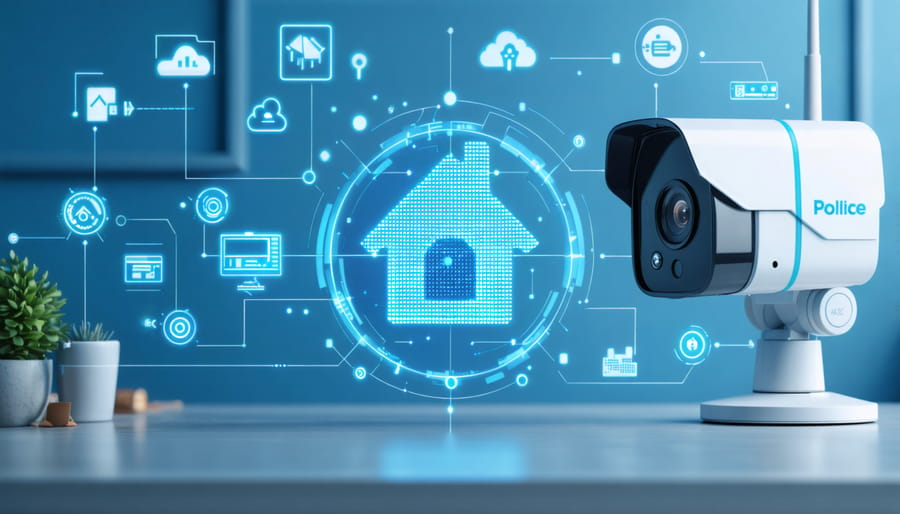
Modern technology has made it possible to automate and enhance water heater safety monitoring. Smart sensors, alarms, and integrated home security systems can detect leaks, monitor temperature and pressure, and even shut off water supply remotely. Here are some popular options:
- Smart leak detectors: These devices sense moisture and send instant alerts to your phone or smart home hub.
- Temperature and pressure sensors: Monitor critical metrics and trigger alarms if unsafe conditions are detected.
- Automatic shut-off valves: When a leak or abnormality is detected, these valves cut off the water supply to prevent flooding.
- Integration with home security systems: Many modern home security platforms allow you to add water heater monitoring as part of a comprehensive safety solution.
For a deeper look at how these systems work together, you might find our guide on proactive property management systems helpful.
How to Set Up a Water Heater Monitoring System
Getting started with a monitoring solution doesn’t have to be complicated. Here’s a step-by-step approach:
- Assess your current setup: Identify the age, type, and location of your water heater.
- Choose compatible devices: Select sensors and alarms that work with your existing smart home ecosystem, such as Ring or Emporia.
- Install leak detectors: Place them near the base of the heater and in areas prone to water accumulation.
- Connect to your network: Follow manufacturer instructions to link devices to your Wi-Fi and mobile app.
- Test and configure alerts: Simulate a leak or abnormal condition to ensure you receive notifications.
- Schedule regular maintenance: Check sensors and batteries every few months to guarantee reliability.
If you’re interested in automating other aspects of home care, our article on home maintenance automation tools covers additional smart solutions for effortless upkeep.
Best Practices for Ongoing Safety
While technology provides powerful tools for water heater safety monitoring, regular maintenance and awareness are equally important. Here are some best practices:
- Inspect your heater annually: Look for corrosion, leaks, and test the pressure relief valve.
- Flush the tank: Remove sediment buildup at least once a year to prevent efficiency loss and corrosion.
- Replace old units: Water heaters typically last 8–12 years. Consider upgrading if yours is nearing the end of its lifespan.
- Educate household members: Make sure everyone knows how to shut off water and power in an emergency.
For more tips on keeping your home secure, check out these proactive home security tips from industry experts.
Integrating Water Heater Monitoring with Smart Home Systems
Many homeowners are turning to integrated solutions that combine water heater monitoring with other smart home features. By connecting sensors and alarms to a central hub, you can manage everything from your smartphone and receive real-time updates. Some systems also work with voice assistants, allowing for hands-free control and status checks.
If you’re curious about the future of home safety, explore our insights on the future of home protection technology to see what’s next in smart monitoring.
FAQ
What are the main benefits of water heater safety monitoring?
The primary benefits include early leak detection, prevention of water damage, enhanced safety by monitoring temperature and pressure, and peace of mind through instant alerts. These systems can also help you save on repair costs and insurance premiums.
How often should I check my water heater for safety issues?
It’s recommended to inspect your water heater at least once a year. Regularly check for leaks, corrosion, and test the pressure relief valve. If you have a monitoring system in place, review alerts and test sensors every few months.
Can I install a water heater monitoring system myself?
Many smart sensors and leak detectors are designed for easy DIY installation. However, if you’re unsure or need to integrate with complex home automation systems, consider consulting a professional to ensure proper setup and safety.
Do smart home security systems work with water heater monitoring devices?
Yes, many modern home security platforms allow you to add water heater sensors and alarms as part of a broader safety network. This integration enables centralized control and more comprehensive protection for your home.
What should I do if my monitoring system detects a leak or abnormality?
If you receive an alert, turn off the water supply to the heater and disconnect power if it’s safe to do so. Contact a licensed plumber for inspection and repair. Prompt action can prevent extensive damage and ensure your family’s safety.