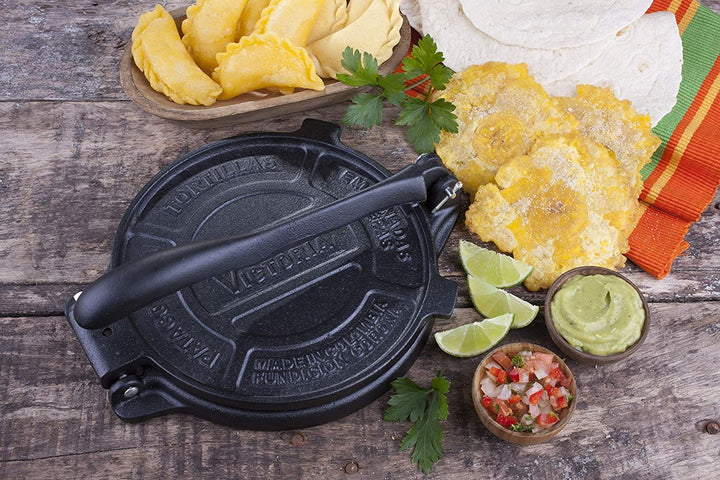
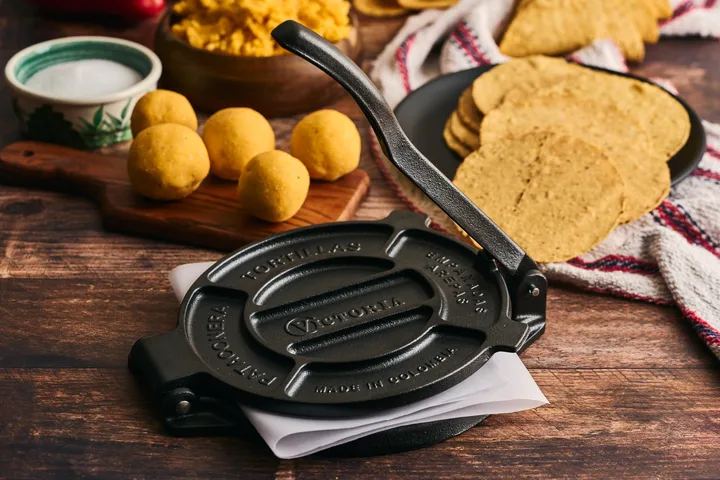
Achieving optimal results with a tortilla press or similar kitchen tool depends heavily on your technique. Many home cooks and professionals alike overlook the importance of proper leverage when using a press handle, which can lead to uneven results, wasted effort, or even discomfort. Understanding the mechanics behind pressing and applying the right form ensures you get consistent, efficient, and safe outcomes every time.
Whether you’re flattening tortillas, empanadas, or other doughs, mastering the art of using a press handle is essential. This guide will break down the fundamentals of effective leverage, provide step-by-step instructions, and highlight common mistakes to avoid. For those interested in expanding their skills, you might also find value in learning about how to flatten empanadas with a press for faster meal prep.
Understanding Leverage and Press Handle Mechanics
The concept of leverage is rooted in basic physics: it’s about maximizing force with minimal effort. When using a press handle, your goal is to apply pressure efficiently so that the dough flattens evenly without straining your wrist or arm. The design of most presses—especially cast iron models—relies on the handle acting as a lever. The further your hand is from the pivot point, the more force you can exert with less effort.
Proper leverage not only makes the pressing process easier but also helps prevent uneven thickness and reduces the risk of damaging your equipment. By positioning your hand and body correctly, you can take full advantage of the press’s mechanical advantage.
Step-by-Step Guide: Achieving Optimal Leverage
To get the most out of your press, follow these practical steps for the best results:
- Set Up Your Workspace: Place your press on a stable, flat surface. If your countertop is slippery, use a damp towel underneath to prevent movement.
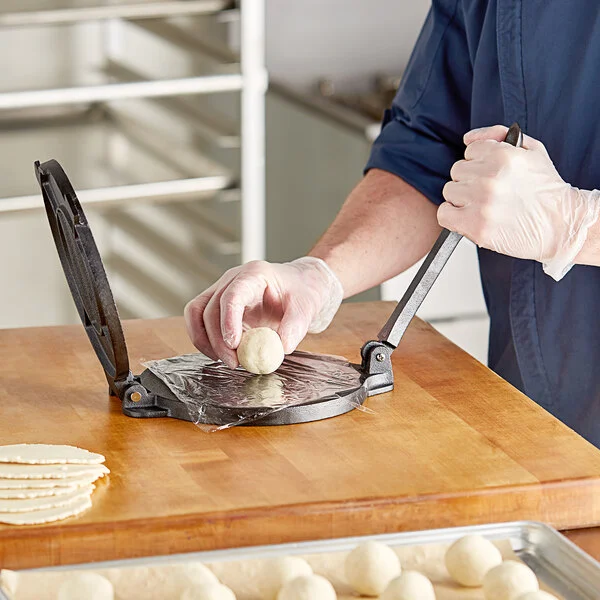
- Position the Dough: Center your dough ball between two sheets of parchment or plastic. This prevents sticking and ensures even pressure.
- Grip the Handle Correctly: Hold the handle as far from the hinge as possible. The end of the handle provides the greatest mechanical advantage, letting you press with less force.
- Align Your Body: Stand directly behind the press. Keep your elbow above or slightly ahead of the handle, using your body weight to assist the pressing motion.
- Apply Steady Pressure: Press down smoothly and firmly in one motion. Avoid jerky or uneven movements, as these can lead to inconsistent thickness.
- Check Your Results: Open the press and inspect the dough. If it’s not flat enough, reposition and press again, maintaining the same technique.
Common Mistakes When Using a Press Handle
Even with the right equipment, improper form can lead to frustration and subpar results. Here are some frequent errors to watch for:
- Gripping Too Close to the Hinge: This reduces leverage and requires more force, making pressing harder and less effective.
- Uneven Pressure: Pressing down at an angle or with one hand off-center can cause lopsided dough.
- Overloading the Press: Trying to flatten too much dough at once can strain the handle and result in uneven thickness.
- Poor Body Position: Standing to the side or too far from the press reduces your ability to use body weight efficiently.
- Ignoring Equipment Maintenance: A sticky or squeaky hinge can make pressing more difficult and less precise. For tips on keeping your press in top shape, see this guide on seasoning your tortilla press.
Tips for Consistent Results and Comfort
To maximize both comfort and efficiency, keep these practical suggestions in mind:
- Use Both Hands for Larger Presses: If your press is heavy or the handle is long, using both hands can help distribute force more evenly.
- Maintain a Neutral Wrist: Avoid bending your wrist excessively. Keeping it straight reduces strain and improves control.
- Leverage Your Body Weight: Let your upper body assist the pressing motion instead of relying solely on arm strength.
- Check Dough Placement: Always center the dough to prevent uneven thickness and unnecessary stress on the press.
- Practice Makes Perfect: Like any skill, mastering leverage with a press handle takes repetition. Start with small batches and adjust your technique as needed.
Choosing the Right Press for Maximum Leverage
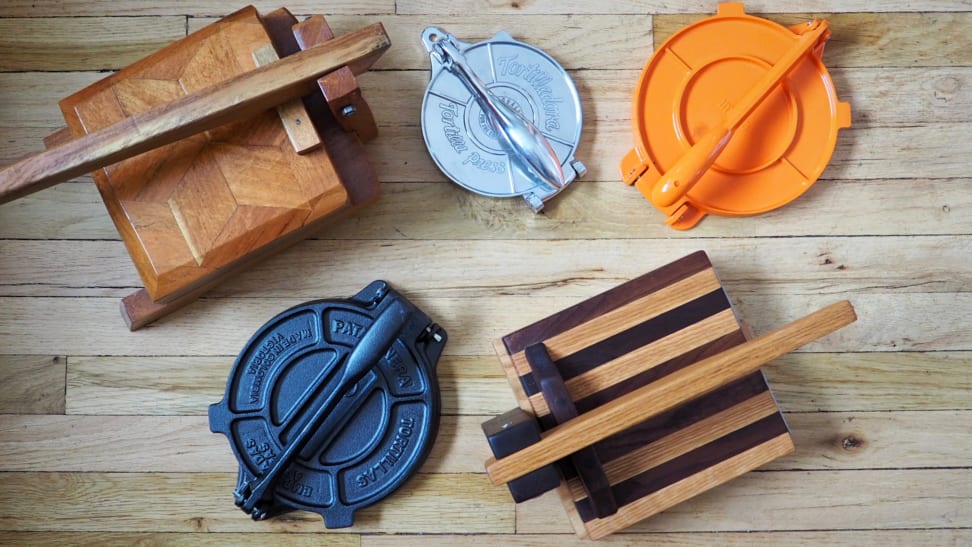
The type and size of your press can influence how easily you achieve proper leverage. Cast iron models, for example, offer more stability and require less force compared to lighter aluminum presses. For those who frequently make tortillas or similar foods, investing in a well-designed press can make a significant difference.
If you’re unsure which press is right for you, consider factors like weight, handle length, and hinge design. For a breakdown of how press weight impacts usability, check out the cast iron tortilla press weight guide. Additionally, understanding the difference between manual and electric tortilla presses can help you make an informed decision based on your kitchen needs.
Expert Resources and Further Reading
For a more detailed walkthrough on using tortilla presses, including troubleshooting tips and recipe ideas, explore this comprehensive tutorial on using a tortilla press. Expanding your knowledge of related techniques—such as using a tortilla press for patacones—can also enhance your versatility in the kitchen.
Frequently Asked Questions
What is the ideal hand position for pressing dough?
The best hand position is at the far end of the handle, away from the hinge. This maximizes leverage and allows you to apply more force with less effort. Keep your wrist straight and use your body weight to assist the pressing motion.
How do I prevent uneven dough thickness?
Always center the dough and apply steady, even pressure directly above the press. Avoid pressing at an angle or using excessive force on one side. Using parchment or plastic sheets can also help distribute pressure more evenly.
Can I use a press for foods other than tortillas?
Absolutely. Many people use presses for empanadas, patacones, arepas, and more. For example, see this guide on using a tortilla press for patacones to explore creative applications.
How often should I maintain or season my press?
Regular maintenance is key, especially for cast iron models. Wipe down your press after each use and season it as needed to prevent rust and sticking. For more details, refer to this resource on seasoning your tortilla press.