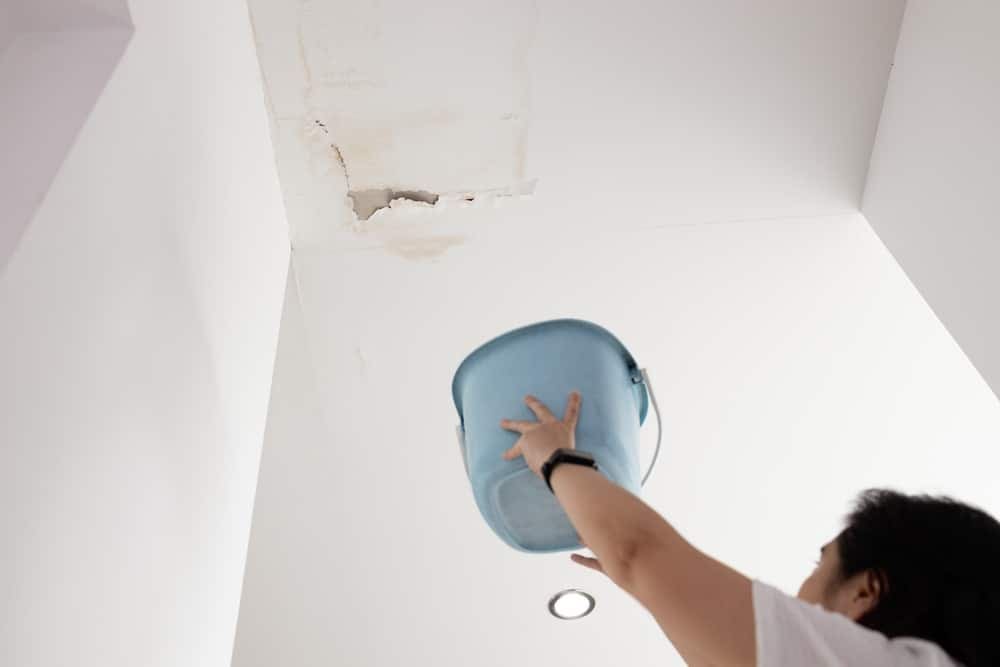
A thorough yearly review of your property’s water systems is essential for preventing costly repairs and maintaining a safe, healthy environment. This annual home water damage inspection checklist is designed to help homeowners spot early signs of leaks, moisture intrusion, and plumbing issues before they escalate. By following a structured approach, you can protect your investment and avoid the stress of unexpected water damage.
Many homeowners overlook small leaks or subtle changes in their home’s structure, but these can quickly lead to mold, structural decay, and expensive restoration work. Taking the time to perform a detailed inspection each year is a proactive step that pays off in peace of mind and long-term savings.
For those interested in related home care topics, you might also find value in our guide on how to store a cast iron press long term, which covers rust prevention and long-term storage tips for kitchen equipment.
Why an Annual Water Damage Assessment Matters
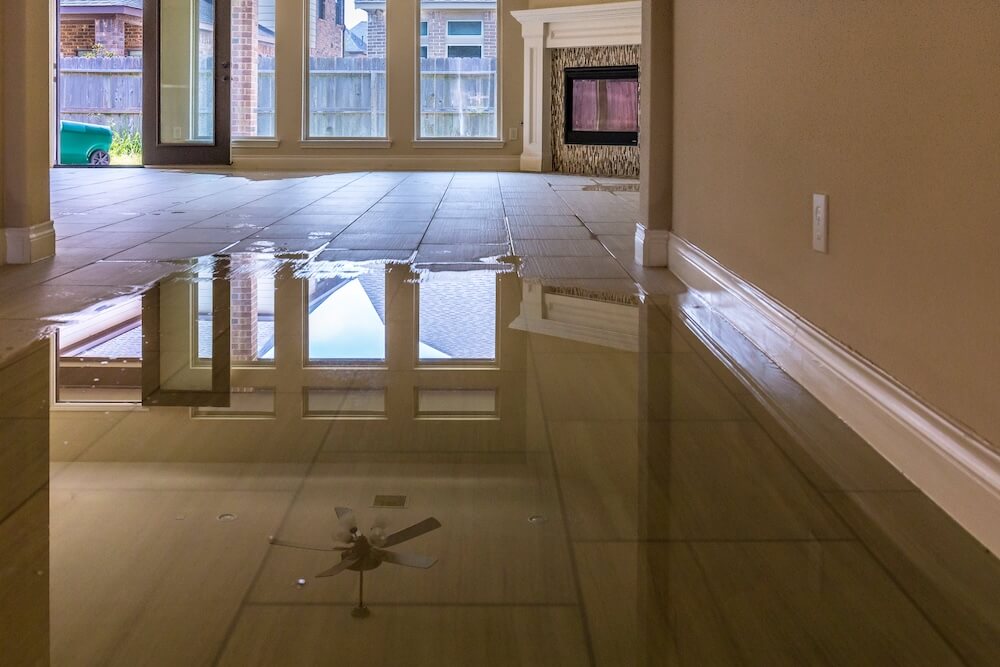
Water can be one of the most destructive forces in a home. Even minor leaks can cause significant problems over time, including warped flooring, peeling paint, and hazardous mold growth. An annual inspection helps you identify vulnerabilities in your plumbing, roofing, and foundation, so you can address them before they become emergencies.
Regular checks also support insurance claims, as many providers require proof of routine maintenance. By documenting your inspections, you demonstrate diligence and may streamline the claims process if water damage ever occurs.
Key Areas to Include in Your Home Water Damage Review
A comprehensive home water damage inspection should cover both the interior and exterior of your property. Use this checklist to ensure no critical area is missed:
- Roof and Attic: Look for missing shingles, damaged flashing, and signs of water stains or mold in the attic.
- Gutters and Downspouts: Ensure gutters are clear of debris and downspouts direct water away from the foundation.
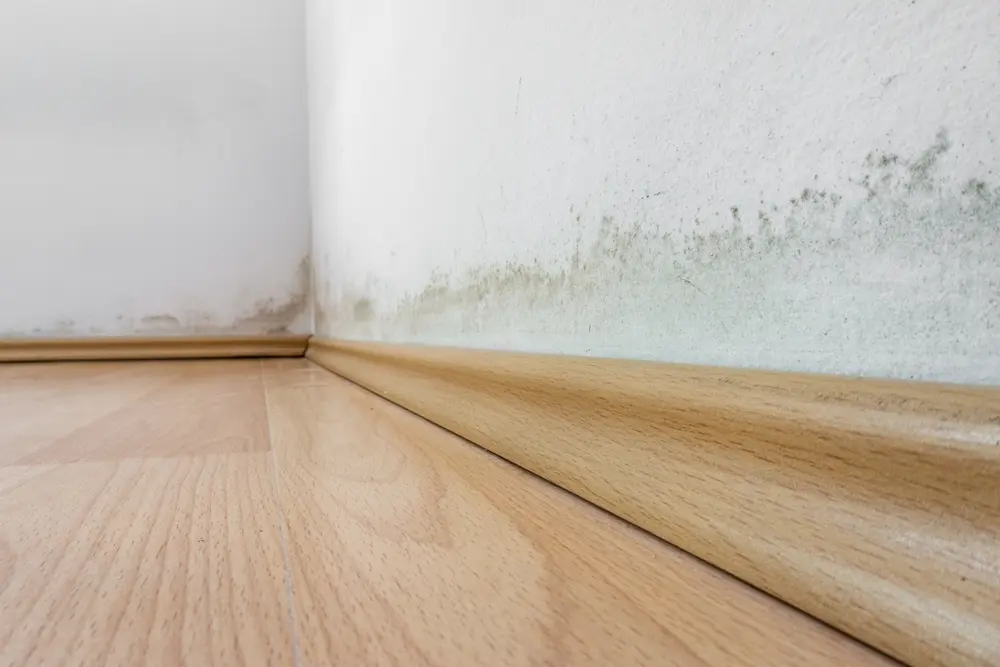
- Foundation and Basement: Inspect for cracks, dampness, or efflorescence (white powdery residue) on walls and floors.
- Plumbing Fixtures: Check under sinks, around toilets, and behind appliances for leaks or corrosion.
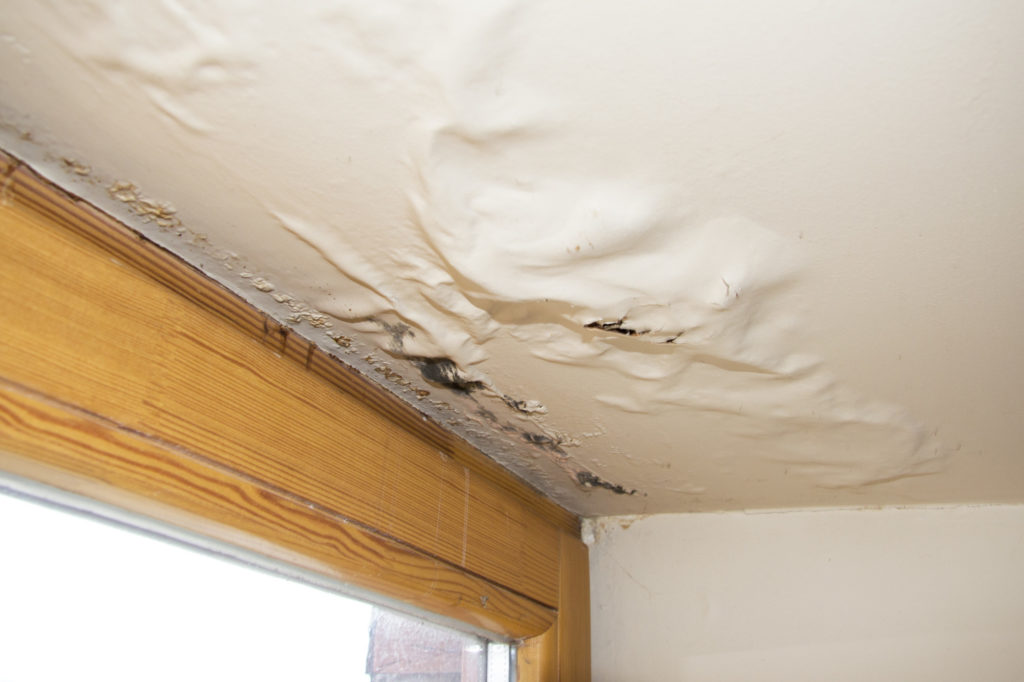
- Walls and Ceilings: Watch for discoloration, bubbling paint, or soft spots that indicate moisture intrusion.
- Windows and Doors: Examine seals and frames for gaps or rot that could allow water entry.
- Exterior Grading: Confirm that soil slopes away from your home to prevent pooling near the foundation.

Step-by-Step Annual Water Damage Inspection Guide
To make your yearly review efficient and effective, follow these steps for each area of your home:
1. Start with the Roof and Attic
Begin outside by visually inspecting your roof for missing or damaged shingles, cracked caulk, or rusted flashing. Inside the attic, look for water stains, mold, or a musty odor—these are signs of leaks or poor ventilation. Addressing roof issues promptly can prevent water from seeping into your home’s structure.
2. Examine Gutters, Downspouts, and Drainage
Clogged gutters can cause water to overflow and pool near your foundation. Clean gutters and check that downspouts are firmly attached and direct water at least five feet from your home. If you notice pooling, consider extending downspouts or regrading the soil.
3. Inspect the Foundation and Basement
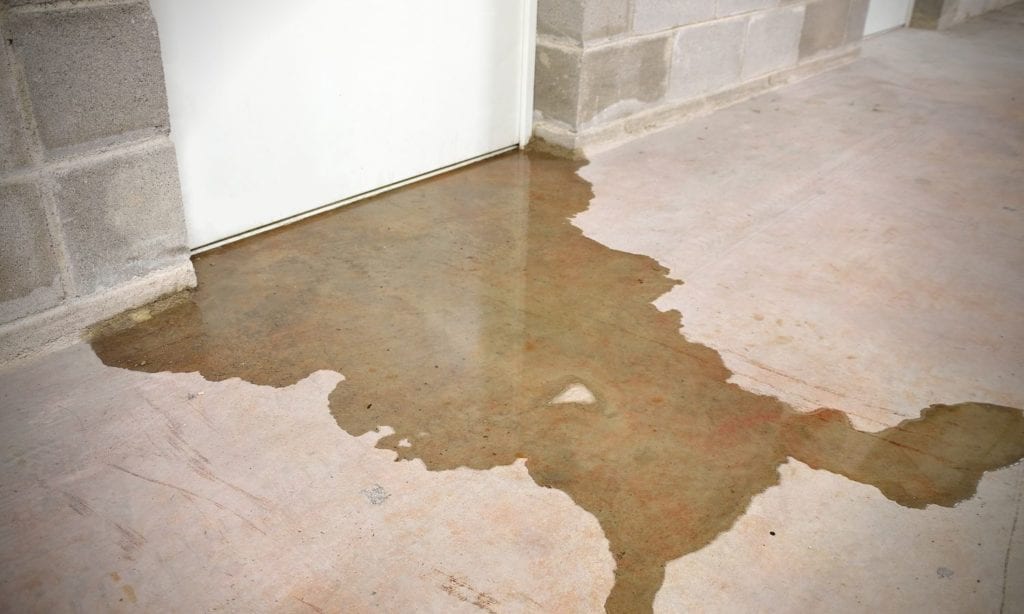
Walk around your home’s exterior and interior foundation. Look for cracks, damp spots, or white powdery residue, which may indicate water seepage. In the basement, check for musty smells, visible mold, or standing water. Use a flashlight to spot hidden moisture in corners or behind stored items.
4. Review Plumbing and Appliances
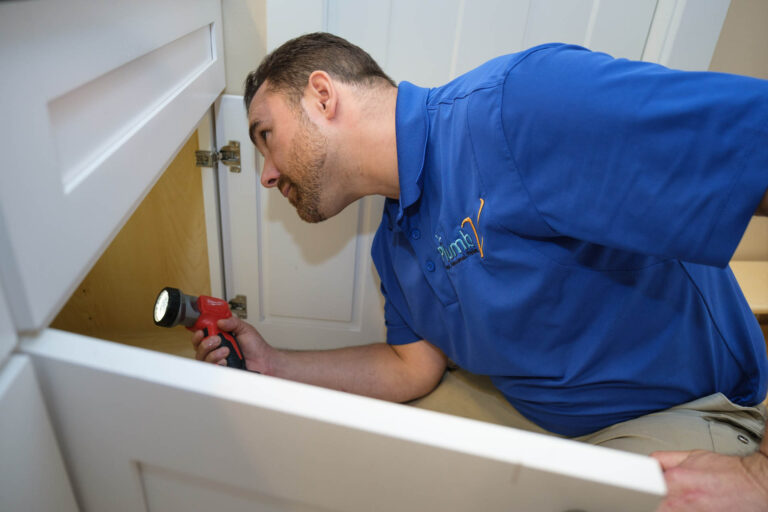
Check under sinks, around toilets, and behind washing machines, dishwashers, and water heaters for leaks or corrosion. Even a slow drip can cause significant damage over time. Tighten fittings, replace worn hoses, and consider installing leak detectors for early warning.
5. Check Walls, Ceilings, and Floors
Look for discoloration, bubbling paint, warped flooring, or soft spots. These can indicate hidden leaks from plumbing or roof issues. Pay special attention to areas under windows, around exterior doors, and beneath bathrooms or kitchens.
6. Assess Windows, Doors, and Exterior Seals
Examine window and door frames for cracked caulking, gaps, or signs of rot. Replace weatherstripping and reseal as needed to prevent water intrusion during storms.
7. Evaluate Exterior Grading and Landscaping
Ensure the ground slopes away from your home’s foundation. Remove debris and trim plants that may trap moisture against the house. Proper grading is a simple but effective way to prevent basement leaks and foundation issues.
Tools and Technology for Water Damage Prevention
Modern technology can make your annual water damage inspection even more effective. Smart leak detectors, moisture meters, and water alarms can alert you to problems before they become visible. Consider installing these devices in high-risk areas such as basements, under sinks, and near water heaters.
For additional tips on safeguarding your property, review best practices to protect your home while you are away. This resource covers proactive steps to reduce the risk of water damage during extended absences.
Documentation and Maintenance Records
Keep a written or digital record of your yearly inspections. Note the date, areas checked, and any repairs made. This documentation not only helps you track recurring issues but can also support insurance claims and increase your home’s resale value.
When to Call a Professional
While many inspection tasks can be handled by homeowners, some situations require expert attention. If you discover extensive mold, persistent leaks, or structural damage, contact a licensed contractor or water damage specialist. Professional assessments are especially important if you suspect hidden moisture or if your home has experienced flooding in the past.
FAQ
How often should I perform a water damage inspection?
A full inspection should be completed at least once a year. However, after major storms, plumbing repairs, or if you notice any signs of moisture, it’s wise to conduct an additional review.
What are the most common signs of hidden water damage?
Look for musty odors, discoloration on walls or ceilings, warped flooring, and unexplained increases in your water bill. These can all indicate leaks or moisture problems behind surfaces.
Can I prevent all water damage with regular inspections?
While routine checks greatly reduce the risk, some events—like severe storms or sudden pipe bursts—can still cause damage. Regular maintenance, combined with smart leak detection devices, offers the best protection.
Conclusion
A proactive approach to home maintenance starts with a detailed annual home water damage inspection checklist. By systematically reviewing your property’s vulnerable areas, you can catch problems early, minimize repair costs, and keep your living environment safe and comfortable. Investing a few hours each year in prevention is far easier and less expensive than dealing with the aftermath of unchecked water damage.