
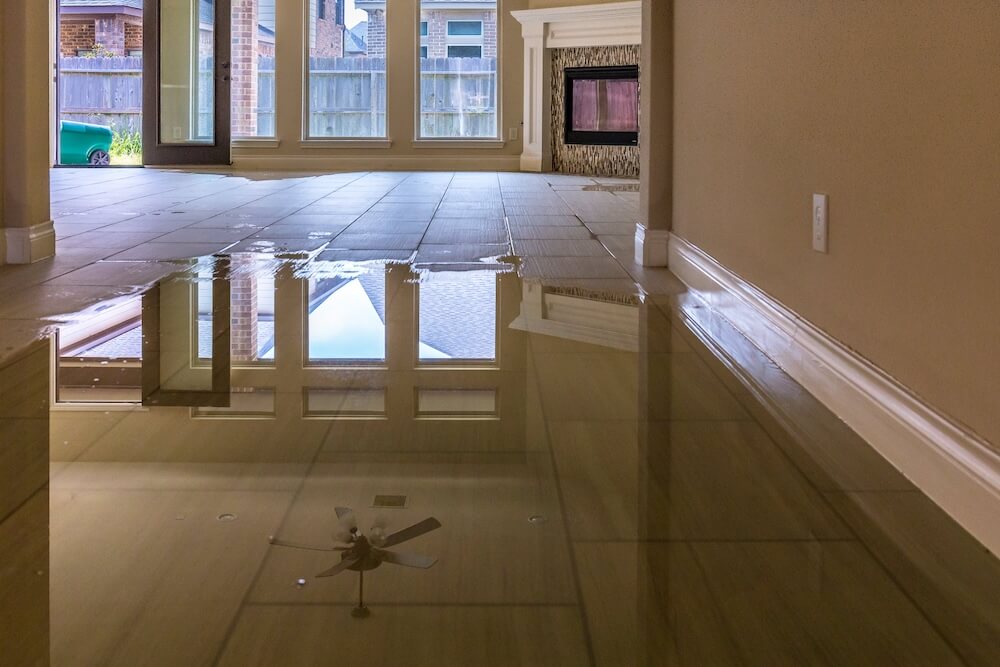
Moisture trapped inside your home’s insulation can lead to serious issues, from reduced energy efficiency to mold growth and structural damage. Checking insulation for moisture is an important part of maintaining a healthy, comfortable, and safe living environment. By understanding the warning signs, causes, and best practices for inspection, homeowners can prevent costly repairs and protect their property for years to come.
Whether you live in an older house or a newly built home, insulation can become compromised by leaks, condensation, or even everyday humidity. Early detection and prompt action are key. This article covers practical steps for identifying moisture issues, explains why regular checks matter, and offers actionable advice for addressing any problems you find.
For those interested in related home care topics, you might also find value in our guide on how to sanitize a cast iron press, which covers cleaning techniques for kitchen tools that can also help prevent moisture-related issues.
Why Moisture in Insulation Is a Problem
When insulation gets wet, its ability to regulate temperature is significantly reduced. Moisture can compress or degrade the material, leading to higher energy bills and uneven heating or cooling. More concerning, damp insulation creates the perfect environment for mold, mildew, and even wood rot, which can threaten the structural integrity of your home.
In addition to health risks like allergies and respiratory problems, moisture issues can lower property value and result in expensive remediation. Regular insulation moisture checks are a proactive way to avoid these headaches.
Common Causes of Damp Insulation
Understanding what leads to wet insulation helps you target your inspection efforts. Some of the most frequent causes include:
- Roof leaks that allow rainwater to seep into attic insulation
- Plumbing failures or burst pipes inside walls or ceilings
- Condensation from poor ventilation or temperature differences
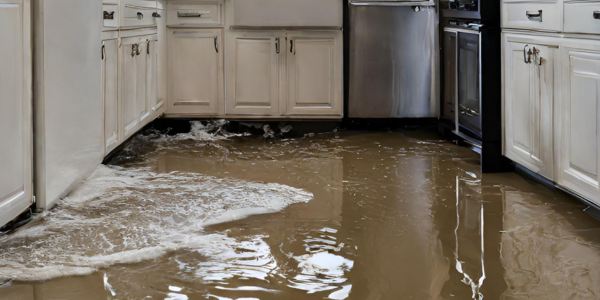
- Flooding from natural disasters or appliance malfunctions
- Improper installation that leaves gaps or compresses material
How to Inspect Insulation for Moisture Issues
Conducting a thorough inspection involves more than just a quick glance. Here are the steps to follow for effective checking insulation for moisture in your home:
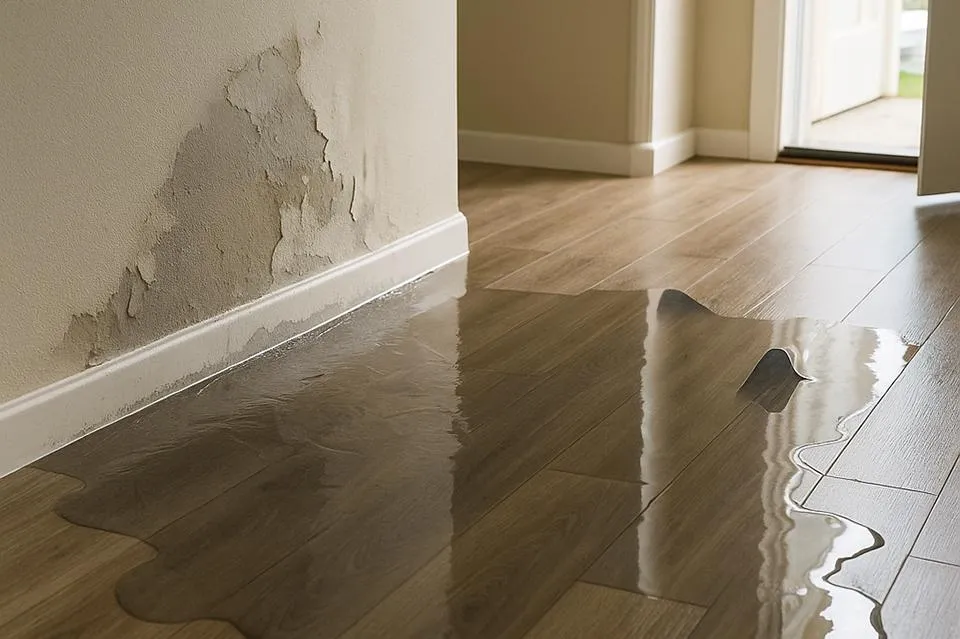
- Visual Inspection: Look for water stains, discoloration, or sagging in ceilings, walls, and attic spaces. Insulation that appears darker or feels heavy may be damp.
- Touch Test: If safe, gently press the insulation. Wet material will feel cool, dense, or even spongy compared to dry insulation.
- Odor Detection: A musty or earthy smell is often a sign of hidden moisture or mold growth.
- Use Moisture Meters: Handheld moisture meters can provide a quantitative reading of water content in insulation and surrounding materials.
- Check Adjacent Areas: Inspect nearby wood framing, drywall, and flooring for signs of dampness or decay.
Always wear gloves, a mask, and protective clothing when handling insulation, especially if you suspect mold or contaminants.
Areas Most at Risk for Moisture Problems
Some parts of your home are more vulnerable to moisture intrusion than others. Focus your inspection on these high-risk zones:
- Attics: Prone to roof leaks and condensation, especially near vents and chimneys.
- Basements and Crawl Spaces: Susceptible to groundwater seepage and poor drainage.
- Exterior Walls: Can be affected by wind-driven rain, faulty siding, or window leaks.
- Bathrooms and Kitchens: High humidity and plumbing make these areas common sources of moisture.
What to Do If You Find Wet Insulation
If your inspection reveals damp or water-damaged insulation, prompt action is essential:
- Identify and fix the source of moisture before replacing insulation.
- Remove and dispose of any saturated or moldy material safely.
- Thoroughly dry the affected area using fans, dehumidifiers, or professional drying equipment.
- Install new insulation only after confirming the area is completely dry and the issue is resolved.
In some cases, you may need to consult a restoration specialist or contractor, especially if the affected area is large or mold is present.
Preventing Moisture in Home Insulation
Prevention is always better than cure. Here are some tips to help keep your insulation dry and effective:
- Maintain your roof, gutters, and downspouts to direct water away from your home.
- Seal windows, doors, and exterior walls to prevent leaks.
- Ensure proper ventilation in attics, bathrooms, and kitchens to reduce humidity.
- Regularly inspect plumbing for leaks and repair issues promptly.
- Consider installing leak detection devices for early warning of water problems.
For more detailed strategies, see these tips to protect your home from water damage from restoration professionals.
When to Call a Professional
While many minor moisture issues can be handled by homeowners, there are situations where professional help is necessary. If you discover extensive water damage, visible mold, or recurring leaks, a licensed contractor or remediation expert can assess the situation and recommend the best course of action.
Professionals have specialized equipment for insulation moisture detection and can ensure that repairs are thorough and safe. This is especially important for homes with complex HVAC systems, historic structures, or vulnerable populations.
FAQ About Insulation and Moisture
How often should I check my insulation for moisture?
It’s a good idea to inspect insulation at least once a year, and after any major storms, plumbing leaks, or signs of water damage. Regular checks help catch problems early before they escalate.
Can wet insulation dry out on its own?
In some cases, minor dampness may evaporate if the source is fixed and ventilation is improved. However, most insulation types lose effectiveness when wet and can harbor mold, so it’s safer to remove and replace any affected material.
What are the health risks of leaving wet insulation untreated?
Untreated moisture can lead to mold growth, which may cause allergic reactions, asthma, and other respiratory issues. It can also attract pests and contribute to structural damage over time.
Are certain types of insulation more resistant to moisture?
Closed-cell spray foam and rigid foam boards are more moisture-resistant than fiberglass batts or cellulose. However, no insulation is completely waterproof, so addressing leaks and humidity is still essential.
For more home care tips, you might also be interested in our article on how to store corn masa for pressing, which discusses best practices for keeping ingredients fresh and dry.




