As climate patterns shift and urban areas expand, managing water resources and mitigating flood risks have become essential concerns for homeowners and communities. Understanding the relationship between rainwater harvesting and flooding is key to making informed decisions about property protection, sustainability, and local water management. This article explores how collecting rainwater can help reduce flood risks, the benefits and challenges of both practices, and what you need to know to make the best choices for your home or business.
If you’re interested in related home care topics, you might also find value in our guide on how to sanitize a cast iron press, which covers essential maintenance tips for kitchen equipment.

Understanding Rainwater Collection and Urban Flooding
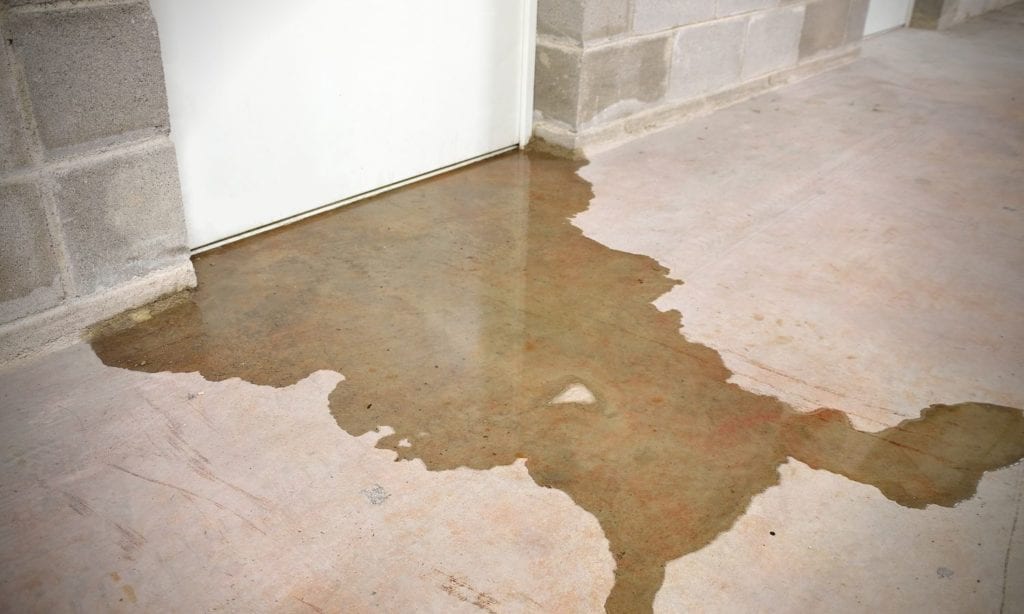
Rainwater harvesting is the practice of capturing and storing rainwater from roofs or other surfaces for later use. This simple yet effective method can provide water for irrigation, flushing toilets, or even potable uses with proper treatment. On the other hand, flooding occurs when excessive rainfall overwhelms natural or built drainage systems, leading to water accumulation in streets, basements, or low-lying areas.
The connection between these two concepts lies in how water is managed. When rainwater is allowed to flow unchecked over impervious surfaces, it increases runoff and the risk of floods. By intercepting and storing this water, harvesting systems can help reduce the volume and speed of runoff, offering a practical solution for both water conservation and flood mitigation.
Key Differences Between Water Harvesting and Flood Risk
While both topics deal with rainwater, their goals and outcomes are quite different. Here’s a closer look at how they compare:
- Purpose: Harvesting systems are designed to capture and reuse water, while flood management focuses on preventing or minimizing water damage.
- Infrastructure: Rainwater collection typically involves gutters, storage tanks, and filtration units. Flood prevention may require drainage improvements, levees, or sump pumps.
- Impact: Properly implemented harvesting can reduce runoff and help lower the chance of localized flooding, especially in urban settings.
- Regulation: Some areas encourage or require rainwater collection to manage stormwater, while others have strict codes regarding floodplain development.
How Rainwater Collection Helps Prevent Flooding
One of the most significant benefits of rainwater harvesting is its role in reducing flood risk. By capturing water at the source, these systems decrease the amount of runoff entering storm drains and waterways. This is especially important in densely built environments where natural infiltration is limited.
For example, a typical residential rain barrel can hold 50–100 gallons of water per rainfall event. When multiplied across a neighborhood, this can represent thousands of gallons diverted from storm sewers, easing the burden on local infrastructure during heavy rains.

Challenges and Limitations of Rainwater Harvesting
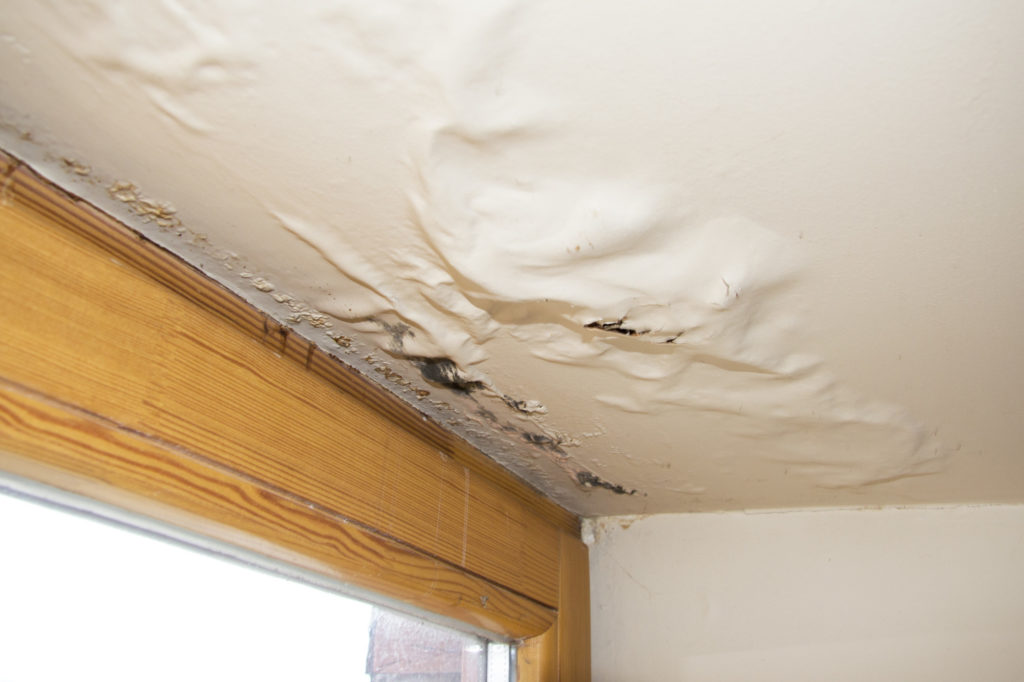
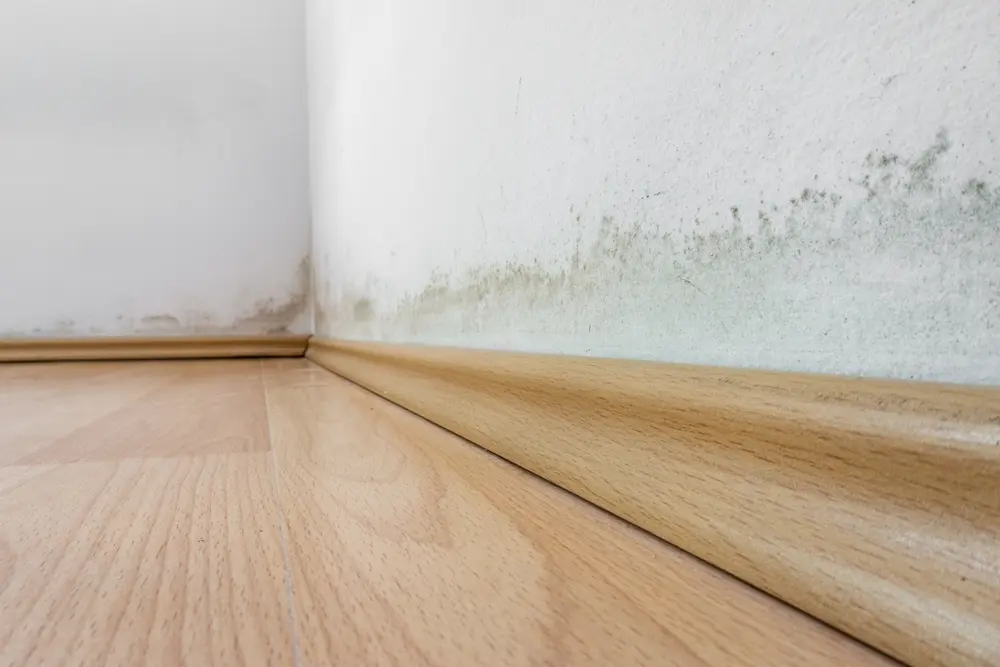
While the benefits are clear, there are also challenges to consider. Rainwater storage systems have limited capacity, and during extreme weather events, they may fill quickly, leaving excess water to flow as runoff. Maintenance is also important—clogged gutters or poorly maintained tanks can reduce effectiveness or even contribute to water damage.
Additionally, not all properties are suitable for large-scale collection, and local regulations may limit how much water can be stored or used. It’s important to research your area’s guidelines and consult with professionals if you’re considering a substantial installation.
Best Practices for Managing Water and Flood Risks
Whether you’re interested in rainwater harvesting, flood prevention, or both, following best practices can help you get the most out of your efforts:
- Assess Your Property: Identify areas where water collects and consider solutions like rain gardens, permeable paving, or collection barrels.
- Maintain Systems: Regularly clean gutters, inspect tanks, and check for leaks to ensure your setup works as intended.
- Stay Informed: Review local codes and recommendations. For comprehensive guidance, consult resources like official flood preparedness advice.
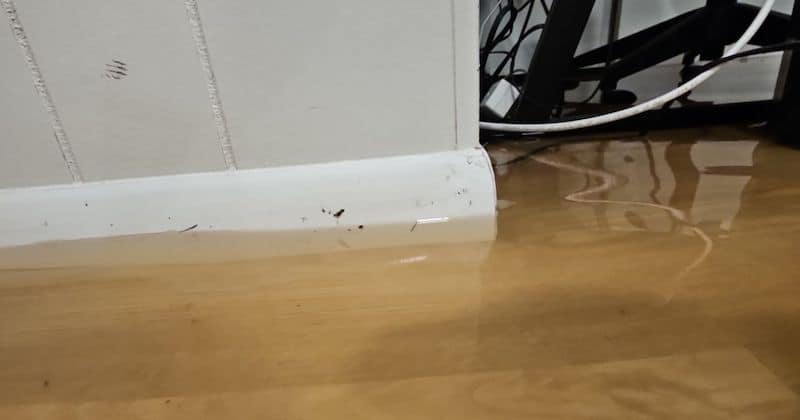
- Plan for Emergencies: Install water leak detectors and have a response plan in case of unexpected flooding.
Environmental and Community Benefits
Beyond individual property protection, widespread adoption of rainwater collection can have positive effects on the environment and community. Reducing stormwater runoff helps prevent erosion, improves water quality by filtering pollutants, and can even recharge local aquifers. In areas prone to drought, stored rainwater provides a valuable backup supply.
Communities that encourage these practices often see reduced strain on public drainage systems and lower costs associated with flood damage repairs. Homeowners may also benefit from lower water bills and increased property value.
Integrating Water Management Into Everyday Life
Addressing the challenges of excess rainwater and flood risk doesn’t have to be complicated. Simple steps like installing a rain barrel, maintaining landscaping to absorb water, and using leak detectors can make a significant difference. For those interested in sustainable living, these practices align with broader efforts to conserve resources and protect the environment.
If you’re looking for more practical home tips, our article on how to store corn masa for pressing offers advice on keeping ingredients fresh and ready for use.
FAQ: Rainwater Collection and Flooding Concerns
Can rainwater harvesting completely prevent flooding on my property?
While collecting rainwater can significantly reduce runoff and lower the risk of minor flooding, it may not be sufficient during extreme weather events. Combining harvesting with other flood prevention measures, such as proper grading and drainage, offers the best protection.
Is it legal to collect rainwater in all areas?
Regulations vary by location. Some regions encourage rainwater collection to manage stormwater, while others have restrictions. Always check local codes before installing a system.
What maintenance is required for a rainwater harvesting system?
Regular maintenance includes cleaning gutters, inspecting tanks for debris or leaks, and ensuring that filters and pumps are working correctly. Proper upkeep maximizes efficiency and prevents system failures.