Protecting your home or business starts with securing the most vulnerable spots—doors and windows. Door and window sensor systems are essential components of modern security setups, providing real-time alerts and acting as a strong deterrent against unauthorized entry. Whether you’re upgrading an existing alarm or building a smart home from scratch, understanding how these sensors work and what features to look for can make a significant difference in your overall safety.
With the rapid evolution of smart technology, these sensors have become more reliable, easier to install, and highly customizable. They integrate seamlessly with other security devices, giving you peace of mind whether you’re at home, at work, or on the go. For those interested in the broader landscape of home protection, exploring next-generation home security systems can provide additional insights into the latest advancements and features available.
How Door and Window Sensors Work
At their core, these sensors are designed to detect when a door or window is opened or closed. Most systems use a two-part magnetic contact: one piece attaches to the door or window, and the other to the frame. When the contact is broken—such as when the door or window is opened—the sensor sends a signal to your security hub or smart device, triggering an alert or alarm.
- Magnetic sensors: The most common type, using a magnet and a sensor switch.
- Vibration sensors: Detect unusual vibrations, such as those caused by forced entry.
- Glass break detectors: Specialized sensors that recognize the sound or vibration of breaking glass.
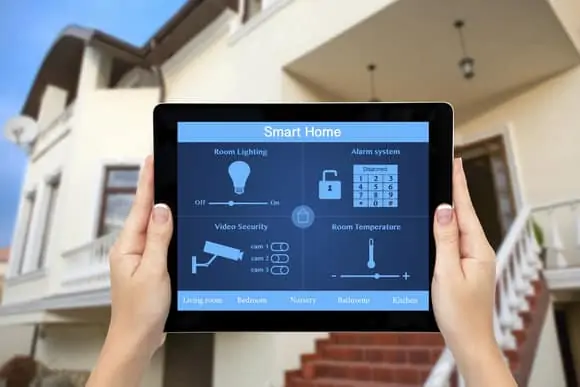
Many modern systems are wireless, making installation straightforward and flexible. They can be integrated with smart home platforms, allowing you to monitor status and receive notifications remotely.
Key Benefits of Entry Point Monitoring
Installing entry point sensors offers several advantages beyond basic intrusion detection:
- Immediate alerts: Receive instant notifications on your smartphone or security panel if a sensor is triggered.
- Deterrence: Visible sensors and warning stickers can discourage potential intruders.
- Integration: Connect with cameras, alarms, and smart locks for a comprehensive security solution.
- Peace of mind: Know that all access points are monitored, whether you’re home or away.
- Insurance benefits: Some insurers offer discounts for professionally monitored systems with entry sensors.
For those interested in the future of residential safety, the future of home protection technology highlights emerging trends that complement traditional sensor systems.

Choosing the Right Sensor System for Your Needs
Not all door and window sensor systems are created equal. When selecting the best solution for your property, consider the following factors:
- Wired vs. wireless: Wireless options are easier to install and move, while wired systems may offer more reliability in large or complex buildings.
- Battery life: Look for sensors with long-lasting batteries or low-battery alerts to avoid unexpected downtime.
- Smart integration: Ensure compatibility with your existing smart home ecosystem, such as Alexa, Google Assistant, or Apple HomeKit.
- Range and connectivity: Make sure the sensors can communicate effectively with your hub, especially in larger homes.
- Professional vs. DIY monitoring: Decide if you want to self-monitor via mobile apps or subscribe to a professional monitoring service for emergency response.
For a deeper dive into integrating these sensors with other smart devices, the comprehensive guide to smart home security provides practical advice and product comparisons.
Installation Tips and Best Practices
Proper placement and installation are crucial for maximizing the effectiveness of your entry sensors. Here are some practical tips:
- Install on all accessible doors and windows, including basement and garage entries.
- Position sensors at the top or side of the frame for optimal detection and minimal tampering.
- Test each sensor after installation to ensure they trigger correctly and communicate with your hub.
- Regularly check batteries and replace them as needed to maintain uninterrupted protection.
- Integrate with other devices like cameras, motion detectors, and smart lights for layered security.
If you’re concerned about other vulnerabilities, such as crawl spaces or rodent entry points, consider exploring crawl space monitoring solutions and rodent detection for homes for a more comprehensive approach.

Integrating Sensors with Broader Home Security
While door and window sensor systems are foundational, their true power comes from integration with other security technologies. Combining them with surveillance cameras, smart locks, and environmental sensors creates a multi-layered defense. Many modern systems allow for automation—such as turning on lights or activating cameras when a sensor is triggered—adding another layer of deterrence and evidence collection.
For households concerned about more than just break-ins, pairing entry sensors with home hygiene protection systems can help maintain a safer, healthier environment by monitoring air quality and detecting contaminants.
Maintenance and Troubleshooting
To ensure your sensors remain reliable, regular maintenance is key:
- Test sensors monthly to confirm they’re working as intended.
- Replace batteries at least once a year or when prompted by low-battery alerts.
- Clean sensor contacts to prevent dust or debris from interfering with operation.
- Update firmware for smart sensors to patch vulnerabilities and improve performance.
If you experience false alarms or connectivity issues, check for interference from metal objects, wireless devices, or thick walls. Relocating the hub or adding a signal repeater can often resolve these problems.
Frequently Asked Questions
Are door and window sensors effective against break-ins?
Yes, these sensors are highly effective as part of a layered security approach. They provide immediate alerts when entry points are breached, allowing for quick action and often deterring intruders before they can gain access.
Can I install these sensors myself, or do I need a professional?
Many modern systems are designed for easy DIY installation, especially wireless models. However, for large or complex properties, or if you prefer professional monitoring, hiring an expert can ensure optimal placement and integration.
Do these sensors work with smart home platforms?
Most new models are compatible with popular smart home ecosystems like Amazon Alexa, Google Assistant, and Apple HomeKit. Always check compatibility before purchasing to ensure seamless integration with your existing devices.
What should I do if my sensor triggers a false alarm?
First, check for environmental factors like drafts, pets, or loose mounting. If the issue persists, consult the manufacturer’s troubleshooting guide or consider repositioning the sensor for better accuracy.
Conclusion
Securing every entry point is a fundamental step in protecting your property. By choosing the right door and window sensor systems, installing them correctly, and integrating them with other smart devices, you can create a robust and responsive security network. Stay informed about the latest advancements and best practices to ensure your home or business remains safe and secure.