
Flooding is one of the most common and costly natural disasters faced by property owners. Whether you live in a high-risk area or not, understanding flood readiness for homeowners is essential to safeguard your home, belongings, and loved ones. Taking proactive steps can greatly reduce the impact of water damage and help you recover faster if disaster strikes.
This guide explores practical ways to prepare for floods, from assessing your risk and improving your home’s defenses to creating emergency plans and leveraging modern technology. Early preparation is key, and with the right knowledge, you can minimize risks and protect what matters most.
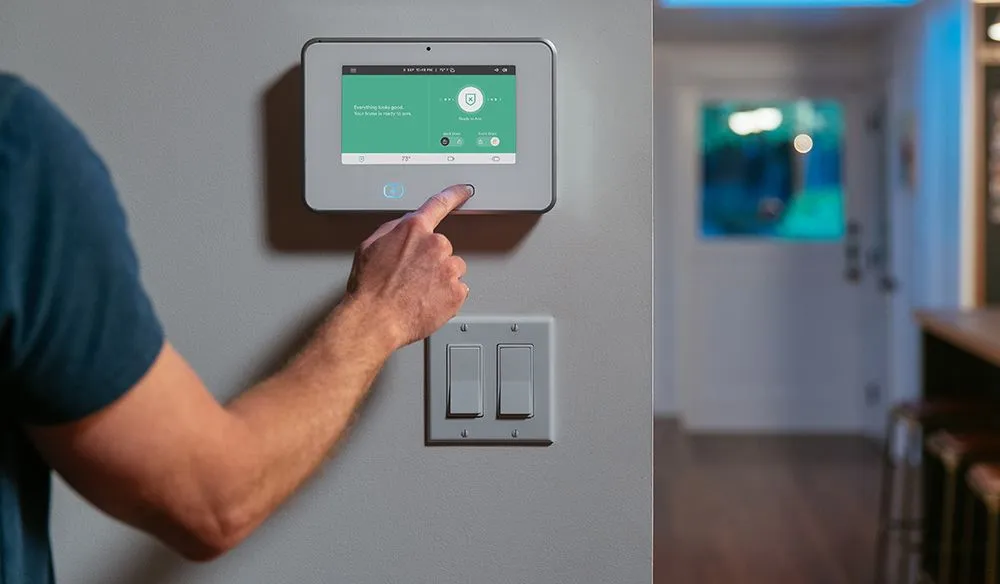
For those interested in the latest advancements in home protection, exploring next-generation home security systems can provide additional layers of safety and peace of mind, especially when integrated with flood sensors and smart alerts.
Understanding Your Flood Risk and Insurance Options
The first step in flood preparedness is to determine how vulnerable your property is. Flood risk depends on factors like location, elevation, nearby water bodies, and local infrastructure. You can check your risk using FEMA flood maps or local government resources. Even homes outside designated flood zones can experience flooding from heavy rain, blocked drains, or rapid snowmelt.
Once you know your risk, review your insurance coverage. Standard homeowners’ policies typically do not cover flood damage. Consider purchasing a separate flood insurance policy through the National Flood Insurance Program (NFIP) or private insurers. Make sure you understand what is covered, including the structure and contents, and keep documentation of your valuables for claims.
Home Improvements for Enhanced Flood Protection
There are several practical upgrades and maintenance tasks that can help prevent water from entering your home and reduce potential damage:
- Install sump pumps and backflow valves to keep water out of basements and lower levels.
- Seal cracks in foundations, walls, and around windows to block seepage.
- Keep gutters, downspouts, and drains clear of debris to ensure proper water flow away from your home.
- Elevate electrical systems, appliances, and HVAC units above potential flood levels.
- Use water-resistant building materials in vulnerable areas, such as tile or concrete instead of carpet in basements.
These improvements not only protect against floods but can also increase your property’s value and resilience against other types of water damage.
Smart Technology for Flood Alerts and Monitoring
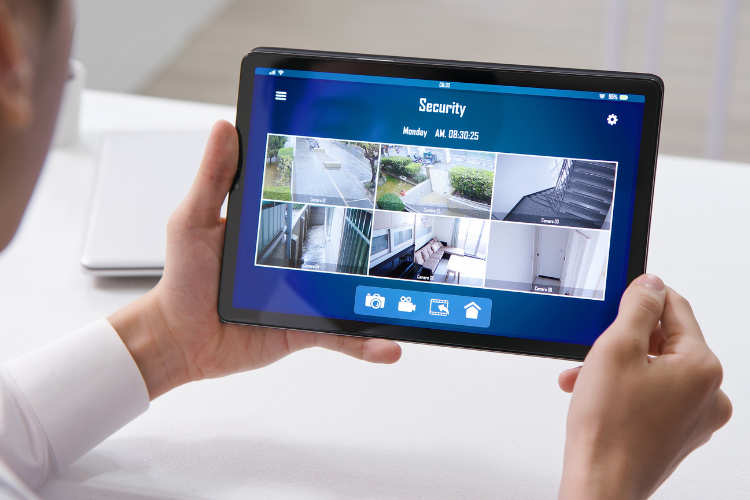
Modern technology offers new ways to stay ahead of potential water threats. Smart flood sensors, water leak detectors, and connected alarms can provide instant alerts if water is detected in vulnerable areas. These devices can be integrated with your home security system or used as standalone solutions.
For a comprehensive approach, consider combining water sensors with energy monitoring and security automation. This not only helps with flood readiness for homeowners but also improves overall safety and efficiency. You can learn more about integrating smart protection by reading a complete guide to smart home security and planning.
Many systems allow you to receive notifications on your phone, trigger alarms, or even shut off water automatically if a leak is detected. This quick response can prevent minor leaks from turning into major disasters.

Emergency Planning and Family Safety Tips
Preparation goes beyond physical upgrades. Having a clear emergency plan ensures everyone in your household knows what to do before, during, and after a flood event. Here are key steps to include:
- Identify evacuation routes and safe meeting points outside the flood zone.
- Prepare an emergency kit with essentials: water, food, medications, flashlights, batteries, important documents, and first-aid supplies.
- Keep a list of emergency contacts, including local authorities and insurance providers.
- Practice your evacuation plan regularly with all family members, including pets.
- Know how to shut off utilities like gas, electricity, and water if instructed by officials.
Staying informed is also crucial. Sign up for local weather alerts and monitor forecasts, especially during heavy rain or storm seasons. Quick action can save lives and reduce damage.
Maintaining Flood Readiness Year-Round
Flood preparedness is not a one-time task. Regular maintenance and updates help keep your home protected:
- Inspect and test sump pumps and backup power sources annually.
- Review and update your emergency plan and supplies every six months.
- Check your insurance coverage and adjust as needed for changes in risk or property value.
- Stay up to date with new technology and consider upgrades as they become available.
For homes with crawl spaces or basements, consider specialized solutions like crawl space monitoring solutions to detect moisture and prevent mold or structural issues.
Additional Resources for Homeowners
Beyond the basics, there are many resources and products designed to help property owners stay safe and recover quickly from floods. Explore community programs, local government initiatives, and online guides for more information. Staying connected with neighbors and local organizations can also provide support during emergencies.
For those interested in broader home protection strategies, topics like future of home protection technology and home hygiene protection systems offer valuable insights into keeping your living space secure and healthy.
Frequently Asked Questions
What steps should I take immediately after a flood?
After a flood, ensure everyone’s safety first. Avoid entering flooded areas until authorities declare them safe. Document all damage with photos and videos for insurance claims. Remove wet items to prevent mold, and contact your insurance provider as soon as possible. Begin cleanup only when it’s safe, wearing protective gear and following official guidance.
How can I reduce the risk of basement flooding?
To lower the chance of basement flooding, install a sump pump with a battery backup, keep gutters and downspouts clear, and seal foundation cracks. Consider adding backflow valves to prevent sewage backup. Regularly inspect your drainage systems and landscape your yard to direct water away from your home.
Are smart home devices effective for flood detection?
Yes, smart water sensors and alarms are highly effective for early flood detection. They can alert you instantly via smartphone notifications, allowing you to respond quickly and limit damage. Many systems can also integrate with other smart devices for automated responses, such as shutting off water supply or activating alarms.




