Protecting your home from unexpected emergencies requires more than just good intentions. Home disaster prevention planning is about taking proactive steps to reduce risks, safeguard your property, and ensure your family’s safety. Whether you’re facing threats from fire, flood, burglary, or power outages, a well-thought-out plan can make all the difference. This article provides practical guidance for homeowners who want to be ready for the unexpected, covering essential strategies, smart technology, and actionable tips to help you secure your living space.
Modern homes face a variety of hazards, from natural disasters to technological failures and security breaches. By understanding the vulnerabilities unique to your property and implementing a layered approach to prevention, you can minimize damage and recover faster if disaster strikes. For those interested in the latest advancements, exploring next-generation home security systems can offer additional peace of mind and advanced protection.

Why a Comprehensive Disaster Plan Matters
Many homeowners underestimate the value of a detailed prevention strategy until it’s too late. A comprehensive approach to home disaster prevention planning addresses a wide range of threats, including:
- Fire and smoke damage
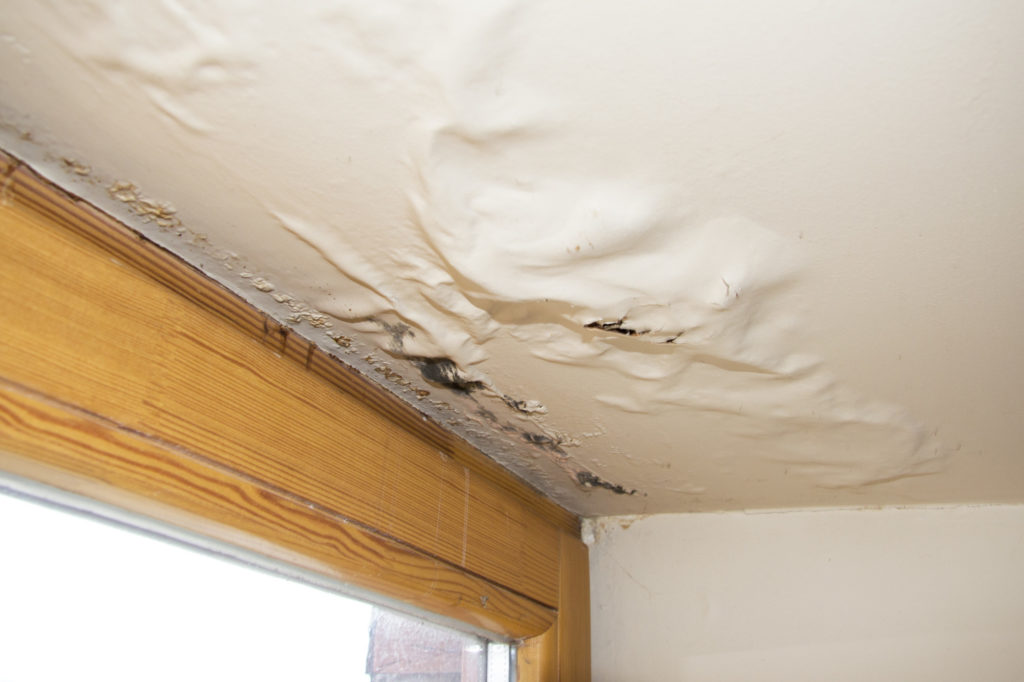
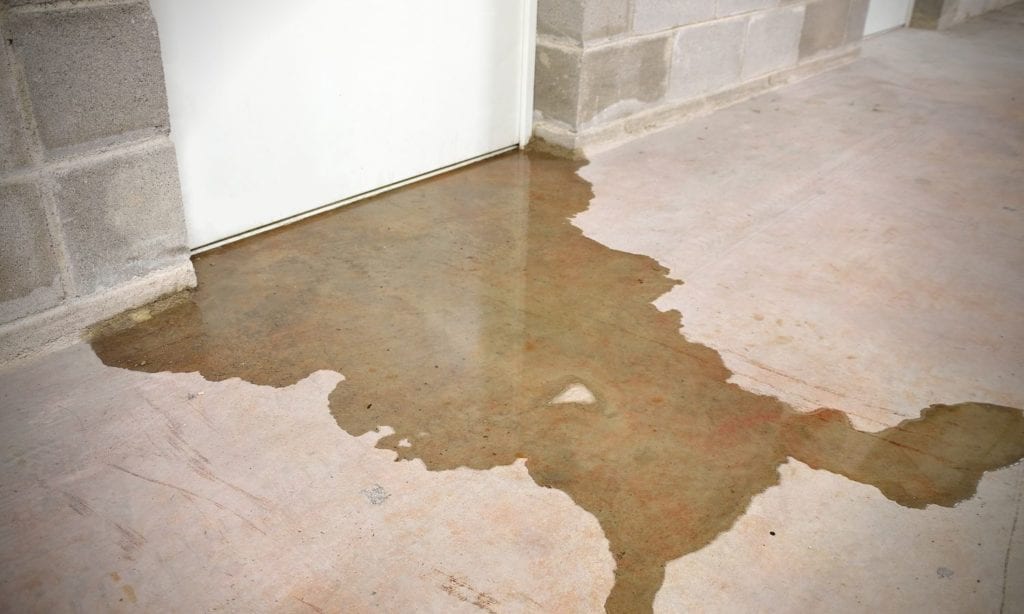
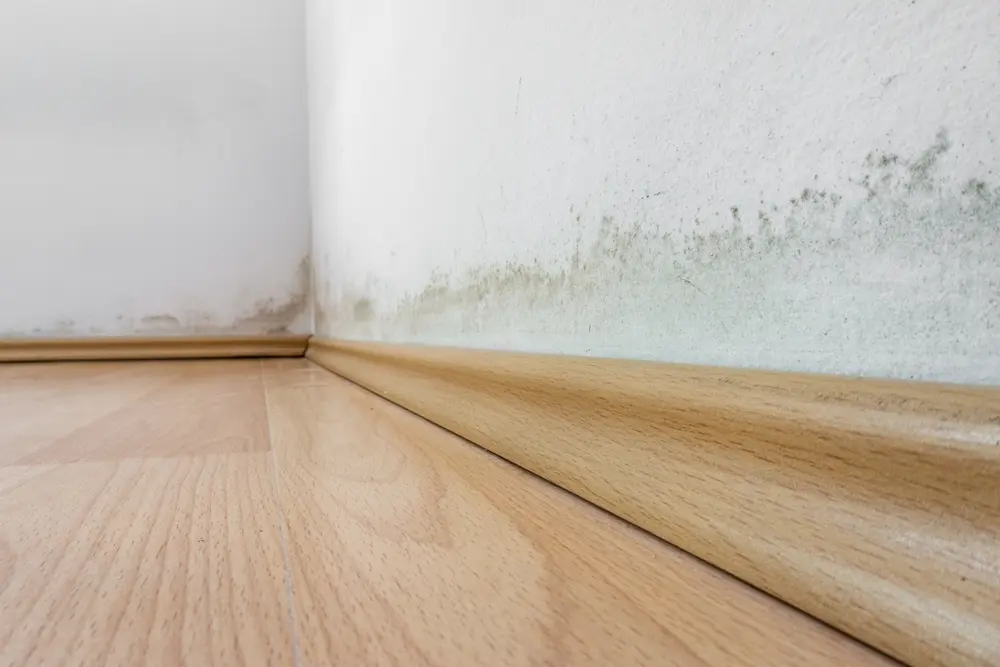
- Flooding and water leaks
- Electrical faults and power surges
- Break-ins and vandalism
- Hazardous gas leaks
- Rodent infestations
By preparing for multiple scenarios, you reduce the likelihood of costly repairs, insurance claims, and personal loss. Prevention also means less disruption to your daily life and a safer environment for everyone in your household.
Assessing Risks Unique to Your Home
Every property has its own set of vulnerabilities. Start by conducting a thorough risk assessment:
- Location-Based Hazards: Are you in a floodplain, wildfire zone, or area prone to severe weather?
- Structural Weaknesses: Does your home have an older electrical system, basement, or outdated plumbing?
- Security Gaps: Are doors, windows, and entry points adequately protected?
- Environmental Threats: Is your home at risk for carbon monoxide or radon buildup?
Identifying these factors helps you prioritize upgrades and choose the right tools for prevention. For example, if electrical issues are a concern, consider reviewing energy system protection at home to learn about modern safeguards against electrical faults.
Smart Technology for Enhanced Protection
Today’s smart home devices offer powerful solutions for disaster prevention. Integrating technology into your plan can provide real-time alerts, remote monitoring, and automated responses to emergencies. Key options include:
- Smart Alarms: Devices that detect smoke, fire, water leaks, and break-ins, sending instant notifications to your phone.
- Energy Monitors: Track power usage and detect abnormal patterns that may indicate electrical faults or appliance failures.
- Surveillance Cameras: Deter intruders and provide evidence in case of a security breach.
- Environmental Sensors: Monitor for carbon monoxide, gas leaks, or sudden temperature changes.
For a deeper dive into how technology is shaping home safety, check out the latest trends in the future of home protection technology.

Physical Upgrades and Routine Maintenance
While technology is valuable, physical improvements and regular upkeep remain essential for disaster prevention at home. Consider these practical steps:
- Install Surge Protectors: Safeguard electronics and appliances from power surges.
- Upgrade Locks and Reinforce Entry Points: Use deadbolts, smart locks, and security bars on doors and windows.
- Seal Basements and Crawl Spaces: Prevent water intrusion with proper sealing and sump pumps.
- Maintain Smoke and CO Detectors: Test alarms monthly and replace batteries as needed. Learn more about carbon monoxide monitoring systems for advanced protection.
- Clear Gutters and Drains: Reduce the risk of flooding by keeping water pathways unobstructed.
- Inspect for Rodents: Regularly check for signs of pests and consider smart solutions for rodent detection for homes.
Routine maintenance not only prevents disasters but also extends the life of your home’s systems and structures.
Creating an Emergency Response Plan
Preparation goes beyond prevention—it’s also about knowing how to respond when something goes wrong. Build a clear, actionable emergency plan that includes:
- Evacuation Routes: Map out primary and secondary exits for every room.
- Communication Plan: Designate a meeting spot and ensure all family members know how to contact each other.
- Emergency Supplies: Stock up on essentials like water, non-perishable food, flashlights, batteries, and first aid kits.
- Important Documents: Store copies of insurance papers, IDs, and medical records in a waterproof, fireproof container.
- Practice Drills: Regularly rehearse your plan so everyone knows what to do in a crisis.
Having a plan in place reduces panic and confusion, helping your household respond quickly and effectively.

Insurance and Documentation: Be Ready for Recovery
Even with the best prevention, some disasters are unavoidable. Protect your financial well-being by:
- Reviewing Insurance Policies: Make sure your coverage matches your risks, including flood, fire, and theft.
- Documenting Valuables: Take photos or videos of important possessions and keep an up-to-date inventory.
- Understanding Claims Procedures: Know how to file a claim and what documentation is required.
Quick access to records and clear communication with your insurer can speed up recovery and reduce stress after an incident.
Proactive Security and Community Awareness
Staying alert and connected with your neighbors can further strengthen your prevention efforts. Consider these additional steps:
- Join or Start a Neighborhood Watch: Collective vigilance helps deter crime and spot hazards early.
- Share Resources: Exchange tips and tools with nearby residents, such as backup generators or emergency supplies.
- Stay Informed: Sign up for local alerts and weather notifications to receive timely warnings.
- Educate Your Family: Teach children and elderly family members about safety protocols and emergency contacts.
For more ideas on proactive safety, review these expert home security tips to help you stay ahead of potential threats.
FAQ: Home Disaster Prevention and Safety
What are the most important steps in home disaster prevention planning?
The most crucial actions include assessing your property’s risks, installing smart alarms and detectors, performing regular maintenance, creating an emergency response plan, and ensuring adequate insurance coverage. Combining technology with routine checks and family preparedness offers the best protection.
How can smart home devices help prevent disasters?
Smart devices provide real-time monitoring and instant alerts for hazards like fire, water leaks, break-ins, and power surges. They allow you to respond quickly, often before significant damage occurs. Integrating these tools with your overall prevention plan enhances safety and peace of mind.
How often should I update my disaster prevention plan?
Review your plan at least once a year or after major life changes, such as renovations, new family members, or changes in local risks. Regular updates ensure your strategies and equipment remain effective and everyone in your household knows what to do in an emergency.
Effective home disaster prevention planning is an ongoing process. By combining smart technology, physical upgrades, and a clear emergency plan, you can protect your property and loved ones from a wide range of threats. Stay proactive, stay informed, and make safety a priority in your home.