Disasters can strike at any time, whether they’re natural events like storms and earthquakes or unexpected emergencies such as fires and power outages. Having a solid home emergency preparedness guide is essential to protect your loved ones, property, and peace of mind. This article provides a practical roadmap to help you prepare for a wide range of emergencies, covering essential supplies, planning, and smart technology solutions.
By taking proactive steps, you can minimize risks and respond effectively when the unexpected happens. From assembling emergency kits to leveraging smart home devices, every household can benefit from a thoughtful approach to readiness. For those interested in advanced protection, exploring next-generation home security systems can offer additional layers of safety and monitoring.
Why Every Household Needs a Disaster Plan
Emergencies are unpredictable. Whether it’s a severe weather event, a sudden blackout, or a medical crisis, having a plan in place ensures that everyone in your home knows what to do. A comprehensive disaster plan addresses communication, evacuation, and shelter strategies, tailored to your family’s unique needs.
- Communication: Establish how family members will contact each other if separated.
- Evacuation: Identify safe exits, meeting points, and transportation options.
- Shelter: Know when to stay put and how to create a safe space at home.
Review your plan regularly and update it as your household changes. Practice drills can help everyone react calmly and efficiently during real emergencies.
Building Your Home Emergency Kit
One of the most important steps in any home emergency preparedness guide is assembling a well-stocked emergency kit. This kit should be easily accessible and contain everything needed to survive for at least 72 hours without outside assistance.
- Non-perishable food and bottled water (one gallon per person per day)
- First-aid supplies and essential medications
- Flashlights, extra batteries, and a battery-powered radio
- Multi-tool, duct tape, and basic repair items
- Personal hygiene products and sanitation supplies
- Copies of important documents and emergency contact information
- Cash in small denominations
- Blankets, warm clothing, and sturdy shoes
Store your kit in a designated spot and make sure every household member knows where it is. Check and refresh supplies every six months to ensure everything remains usable.

Smart Home Technology for Emergency Readiness
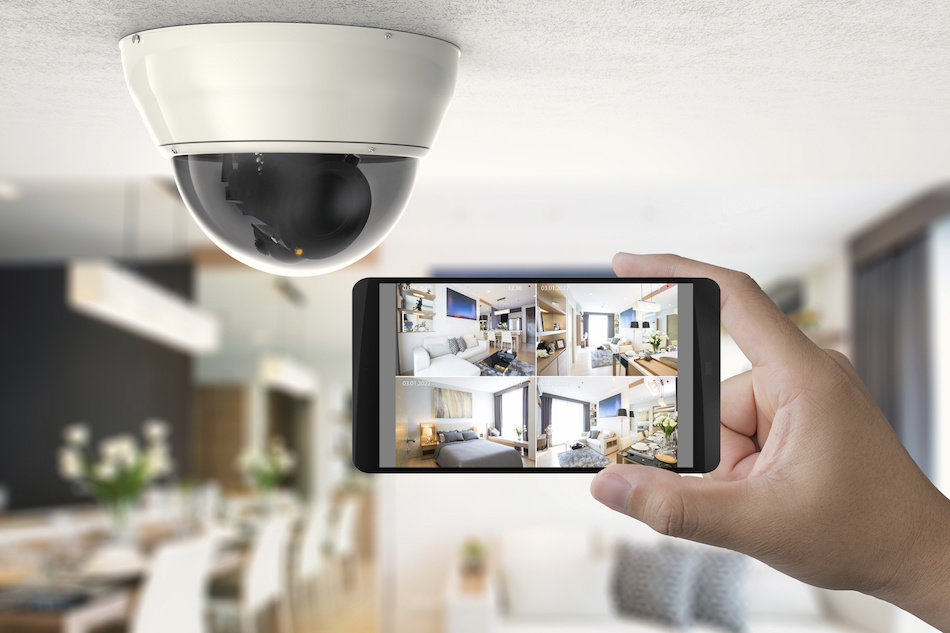
Modern technology can play a vital role in boosting your household’s resilience. Devices such as smart alarms, sensors, and energy monitors provide real-time alerts and help you respond quickly to emergencies. For example, a smart smoke detector can notify your phone if there’s a fire while you’re away, while water leak sensors can prevent costly flood damage.
Integrating these solutions with your overall plan ensures you’re not only prepared but also empowered to act swiftly. For more on how technology is shaping safety, see our guide on the future of home protection technology.
- Smart alarms: Detect intrusions, smoke, or carbon monoxide and send instant notifications.
- Energy monitors: Track power usage and alert you to outages or unusual activity.
- Remote cameras: Monitor your property and loved ones, even when you’re not home.
Many of these devices can be managed through a single app, making it easier to stay informed and in control during a crisis.
Securing Your Home Against Common Hazards
Physical security is a key part of any emergency plan. Reinforce doors and windows, install deadbolts, and consider motion-activated lighting. Regularly inspect your home for vulnerabilities, such as loose roofing or overgrown trees that could pose risks during storms.
For additional peace of mind, review proactive home security tips to help you stay ahead of potential threats. Simple actions like trimming shrubs near entryways and keeping valuables out of sight can deter opportunistic intruders.
Don’t forget about less obvious hazards. Smart sensors can alert you to gas leaks or water intrusion, while specialized systems like rodent detection for homes help prevent infestations that could compromise your health and safety.

Maintaining Hygiene and Health During Emergencies
Health and hygiene are often overlooked in emergency planning. Power outages and water disruptions can make it difficult to maintain cleanliness, increasing the risk of illness. Stock up on hand sanitizer, disinfectant wipes, and face masks. If you have pets, include their needs in your plan as well.
For more strategies on keeping your living space safe, explore our article on home hygiene protection systems. These solutions can help you prevent the spread of germs and maintain a healthy environment, even during prolonged emergencies.
Routine Checks and Ongoing Preparedness
Preparedness is not a one-time task. Schedule regular reviews of your emergency supplies, update your contact lists, and test your alarms and sensors. Stay informed about local risks and weather alerts. If you have a crawl space, consider crawl space monitoring solutions to detect moisture or structural issues before they become major problems.
Encourage everyone in your household to participate in drills and discussions about emergency plans. The more familiar each person is with the procedures and tools, the more confident and capable your family will be when it matters most.
Frequently Asked Questions
What should I include in my home emergency kit?
Your kit should have enough food, water, and essential supplies to last at least three days. Include first-aid items, medications, flashlights, batteries, hygiene products, important documents, and some cash. Don’t forget supplies for pets and infants if applicable.
How often should I review and update my emergency plan?
It’s best to review your plan every six months or whenever there’s a significant change in your household, such as a new family member or a move. Regularly check that supplies are fresh and that everyone knows their roles.
Can smart home devices really help in an emergency?
Yes, smart alarms, sensors, and cameras can provide instant alerts and remote monitoring, helping you respond quickly to fires, break-ins, or other hazards. They can also automate emergency lighting and notify authorities if needed.
Conclusion
Being prepared for emergencies is about more than just having supplies on hand. It’s a mindset that combines planning, technology, and ongoing vigilance. By following the steps in this home emergency preparedness guide, you can protect your family and property from a wide range of threats. Stay proactive, keep your plans up to date, and leverage the latest tools to ensure your home remains a safe haven no matter what challenges arise.