Modern households are increasingly turning to home power monitoring systems to gain better control over energy usage, reduce utility costs, and enhance electrical safety. These smart solutions provide real-time insights into how electricity is consumed throughout your home, helping you spot inefficiencies and prevent electrical faults before they become costly or dangerous. Whether you’re interested in lowering your energy bill, improving home safety, or simply understanding your consumption patterns, these systems offer a practical way to achieve your goals.
As smart home technology evolves, integrating energy monitoring with other security and automation features is becoming more common. For those interested in a broader approach to home protection, exploring next-generation home security systems can provide additional peace of mind alongside energy management. In this article, we’ll explore how these monitoring solutions work, their main benefits, and what to consider when choosing the right system for your needs.
What Are Home Power Monitoring Systems?
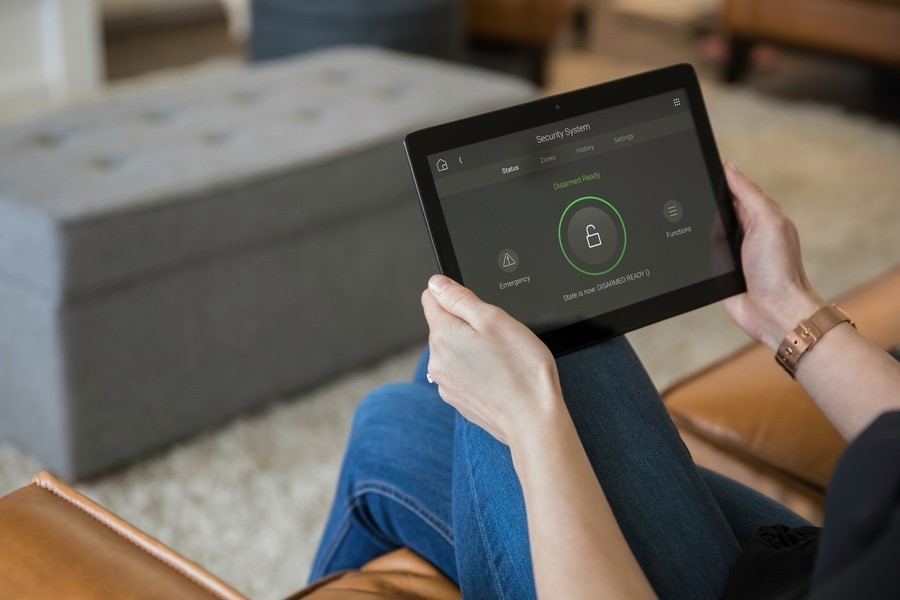
Home power monitoring systems are devices or networks of sensors that track the flow of electricity throughout your residence. They typically connect to your main electrical panel or individual circuits, collecting data on energy consumption for each appliance, room, or the entire home. This information is then relayed to a mobile app or web dashboard, allowing homeowners to view real-time and historical usage statistics.
Some advanced systems can also detect unusual patterns that may indicate electrical faults, such as overloaded circuits or failing appliances. By alerting you to these issues early, they help prevent potential hazards like electrical fires or equipment damage.
Key Benefits of Smart Energy Monitoring
Adopting a smart energy monitoring solution offers several advantages for homeowners:
- Lower Energy Bills: By identifying which devices or areas consume the most electricity, you can make informed decisions about usage and upgrades, leading to significant savings.
- Prevent Electrical Faults: Continuous monitoring helps detect problems such as voltage spikes, circuit overloads, or malfunctioning appliances before they escalate.
- Enhanced Safety: Early detection of electrical issues reduces the risk of fires and other hazards, keeping your family and property safe.
- Environmental Impact: Reducing unnecessary energy consumption contributes to a smaller carbon footprint and supports sustainability efforts.
- Convenience: Many systems integrate with smart home platforms, allowing for automation and remote control of appliances based on real-time data.
How These Systems Work
Most home power monitoring systems use a combination of hardware and software to deliver actionable insights. Here’s a general overview of how they operate:
- Installation: Sensors or clamps are attached to your electrical panel or directly to circuits. Some models are designed for DIY installation, while others may require a licensed electrician.
- Data Collection: The system continuously measures voltage, current, and power usage. Some advanced models can even identify individual appliances based on their electrical signatures.
- Communication: Data is sent wirelessly to a central hub, your smartphone, or a cloud-based dashboard. This allows you to monitor your home’s energy usage from anywhere.
- Analysis and Alerts: The software analyzes patterns, highlights unusual activity, and can send notifications if a potential fault or inefficiency is detected.
By providing detailed breakdowns of energy consumption, these solutions empower homeowners to make smarter decisions about when and how to use electricity.
Choosing the Right Energy Monitoring Solution
When selecting a system for your home, consider the following factors:
- Compatibility: Ensure the device supports your home’s electrical setup and integrates with your existing smart home ecosystem if needed.
- Level of Detail: Some systems offer whole-home monitoring, while others provide circuit-level or even appliance-level insights. Choose based on the granularity you need.
- Installation Requirements: Decide if you prefer a DIY-friendly option or if you’re comfortable hiring an electrician for a more advanced setup.
- Alert Features: Look for solutions that offer real-time alerts for faults, overloads, or abnormal consumption patterns.
- Data Access: Consider whether you want cloud-based access, local storage, or integration with other smart devices.
Popular brands in this space include Emporia, Sense, and Ring, each offering unique features for different needs and budgets.

Integrating Power Monitoring with Home Security
Combining energy monitoring with other smart home technologies can further enhance safety and convenience. For example, integrating your monitoring system with a security platform allows you to automate lighting based on occupancy or receive alerts if a device is left running while you’re away. This synergy not only optimizes energy use but also strengthens overall home protection.
For those exploring comprehensive solutions, learning about the future of home protection technology can provide insights into emerging trends that combine energy management, security, and automation for a smarter living environment.
Proactive Maintenance and Fault Prevention
One of the standout advantages of home power monitoring systems is their ability to detect and prevent electrical faults. By continuously analyzing usage patterns, these systems can identify:
- Overloaded circuits
- Sudden spikes in consumption
- Malfunctioning or failing appliances
- Wiring issues or loose connections
Early detection of these issues allows homeowners to take action before problems escalate, reducing the risk of fire, equipment damage, or costly repairs. For more tips on keeping your household safe, you might find value in these proactive home security tips from industry experts.
Tips for Maximizing the Value of Your Monitoring System
To get the most out of your energy monitoring solution, consider these best practices:
- Regularly review your usage data to spot trends and identify opportunities for savings.
- Set up custom alerts for abnormal consumption or potential faults.
- Integrate with smart plugs or switches to automate high-consumption devices.
- Share access with family members to encourage energy-saving habits.
- Schedule periodic maintenance checks on your electrical system, especially if the monitor flags recurring issues.
In addition to energy monitoring, maintaining a healthy living environment is crucial. Explore home hygiene protection systems for ideas on keeping your space safe from germs and contaminants.
FAQ: Home Energy Monitoring and Fault Detection
How difficult is it to install a home energy monitoring system?
Installation difficulty varies by model. Some systems are designed for easy DIY setup and can be installed in under an hour, while others require connecting sensors to your main electrical panel, which may need a licensed electrician. Always follow the manufacturer’s instructions and consider professional help if you’re unsure.
Can these systems help lower my electricity bill?
Yes. By providing detailed insights into your energy consumption, these solutions help you identify wasteful habits, inefficient appliances, or devices left running unnecessarily. Making small changes based on this data can lead to noticeable savings over time.
What happens if a fault is detected?
Most modern systems will send a notification to your phone or email if they detect abnormal usage, circuit overloads, or other potential issues. Some can even integrate with smart home devices to automatically shut off power to affected circuits or appliances, preventing further damage.
Are these systems compatible with solar panels or renewable energy?
Many advanced monitors support solar and other renewable energy sources, allowing you to track both consumption and generation. Check the product specifications to ensure compatibility with your setup.
Conclusion
Adopting a home power monitoring system is a smart step toward a safer, more efficient, and cost-effective household. With the ability to track energy use, prevent electrical faults, and integrate with broader smart home technologies, these solutions offer tangible benefits for modern living. As you consider your options, remember to evaluate compatibility, installation requirements, and the features that matter most to your family. For further reading on related topics, check out solutions for rodent detection for homes and crawl space monitoring solutions to build a comprehensive approach to home safety and efficiency.