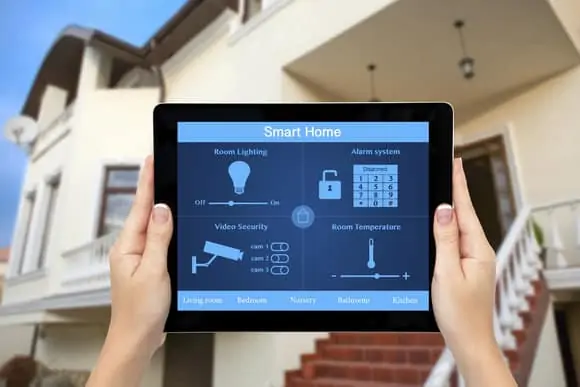
Keeping your loved ones secure is a top priority for any homeowner. With evolving threats and new technologies, understanding the best home protection strategies is essential for creating a safe environment. From smart devices to practical habits, a layered approach can deter intruders, prevent accidents, and give you peace of mind.
This article explores proven methods to safeguard your property, including modern security systems, environmental monitoring, and simple steps you can take today. For those interested in advanced options, you can also learn about next-generation home security systems that offer cutting-edge features for enhanced safety.
Why a Layered Approach Matters
No single method can guarantee complete safety. Instead, combining multiple home protection strategies creates overlapping layers of defense. This approach makes it harder for intruders to succeed and helps you respond quickly to emergencies. By integrating technology, physical barriers, and daily routines, you can address a wide range of risks.
Physical Security: The First Line of Defense
Physical barriers remain fundamental for home safety. Start by ensuring all doors and windows are sturdy and equipped with quality locks. Deadbolts, reinforced strike plates, and window bars can significantly slow down unauthorized entry. Don’t overlook garage doors and basement windows, which are common targets for break-ins.
- Install motion-sensor lights around entrances and dark corners to deter trespassers.
- Trim shrubs and trees near windows to eliminate hiding spots.
- Consider fencing and locked gates for extra perimeter security.
Regularly inspect your property for vulnerabilities. Fix broken latches, replace weak doors, and ensure all entry points are visible from the street or neighbors’ homes.
Smart Technology and Security Systems
Modern technology has transformed how we protect our homes. Smart alarms, cameras, and sensors offer real-time monitoring and instant alerts, even when you’re away. These systems can be customized to fit your needs and budget.

Key features to consider:
- Smart cameras with remote access and motion alerts
- Door and window sensors that notify you of unauthorized openings
- Video doorbells to see and communicate with visitors from anywhere
- Integration with mobile apps for real-time control
For a deeper dive into the latest innovations, check out the future of home protection technology and how it’s shaping tomorrow’s security landscape.
Many modern systems are easy to install and can be expanded over time. Some even offer professional monitoring, which contacts emergency services on your behalf if an alarm is triggered.
For a comprehensive overview of smart home security, see this smart home security guide that explains the benefits and options available today.
Environmental Monitoring and Safety
Home safety isn’t just about preventing break-ins. Environmental hazards like fire, carbon monoxide, and electrical faults can be equally dangerous. Incorporating environmental monitoring into your home protection strategies helps address these risks.
- Smoke and carbon monoxide detectors should be installed on every level of your home, especially near bedrooms.
- Test alarms monthly and replace batteries at least once a year.
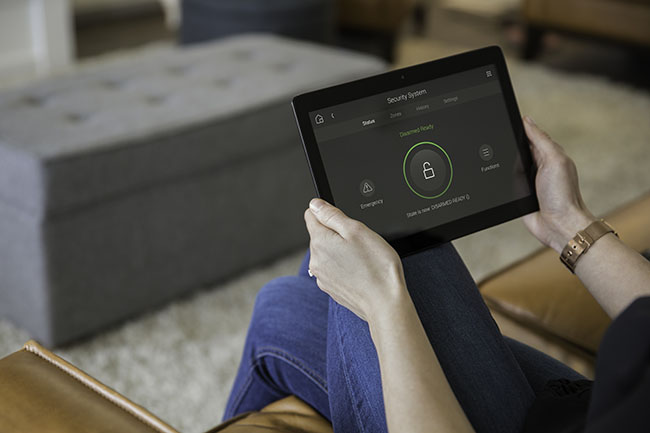
- Consider smart sensors that send alerts to your phone if a hazard is detected.
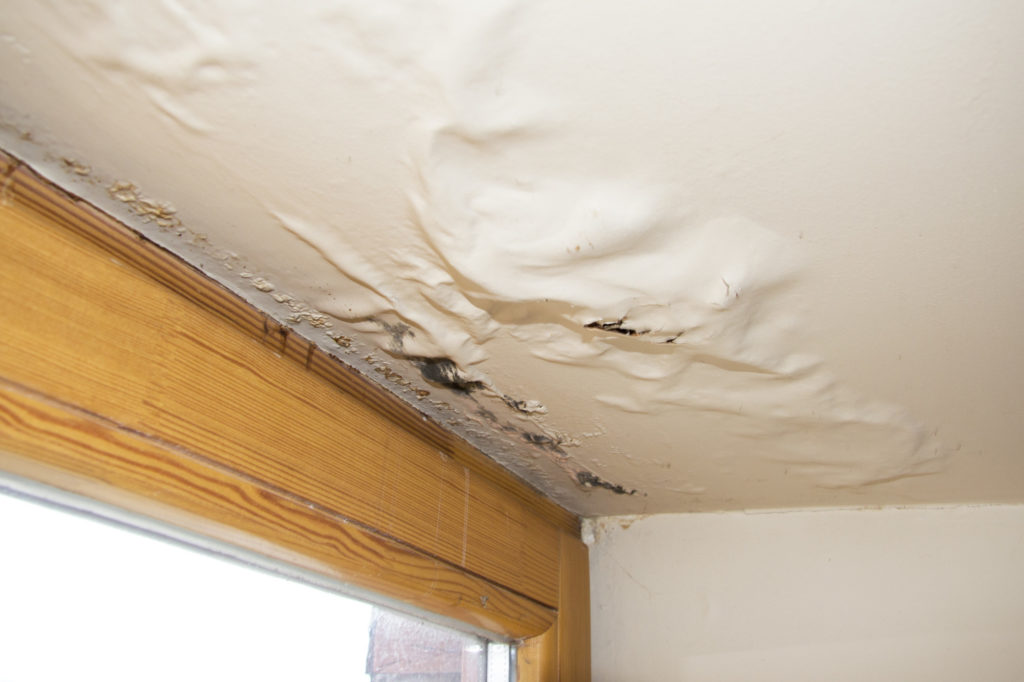
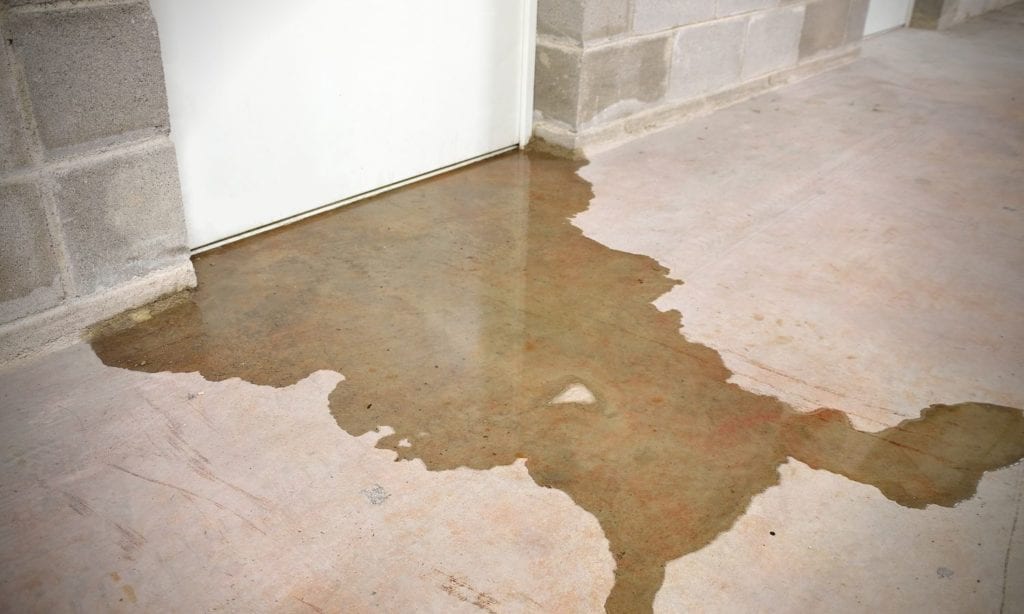
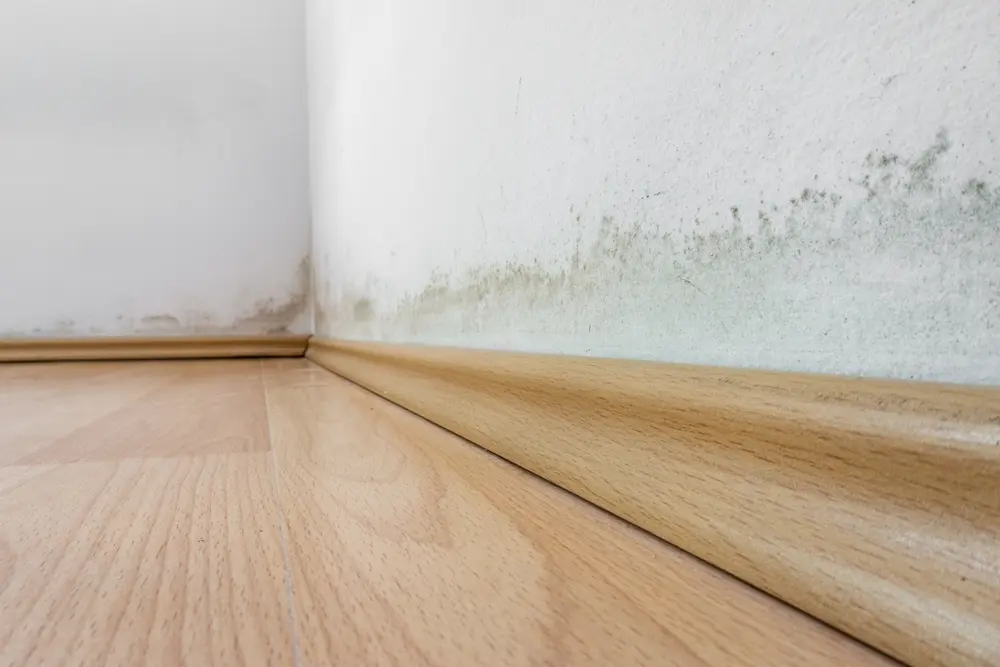
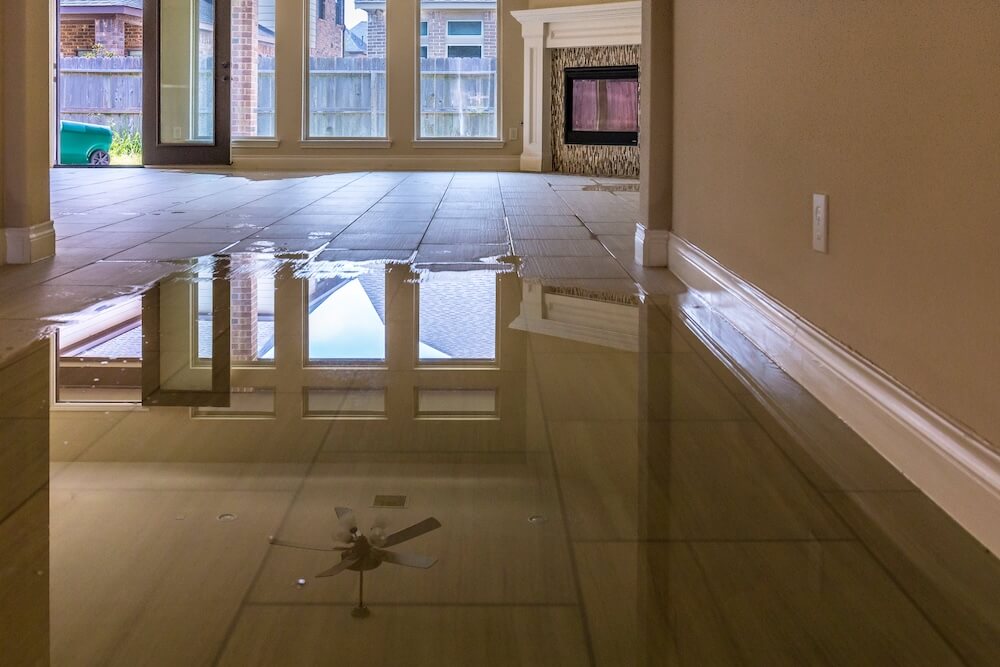
- Install water leak detectors in basements, laundry rooms, and under sinks to prevent costly damage.
For more on protecting your home from invisible threats, explore carbon monoxide monitoring systems and how they can save lives. Additionally, energy system protection at home helps prevent electrical faults and reduce fire risk.
Everyday Habits That Enhance Security
Technology and hardware are important, but daily routines also play a crucial role in keeping your family safe. Here are some practical habits to adopt:
- Lock all doors and windows every time you leave, even if it’s just for a few minutes.
- Don’t hide spare keys outside; give them to a trusted neighbor or use a secure lockbox.
- Keep valuables out of sight from windows.
- Use timers for lights and electronics to make your home look occupied when you’re away.
- Get to know your neighbors and watch out for each other’s properties.
- Be cautious about sharing travel plans or daily routines on social media.
Simple steps like these can significantly reduce your risk and complement other home protection strategies.
Addressing Uncommon Threats
While burglary and fire are common concerns, other risks such as pests and rodents can also threaten your home’s safety and health. Smart detection systems can alert you to unusual activity, helping you respond quickly. Learn more about rodent detection for homes and how technology can help prevent infestations before they become serious problems.
Integrating and Maintaining Your Security Measures
Once you’ve implemented a range of home protection strategies, regular maintenance is key. Test alarms, update passwords on smart devices, and review your security setup at least annually. As technology evolves, consider upgrading to newer solutions that offer better protection and convenience.
Stay informed about the latest trends and threats. Reading about the future of home protection technology can help you anticipate changes and keep your security measures up to date.
FAQ: Common Questions About Home Safety
What is the most effective way to secure my home?
The most effective approach combines strong physical barriers, smart technology, and good habits. Reinforced doors and windows, a reliable alarm system, and regular routines like locking up and checking alarms all work together for maximum security.
How often should I update my security system?
Review your security setup at least once a year. Update software and passwords regularly, and consider upgrading hardware every few years to take advantage of new features and improved protection.
Are smart home security systems worth the investment?
Yes, smart systems offer real-time alerts, remote monitoring, and integration with other devices, making them a valuable addition to your home safety plan. They can deter intruders, speed up emergency response, and provide peace of mind whether you’re at home or away.
What are some overlooked risks in home protection?
Environmental hazards like carbon monoxide, electrical faults, and pest infestations are often overlooked. Installing detectors and monitoring systems for these threats adds an important layer of safety to your home.
Conclusion
Protecting your family requires a thoughtful mix of physical security, smart technology, environmental monitoring, and daily habits. By staying proactive and informed, you can create a safer home environment and respond quickly to any threat. Explore the latest solutions and keep your security measures updated to ensure ongoing peace of mind.