Modern living demands smarter ways to protect our homes. Home security automation systems have become the backbone of safe, connected households, offering a blend of convenience, technology, and peace of mind. Whether you want to monitor your property remotely, automate lighting and locks, or receive instant alerts about unusual activity, these solutions are transforming the way we think about safety. This article explores the essential features, benefits, and considerations for anyone looking to upgrade their home with intelligent security technology.
As more homeowners seek to integrate advanced protection into their daily routines, understanding the landscape of automated security is crucial. From smart sensors and surveillance cameras to voice-controlled alarms and energy monitoring, the options are vast and customizable. If you’re interested in exploring the latest innovations, you might also want to read about next-generation home security systems for a deeper dive into cutting-edge features.

What Are Automated Home Security Solutions?
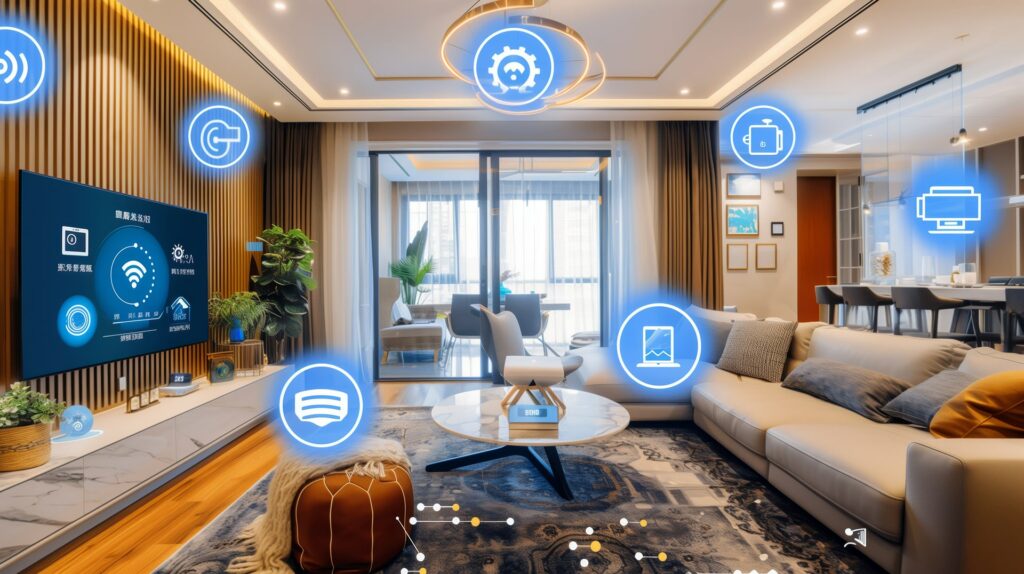
Automated home protection systems leverage connected devices and smart technologies to monitor, detect, and respond to threats. Unlike traditional alarm setups, these systems integrate with your home’s network, allowing you to control and monitor security features from your smartphone, tablet, or voice assistant. Key components often include:
- Smart cameras with live streaming and motion detection
- Automated door locks and access control
- Window and door sensors
- Integrated alarms and sirens
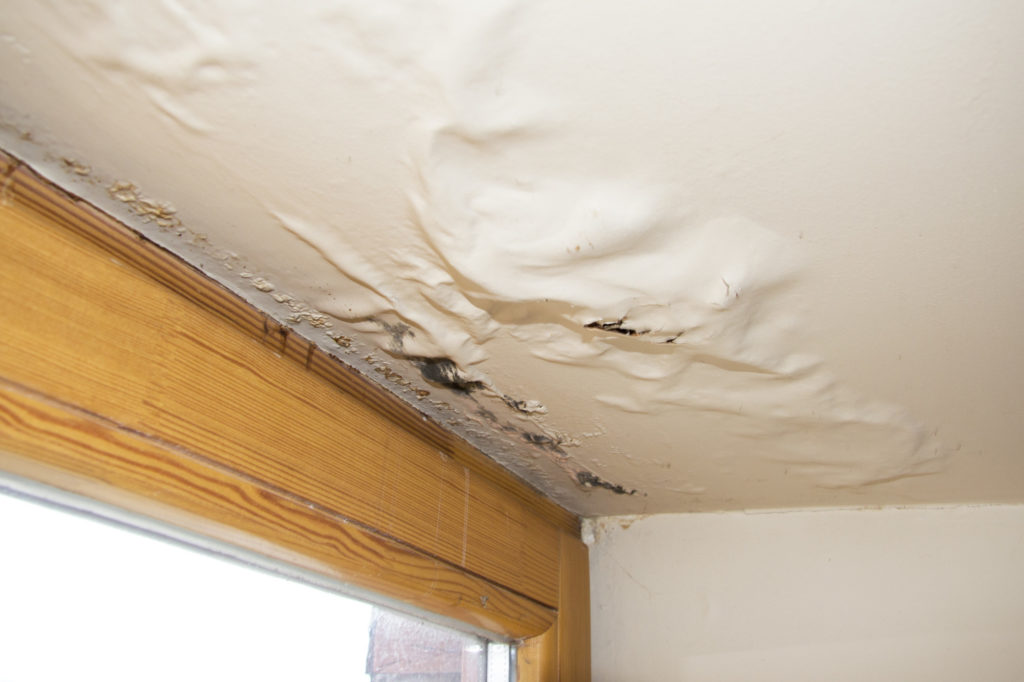
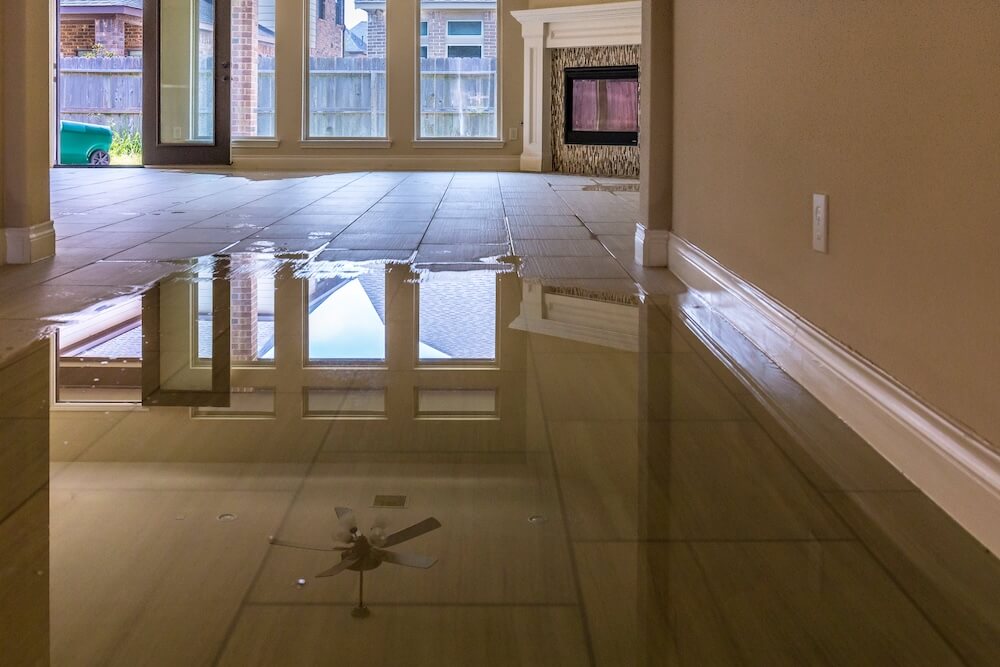
- Environmental sensors for smoke, carbon monoxide, and water leaks
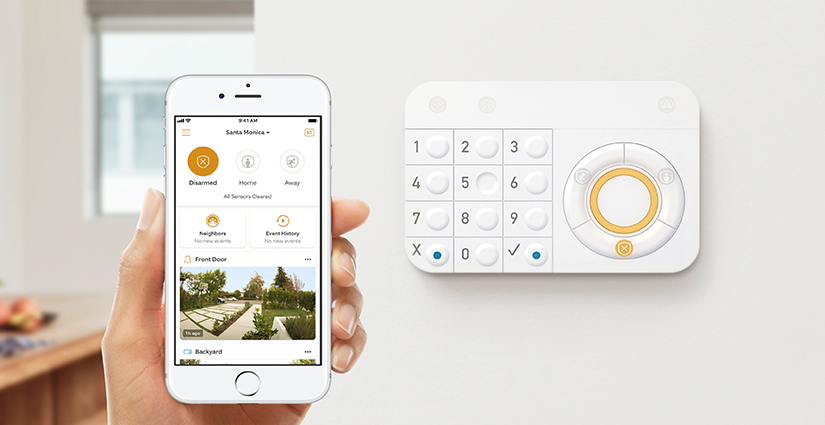
- Mobile app controls and real-time notifications
By automating these elements, you gain more than just security—you get convenience and flexibility. For example, you can unlock your door for a delivery when you’re not home, or receive an alert if a window is opened unexpectedly.
Key Benefits of Smart Security Integration
Adopting home security automation systems brings several advantages that go beyond basic protection:
- Remote access and control: Manage your system from anywhere using your mobile device.
- Real-time alerts: Get instant notifications about suspicious activity or emergencies.
- Energy efficiency: Integrate with smart thermostats and lighting to optimize energy use.
- Customizable automation: Set routines such as arming the system when you leave or turning on lights at sunset.
- Integration with other smart devices: Connect with voice assistants, smart plugs, and more for a seamless experience.
These features not only enhance safety but also add value to your property and simplify daily routines.
Popular Features in Modern Automated Security
Today’s smart security platforms offer a wide range of features to suit different needs and budgets. Some of the most sought-after capabilities include:
- Video doorbells: See and speak to visitors before opening the door.
- Cloud storage: Securely store video footage for later review.
- Geofencing: Automatically arm or disarm your system based on your location.
- Two-way audio: Communicate with people at your door or inside your home remotely.
- Smart lighting integration: Deter intruders by automating lights to mimic occupancy.
Many systems also support integration with other smart home devices, such as thermostats and energy monitors. For example, pairing your security setup with an energy monitoring device can help you track power usage and detect unusual patterns that might indicate a problem.
Choosing the Right Automated Security Setup
Selecting the best system depends on your home’s size, layout, and specific security concerns. Here are some factors to consider:
- Compatibility: Ensure your chosen devices work together and with your preferred smart home platform.
- Scalability: Look for solutions that can grow with your needs, allowing you to add more sensors or cameras over time.
- Professional monitoring: Decide if you want 24/7 monitoring services or prefer to self-monitor via mobile alerts.
- Installation: Some systems are DIY-friendly, while others may require professional setup.
- Privacy and data security: Choose reputable brands that prioritize encryption and secure data handling.
For a detailed comparison of the latest products and features, consult a comprehensive smart home security guide to help you make an informed decision.
Integrating Automation with Other Home Protection Technologies
Combining automated security with other smart home solutions can further enhance your safety and comfort. For example, integrating with home hygiene protection systems can help you maintain a healthier environment, while rodent detection for homes adds another layer of protection against pests. Advanced monitoring tools, such as crawl space monitoring solutions, can alert you to issues in hard-to-reach areas, ensuring your entire property is covered.
Staying informed about the future of home protection technology will help you anticipate new trends and keep your system up to date. As the industry evolves, expect more seamless integration, improved artificial intelligence, and even greater customization options.
Installation Tips and Best Practices
Proper installation is key to maximizing the effectiveness of your automated security setup. Here are some practical tips:
- Position cameras to cover main entry points and vulnerable areas, avoiding obstructions and glare.
- Test sensors and alarms regularly to ensure they function correctly.
- Update device firmware and app software to patch security vulnerabilities.
- Change default passwords and enable two-factor authentication where possible.
- Inform household members about system features and emergency procedures.
Many systems offer step-by-step guides for DIY installation, but professional help may be beneficial for complex setups or larger homes.
Frequently Asked Questions
How do automated security systems differ from traditional alarms?
Automated systems use smart devices and connectivity to offer remote control, real-time alerts, and integration with other home technologies. Traditional alarms typically provide basic intrusion detection and may lack advanced features like mobile access or automation.
Can I install a smart security system myself?
Many modern solutions are designed for easy DIY installation, with wireless components and intuitive setup processes. However, larger or more complex systems may benefit from professional installation to ensure optimal coverage and integration.
Are automated home security systems vulnerable to hacking?
Like any connected technology, smart security devices can be targeted by cyber threats. To minimize risks, choose reputable brands, keep software updated, use strong passwords, and enable security features such as two-factor authentication.
Conclusion
Automated home protection is reshaping the way we secure our living spaces. With features like remote monitoring, smart alerts, and seamless integration with other devices, these systems offer robust, user-friendly solutions for modern households. By carefully selecting and maintaining your setup, you can enjoy enhanced peace of mind and a truly connected home environment.