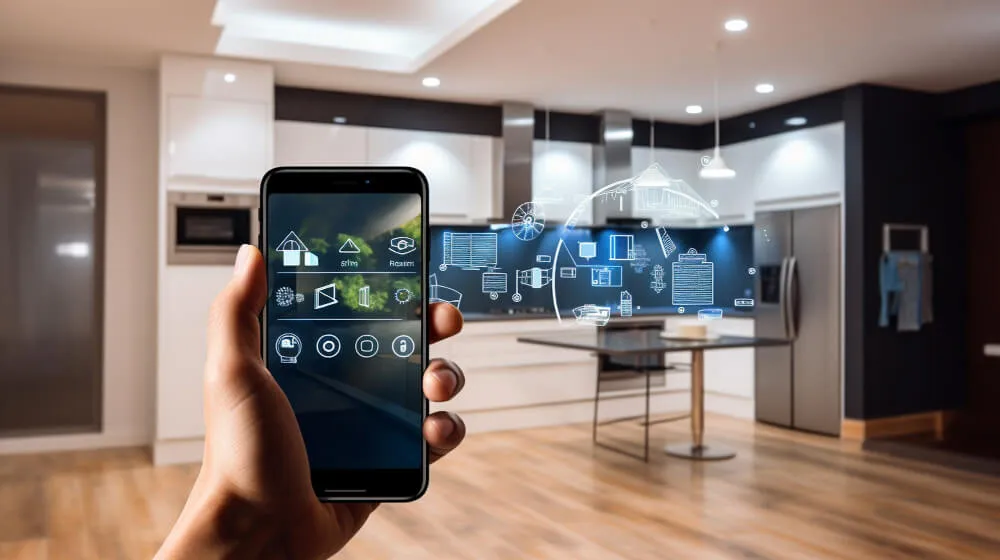
Keeping your home safe goes beyond locking the doors at night. Many homeowners overlook hidden risks that can make their property an easy target for intruders or leave it exposed to accidents and system failures. Conducting a home vulnerability assessment is a practical way to identify and address these weak spots, ensuring your living space is as secure as possible.
This guide will walk you through the key steps for evaluating your home’s security, from checking entry points to reviewing digital safeguards. You’ll also find tips on leveraging smart technology and learn how to prioritize improvements for the greatest impact. For those interested in the future of home protection technology, integrating new advancements can further enhance your home’s resilience.
Understanding the Importance of a Home Security Review
A thorough security review is the foundation of a safer home. By systematically evaluating your property, you can uncover gaps that may not be obvious at first glance. This process helps you:
- Identify potential entry points for intruders, such as unlocked windows or weak doors.
- Spot outdated or malfunctioning locks, alarms, and surveillance systems.
- Assess lighting, landscaping, and visibility that could aid or deter unauthorized access.
- Review digital vulnerabilities, including Wi-Fi networks and smart devices.
- Prioritize upgrades based on risk and budget.
Regularly performing a home vulnerability assessment is especially important if you’ve recently moved, made renovations, or installed new technology. It also ensures you stay ahead of evolving threats and maintain peace of mind.
Step-by-Step Guide to Identifying Security Weaknesses
1. Inspect All Entry Points
Doors and windows are the most common access points for break-ins. Start by checking:
- Condition of locks, hinges, and frames on all exterior doors.
- Sliding doors for secure latches and anti-lift devices.
- Basement and garage entries, which are often overlooked.
- Windows for working locks and intact glass or screens.
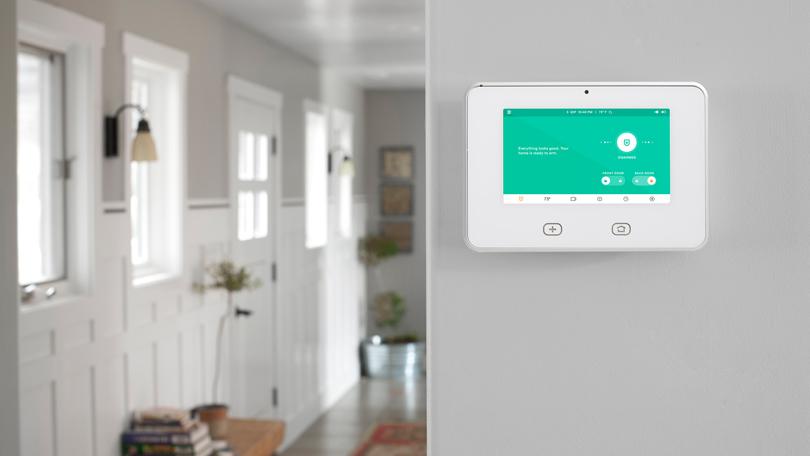
Consider upgrading to smart locks or reinforced hardware for added protection. For more on the latest advancements, see our article on next-generation home security systems.
2. Evaluate Outdoor Security Measures
The exterior of your property plays a significant role in deterring unwanted visitors. Assess the following:
- Outdoor lighting coverage, especially near entrances and pathways.
- Visibility from the street—overgrown bushes or trees can provide hiding spots.
- Fencing and gates for integrity and secure locks.
- Surveillance cameras and alarm signage to discourage attempts.
Motion-activated lights and visible cameras are effective deterrents. If you use smart outdoor devices, make sure they are updated and protected against hacking.
3. Review Digital and Smart Home Vulnerabilities
With the rise of connected devices, digital security is now a crucial part of any home vulnerability assessment. Take these steps:
- Change default passwords on all smart home devices and routers.
- Enable two-factor authentication where possible.
- Regularly update device firmware and software.
- Segment your Wi-Fi network to separate smart devices from personal computers.
For a deeper dive into integrating technology, explore our resources on smart homeowner solutions and proactive property management systems.
Common Overlooked Weak Spots in Homes
Even the most security-conscious homeowners can miss certain vulnerabilities. Here are some often-overlooked areas:
- Pet doors and mail slots that can be manipulated from outside.
- Unsecured ladders or tools left in the yard, which can aid break-ins.
- Garage doors without rolling code technology.
- Hidden spare keys in obvious locations.
- Old alarm systems that lack remote monitoring or cellular backup.
Addressing these details can make a significant difference in your overall safety.
Leveraging Technology for a Comprehensive Security Assessment
Modern smart home devices make it easier to monitor and control your property remotely. Consider installing:
- Smart alarms and sensors that alert you to unauthorized entry or movement.
- Energy monitors to detect unusual power usage, which could indicate tampering or system faults.
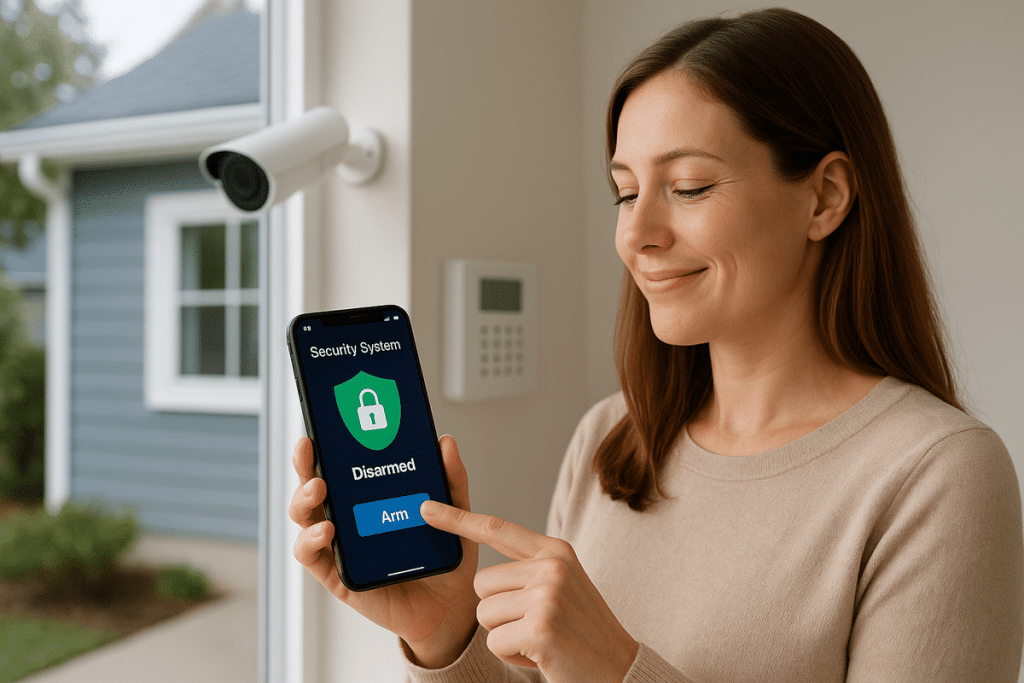
- Integrated platforms that allow you to manage locks, lights, and cameras from your phone.
For a complete overview of how to plan and implement a connected security system, check out this comprehensive guide to smart home security.
Prioritizing and Addressing Security Risks
After completing your assessment, create a checklist of identified risks. Prioritize fixes based on:
- Severity of the vulnerability (e.g., broken locks vs. outdated lighting).
- Likelihood of exploitation.
- Cost and complexity of the solution.
- Potential impact on your family’s safety and peace of mind.
Start with the most critical issues, such as securing entry points and updating passwords. Gradually work through your list, considering professional help for complex upgrades or system installations. For effortless ongoing maintenance, explore home maintenance automation tools that can help you stay on top of regular checks.
Maintaining Ongoing Security Awareness
Security is not a one-time project. Schedule regular reviews of your home’s systems and routines. Stay informed about new threats and technologies, and involve all household members in safety practices. Simple habits—like locking doors, not sharing access codes, and keeping valuables out of sight—go a long way in reducing risk.
FAQ
How often should I perform a home vulnerability assessment?
It’s recommended to review your home’s security at least once a year, or after any major changes such as renovations, new occupants, or the installation of new technology. Regular assessments help you stay ahead of emerging risks.
What are the most common weak spots in residential security?
Commonly missed areas include unlocked windows, garage doors, pet doors, and outdated alarm systems. Overgrown landscaping and poor outdoor lighting can also create opportunities for intruders.
Can smart home devices improve my security?
Yes, smart devices like alarms, cameras, and sensors can enhance your home’s protection by providing real-time alerts and remote monitoring. However, it’s important to secure these devices with strong passwords and regular updates to prevent digital vulnerabilities.