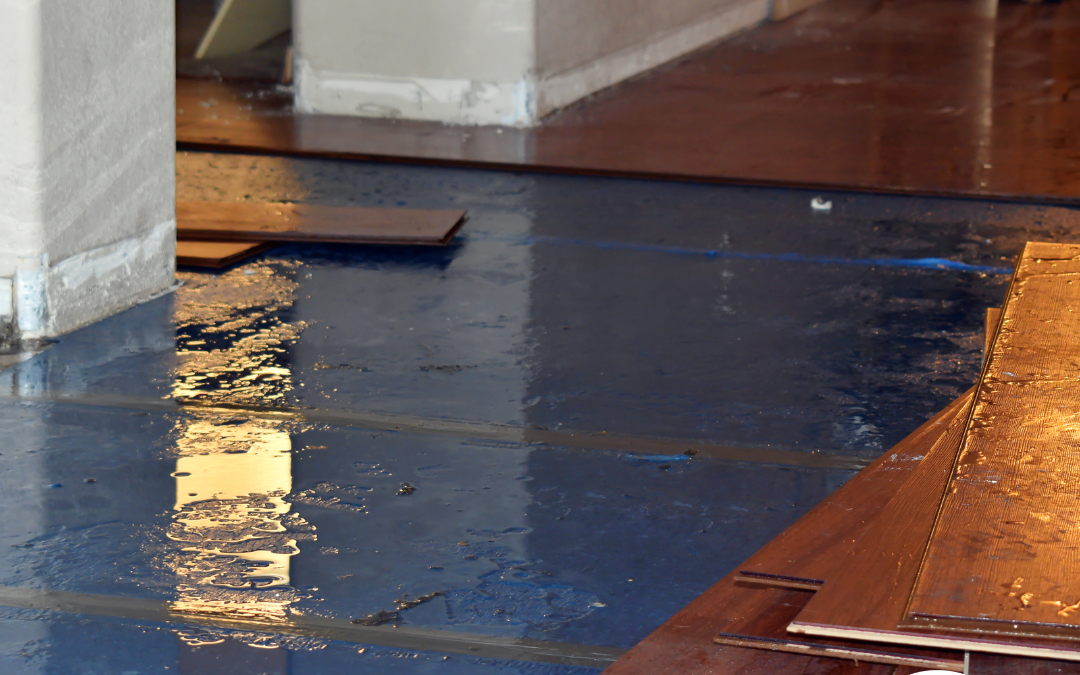
Experiencing water damage in your home can be overwhelming, whether it’s caused by a burst pipe, a leaking appliance, or unexpected flooding. Knowing how to file insurance claim for water damage is essential for minimizing financial loss and restoring your property as quickly as possible. This guide explains the step-by-step process, from initial assessment to final settlement, so you can navigate your claim with confidence.
Before diving into the details, it’s helpful to understand that every insurance policy is different. Reading your policy carefully and documenting all damage are crucial first steps. For those interested in home maintenance, you might also find value in learning about how to sanitize a cast iron press to prevent cross-contamination in your kitchen.
Understanding Your Water Damage Coverage
Not all water-related incidents are covered by standard homeowners insurance. Policies typically distinguish between sudden, accidental events (like a pipe bursting) and gradual issues (such as slow leaks or poor maintenance). Flooding from natural disasters is usually excluded from standard policies and requires separate flood insurance.
- Sudden and Accidental Damage: Most policies cover unexpected events, such as a washing machine hose breaking.
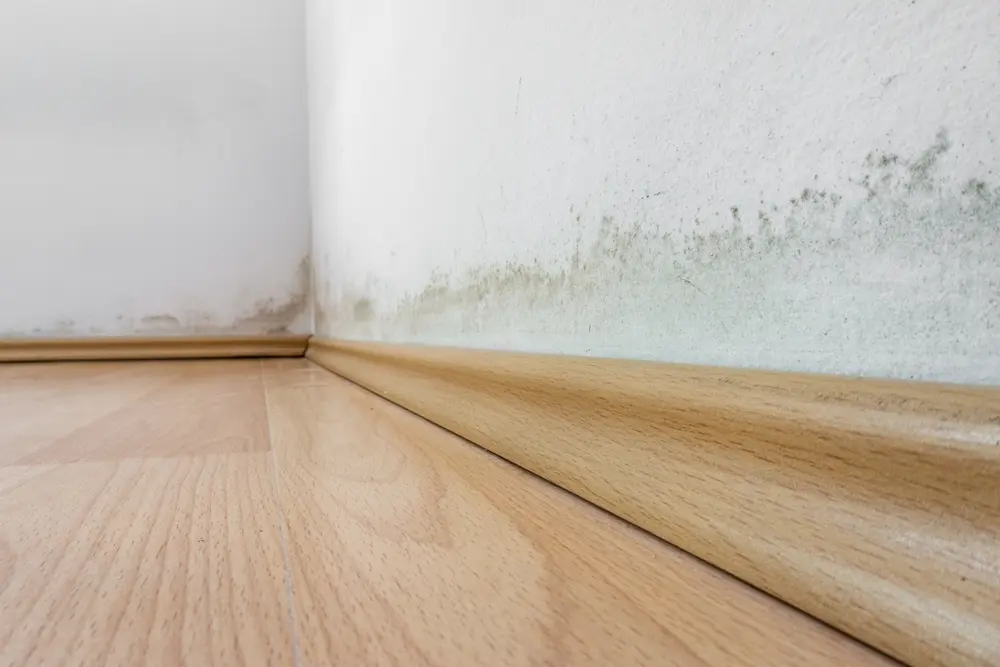
- Gradual Damage: Long-term leaks or mold from poor maintenance are often excluded.
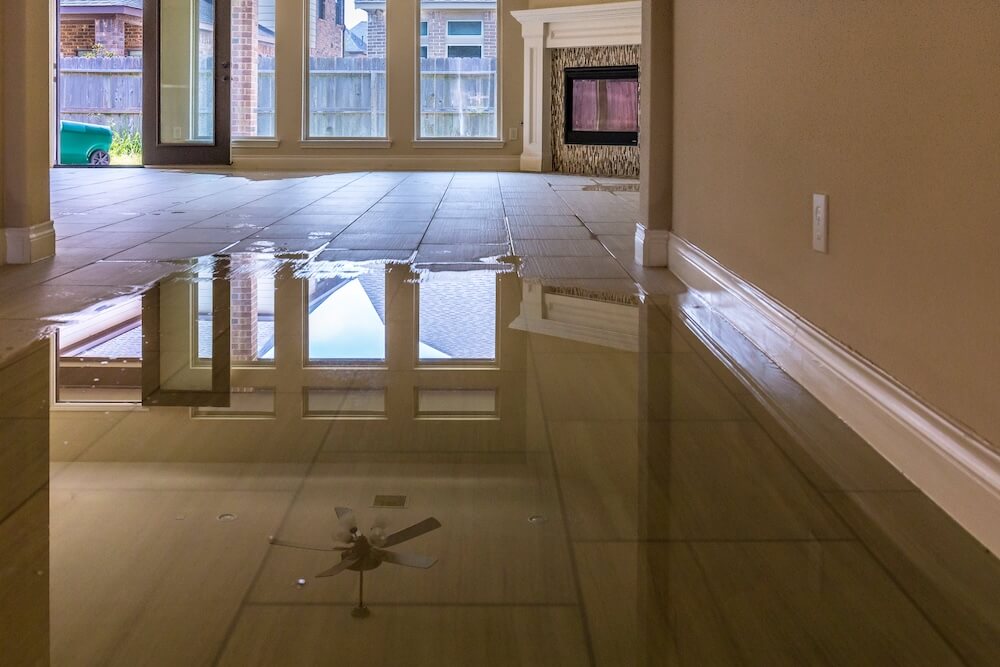
- Flood Damage: Requires a separate policy, often through the National Flood Insurance Program.
Review your policy documents or speak with your agent to clarify what types of water damage are included. This will help you determine if your situation qualifies for a claim.
Immediate Steps to Take After Water Damage
Acting quickly can help reduce further harm and support your claim. Here’s what you should do right away:
- Stop the Source: If possible, shut off the water supply to prevent additional damage.
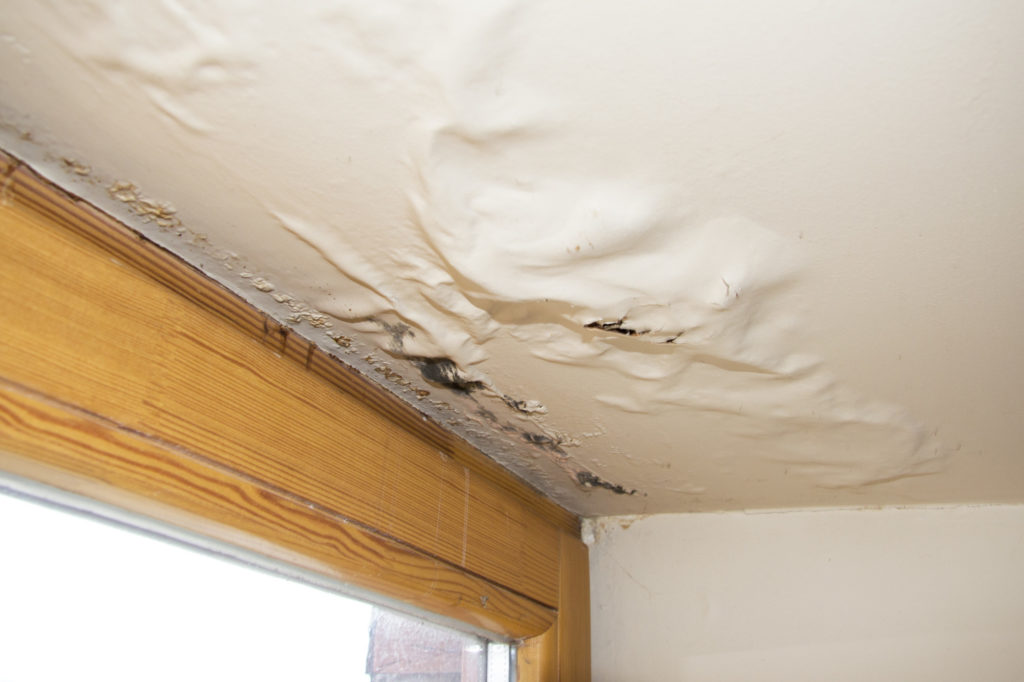
- Document Everything: Take clear photos and videos of all affected areas, including damaged personal items and structural components.
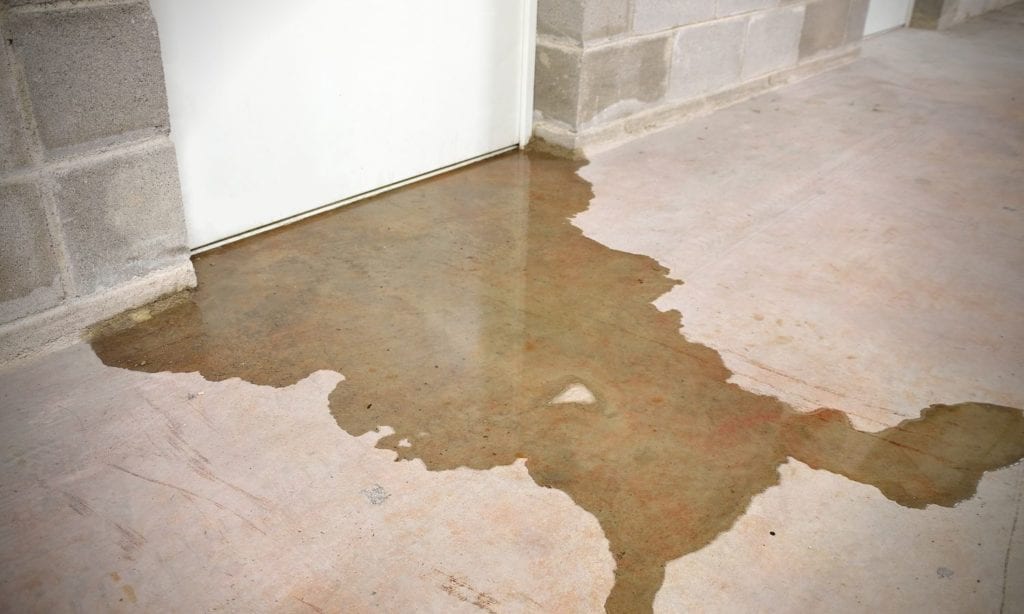
- Protect Your Property: Move undamaged belongings to a dry area and use towels or buckets to minimize standing water.
- Save Receipts: Keep records of any emergency repairs or cleanup costs, as these may be reimbursable.

Contacting Your Insurance Company
Once you’ve contained the situation and gathered documentation, reach out to your insurer as soon as possible. Most companies have a 24/7 claims hotline or an online portal for reporting losses.
- Provide your policy number and a brief description of the incident.
- Be ready to share photos, videos, and a list of damaged items.
- Ask about next steps, including whether you should arrange for professional cleanup or wait for an adjuster’s inspection.
Prompt communication is key. Delays in reporting can sometimes affect your eligibility for coverage.
Working With the Insurance Adjuster
After your claim is opened, the insurance company will assign an adjuster to assess the damage. The adjuster may visit your property in person or request additional documentation.
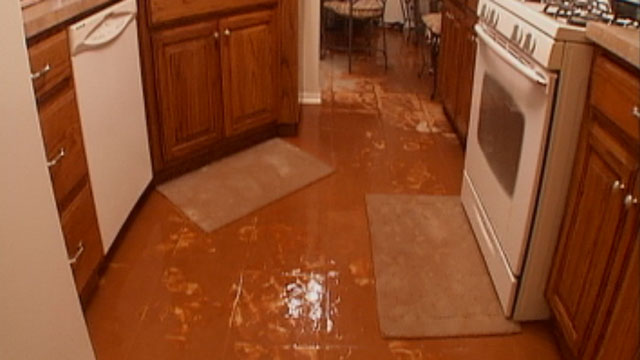
- Walk the adjuster through all affected areas and point out hidden damage, such as soaked insulation or warped flooring.
- Share your photos, receipts, and any professional repair estimates you’ve obtained.
- Ask questions about what is covered and clarify any uncertainties about the claims process.
Keep a record of all communications with your insurer and adjuster, including dates and summaries of conversations.
Filing and Tracking Your Water Damage Claim
To successfully submit your claim, follow your insurer’s procedures carefully. Most companies require a detailed inventory of losses, repair estimates, and supporting documentation.
- Complete Claim Forms: Fill out all required paperwork, either online or by mail.
- Submit Documentation: Attach photos, videos, receipts, and any professional assessments.
- Track Your Claim: Use your insurer’s portal or contact your adjuster for updates on the claim’s status.
- Respond Promptly: Answer any follow-up questions and provide additional information as requested.
Staying organized and proactive can help speed up the process and ensure you receive the compensation you’re entitled to.
Common Reasons Claims Are Denied
Understanding why some claims are rejected can help you avoid pitfalls. Here are frequent reasons for denial:
- Negligence or Lack of Maintenance: Claims for damage caused by unresolved leaks or poor upkeep are often excluded.
- Excluded Perils: Flooding, sewer backups, and gradual seepage may not be covered by standard policies.
- Late Reporting: Waiting too long to notify your insurer can jeopardize your claim.
- Insufficient Documentation: Failing to provide clear evidence of damage and repairs can result in denial.
For more details on water damage types and prevention, visit this comprehensive water damage resource.
Tips for a Smooth Insurance Claim Experience
- Read Your Policy: Know what’s covered and what’s not before disaster strikes.
- Act Fast: Quick action can limit damage and support your claim.
- Keep Records: Save all correspondence, receipts, and repair estimates.
- Ask Questions: Don’t hesitate to clarify coverage and next steps with your agent or adjuster.
- Consider Prevention: Installing leak detectors and maintaining plumbing can help avoid future incidents.
If you’re interested in home care beyond water damage, you might also want to explore how to store corn masa for pressing for kitchen efficiency.
Frequently Asked Questions
What should I do immediately after discovering water damage?
First, stop the source of water if possible and ensure your safety. Document all damage with photos and videos, move undamaged items to a safe area, and contact your insurance company as soon as you can.
Does homeowners insurance cover all types of water damage?
No, most policies only cover sudden and accidental incidents, such as burst pipes. Gradual leaks, poor maintenance, and flooding from natural disasters are often excluded or require separate coverage.
How long does it take to process a water damage insurance claim?
The timeline varies by insurer and the complexity of the claim. Simple cases may be resolved in a few weeks, while extensive damage or disputes can take several months. Staying organized and responding promptly can help speed up the process.
Can I make repairs before the adjuster visits?
You can make emergency repairs to prevent further damage, such as stopping leaks or drying out affected areas. Save all receipts and document the repairs. For major restoration, wait for the adjuster’s approval.