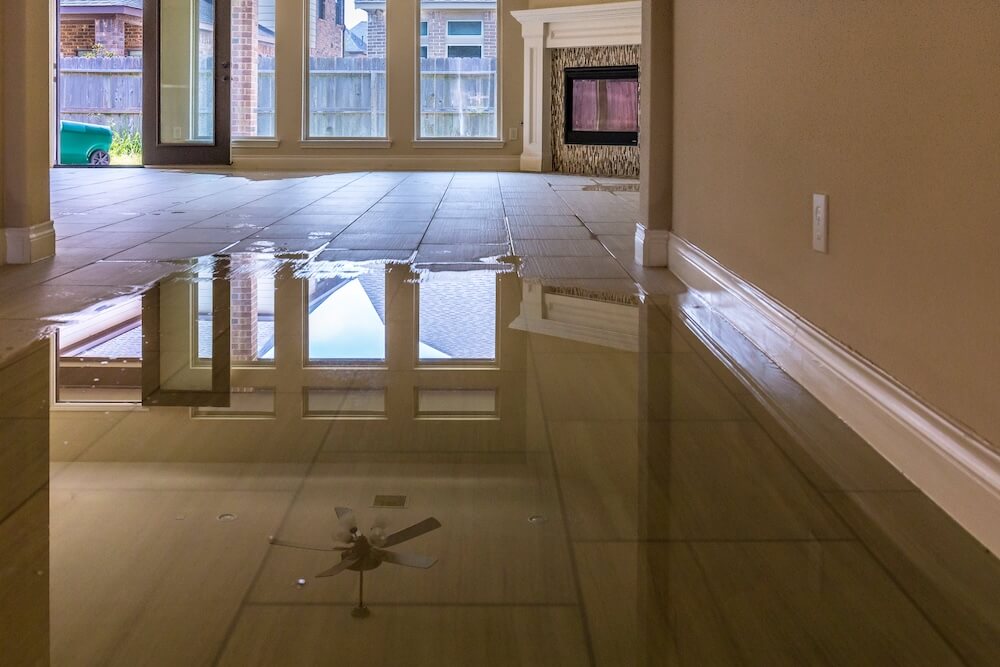
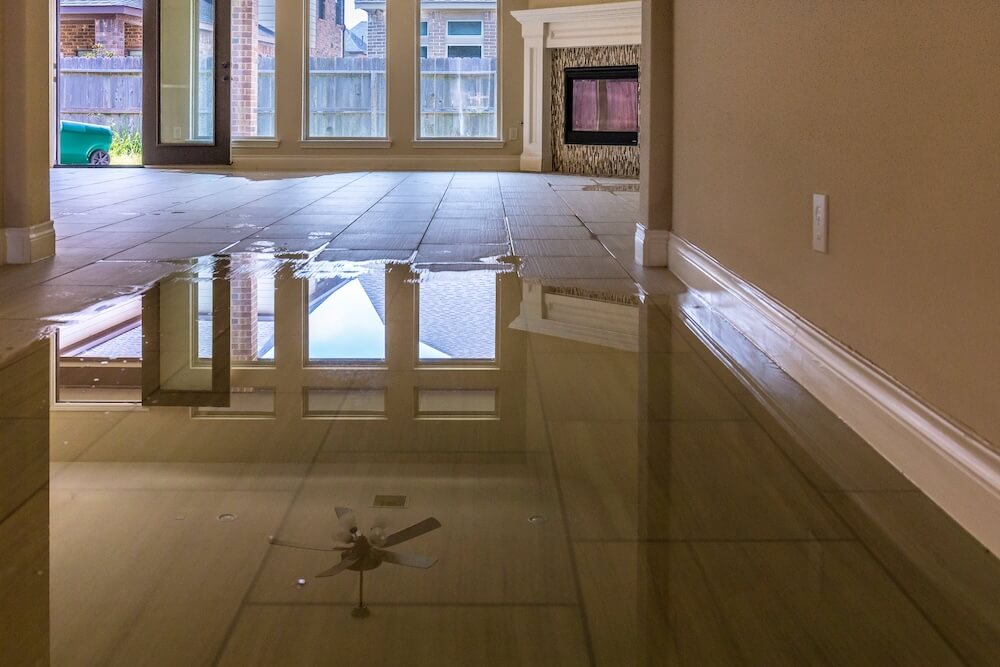
Water intrusion in your home can quickly lead to bigger problems if not handled promptly. The longer moisture lingers, the higher the risk of mold growth, structural damage, and costly repairs. Acting fast is crucial to prevent these issues and keep your living space safe and healthy. This article provides a practical, step-by-step approach to addressing water damage and stopping mold before it takes hold.
Whether you’re dealing with a burst pipe, appliance leak, or flooding, understanding the right process can make all the difference. Along the way, you’ll find tips for minimizing damage, guidance on when to call professionals, and advice on using prevention tools. For those interested in related home care topics, you might also find value in learning how to sanitize a cast iron press between cooking sessions.
Why Quick Action Prevents Mold Growth
Mold can begin to develop within 24 to 48 hours after water exposure. Once it takes root, it spreads rapidly and becomes much harder to remove. That’s why it’s essential to address moisture issues as soon as they arise. Not only does this protect your property, but it also helps maintain indoor air quality and prevent health concerns.
The process of fixing water damage before mold forms involves more than just drying surfaces. It requires identifying the source, removing excess water, thoroughly drying affected areas, and taking measures to prevent recurrence.
Step 1: Identify and Stop the Source of Water
Before you can begin cleanup, you need to find and stop the source of the water. This could be a leaking pipe, overflowing appliance, or a roof leak. Shut off the main water supply if necessary, and unplug any electrical devices in the affected area to avoid hazards.
- Check for visible leaks in plumbing, appliances, or ceilings.
- Turn off water valves or main supply if the leak is severe.
- Use towels or buckets to contain further spread.
Step 2: Remove Standing Water and Moisture
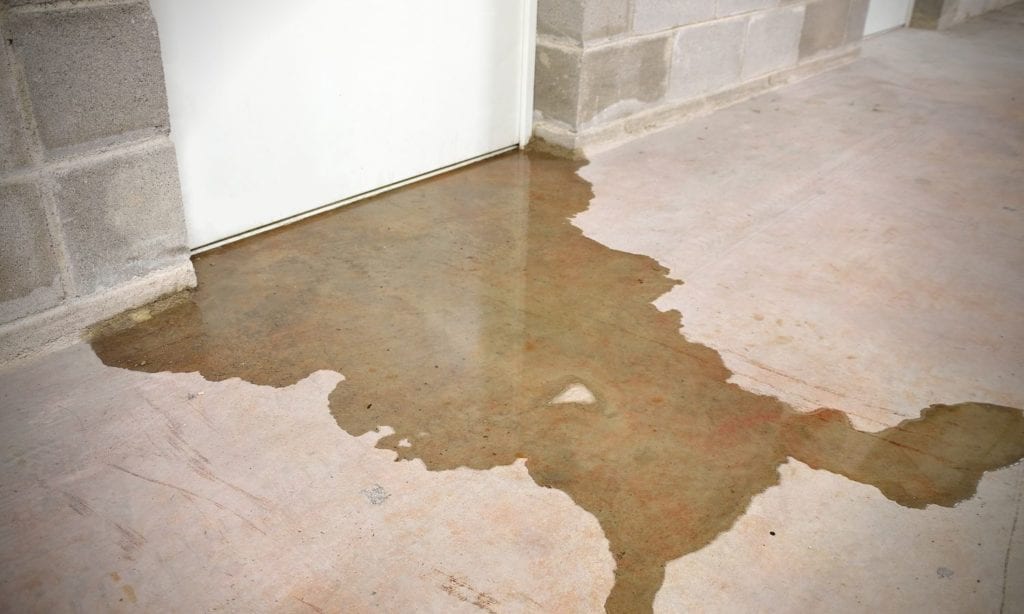
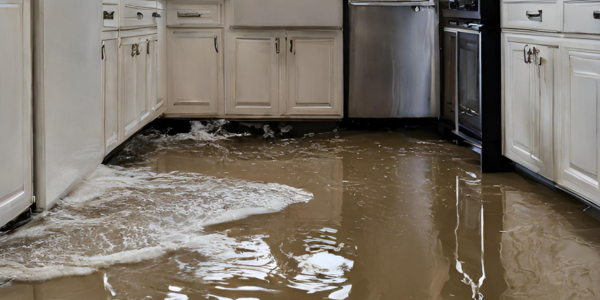
Once the source is under control, it’s time to get rid of any standing water. The faster you remove moisture, the less chance mold has to develop. Use a wet/dry vacuum, mops, or towels to soak up water. For larger floods, you may need to rent specialized equipment or call a water restoration service.
- Extract as much water as possible from floors, carpets, and furniture.
- Move wet items to a dry area to prevent further saturation.
- Open windows and doors to increase ventilation.
Step 3: Dry Out the Area Completely
Drying is the most critical step in preventing mold after water damage. Even if surfaces feel dry, hidden moisture can linger in walls, floors, and insulation. Use fans, dehumidifiers, and air conditioning to speed up the process.
- Position fans to circulate air throughout the affected space.
- Run dehumidifiers continuously for at least 24–48 hours.
- Remove baseboards or drill small holes in drywall to allow trapped moisture to escape, if necessary.
If you’re unsure about the extent of the damage or suspect water has seeped into structural elements, consult a professional restoration company.
Step 4: Clean and Disinfect Surfaces
After drying, it’s important to clean and disinfect all affected surfaces to prevent bacteria and mold spores from taking hold. Use a mixture of water and detergent for most surfaces, then follow up with a disinfectant approved for household use.
- Scrub hard surfaces like tile, wood, and plastic with soap and water.
- Launder fabrics, curtains, and removable upholstery in hot water.
- Dispose of items that cannot be thoroughly cleaned or dried, such as soaked insulation or carpet padding.
Step 5: Inspect for Hidden Moisture and Damage
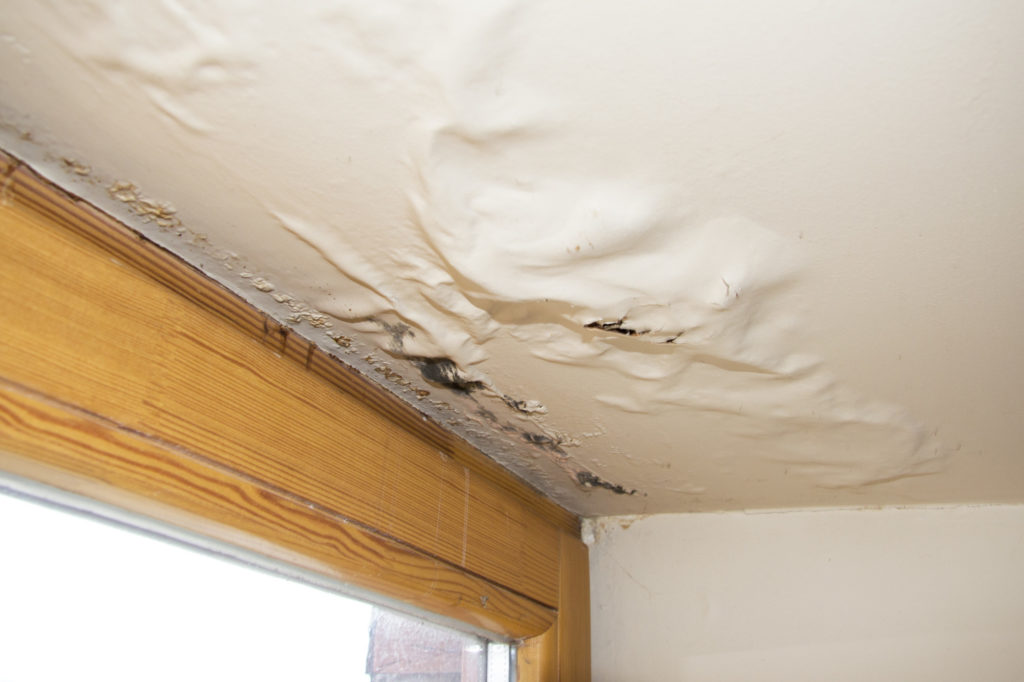
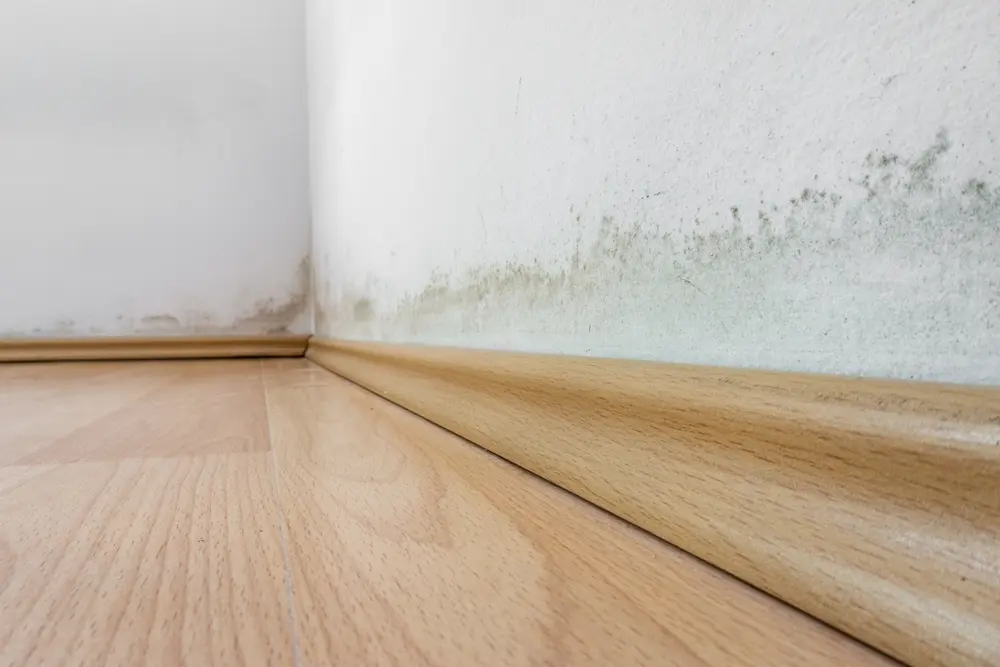
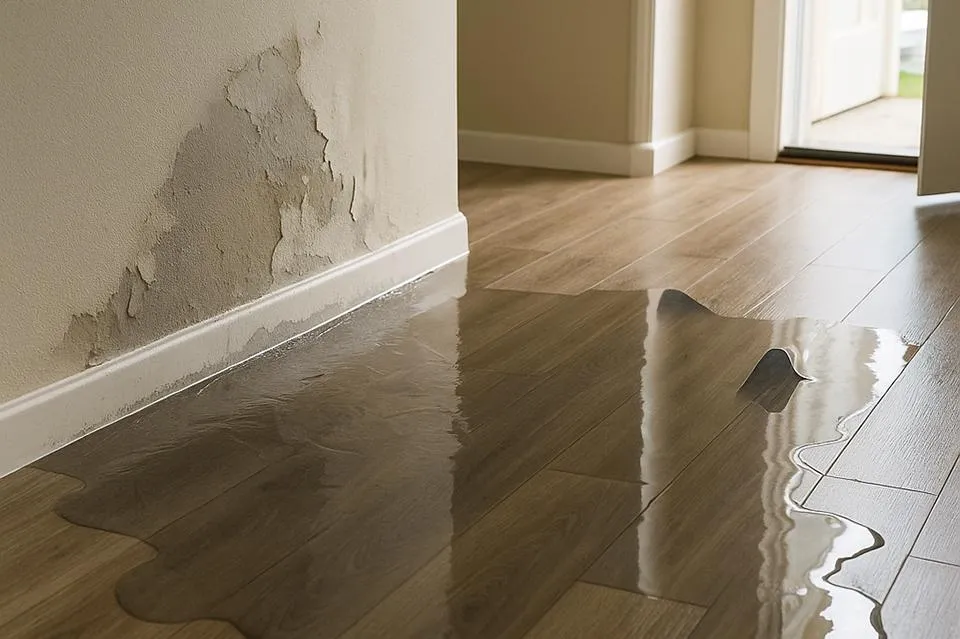
Even after visible water is gone, moisture can remain in places you can’t see. Use a moisture meter to check walls, floors, and ceilings. Look for signs of warping, discoloration, or a musty smell, which can indicate lingering dampness or early mold growth.
- Check behind cabinets, under flooring, and inside wall cavities.
- Monitor the area for several days to ensure no new signs of water or mold appear.
- Consider professional inspection if you suspect hidden damage.
Step 6: Prevent Future Water Problems
Prevention is key to avoiding repeat incidents. Regularly inspect plumbing, appliances, and roofing for leaks. Install leak detectors and automatic shutoff valves where possible. For more tips on safeguarding your property, review these tips to protect your home from water damage.
- Maintain gutters and downspouts to direct water away from your foundation.
- Seal cracks in walls and floors to block moisture entry.
- Upgrade old pipes and hoses to reduce risk of sudden leaks.
When to Call a Professional
While many minor incidents can be handled by homeowners, there are situations where professional help is necessary. If the affected area is larger than 10 square feet, if water has been present for more than 48 hours, or if you notice visible mold, contact a certified water damage restoration company. They have the expertise and equipment to handle extensive damage and ensure your home is safe.
Frequently Asked Questions
How soon does mold start growing after water damage?
Mold can begin to develop within 24 to 48 hours of water exposure. That’s why it’s critical to start cleanup and drying as quickly as possible to prevent spores from taking hold.
What should I do if I can’t find the source of the leak?
If you’re unable to locate where the water is coming from, turn off the main water supply to your home and contact a plumber or water damage specialist. Hidden leaks can cause significant damage if not addressed promptly.
Can I use bleach to clean up after water damage?
Bleach can disinfect hard, non-porous surfaces, but it’s not always effective on porous materials like wood or drywall. Use a household disinfectant and follow manufacturer instructions. For extensive contamination, professional cleaning may be required.
How can I tell if everything is completely dry?
Surfaces may feel dry to the touch, but hidden moisture can remain. Use a moisture meter to check for dampness in walls, floors, and ceilings. Continue using fans and dehumidifiers until readings confirm dryness.
Conclusion
Addressing water damage quickly is the best way to prevent mold and protect your property. By following the steps outlined in this guide—identifying the source, removing water, drying thoroughly, cleaning, and monitoring for hidden issues—you can minimize the risk of long-term problems. For ongoing protection, consider installing leak detection devices and performing regular home maintenance.
If you’re interested in other home care techniques, you might also want to learn how to store corn masa for pressing to keep your kitchen organized and efficient.