Homemade quesadillas start with the right tortilla—one that’s the perfect size, thickness, and shape for holding fillings and crisping up without breaking. If you’re looking to master how to press tortillas for quesadillas, understanding the pressing process, ideal dimensions, and a few helpful tips will make all the difference in your kitchen. This guide covers everything from choosing a press to shaping and pressing dough, so you can enjoy restaurant-quality results at home.
Before diving into the step-by-step process, it’s helpful to know that tortilla pressing isn’t just for savory snacks. If you’re interested in sweet variations, you might also enjoy learning how to press tortillas for gorditas de azucar, which uses similar techniques but with a sweeter dough.
Choosing the Right Press for Homemade Quesadillas
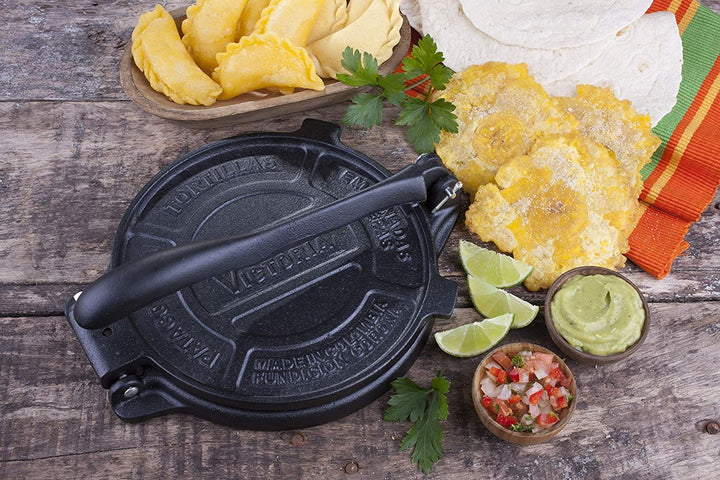
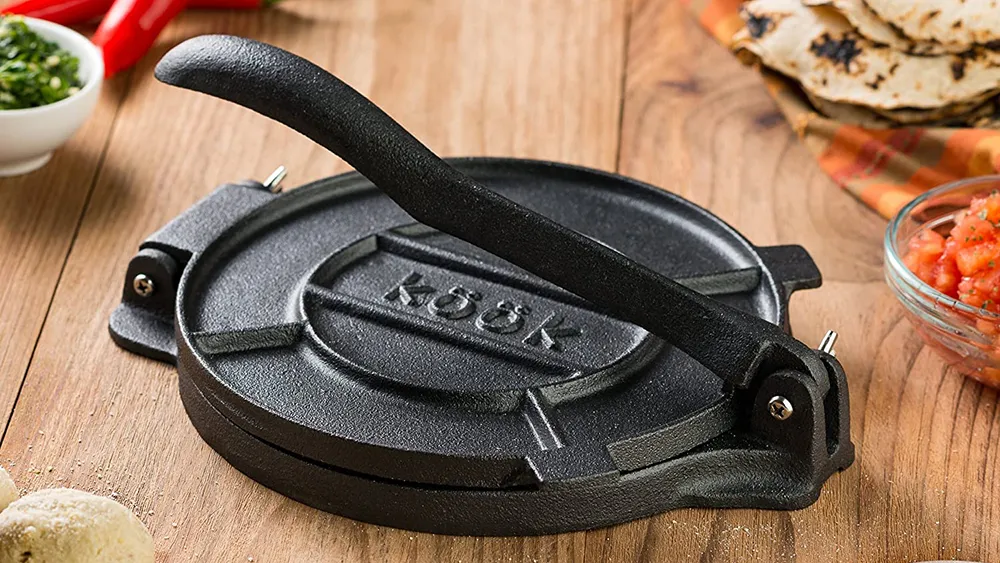
The first step in pressing tortillas for quesadillas is selecting a suitable press. While you can flatten dough with a rolling pin, a dedicated tortilla press ensures uniform thickness and roundness, which is essential for even cooking and easy folding.
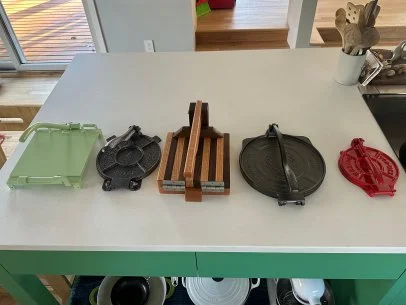
- Material: Cast iron presses are popular for their durability and weight, which helps flatten dough evenly. Aluminum and wooden presses are lighter but may require more effort.
- Size: For quesadillas, an 8-inch press is ideal. This size accommodates generous fillings and fits most pans. Smaller presses (6-inch) are better for tacos, while larger ones may be unwieldy for home use.
- Ease of Use: Look for a press with a comfortable handle and a smooth pressing surface. Non-stick surfaces or using parchment/plastic liners prevent sticking.
Maintaining your press, especially if it’s cast iron, is important for longevity. For detailed care tips, see these care instructions for cast iron presses.
Preparing the Dough: Masa or Flour for Quesadillas
Both corn and flour tortillas can be used for quesadillas. The dough you choose will affect the texture and flavor of the final dish.
- Corn Tortillas: Made from masa harina and water, these are gluten-free and have a distinct, earthy flavor. They tend to be a bit smaller and slightly thicker, which helps hold fillings.
- Flour Tortillas: Made with all-purpose flour, water, fat (like lard or oil), and salt. These are softer and more pliable, making them ideal for folding and larger quesadillas.
Resting the dough for at least 20-30 minutes before pressing allows the gluten (in flour dough) or the masa to hydrate, resulting in smoother, more elastic tortillas.
Step-by-Step: Pressing Tortillas for Quesadillas
Once your dough is ready and your press is set up, follow these steps for consistent, round tortillas perfect for quesadillas:
- Divide the Dough: For 8-inch tortillas, portion the dough into balls about the size of a golf ball (roughly 40–50g each).
- Prepare the Press: Line both sides of the press with parchment paper or plastic wrap. This prevents sticking and makes it easier to lift the tortilla off the press.
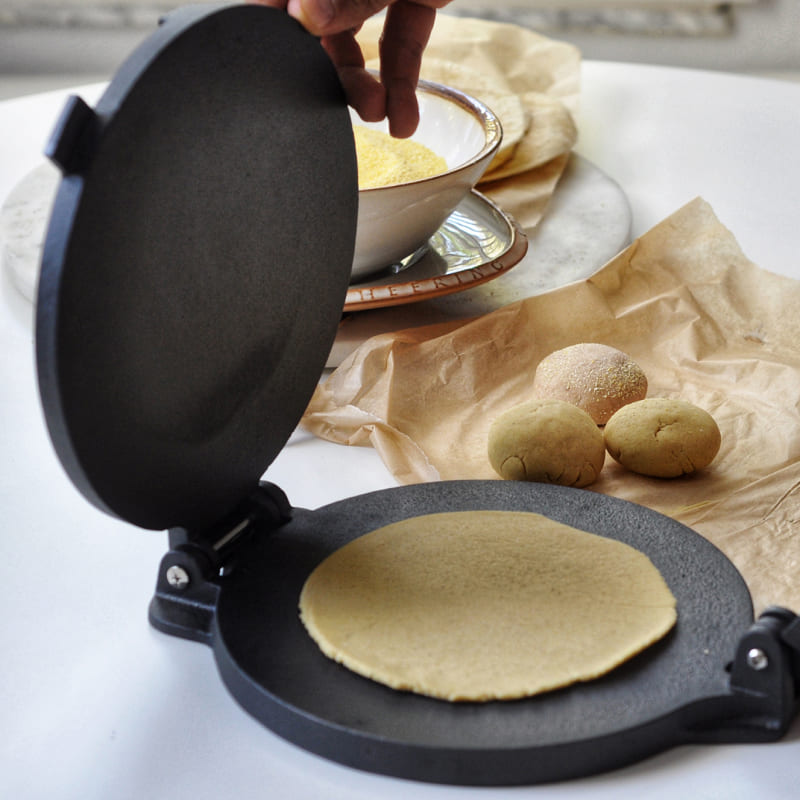
- Flatten the Dough: Place a dough ball in the center of the press. Gently lower the top and press down firmly. Open the press, rotate the tortilla 90 degrees, and press again for even thickness.
- Check Thickness: Aim for tortillas about 1/8 inch thick. Too thin and they may tear; too thick and they won’t cook evenly or fold well.
- Remove Carefully: Peel the tortilla off the liner gently to avoid tearing. If it sticks, dust the liner with a little flour or masa next time.
If you’re interested in using a tortilla press for other doughs, such as pastry or dumpling skins, you might find these guides useful: how to use a tortilla press for pastry dough and how to use a tortilla press for dumpling skins.
Size and Shape: What Works Best for Quesadillas?
For classic quesadillas, round tortillas are traditional and easiest to fold or stack. The ideal diameter is 8 inches, which fits most pans and provides enough surface area for fillings without being unwieldy.
- Round: Standard and easiest to press. Ensures even cooking and simple folding.
- Oval or Rectangular: Less common, but can be made by hand-shaping dough before pressing. Useful for specialty quesadillas or unique presentations.
Uniform thickness is key. If the edges are thinner than the center, fillings may leak out or the tortilla may tear when folded. Rotate the dough between presses for best results.
Cooking and Storing Pressed Tortillas
After pressing, tortillas should be cooked on a hot, dry skillet or comal for 30–60 seconds per side, until lightly browned and cooked through. Stack cooked tortillas in a clean towel to keep them warm and pliable until ready to assemble your quesadillas.
If you have extra, allow them to cool completely before storing in an airtight container. They’ll keep for a few days in the refrigerator or can be frozen for longer storage. Reheat on a skillet before using.
For tips on keeping your cast iron cookware in top shape after pressing and cooking, check out this guide on how to clean cast iron after every use.
Troubleshooting: Common Issues When Pressing Tortillas
- Tortillas Stick to the Press: Always use parchment or plastic liners. If sticking persists, lightly dust the liners with flour or masa.
- Uneven Thickness: Rotate the dough ball between presses and press firmly but evenly.
- Tortillas Tear When Lifting: Dough may be too dry. Add a teaspoon of water at a time and knead until smooth and elastic.
- Tortillas Too Small or Large: Adjust the size of your dough balls and press accordingly. For quesadillas, aim for 8-inch rounds.
Experimenting with different doughs and press techniques will help you find what works best for your kitchen and taste preferences. For more creative uses, such as making thin crusts for pizza, see this resource on using a tortilla press for thin crust pizza prep.
Frequently Asked Questions
What is the best thickness for tortillas used in quesadillas?
The ideal thickness is about 1/8 inch. This ensures the tortilla is sturdy enough to hold fillings but still flexible for folding or stacking. Pressing too thin can cause tearing, while too thick may result in uneven cooking.
Can I use a tortilla press for flour tortillas as well as corn?
Yes, a tortilla press works for both flour and corn doughs. Flour dough may spring back slightly, so press firmly and let the dough rest before pressing for best results.
How do I prevent tortillas from sticking to the press?
Always use parchment paper or plastic wrap liners on both sides of the press. If sticking continues, dust the liners with a bit of flour or masa harina before pressing each dough ball.