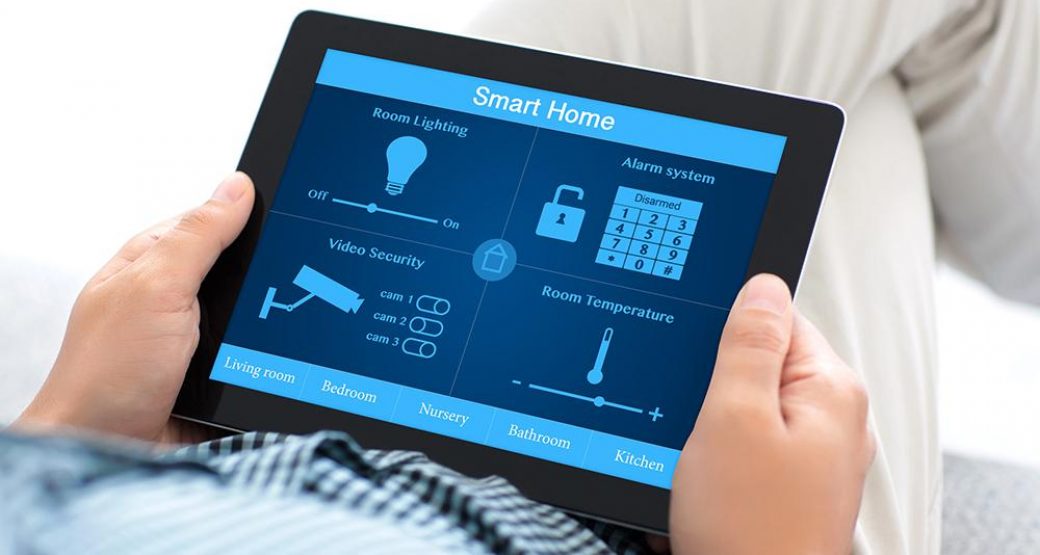
Protecting your home for the long haul requires more than just a lock on the door. Today’s homeowners face evolving risks, from break-ins to environmental hazards, making it essential to adopt a proactive and layered approach. By combining modern technology, practical habits, and regular maintenance, you can create a living space that remains safe and resilient for years to come.
This guide explores effective strategies for how to secure your home long term, focusing on both smart devices and preventive actions. Whether you’re a new homeowner or looking to upgrade your current setup, you’ll find actionable steps to strengthen your property’s defenses and enjoy greater peace of mind.
For those interested in the latest advancements, exploring next-generation home security systems can provide valuable insights into features that offer robust, future-proof protection.
Building a Foundation: Physical Barriers and Smart Locks
The first step in achieving lasting home safety is reinforcing entry points. Traditional locks and deadbolts are a baseline, but integrating smart locks adds a layer of convenience and control. These devices allow you to monitor and manage access remotely, set temporary codes for visitors, and receive alerts if someone attempts unauthorized entry.
- Upgrade exterior doors with solid cores and reinforced strike plates.
- Install smart locks on main entrances for keyless entry and remote management.
- Use window sensors and shatter-resistant glass in vulnerable areas.
Smart locks and sensors not only deter intruders but also make it easier to track who comes and goes, an important aspect of long-term home security.
Surveillance and Monitoring: Eyes on Your Property
Continuous monitoring is a cornerstone of any robust security plan. Modern surveillance cameras offer high-definition video, night vision, and cloud storage, making it possible to keep an eye on your property from anywhere. Placing cameras at key points—such as entrances, driveways, and backyards—acts as both a deterrent and a valuable source of evidence if an incident occurs.
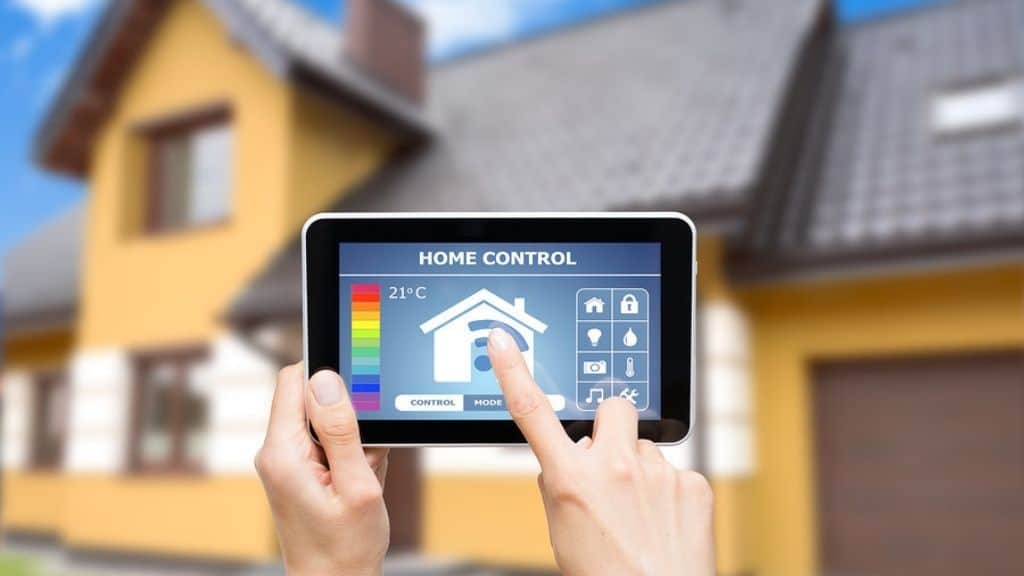
For comprehensive coverage, consider integrating your cameras with a central hub or app. This allows for real-time alerts and easy review of footage. Many systems also offer two-way audio, enabling you to communicate with visitors or warn off potential intruders remotely.
To further enhance your setup, pairing surveillance with future of home protection technology ensures you’re prepared for emerging threats and innovations.
Environmental Safety: Sensors and Preventive Maintenance
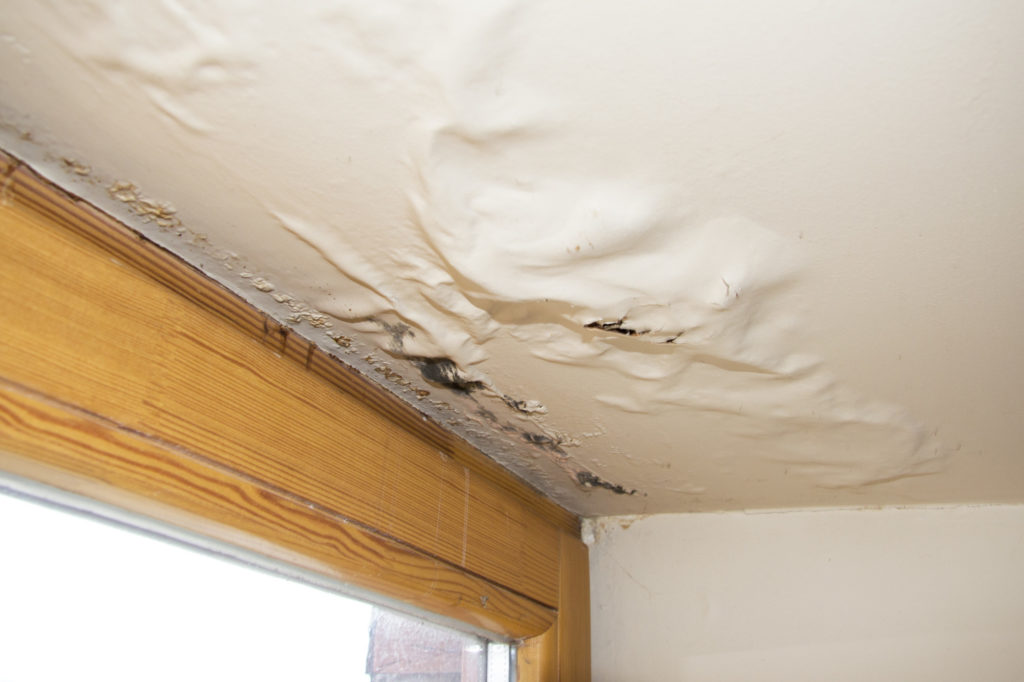
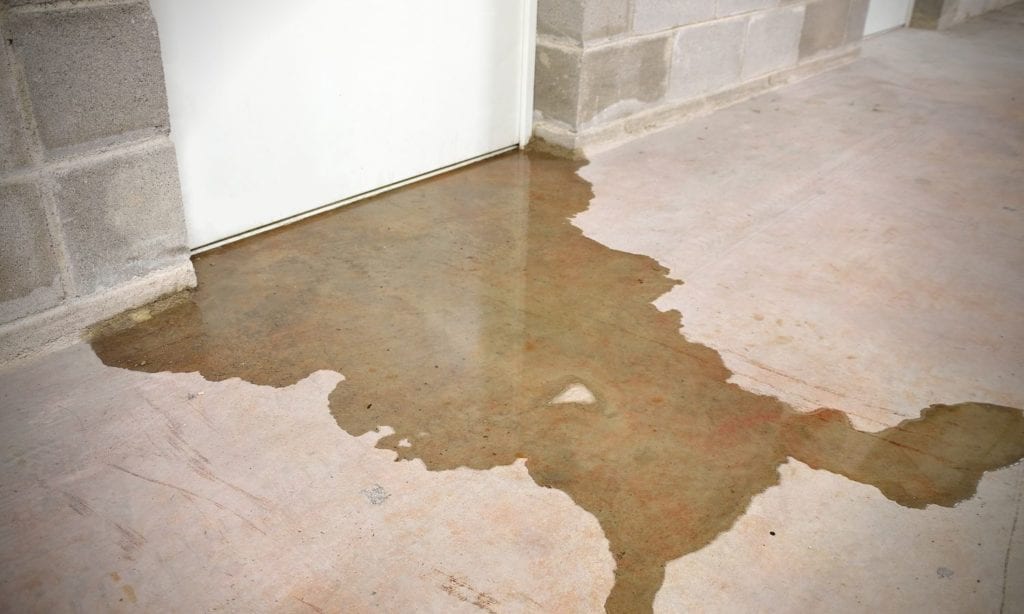
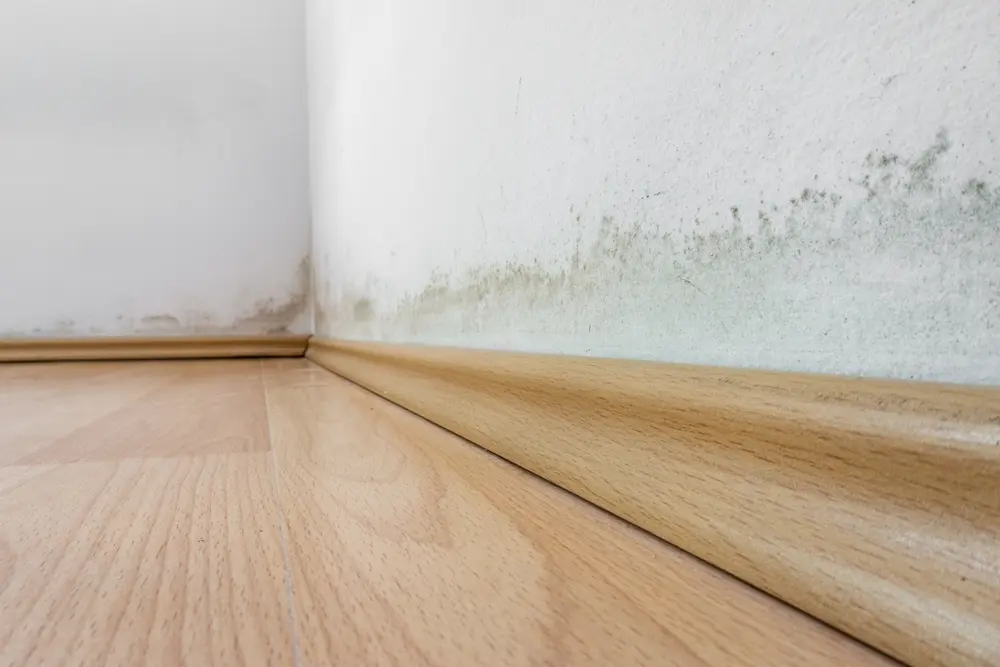
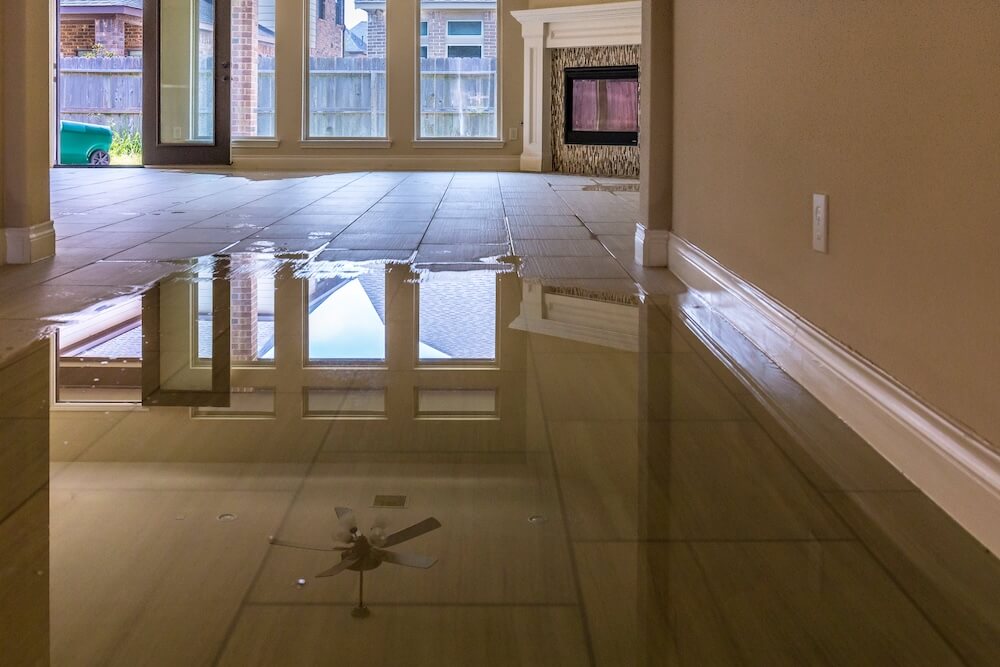
Securing your home isn’t just about preventing break-ins. Environmental hazards like fire, water leaks, and gas leaks can cause significant damage if undetected. Smart sensors can alert you to these dangers early, helping you take action before a small issue becomes a major problem.
- Install smoke and carbon monoxide detectors on every level of your home.
- Use water leak sensors near appliances, basements, and crawl spaces.
- Consider energy monitors to track electrical usage and identify potential hazards.
Regularly test all sensors and replace batteries as needed. Preventive maintenance—such as checking for roof leaks, cleaning gutters, and inspecting wiring—plays a crucial role in long-term home protection.
Smart Lighting and Automation: Deterrence Through Visibility
Well-lit exteriors make your home less appealing to intruders. Motion-activated lights and automated schedules can simulate occupancy, even when you’re away. Smart lighting systems allow you to control lights remotely, set routines, and integrate with other security devices for seamless operation.
- Place motion-sensor lights near entrances, pathways, and dark corners.
- Use timers or smart bulbs to create the appearance of activity inside the home.
- Integrate lighting with your security system for synchronized responses to alerts.
Automation not only improves security but also adds convenience, making it easier to manage your home environment efficiently.
Neighborhood Awareness and Community Initiatives
Individual efforts are important, but community vigilance amplifies your security. Get involved with neighborhood watch programs or online groups to share information about suspicious activity. Many communities use apps or social platforms to keep residents informed and connected.
Simple actions like introducing yourself to neighbors, exchanging contact information, and watching out for each other’s properties can deter crime and foster a safer environment for everyone.
For those concerned about specific threats like pests, resources on rodent detection for homes offer smart solutions to prevent infestations that can compromise your home’s integrity.
Routine Reviews: Keeping Your Security Plan Up to Date
Threats and vulnerabilities change over time, so it’s important to review your security measures regularly. Schedule annual or semi-annual checkups to assess your systems, update passwords, and address any new risks. Stay informed about the latest security trends and consider upgrades as technology evolves.
- Test alarms and sensors to ensure they’re functioning properly.
- Review access logs and update user permissions as needed.
- Replace outdated equipment with newer, more secure models.
Staying proactive helps you adapt to new challenges and maintain a high level of protection over the years.

Integrating Smart Systems for Complete Protection
Combining multiple layers of security—physical barriers, surveillance, sensors, and automation—creates a comprehensive defense. Many modern systems allow for integration, so you can manage everything from a single app or dashboard. This not only streamlines your daily routine but also ensures that all components work together for maximum effectiveness.
For a deeper dive into maintaining a healthy and secure environment, check out home hygiene protection systems to keep your living space both safe and germ-free.
If you’re new to these technologies, this comprehensive guide for first-time homeowners offers step-by-step advice on selecting and installing security solutions tailored to your needs.
Frequently Asked Questions
What are the most important steps for long-term home security?
The most effective approach combines strong physical barriers, smart locks, surveillance cameras, environmental sensors, and regular maintenance. Layering these elements helps address a wide range of risks and adapts to changing threats over time.
How often should I review and update my home security measures?
It’s recommended to review your security setup at least once a year. Check all devices, update software and passwords, and consider new technologies or upgrades to address emerging risks.
Are smart home security systems worth the investment?
Yes, smart systems offer enhanced control, real-time monitoring, and integration with other devices. They provide convenience and can often deter intruders more effectively than traditional systems alone, making them a valuable investment for long-term protection.
How can I protect my home from non-criminal threats?
Install smoke, carbon monoxide, and water leak detectors. Regularly maintain your home’s infrastructure, such as the roof, plumbing, and electrical systems, to prevent accidents and costly damage.
Conclusion
Securing your home for the future is an ongoing process that blends technology, vigilance, and smart habits. By investing in the right tools and staying proactive, you can create a safe, resilient environment for yourself and your loved ones. Remember to stay informed, review your systems regularly, and leverage community resources to keep your property protected for years to come.