Maintaining your property is not just about keeping things looking good or running smoothly—it’s also a critical factor in making sure your insurance coverage remains effective. Many policyholders are surprised to learn that neglecting routine upkeep can put their claims at risk or even result in denied coverage. Understanding the importance of maintenance for insurance validity can help you avoid costly mistakes and ensure your home or business is fully protected.
Insurance companies expect property owners to take reasonable steps to prevent damage. If you fail to address known issues or skip regular maintenance, you may find that your insurer won’t cover losses that could have been avoided. This guide explores why upkeep is essential, what insurers look for, and how you can safeguard both your property and your policy.
For those interested in related home care topics, you might also find value in our article on how to sanitize a cast iron press, which covers best practices for maintaining kitchen equipment.
How Regular Upkeep Affects Your Insurance Coverage
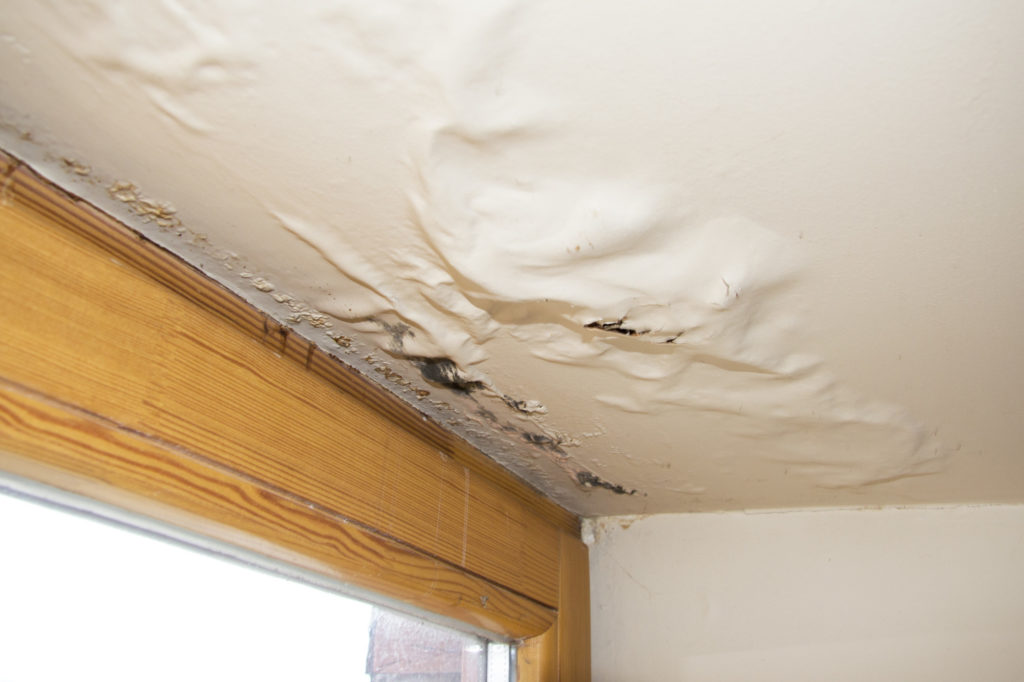
Routine maintenance plays a direct role in whether your insurance will pay out when you need it most. Insurers typically include clauses in their policies that require policyholders to keep their properties in good repair. If you ignore leaks, cracks, or other visible problems, your insurer may argue that the damage was preventable and refuse to cover the loss.
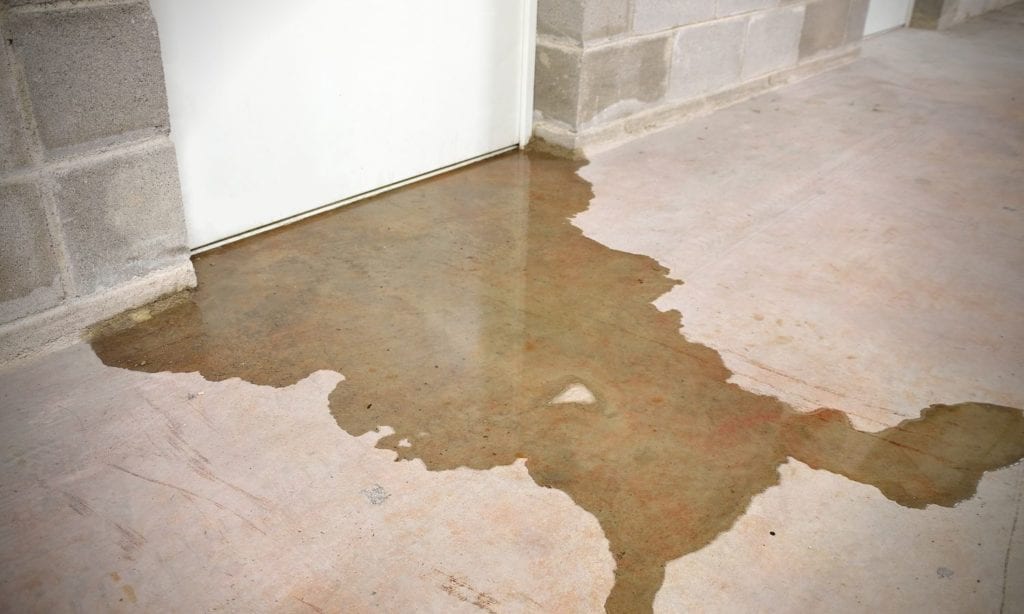
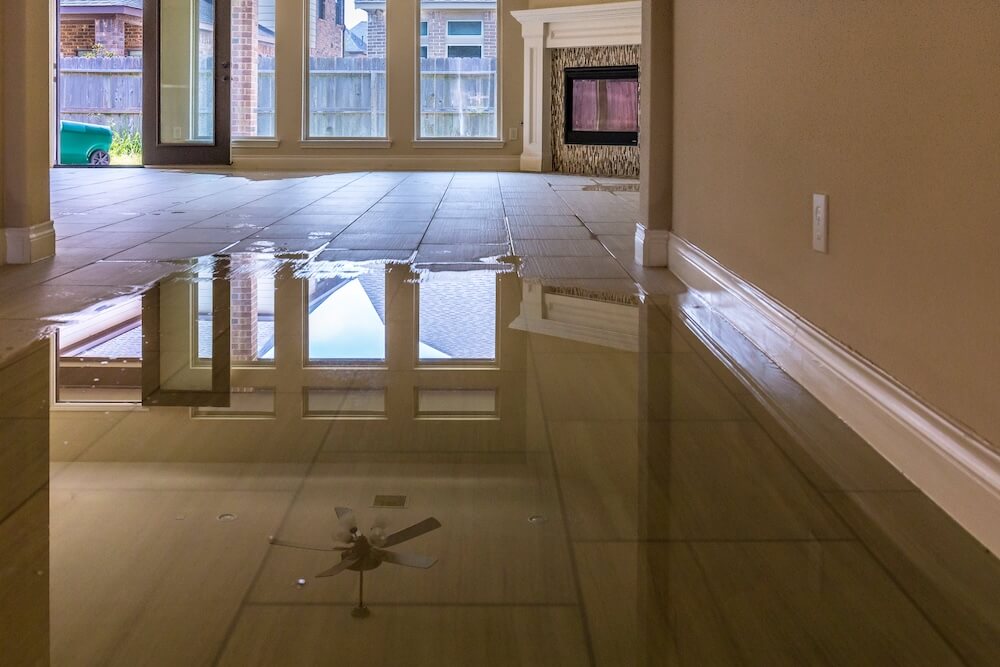
For example, water damage from a burst pipe is usually covered. However, if it’s found that the pipe had been leaking for months and you did nothing, the insurer could deny your claim. This is why the importance of maintenance for insurance validity cannot be overstated. Keeping up with repairs and inspections is not just good practice—it’s a requirement for most insurance policies.
Common Maintenance Issues That Impact Claims
Certain types of neglect are especially likely to cause problems with insurance claims. Here are some of the most common maintenance issues that can jeopardize your coverage:
- Roof leaks: Failing to repair missing shingles or flashing can lead to water damage that insurers may consider preventable.
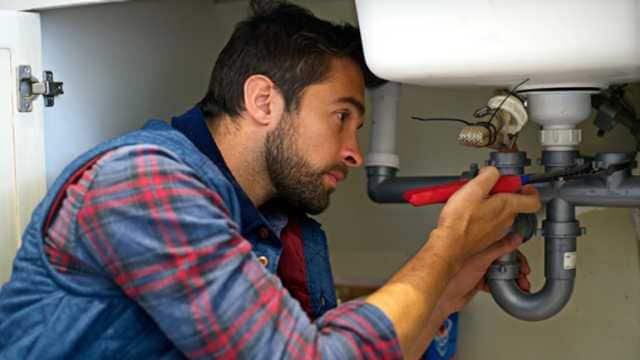
- Plumbing problems: Ignoring slow leaks, dripping faucets, or corroded pipes increases the risk of major water damage.
- Foundation cracks: Small cracks can grow over time, leading to structural issues that may not be covered if maintenance is ignored.
- Blocked gutters: Clogged gutters can cause water to overflow and damage walls or foundations, often excluded if not cleaned regularly.
- Faulty appliances: Old or poorly maintained appliances can cause fires or floods that insurers may not cover if neglect is proven.
Addressing these issues promptly is a key part of keeping your insurance valid and avoiding disputes during the claims process.
Why Insurers Deny Claims Due to Lack of Maintenance
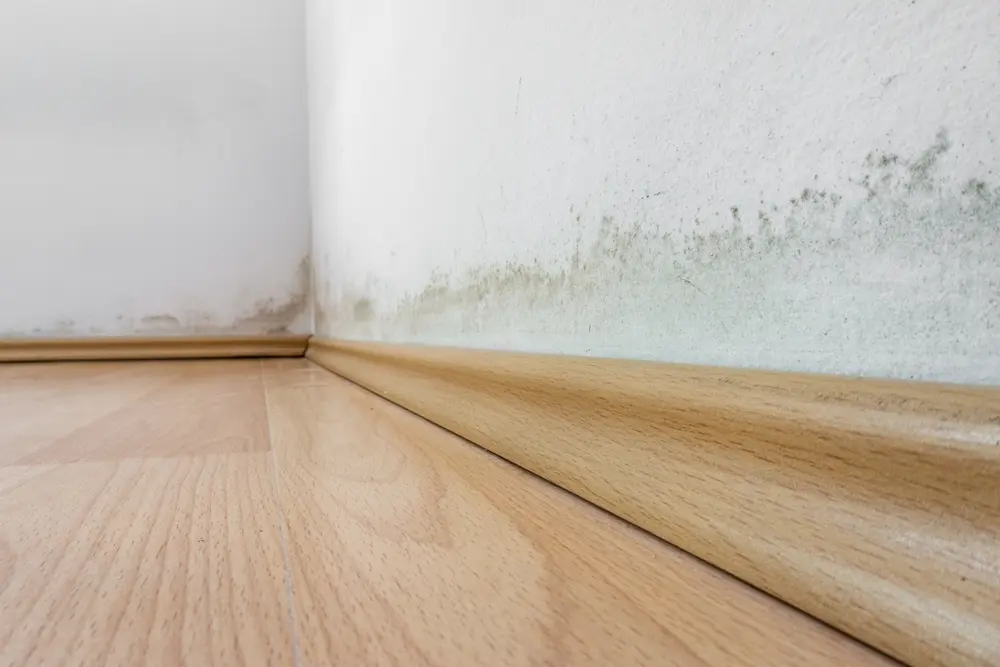
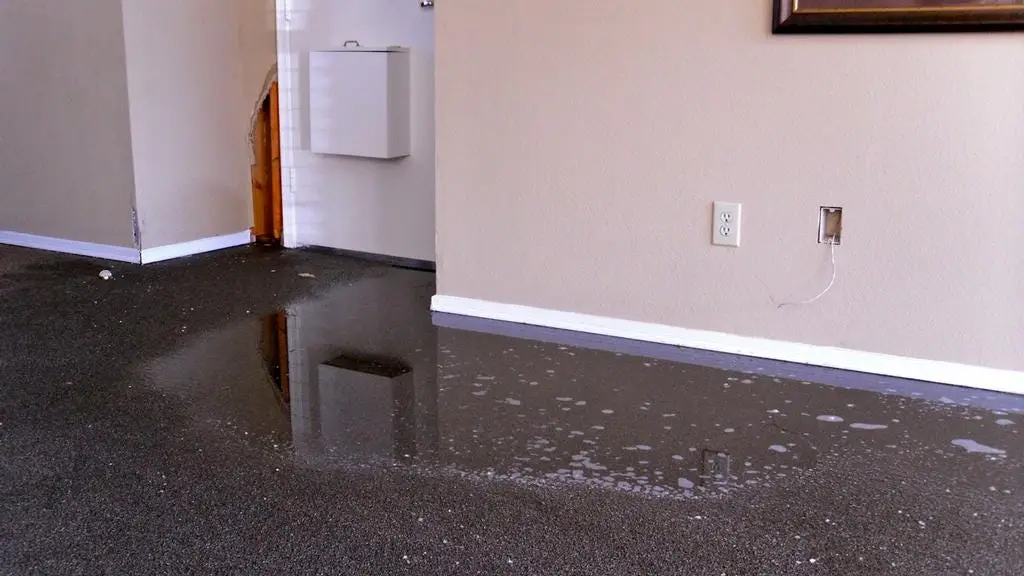
Insurance is designed to cover sudden and accidental damage, not problems that develop over time due to neglect. When reviewing a claim, adjusters often look for signs that an issue could have been prevented with basic care. If they find evidence of long-term neglect, such as mold from an unrepaired leak or rot from poor ventilation, they may deny the claim.
This is especially true for water-related incidents. According to expert advice on preventing water damage at home, regular inspections and prompt repairs are essential for both safety and insurance compliance. Insurers may also require proof of maintenance, such as receipts or inspection reports, to process your claim.
Best Practices for Maintaining Insurance Compliance
To ensure your insurance remains valid, it’s important to implement a proactive maintenance routine. Here are some practical steps to help you stay compliant:
- Schedule annual inspections for your roof, plumbing, and electrical systems.
- Keep gutters and downspouts clear of debris, especially before rainy seasons.
- Repair leaks, cracks, or other damage as soon as they are discovered.
- Document all repairs and maintenance activities with photos and receipts.
- Test smoke detectors, carbon monoxide alarms, and sump pumps regularly.
- Replace aging appliances and fixtures before they become hazards.
Following these steps not only helps prevent costly damage but also provides documentation that can be invaluable if you ever need to file a claim.
Documentation: Your Best Defense
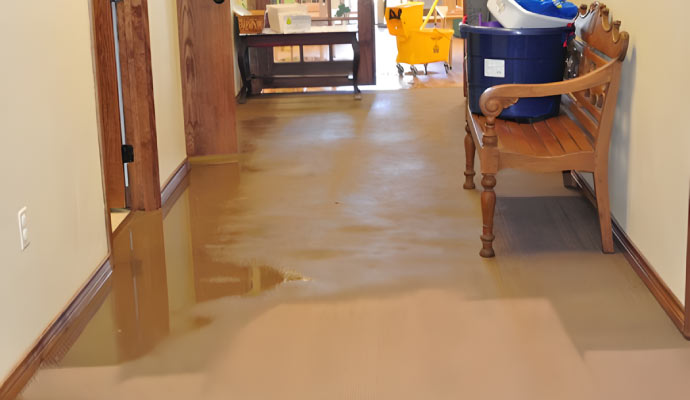
One of the most effective ways to protect your insurance coverage is to keep detailed records of all maintenance and repairs. Save invoices, receipts, inspection reports, and photographs of completed work. If you ever need to file a claim, this documentation can demonstrate that you have met your responsibilities as a property owner.
In some cases, insurers may request proof of recent maintenance before approving a claim. Being able to provide clear evidence can speed up the process and reduce the risk of denial.
Understanding Policy Exclusions and Requirements
Every insurance policy includes specific exclusions and requirements related to property upkeep. It’s important to read your policy documents carefully and ask your insurer about any unclear terms. Some policies may exclude coverage for certain types of damage if it results from poor maintenance or gradual deterioration.
If you’re unsure about your obligations, contact your insurance provider for clarification. Staying informed about your policy’s requirements is a key part of maintaining valid coverage.
Additional Resources for Homeowners
Staying proactive with maintenance can also help you avoid other common household issues. For example, learning about how to store corn masa for pressing can prevent spoilage and waste in the kitchen. While not directly related to insurance, these types of resources encourage a mindset of care and responsibility that benefits every aspect of homeownership.
FAQ
Can insurance companies deny claims for lack of maintenance?
Yes, insurers can deny claims if they determine that the damage was caused by neglect or failure to perform necessary upkeep. Most policies require property owners to maintain their homes or businesses in good condition.
What types of maintenance are most important for insurance purposes?
Key areas include the roof, plumbing, electrical systems, and appliances. Regular inspections and prompt repairs in these areas help prevent damage and ensure compliance with policy requirements.
How can I prove I’ve maintained my property?
Keep records such as receipts, invoices, inspection reports, and before-and-after photos of repairs. This documentation can be crucial if your insurer requests evidence during the claims process.
Does insurance cover gradual damage?
Most insurance policies exclude coverage for gradual damage that results from wear and tear or lack of maintenance. Only sudden and accidental events are typically covered.
Where can I learn more about preventing water damage?
For expert tips, visit this comprehensive guide to stopping water damage at home.
Understanding the importance of maintenance for insurance validity helps you protect your investment and avoid unexpected costs. By staying proactive with repairs and documentation, you can ensure your insurance works for you when you need it most.