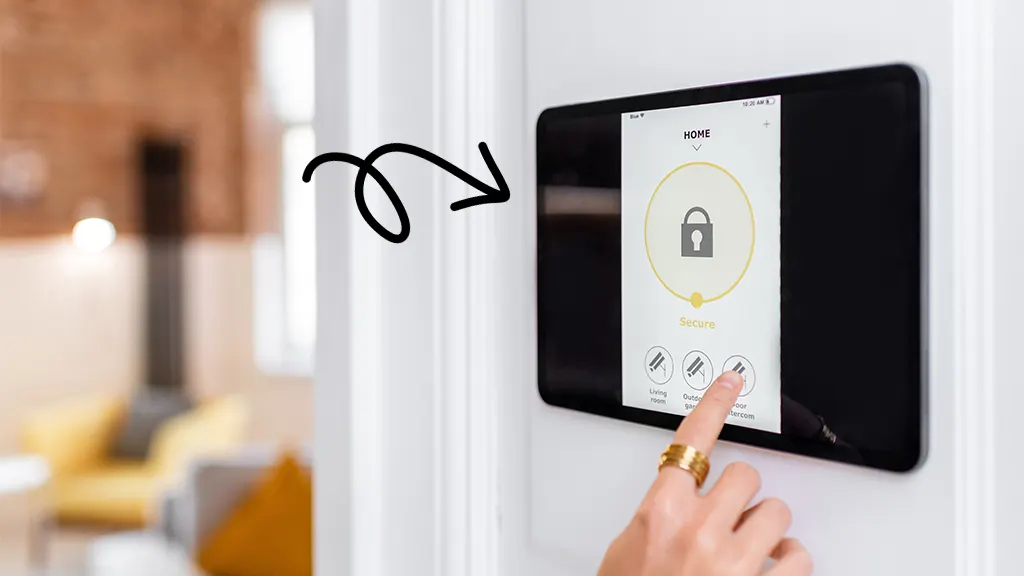

Advances in artificial intelligence are transforming the way we secure our homes. Machine learning in home protection is no longer a futuristic concept—it’s a practical reality that is reshaping the security landscape. By analyzing patterns, learning from data, and adapting to new threats, AI-driven systems are making homes safer and smarter than ever before.
From intelligent cameras to proactive monitoring, these technologies offer more than just alarms—they provide real-time threat detection, predictive alerts, and continuous adaptation to evolving risks. As homeowners seek more reliable and efficient security, understanding how machine learning powers these solutions is essential.
For those interested in the latest innovations, exploring next-generation home security systems can provide deeper insights into how AI and machine learning are being integrated into modern protection strategies.
Understanding AI and Machine Learning in Home Security
At its core, machine learning in home protection involves training algorithms to recognize patterns associated with normal and abnormal activity. Unlike traditional systems that rely on fixed rules, AI-powered solutions learn from data collected by sensors, cameras, and other devices. Over time, these systems become more accurate at distinguishing between harmless events—like a family member arriving home—and genuine threats, such as unauthorized entry.
Key components of AI-driven home security include:
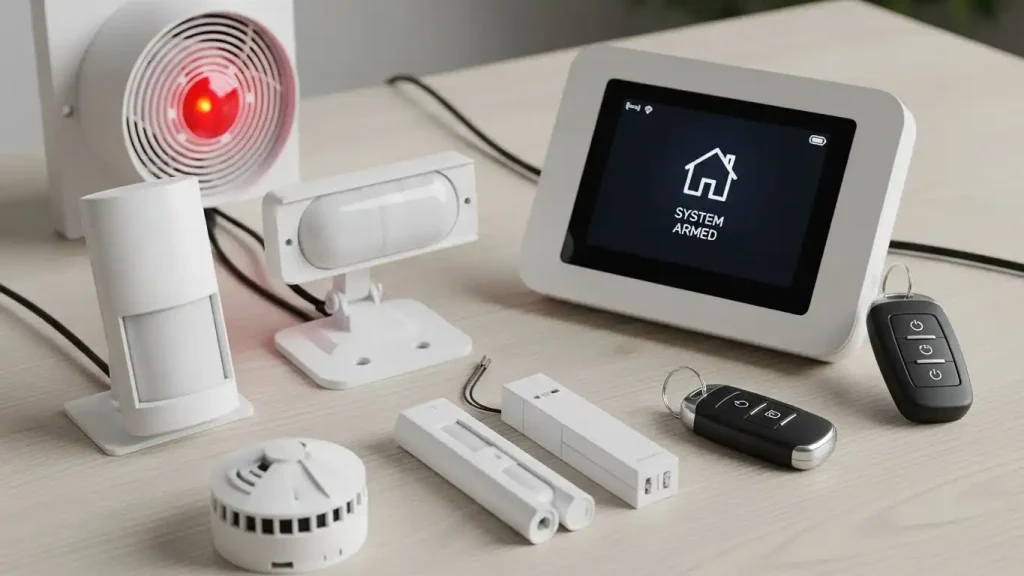
- Data Collection: Gathering information from cameras, motion sensors, door/window contacts, and smart devices.
- Pattern Recognition: Identifying typical behaviors and flagging anomalies.
- Continuous Learning: Updating models as new data is received, improving accuracy and reducing false alarms.
- Automated Response: Triggering alerts, activating deterrents, or notifying authorities when a threat is detected.
How AI Predicts and Prevents Threats
AI-powered systems excel at analyzing large volumes of data in real time. By leveraging machine learning models, these solutions can:
- Detect unusual movements or sounds that might indicate a break-in.
- Recognize familiar faces and distinguish them from strangers using facial recognition.
- Monitor environmental changes, such as sudden temperature shifts or smoke, to identify fire or gas leaks.
- Predict potential vulnerabilities by analyzing usage patterns and identifying weak points in security routines.
For example, if a camera notices movement at an unusual hour, the system can compare this event to past data. If the activity is out of the ordinary, it may send an alert or activate additional cameras for closer monitoring. This proactive approach helps prevent incidents before they escalate.
Key Benefits of AI-Driven Home Protection
Integrating machine learning into home security systems offers several advantages:
- Reduced False Alarms: By learning what constitutes normal activity, AI can filter out harmless events, minimizing unnecessary alerts.
- Faster Response: Automated threat detection enables immediate action, whether it’s sending a notification or activating deterrents.
- Personalization: Systems adapt to the unique routines and preferences of each household, providing tailored protection.
- Scalability: As more devices are added, AI can handle increased data without sacrificing performance.
- Cost Efficiency: Fewer false alarms and more accurate detection can lower monitoring costs and insurance premiums.
These benefits make AI-powered solutions attractive for homeowners seeking both convenience and peace of mind.
Real-World Applications and Examples
Several products and platforms now leverage machine learning in home protection to deliver advanced features:
- Smart Cameras: Devices equipped with AI can differentiate between people, animals, and vehicles, reducing unnecessary notifications.
- Facial Recognition: Some systems use deep learning to identify family members and trusted visitors, only alerting when unknown faces are detected.
- Environmental Monitoring: AI analyzes data from sensors to detect hazards like smoke, carbon monoxide, or water leaks.
- Energy Monitoring: Smart energy monitors use machine learning to identify unusual consumption patterns that might signal a malfunction or security risk. For more on this, see energy system protection at home.
Companies are also developing proactive video monitoring solutions that combine AI with human oversight. For instance, proactive video monitoring for home security uses advanced analytics to spot suspicious activity and alert security personnel in real time.

Challenges and Considerations
While the adoption of AI in home security brings many benefits, there are important factors to consider:
- Privacy: Collecting and analyzing personal data raises concerns about how information is stored and used. Homeowners should review privacy policies and choose systems with robust data protection.
- Integration: Ensuring compatibility between AI-driven devices and existing home automation platforms can be complex.
- Cost: Advanced features may come at a premium, so it’s important to balance investment with the desired level of protection.
- False Positives: Although AI reduces false alarms, no system is perfect. Regular updates and user feedback help improve accuracy over time.
Staying informed about the future of home protection technology can help homeowners make smart decisions as new solutions emerge.
Integrating AI with Other Smart Home Technologies
Machine learning doesn’t operate in isolation. When combined with other smart home devices, such as lighting, thermostats, and voice assistants, AI-powered security systems can create a seamless and responsive environment. For instance, if a potential threat is detected, the system might automatically turn on lights, lock doors, or play a warning message through smart speakers.
Some systems also integrate with environmental safety devices. For example, AI can enhance carbon monoxide monitoring systems by learning typical air quality patterns and alerting homeowners to subtle changes before they become dangerous.
Additionally, smart pest detection is gaining traction. Solutions like rodent detection for homes use sensors and AI to identify signs of infestation early, preventing costly damage and health risks.
FAQ: Machine Learning and Home Security
How does AI reduce false alarms in home security?
AI-powered systems use pattern recognition to understand typical household activity. By learning what is normal, they can filter out routine events—such as pets moving or family members arriving—reducing unnecessary alerts and focusing on genuine threats.
Is my data safe with AI-driven home protection systems?
Most reputable providers implement strong encryption and data protection measures. However, it’s important to review privacy policies and ensure that your chosen system follows best practices for data security and user privacy.
Can AI-powered security systems work with existing smart home devices?
Many modern solutions are designed for compatibility with popular smart home platforms. Integration allows for coordinated responses—such as turning on lights or locking doors—when a potential threat is detected, enhancing overall protection.
Looking Ahead: The Evolution of Home Security
The integration of machine learning in home protection is just the beginning. As AI continues to advance, homeowners can expect even more sophisticated features, such as predictive analytics, voice-activated controls, and seamless integration with other smart devices. Staying informed about these trends ensures that your home remains secure in an ever-changing world.