Keeping your home safe has never been more important, and thanks to recent advances in modern home protection technology, homeowners now have access to a wide range of innovative solutions. From smart alarms and wireless sensors to AI-powered cameras and energy monitoring, today’s security upgrades are designed to offer both peace of mind and practical convenience. Whether you’re looking to deter intruders, monitor your property remotely, or simply automate your safety routines, understanding the latest options can help you make informed decisions about protecting your living space.
As the landscape of residential security evolves, it’s helpful to explore not only the best devices but also how these systems integrate with your daily life. For those interested in a deeper dive into the latest advancements, you might also want to read about next-generation home security systems and how they are shaping the future of home safety.
Why Upgrade to Smart Security Solutions?
Traditional locks and alarms are no longer enough to address the complex challenges of home safety. Modern home protection technology brings together automation, connectivity, and real-time monitoring, allowing you to stay informed and in control wherever you are. These upgrades not only help prevent break-ins but also provide alerts for fire, water leaks, and other hazards, making them a comprehensive approach to residential security.
Upgrading to smart systems can also increase property value and reduce insurance premiums, as many providers now recognize the added protection these devices offer. The convenience of managing everything from your smartphone or voice assistant further enhances the user experience, making it easier than ever to keep your home secure.
Key Features of Advanced Home Security Devices
When evaluating the latest safety upgrades, it’s important to consider the core features that set them apart from older systems. Here are some of the most impactful elements found in today’s top solutions:
- Wireless Connectivity: Modern systems often rely on Wi-Fi or cellular networks, eliminating the need for complex wiring and enabling easy installation.
- Remote Access: Control and monitor your devices from anywhere using dedicated mobile apps or web dashboards.
- Real-Time Alerts: Instant notifications for motion, door/window openings, smoke, or water leaks keep you informed of any unusual activity.
- Integration with Smart Home Platforms: Many products work seamlessly with Alexa, Google Assistant, or Apple HomeKit, allowing for voice control and automation routines.
- AI-Powered Detection: Advanced cameras and sensors can distinguish between people, pets, and vehicles, reducing false alarms.
- Energy and Environmental Monitoring: Some systems now include sensors for temperature, humidity, and energy usage, helping you maintain a safer and more efficient home.
Top Upgrades in Home Protection Technology
With so many options available, it can be challenging to know where to start. Below are some of the most effective upgrades for boosting your home’s safety and convenience:
1. Smart Alarm Systems
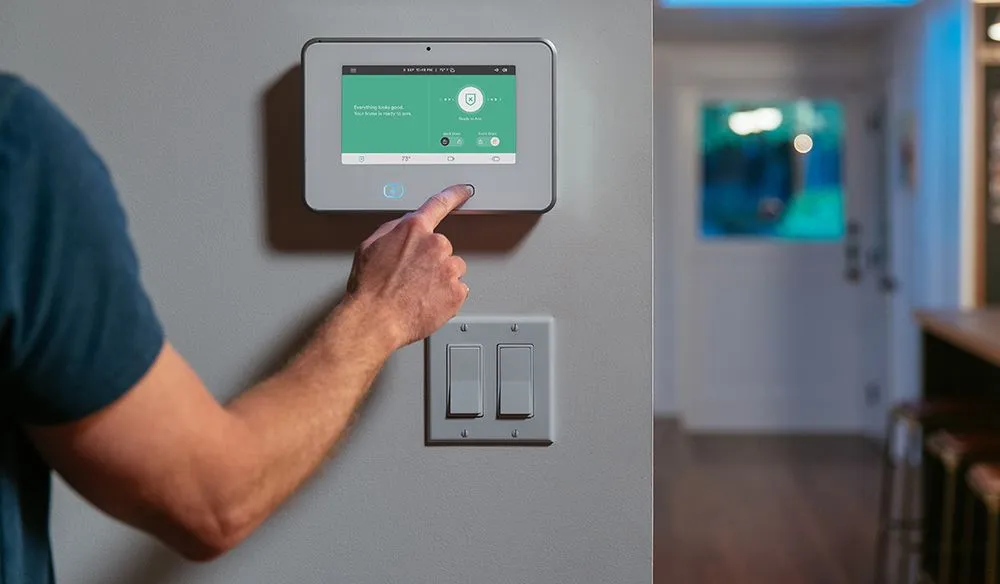
Modern alarm systems go far beyond simple sirens. They often include wireless sensors for doors, windows, and motion, as well as integration with smoke and carbon monoxide detectors. Many leading brands offer professional monitoring services, ensuring authorities are notified in the event of an emergency. The ability to arm or disarm your system remotely adds another layer of convenience and control.
2. Video Doorbells and Security Cameras
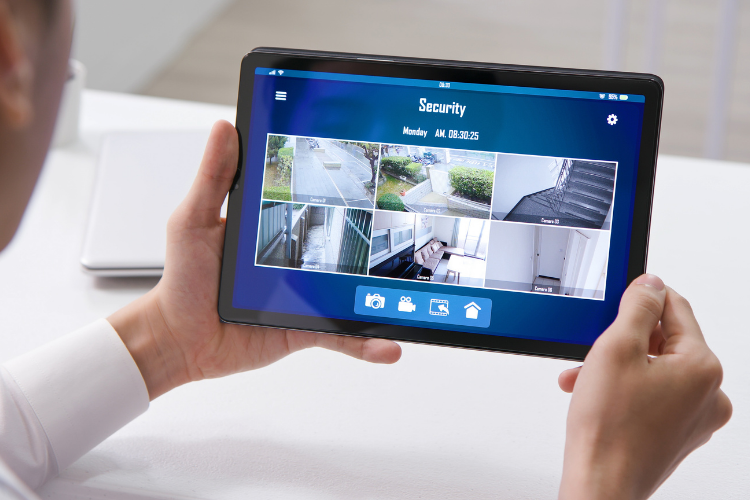
High-definition video doorbells and cameras provide real-time views of your entryways and property. Features like two-way audio, night vision, and AI-based motion detection help you identify visitors or potential threats. Cloud storage and mobile notifications mean you can check in at any time, whether you’re at work or on vacation.
3. Smart Locks and Access Control
Replacing traditional locks with smart alternatives allows you to grant or revoke access from your phone, set temporary codes for guests, and receive alerts when doors are opened. Some models even integrate with other smart devices for automated routines, such as locking all doors when you leave the house.
4. Environmental and Energy Monitoring
Beyond security, modern systems can monitor for water leaks, temperature changes, and unusual energy consumption. Devices like the Emporia Energy Monitor help you track usage patterns and identify potential hazards, such as overloaded circuits or failing appliances. This not only protects your property but can also lead to significant savings on utility bills.
Integrating Smart Protection with Your Lifestyle
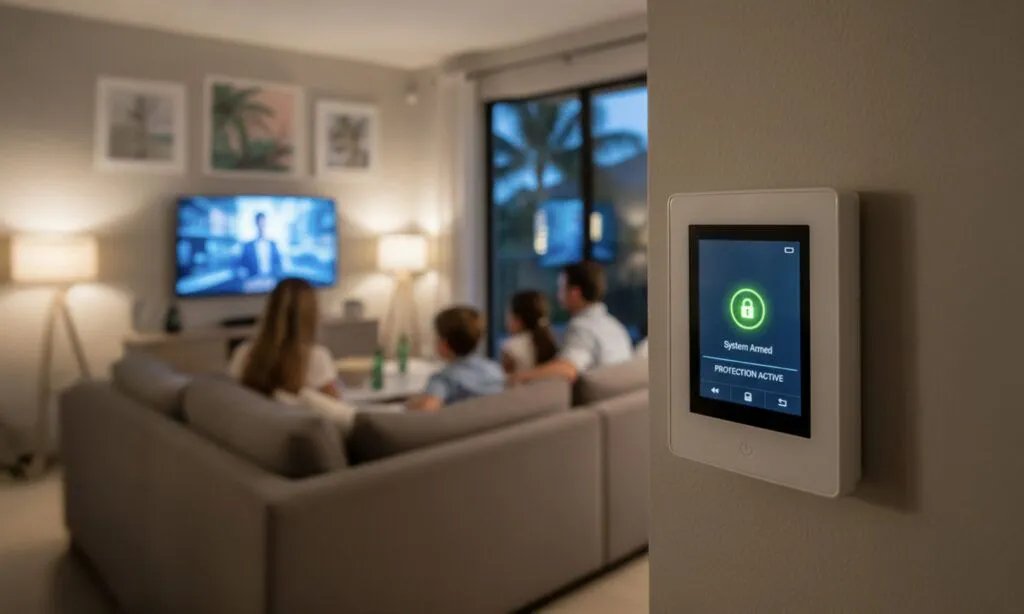
One of the key benefits of today’s modern home protection technology is its ability to fit seamlessly into your daily routines. Many systems offer customizable alerts and schedules, so you can choose when and how you receive notifications. For example, you might set your system to automatically arm at night or send you a text if a window is left open while you’re away.
Integration with other smart home devices—such as lighting, thermostats, and voice assistants—can further enhance security and convenience. For instance, you can program your lights to turn on when motion is detected outside, or have your security cameras start recording when the alarm is triggered. This holistic approach not only deters intruders but also helps you manage your home more efficiently.
If you’re interested in learning about upcoming trends, check out this resource on the future of home protection technology for a look at what’s next in the industry.
Choosing the Right System for Your Needs
With so many options available, it’s important to assess your unique requirements before investing in new technology. Consider the following factors:
- Property Size and Layout: Larger homes may require more sensors and cameras, while apartments might benefit from compact, all-in-one solutions.
- Budget: Prices can vary widely, so prioritize features that matter most to you, such as professional monitoring or advanced AI detection.
- Ease of Installation: Many modern systems are designed for DIY setup, but some may require professional installation for optimal performance.
- Compatibility: Ensure that your chosen devices work with your existing smart home ecosystem and can be expanded as your needs change.
For a comprehensive overview of planning and implementing a smart security setup, you may find this complete guide to smart home security especially helpful.
Additional Considerations for Complete Home Safety
While digital upgrades are essential, don’t overlook other aspects of home protection. For example, maintaining good hygiene and monitoring for pests can also play a role in keeping your living space safe. Explore solutions like home hygiene protection systems or rodent detection for homes to address these concerns. For those with crawl spaces, crawl space monitoring solutions can help prevent moisture and structural issues before they become serious problems.
Frequently Asked Questions
What are the main benefits of upgrading to modern home protection technology?
Upgrading to smart security solutions offers real-time monitoring, remote access, and integration with other smart home devices. These systems provide greater convenience, improved safety, and can even lower insurance costs. They also allow for more proactive responses to threats and hazards.
Can I install these security upgrades myself, or do I need a professional?
Many of today’s systems are designed for easy DIY installation, with wireless sensors and straightforward setup processes. However, for more complex configurations or if you want professional monitoring, hiring an expert can ensure everything is optimized for your property.
How do I choose the best smart security system for my home?
Start by assessing your property’s size, layout, and specific security needs. Consider your budget, desired features, and compatibility with existing smart home devices. Reading reviews and consulting guides can also help you make an informed choice.
Are smart security devices vulnerable to hacking?
While any connected device carries some risk, reputable brands use encryption and regular software updates to minimize vulnerabilities. Always use strong, unique passwords and keep your devices updated to enhance security.
What other technologies can complement my home security system?
In addition to alarms and cameras, consider environmental sensors for water leaks, smoke, and carbon monoxide. Energy monitors and smart locks further enhance safety and efficiency, while pest detection and hygiene systems contribute to a healthier home environment.