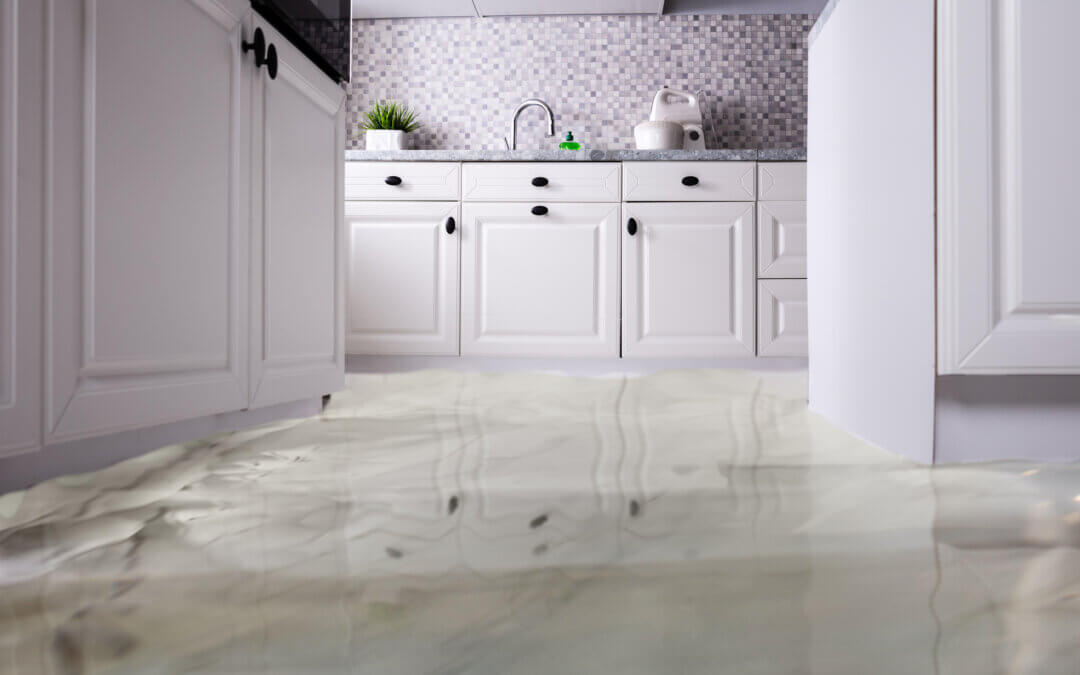
Proper outdoor drainage system maintenance is essential for protecting your property from water damage, soil erosion, and costly repairs. Whether you have a simple gutter setup or a more complex network of French drains and catch basins, keeping these systems in good working order helps prevent flooding and foundation issues. This article provides practical advice and actionable steps to keep your outdoor drainage working efficiently all year round.
Neglecting regular upkeep can lead to clogs, backups, and even structural problems. By following a consistent maintenance routine, you can avoid many common headaches associated with poor drainage. If you’re interested in related home care topics, you may also want to explore how to use a tortilla press for fry bread for kitchen tips that keep your home running smoothly.
Why Regular Drainage Upkeep Matters
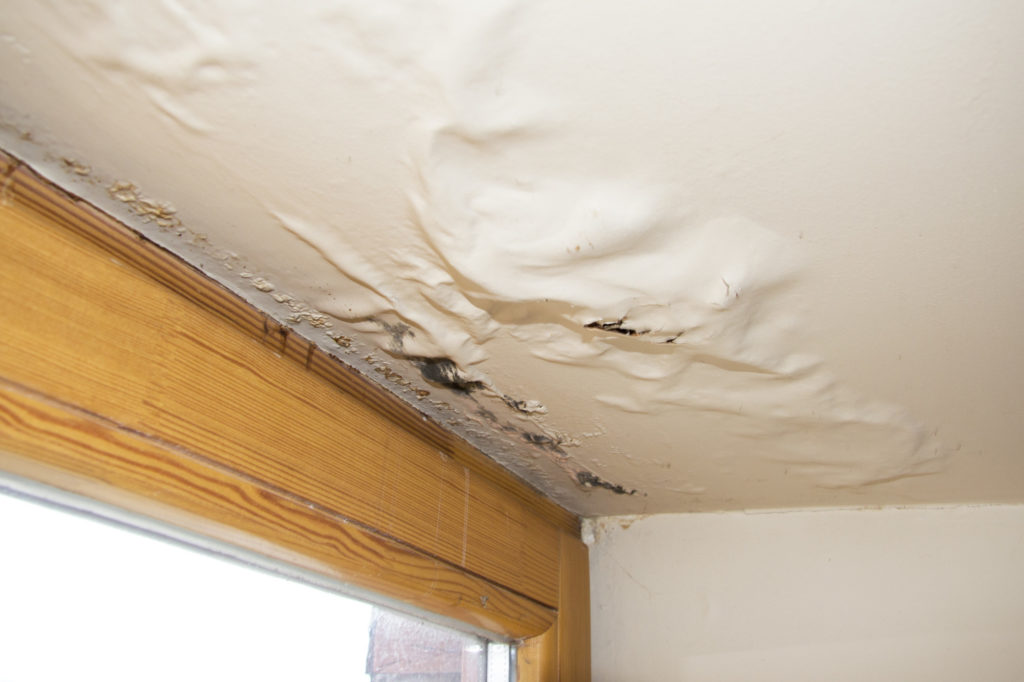
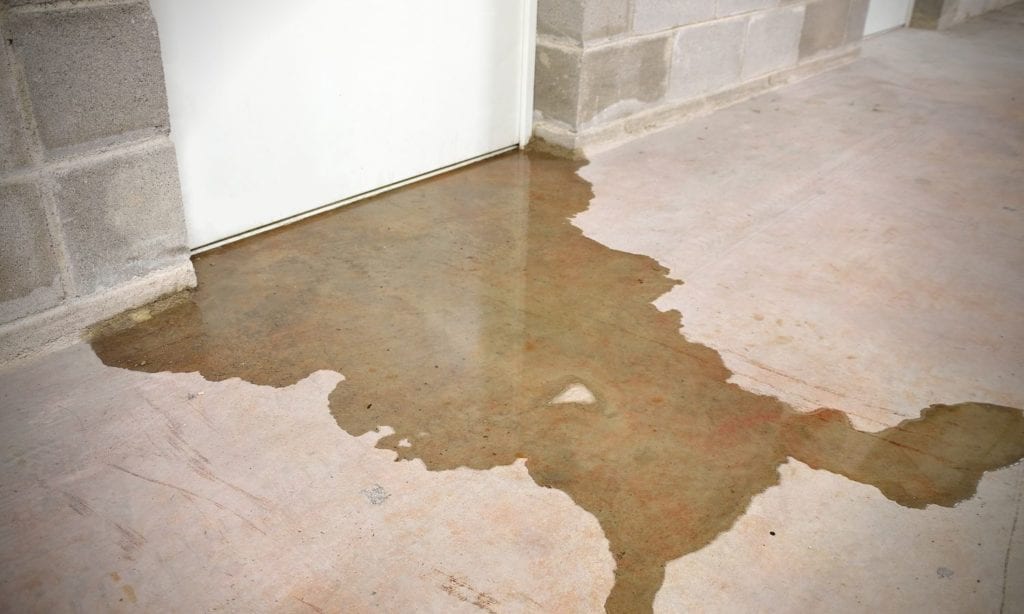
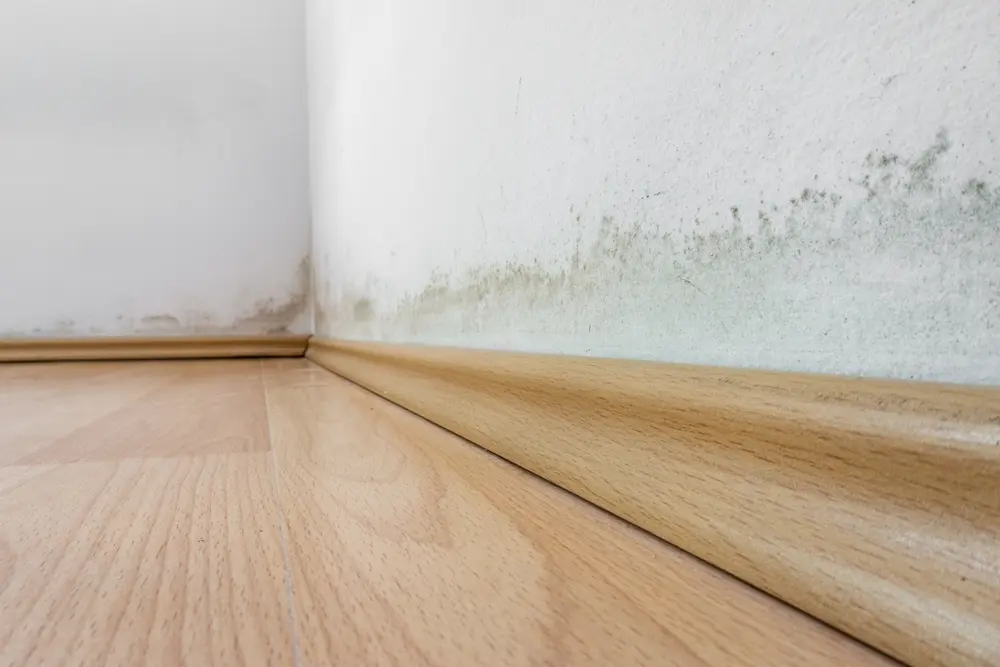
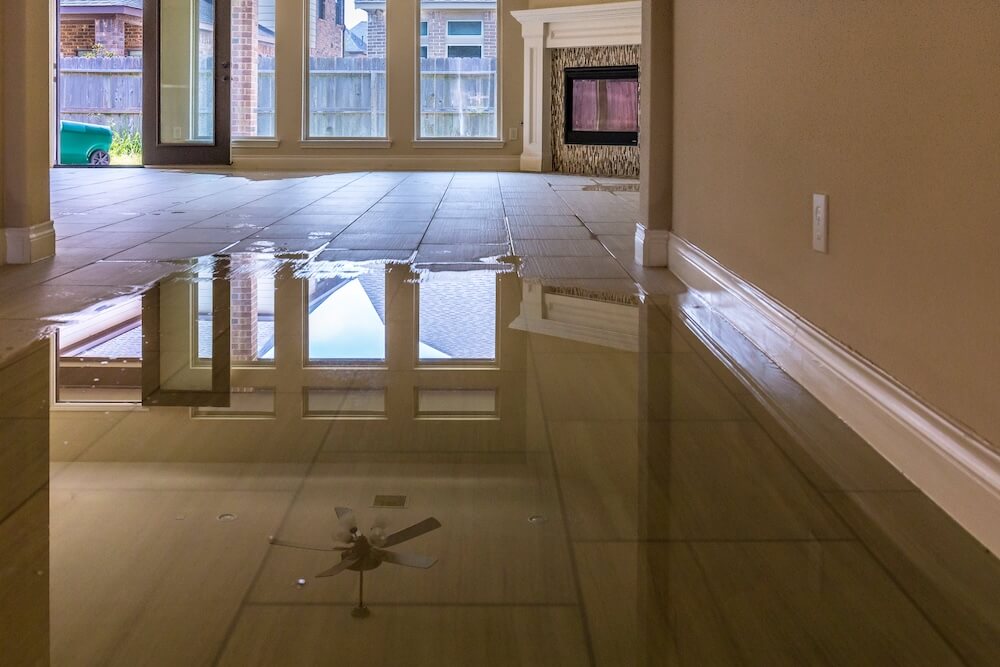
Outdoor drainage systems are designed to direct water away from your home and landscaping. When these systems become blocked or damaged, water can pool around foundations, seep into basements, or erode soil. Consistent attention to your drainage setup not only preserves your property value but also helps avoid emergencies after heavy rain or snowmelt.
Routine drainage maintenance can also extend the life of your gutters, downspouts, and underground pipes. By addressing minor issues early, you reduce the risk of expensive repairs and ensure your yard remains safe and functional.
Key Steps for Outdoor Drainage System Maintenance
To keep your drainage working optimally, follow these essential steps:
- Inspect Gutters and Downspouts: Check for debris, leaves, and blockages at least twice a year. Clean out gutters and ensure downspouts direct water at least five feet away from your foundation.
- Clear Surface Drains and Grates: Remove leaves, dirt, and other obstructions from surface drains, catch basins, and grates. This prevents water from backing up during storms.
- Check for Standing Water: After rainfall, walk your property and look for puddles or soggy areas. Persistent standing water may indicate a blockage or grading issue that needs attention.
- Maintain French Drains: If you have a French drain, periodically flush it with water to remove sediment. Inspect the drain outlet for obstructions.
- Trim Landscaping: Overgrown plants and roots can interfere with drainage paths. Keep shrubs and trees trimmed back from drainage lines and grates.
- Test Slope and Grading: Ensure that soil around your home slopes away from the foundation. Re-grade areas where erosion or settling has occurred.

Common Problems and How to Fix Them
Even with regular care, issues can arise. Here are some typical drainage problems and solutions:
- Clogged Gutters: Remove debris by hand or with a hose. Install gutter guards to minimize future buildup.
- Blocked Downspouts: Use a plumber’s snake or water pressure to clear blockages. Ensure downspout extensions are free of obstructions.
- Cracked or Collapsed Pipes: Inspect underground pipes for signs of collapse or root intrusion. Replace damaged sections promptly.
- Poor Grading: Add soil to low spots and compact it to restore proper slope away from your home.
- Overflowing Surface Drains: Clean grates and check for hidden blockages in the drain body. Flush with water if necessary.
For more detailed advice on preventing water damage inside your home, see these tips for protecting your home interior from water damage.
Seasonal Outdoor Drainage Care
Different seasons bring unique challenges for drainage systems. Here’s how to adapt your maintenance routine throughout the year:
- Spring: Clear away winter debris, check for ice damage, and ensure all drains are open before heavy spring rains.
- Summer: Inspect for plant overgrowth and keep drains clear of grass clippings and mulch. Watch for signs of erosion after storms.
- Fall: Remove fallen leaves from gutters and grates. Prepare for winter by checking that all water flows away from the house.
- Winter: Keep snow and ice from blocking drains. After thaws, check for pooling water and ice dams near your foundation.
Tools and Products for Effective Drainage Upkeep
Having the right tools on hand makes outdoor drainage system maintenance much easier. Consider keeping these items in your toolkit:
- Sturdy gloves and safety glasses
- Garden trowel or scoop for removing debris
- Plumber’s snake or auger for clearing pipes
- Garden hose with a high-pressure nozzle
- Gutter cleaning attachments
- Soil and gravel for re-grading
For those interested in more home improvement techniques, you might also find value in learning how to use a tortilla press for thin crust pizza prep as part of your kitchen maintenance routine.
Preventative Measures for Long-Term Success
Proactive steps can help you avoid drainage emergencies. Here are some preventative measures to consider:
- Install Gutter Guards: These reduce the frequency of cleaning and help prevent clogs.
- Use Splash Blocks or Downspout Extensions: Direct water well away from your foundation to prevent seepage.
- Monitor for Leaks: Regularly check for leaks in pipes and joints, especially after heavy rain.
- Schedule Professional Inspections: If you have a complex drainage system, a yearly inspection by a professional can catch hidden issues early.
Staying ahead of potential problems is the best way to protect your property and landscape from water-related damage.
Frequently Asked Questions
How often should I clean my outdoor drainage system?
It’s recommended to inspect and clean gutters, downspouts, and surface drains at least twice a year—once in the spring and once in the fall. However, if you have many trees nearby or experience frequent storms, more frequent checks may be necessary.
What are signs that my drainage system needs maintenance?
Common warning signs include water pooling near your foundation, overflowing gutters, slow-draining surface grates, and visible debris in drains. If you notice any of these, address them promptly to avoid bigger issues.
Can I maintain my drainage system myself, or should I hire a professional?
Many routine tasks, such as clearing gutters and checking for blockages, can be handled by homeowners. For more complex issues like underground pipe repairs or major grading adjustments, it’s wise to consult a professional to ensure the job is done safely and effectively.