

Keeping your home safe is a top priority for every family. Everyday living spaces can present unexpected hazards, but with a few practical adjustments, you can significantly reduce the risk of injuries and mishaps. This guide explores straightforward solutions for preventing household accidents and creating a secure environment for everyone in your household, from young children to older adults.
Whether you’re a new parent, a caregiver, or simply want to make your home safer, understanding common risks and addressing them with simple fixes is essential. By taking proactive steps, you can enjoy peace of mind and help ensure your loved ones are protected from avoidable harm.
For families interested in the latest technology to enhance home safety, exploring next-generation home security systems can provide additional layers of protection and convenience.
Common Hazards and How to Address Them
Many accidents at home are preventable with a bit of awareness and some simple changes. Here are some of the most frequent risks and how to tackle them:
- Slips, Trips, and Falls: Wet floors, loose rugs, and cluttered walkways are leading causes of falls. Use non-slip mats in bathrooms and kitchens, secure rugs with grippers, and keep hallways clear.
- Burns and Scalds: Hot surfaces, boiling water, and heated appliances can cause serious injuries. Always turn pot handles inward, use stove guards, and keep hot drinks away from edges.
- Electrical Hazards: Exposed wires, overloaded outlets, and faulty appliances are potential dangers. Regularly inspect cords, use outlet covers, and avoid daisy-chaining extension cords.
- Poisoning: Cleaning products, medications, and chemicals should be stored out of reach of children and pets. Use childproof locks and keep items in original containers with labels.
- Fire Risks: Unattended candles, overloaded circuits, and blocked exits can lead to house fires. Install smoke detectors, test them monthly, and create a family escape plan.
Simple Steps for Preventing Household Accidents
Implementing a few easy fixes can make a significant difference in home safety. Here are practical tips to help you minimize risks:
- Install Safety Devices: Use smoke and carbon monoxide detectors, window locks, and safety gates. These devices are especially important in homes with young children or elderly residents.
- Improve Lighting: Ensure all areas, especially stairways and entryways, are well-lit. Replace burnt-out bulbs promptly and consider motion-activated lights for added convenience.
- Declutter Regularly: Keep floors and surfaces free from unnecessary items. Store toys, shoes, and other objects in designated bins or shelves to prevent tripping.
- Secure Furniture: Anchor bookshelves, TVs, and heavy furniture to the wall to prevent tipping, particularly in homes with children.
- Maintain Appliances: Schedule regular checks for kitchen appliances, heating systems, and electrical devices. Promptly repair or replace faulty equipment.
Smart Technology for Safer Homes
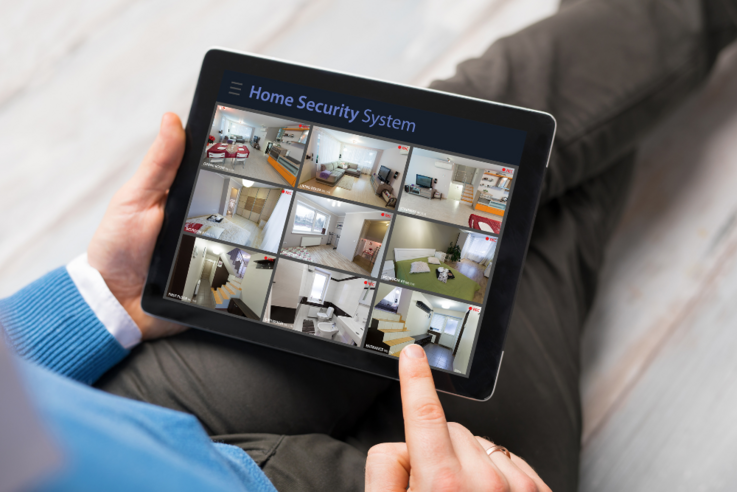
Modern solutions can make preventing household accidents even easier. Smart home devices, such as automated lighting, leak detectors, and security systems, help monitor your environment and alert you to potential dangers. For example, smart smoke detectors can send notifications to your phone, while water leak sensors can prevent costly damage and mold growth.
Integrating home maintenance automation tools can further streamline safety checks and reduce the risk of overlooked hazards. These technologies are especially useful for busy families who want to stay ahead of potential problems.
Room-by-Room Safety Checklist
Each area of your home presents unique risks. Here’s a quick checklist to help you address the most common dangers in every room:
| Room | Key Hazards | Easy Fixes |
|---|---|---|
| Kitchen | Burns, cuts, fires, poisoning | Install stove guards, use non-slip mats, store knives and chemicals out of reach |
| Bathroom | Slips, scalds, electrical shock | Use grab bars, non-slip mats, keep appliances away from water |
| Living Room | Trips, falls, furniture tipping | Secure rugs, anchor furniture, keep walkways clear |
| Bedroom | Falls, suffocation (for infants) | Install bed rails, keep cribs free from loose bedding |
| Garage/Basement | Chemical exposure, fire, sharp tools | Lock chemicals, store tools safely, install fire extinguisher |
Fire Prevention and Emergency Preparedness
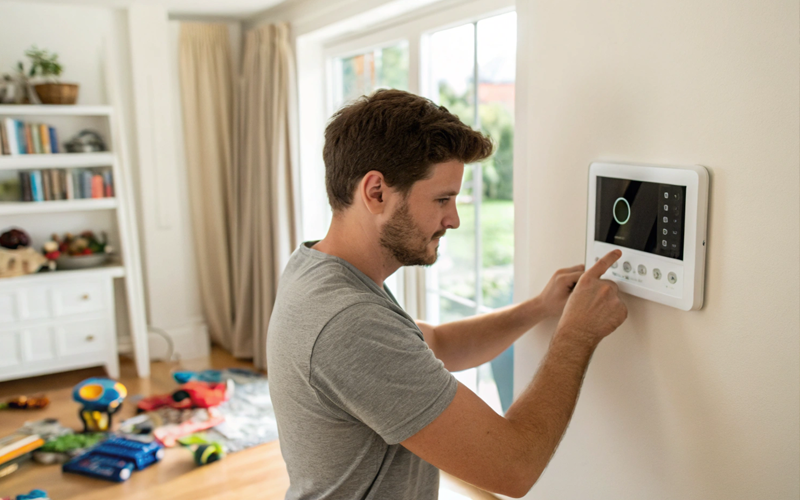
Fires are a major concern in residential settings, but many incidents can be avoided with the right precautions. Install smoke alarms on every level of your home and check them monthly. Keep a fire extinguisher in the kitchen and garage, and make sure everyone knows how to use it. Practice a family escape plan so everyone knows what to do if an alarm sounds.
For more detailed strategies on reducing fire hazards, see this comprehensive guide to fire damage prevention.
Special Considerations for Children and Seniors
Young children and older adults are especially vulnerable to accidents at home. For families with kids, install safety gates at stairs, use outlet covers, and keep small objects out of reach. For seniors, consider grab bars in bathrooms, remove trip hazards, and ensure easy access to emergency contacts.
Smart solutions, such as proactive property management systems, can help monitor the well-being of elderly family members and provide alerts in case of unusual activity or emergencies.
Maintaining a Safe and Healthy Home Environment
Beyond physical safety, maintaining a clean and hygienic home is crucial for overall well-being. Regular cleaning, proper ventilation, and the use of home hygiene protection systems can reduce the risk of illness and create a healthier living space for everyone.
Staying proactive with maintenance and safety checks ensures that small issues don’t become bigger problems. Set reminders to test alarms, inspect appliances, and review your family’s emergency plans regularly.
Frequently Asked Questions
What are the most common causes of accidents in the home?
The leading causes include slips and falls, burns, electrical shocks, poisoning from chemicals or medications, and fires. Most of these can be prevented with simple safety measures such as non-slip mats, smoke detectors, and secure storage for hazardous items.
How can I make my home safer for children?
Install safety gates, use outlet covers, anchor heavy furniture, and keep dangerous items out of reach. Regularly inspect your home for new hazards as your child grows and becomes more mobile.
Are smart home devices effective for accident prevention?
Yes, smart devices like leak detectors, automated lighting, and security systems can help identify and alert you to hazards quickly. They provide an extra layer of protection and can be especially helpful for busy families or those with elderly members.
How often should I review my home safety measures?
It’s a good idea to review safety measures at least twice a year, or whenever there are changes in your household, such as a new baby or an elderly relative moving in. Regular checks help ensure that all systems and precautions remain effective.




