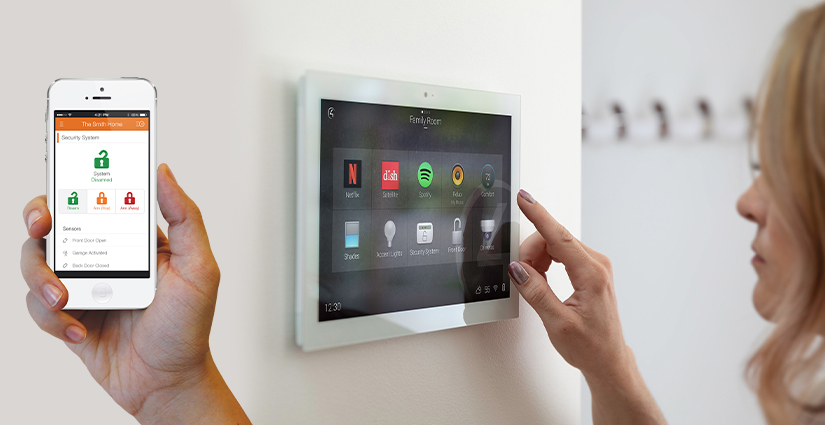
Keeping your home safe is about more than just reacting to threats—it’s about taking proactive steps to deter unwanted visitors before they even consider targeting your property. With advances in technology and a better understanding of how intruders operate, homeowners have more tools and strategies than ever to protect their families and belongings. This guide covers practical preventive home security tips that can make a real difference in your peace of mind and the safety of your space.
Whether you’re new to home security or looking to upgrade your current setup, understanding how to layer your defenses is essential. From smart devices to simple behavioral changes, these suggestions are designed for all types of homes and budgets. For those interested in the latest innovations, you may also want to explore next-generation home security systems that offer advanced features and integration.
Why Proactive Security Measures Matter
Most break-ins are crimes of opportunity. Intruders often look for homes that appear easy to access or unoccupied. By implementing preventive home security tips, you reduce your risk and make your property less attractive to would-be burglars. Proactive security not only protects your valuables but also helps maintain a sense of safety for everyone in your household.
According to security experts, visible deterrents such as cameras, alarms, and lighting can significantly decrease the likelihood of a break-in. Even simple steps like locking doors and keeping entryways clear can have a big impact. For a deeper dive into how technology is shaping the future of protection, see this overview of the future of home protection technology.
Layered Security: Building Multiple Lines of Defense
Effective home protection relies on a layered approach. This means combining several strategies and devices to create overlapping barriers that slow down or discourage intruders. Here are key layers to consider:
- Perimeter Security: Fences, gates, and visible signage can serve as the first warning to outsiders.
- Entry Point Reinforcement: Solid doors, deadbolts, and window locks add physical barriers.
- Surveillance: Cameras and video doorbells provide monitoring and evidence if needed.
- Alarms and Sensors: Motion detectors, glass break sensors, and smart alarms alert you to suspicious activity.
- Lighting: Motion-activated lights around entrances and dark areas discourage trespassers.
Combining these elements creates a comprehensive defense that is much harder for intruders to bypass.
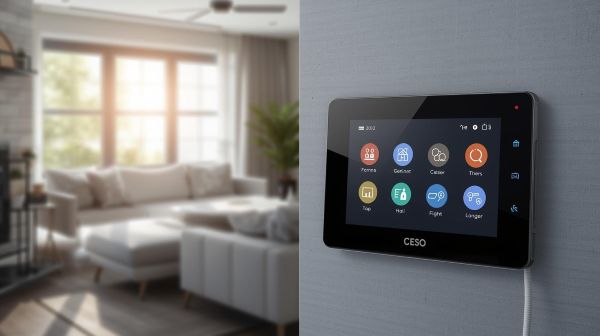
Smart Devices for Modern Home Protection
Technology has transformed how we secure our homes. Smart security systems offer features like remote monitoring, instant alerts, and integration with other devices. Here are some of the most effective tech-based preventive home security tips:
- Smart Alarms: Systems that notify you and emergency services if a break-in is detected.
- Video Doorbells: See and speak to visitors from anywhere, and record footage for added evidence.
- Remote-Controlled Locks: Lock or unlock doors from your phone, and set up temporary codes for guests or service providers.
- Environmental Monitoring: Devices that detect smoke, carbon monoxide, or even rodent activity can prevent hazards before they escalate. Learn more about rodent detection for homes and carbon monoxide monitoring systems.
When choosing smart devices, look for those that offer strong encryption and regular software updates to minimize cybersecurity risks.
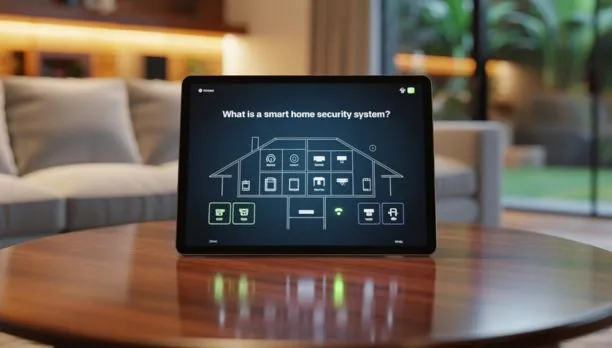
Everyday Habits That Deter Intruders
Technology is important, but your daily routines play a big role in home safety. Here are some practical habits to adopt:
- Lock Doors and Windows: Always secure all entry points, even when you’re home or just stepping out briefly.
- Don’t Advertise Absences: Pause mail and deliveries or ask a neighbor to collect them if you’re away.
- Keep Valuables Out of Sight: Avoid leaving expensive items visible through windows.
- Maintain Landscaping: Trim shrubs and trees near doors and windows to eliminate hiding spots.
- Use Timers: Set lights or electronics on timers to give the impression someone is home.
These habits, combined with physical and digital security measures, make your home a much less appealing target.
Integrating Security with Home Energy and Safety Systems
Modern homes often blend security with other smart systems. For example, energy monitors can alert you to unusual power usage that might indicate tampering or a malfunction. Integrating your security setup with energy and environmental monitoring can provide a more holistic approach to protection. For more on this, see the guide to energy system protection at home.
Additionally, combining safety systems like smoke and carbon monoxide detectors with your security platform ensures you’re covered against a wide range of risks, not just break-ins.
Neighborhood and Community Strategies
Security is stronger when neighbors work together. Consider joining or starting a neighborhood watch program. Share tips and updates about suspicious activity, and look out for each other’s properties. Many communities also use group messaging apps to stay connected and alert one another quickly if something seems off.
Visible signs of community vigilance, such as neighborhood watch stickers or regular patrols, can further discourage intruders from targeting your area.
Additional Resources for Proactive Protection
For a broader perspective on safeguarding your lifestyle and assets, check out this comprehensive guide to proactive protection. Staying informed about new threats and solutions is key to maintaining effective security over time.
FAQ: Preventing Home Intrusions
What are the most effective first steps for home security?
Start by securing all doors and windows with quality locks, installing outdoor lighting, and using visible deterrents like cameras or alarm signs. These basic measures provide a strong foundation for more advanced security upgrades.
How often should I update or review my security setup?
It’s a good idea to review your security measures at least once a year or after any significant changes to your home or neighborhood. Technology evolves quickly, so staying updated ensures you’re protected against new threats.
Can smart home devices be hacked, and how can I protect them?
While smart devices can be vulnerable if not properly secured, you can reduce risks by using strong, unique passwords, enabling two-factor authentication, and keeping device software up to date. Choose reputable brands that prioritize security in their products.
Are there affordable ways to improve home security?
Yes, many effective strategies are low-cost or free, such as reinforcing locks, using timers for lights, and joining a neighborhood watch. Even simple changes in daily habits can make a significant difference.
How does integrating energy monitoring help with security?
Energy monitors can alert you to unusual power usage, which might indicate tampering or an intruder’s presence. Integrating these systems with your security setup provides another layer of awareness and protection.